Sign for COUNSELING in ASL | 🧠 ASL Dictionary

Definition: Professional guidance.

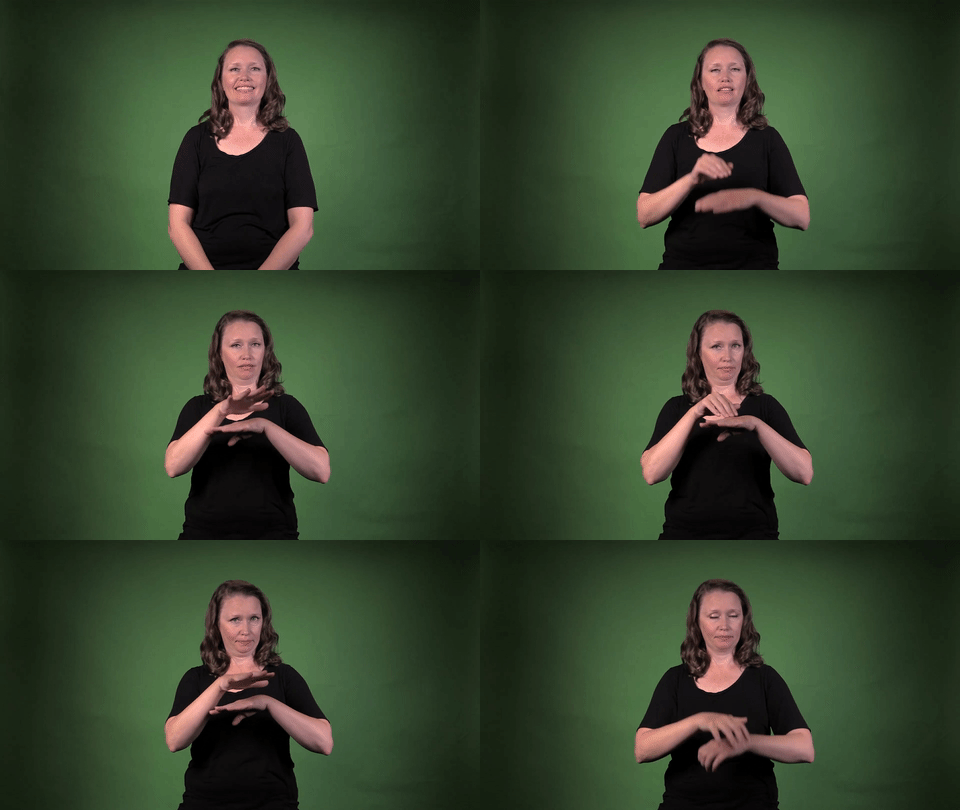
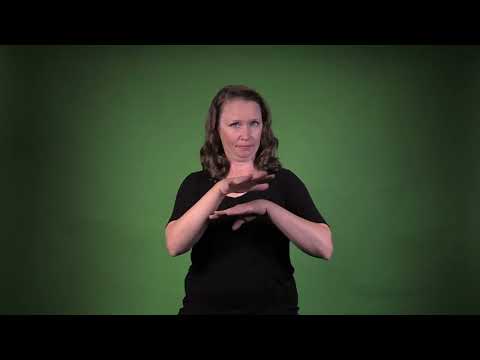
Sign for COUNSELING in ASL

YouTube player

Practice Activities:

Start by practicing the sign for COUNSELING in ASL in isolation. Use a mirror to observe handshape and movement, making sure to repeat the sign slowly at first, then gradually increase your speed while maintaining clarity. Focus on keeping your movements fluid and accurate.

Once you feel confident signing the word by itself, try using it in short phrases such as “student counseling,” “seek counseling,” or “professional counseling.” This helps reinforce the sign in related contexts and builds your comfort using it naturally. Sign these phrases several times, adding facial expressions that reflect concern, support, or empathy.

To integrate the sign for COUNSELING in ASL into full sentences, try practicing statements like “I need counseling,” “She is going to counseling every week,” or “They offer free counseling at school.” Practice signing these with both questions and statements to vary your tone and grammar. Record yourself and review the videos to catch any errors in placement or movement.

Practice storytelling by creating short narratives involving a counseling experience. For example, tell a story about someone having a hard time and deciding to see a counselor, using related vocabulary like stress, help, listen, and advice. This supports your understanding of how to use the sign within appropriate contexts.

If you have a practice partner, role-play a counseling session. One person can act as the counselor while the other watches for appropriate use of the sign for COUNSELING in ASL. Switch roles and give each other feedback on clarity and facial expressions. You could also role-play talking to a friend about the benefits of counseling.

Finish your practice by watching real-life ASL videos or vlogs where the sign for COUNSELING in ASL is used. Mimic the signing and analyze how fluent signers use body language and expressions along with the vocabulary.

Cultural Context:

The sign for counseling in ASL holds an important place in American Deaf culture. This sign reflects not only the concept of therapeutic support but also highlights how the Deaf community values communication around mental health and emotional well-being.

When discussing counseling in Deaf culture, it’s important to understand the barriers many Deaf individuals face in accessing traditional spoken-language therapy. The sign for counseling in ASL helps bridge those gaps, making it easier for users to express their needs in a culturally appropriate and accessible way.

Counselors who are fluent in ASL or work with interpreters often use the sign for counseling to build trust and connection with Deaf clients. Language access is crucial in therapeutic settings, and using the correct ASL sign ensures that the therapy process respects Deaf identity and communication preferences.

Deaf culture emphasizes visual modes of communication, and the sign for counseling in ASL aligns with this cultural value. Whether referring to therapy sessions, school guidance, or life coaching, using ASL correctly helps remove barriers and supports full participation in these services.

The sign for counseling in ASL may vary slightly depending on context and regional dialects within the Deaf community. Just as spoken English can differ by region, so can signs, and understanding these nuances ensures respectful and accurate communication.

In schools for the Deaf, students often learn the sign for counseling in ASL early on. It’s used to describe meetings with school counselors or support staff who help with emotional, academic, and social development.

Deaf adults engaging in therapy or support groups will frequently use the sign for counseling in ASL to discuss their experiences. It becomes a tool for advocacy when seeking services that are linguistically and culturally appropriate.

Access to mental health care in ASL has been expanding, and using the correct sign for counseling in ASL helps promote awareness of these growing resources. From virtual therapy sessions to in-person counseling centers, clear communication is foundational.

ASL interpreters who work in clinical and counseling settings must be familiar with the sign for counseling in ASL to facilitate accurate and meaningful interactions. This ensures that Deaf clients receive the same level of care and confidentiality as hearing clients.

The concept behind the sign for counseling in ASL is not only about therapy; it’s about support, guidance, and help—core values in any culture. In many Deaf families and communities, supporting one another through challenges is an important tradition, and using ASL to express this support keeps those traditions strong.

Whether you’re studying ASL, working in mental health, or engaging in Deaf advocacy, understanding

Extended Definition:

The sign for counseling in ASL is a useful and important term often used in both educational and mental health contexts. Understanding how to express this concept clearly in American Sign Language allows for better communication between deaf individuals and professionals in a variety of support roles. Whether you’re referring to academic counseling, emotional support, or family therapy, knowing the appropriate ASL sign helps bridge communication gaps.

To sign counseling in ASL, the movement generally mimics a supportive or guiding gesture. The dominant hand opens and moves away from the non-dominant hand near the chest, suggesting the idea of offering advice or guidance. This sign is directional and can be adapted depending on who is being counseled, such as moving toward the person who is receiving the advice.

The sign for counseling in ASL can be used in different settings, making it versatile. In schools, it may refer to guidance counselors helping students with class choices or personal issues. In healthcare, it often refers to therapists or social workers who provide support for managing emotional challenges or life situations.

In ASL, signs often relate to the concept behind the word rather than being direct translations. That means the sign for counseling in ASL emphasizes the process of giving support and guiding, rather than a single static word. This makes it essential to consider context and facial expressions when using this sign. ASL grammar and nuance play a key role in communicating your intent clearly.

When referring to family counseling, couples therapy, or individual sessions, the main sign stays the same but the context helps clarify the meaning. You might add signs for family, marriage, or personal before or after the counseling sign to make the meaning more specific. This flexibility makes the sign adaptable for many different uses.

Learning the sign for counseling in ASL helps build vocabulary that supports inclusive environments. It empowers individuals in the deaf community to fully participate in conversations about well-being, support systems, and personal development. It also enables professionals to engage more effectively with deaf clients who rely on ASL for communication.

Using the right facial expressions and body language is just as important as the hand movements when signing counseling in ASL. A supportive tone, nodding, and a caring expression can all enhance the delivery of the sign. This emotional context enriches the communication and ensures the message is clear and respectful.

Educators and interpreters may use the sign for counseling in ASL when discussing mental health resources, student services, or emotional support systems. Incorporating this sign into lessons and real-life conversations can foster

Synonyms: Therapy, guidance, coaching, advice, consultation

Educational resources: Find related learning materials in our course bank!

Want more? Check out some of our popular learning activities on the homepage!

Need to look up a sign? Use our highly rated dictionary: https://aslinteractive.com/best-asl-dictionary/

Follow us on tiktok: https://www.tiktok.com/@aslinteractive. More social media links at the bottom of this page!

Long-tail Keywords: what is the sign for counseling in ASL, how do you sign counseling in ASL, ASL sign for counseling

Categories:

tags: Counseling, language learning, relationships, emotions, colleges/universities/schools

Parameters

*Handshape*:

The handshape for the sign for COUNSELING in ASL typically begins with a dominant flat “O” handshape, resembling the fingers touching the thumb. This handshape then moves outward in a repeated motion from the base of the non-dominant “flat B” hand, symbolizing guidance or advice being offered.

In the sign for COUNSELING in ASL, the movement and spreading of the dominant hand represents sharing insights or helping someone process information, which aligns with the concept of counseling. The handshape plays a critical role in visually expressing the flow of communication between individuals. ️

*Palm Orientation*:

The palm orientation for the sign for COUNSELING in ASL begins with the dominant hand in a flat “O” handshape, positioned above the back of the non-dominant hand, which is held steady and flat, palm facing downward. The dominant hand opens slightly as it moves away in a repeated outward motion, changing into a spread five-handshape.

Throughout the sign for COUNSELING in ASL, the palm of the dominant hand faces sideways or slightly down toward the non-dominant hand. The movement suggests a concept of offering or advising, aligning with the meaning behind the sign.

*Location*:

The sign for COUNSELING in ASL is produced in the neutral space in front of the body, slightly above the chest level. The dominant hand begins in a flat-O or bent-O handshape and moves forward from the back of the non-dominant hand, which is held steady in a supportive position.

This movement simulates the idea of offering advice or emotional support. The location plays a key role in visually expressing the concept, making the sign for COUNSELING in ASL visually clear and meaningful.

*Movement*:

To produce the sign for counseling in ASL, start by forming a flat non-dominant hand, palm facing slightly upward. The dominant hand begins in an “O” handshape touching the fingertips to the top of the non-dominant hand.

Then, open the fingers into a spread “5” handshape as you move the dominant hand outward, away from the base hand in a short arcing motion. The sign for counseling in ASL mimics the idea of advice or guidance being offered. ️

*Non-Manual Signals*:

When using the sign for counseling in ASL, the signer typically maintains a neutral facial expression with brief, attentive eye contact. This helps convey a sense of professionalism and emotional neutrality, aligning with the supportive nature of counseling.

Depending on context, slight head nods or raised eyebrows might be used to encourage engagement or show empathy. These subtle non-manual signals reinforce the meaning of the sign for counseling in ASL and enhance clarity .

*Prosody, Dominant/Non-Dominant Hand*:

The sign for COUNSELING in ASL uses a dominant hand in the shape of an open 5-hand, fluttering or moving slightly as it hovers over the non-dominant hand, which is in an S-handshape held horizontally. The dominant hand moves away from the non-dominant hand in a repeated outward motion, as if spreading information or offering guidance. Both hands are typically centered in front of the chest or upper torso.

This movement represents the act of offering advice or support, perfectly matching the meaning behind the sign for COUNSELING in ASL. The expressive, outward motion combined with fluidity conveys a sense of communication and expression, key aspects of counseling.

Tips for Beginners:

When learning the sign for COUNSELING in ASL, it’s important to focus on handshape and movement precision. The dominant hand opens and releases fingers from the non-dominant palm in a repeated outward motion, symbolizing advice or guidance being offered. Be sure that your movement is fluid and not too fast—clarity matters more than speed .

A common mistake beginners make is collapsing the sign into a single motion or not spacing out the fingers correctly during the release. Remember, the motion is repeated lightly to indicate the ongoing nature or process of counseling. If your fingers are too tense or close together, it can make the sign unclear.

Facial expression is key to supporting the sign for COUNSELING in ASL. Think of a thoughtful or supportive expression when using this sign, especially in conversational contexts that mirror empathy or guidance. Avoid neutral or disinterested expressions, as that can send the wrong message.

Practice in front of a mirror can help ensure your movement is symmetrical and expressive. You want to mirror the concept of support being given thoughtfully, so be intentional with your performance. Watching native signers model the sign for COUNSELING in ASL can also help improve your clarity.

Context will guide how you use the sign. For example, in mental health settings, the sign may require a slightly more formal tone, supported by a respectful expression. In casual conversations, a warmer or more relaxed face may be appropriate.

Finally, repetition works wonders. Practice slowly and accurately before working your way up to conversational speed. Don’t rush through the learning process—mastery comes from consistent practice and feedback. When possible, sign with others and ask for input on your clarity and accuracy .

sign for counseling in asl, counseling sign language, how to sign counseling in asl, asl counseling gesture, american sign language counseling sign

Connections to Other topics:

The sign for COUNSELING in ASL is closely associated with signs that represent guidance, support, and emotional well-being. It shares a relationship with signs like ADVICE, HELP, and THERAPY, which are often used in similar contexts. This network of signs builds a strong conceptual link within mental health and human services discussions.

In conversational ASL, the sign for COUNSELING in ASL is often used in compound phrases such as MARRIAGE COUNSELING, STUDENT COUNSELING, or GRIEF COUNSELING. These combinations help add specificity, and they often include a contextual sign first (e.g., MARRIAGE or SCHOOL) followed by COUNSELING to narrow down the setting or type of support being referred to. This builds layers of meaning in efficient visual forms.

The handshapes and movement in the sign for COUNSELING in ASL also align with themes of interpersonal communication. The sign typically uses a movement from one person to another, symbolizing the flow of information and support. This reflects similar motion-based structure in signs like SHARE, TALK-WITH, and COMMUNICATE, making those useful references when exploring its conceptual field.

This sign also connects well with professional and service roles. For example, signs like COUNSELOR, SOCIAL-WORKER, and PSYCHOLOGIST build off of base signs such as COUNSELING, showing the professional aspect through slight modifications or the addition of the AGENT marker. Understanding these derivations helps broaden vocabulary and enhances fluency when discussing professions.

Learners exploring the sign for COUNSELING in ASL benefit from understanding how it appears in emotionally nuanced settings. It’s often used with facial expressions that reflect empathy or seriousness, tying it to emotional signs such as SAD, STRESS, or HOPE. Recognizing these emotional cues is important for accurate communication in sensitive contexts.

Summary:

The sign for COUNSELING in ASL visually captures the concept of giving guidance or support to another person. It typically involves a movement from one hand to another, symbolizing the transmission of advice, ideas, or emotional support from a counselor to a recipient.

To perform the sign for COUNSELING in ASL, the dominant hand is shaped in an open hand or bent hand position, repeatedly brushing outwards from the back of the non-dominant flat hand. The motion resembles something being drawn out or flowing from the person offering guidance.

This outward motion of the dominant hand can be done twice or in a repeated fashion, which helps emphasize ongoing or continued support, as is typical in a real counseling relationship. The sign is grounded in physical representation, making it intuitive and strongly linked to its meaning.

The non-dominant hand represents the recipient — the one being guided or helped. This spatial representation mirrors real-life interactions, where one participant offers support while the other receives it.

Because this sign involves a transfer of helpfulness or ideas, it connects with broader themes of empathy, social care, and communication. It’s not just about giving advice, but about fostering understanding and trust.

The sign for COUNSELING in ASL can be adapted slightly to suit different contexts. For example, when discussing academic counseling versus mental health counseling, facial expression and signing context help clarify the intended meaning.

In linguistic terms, the sign employs a classifier-like structure. The non-dominant hand sets a base, while the dominant hand performs a motion that conveys abstract meaning, something typical in classifiers used in ASL to enhance semantic clarity.

Grammatically, the sign for COUNSELING in ASL can function as a noun or a verb depending on how it’s used in the sentence. ASL frequently uses the same signs for both parts of speech, relying on sentence position, facial grammar, and body language to distinguish between usages.

This versatility makes the sign for COUNSELING particularly powerful in conveying a range of human experiences. It can describe the formal act of receiving therapy, the pursuit of advice, or the more casual guidance exchanged between friends or family.

The cultural significance of the sign is also noteworthy. Within Deaf culture, access to proper counseling services has historically been limited, so the topic holds particular weight and relevance. Mental health and professional guidance have faced systemic barriers for Deaf individuals, emphasizing the need for accessible support systems.

The visual metaphor in the sign reinforces the idea that counseling is a proactive, two-way interaction — not something imposed, but something shared. It respects the agency of both parties in the exchange.

The concept of counseling connects broadly with other signs, such as THERAPY, HELP, ADVICE, SUGGEST, or SUPPORT. While related, these each have nuanced differences in both form and meaning, showing ASL’s rich capacity for emotional and intellectual expression.

When comparing the sign for COUNSELING to that of ADVICE, for example, the motion in COUNSELING tends to appear more ongoing or repetitive, reinforcing the idea of multiple sessions or extended assistance. In contrast, ADVICE may be presented as a singular or more immediate exchange.

Students of ASL and practicing interpreters can find the sign useful not only in therapeutic or medical settings but also in academic, legal, or spiritual contexts. The sign’s applicability reflects its central role in human connection.

Understanding the sign for COUNSELING in ASL can also open up dialogue around mental health and emotional wellness in the Deaf community. The ease with which someone can communicate the concept increases the chances that they will seek help when needed.

From a linguistic perspective, the movement variation observed in the sign — smooth or abrupt, fast or slow — can subtly affect its meaning. These variations are part of ASL’s prosody, akin to tone or cadence in spoken language.

In terms of applied linguistics, the sign for COUNSELING plays a vital role in developing culturally relevant therapeutic methodologies for the Deaf. Counselors trained in ASL can integrate the sign into culturally competent care, ensuring communication is both effective and respectful.

The sign also underscores the importance of qualified ASL interpreters in clinical and developmental settings. An interpreter unfamiliar with subtleties might misrepresent the nuance embedded in the sign or its associated expressions.

When children learn this sign early, it equips them with vocabulary for mental health conversations. This early introduction can de-stigmatize the act of seeking help among young members of the Deaf community.

In educational settings, students learning ASL often explore signs like COUNSELING when discussing health, psychology, or personal development. This creates opportunities for deep, bilingual discussions bridging deaf and hearing perspectives.

In the workplace, knowing the sign for COUNSELING in ASL can improve HR interactions, employee support services, and peer mentorship within Deaf-inclusive organizations. Such knowledge cements communication channels and fosters inclusive cultures.

Non-manual markers such as facial expressions and head movements add layers of meaning to the sign. Raised eyebrows

Want more? Check out some of our popular learning activities!

ASL Interactive Resources

ASLInteractive YouTube Channel

Follow us on tiktok: @aslinteractive.com

Follow us on Instagram: aslinteractive

Facebook page: aslinteractive

Facebook group: aslinteractive

LInkedIn: ASL Interactive LLC

Twitter: @ASL_interactive

*Some information on this page is AI-generated. AI can make mistakes. Please check the information.

Sign for COUNSELING in ASL

Responses