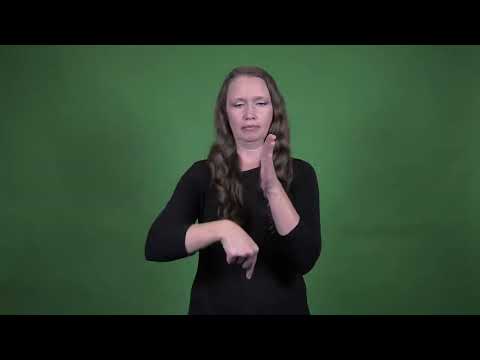
Sign for DEEP SLEEP in ASL | 🛌 ASL Dictionary

Definition: A state of deep rest.

Sign for DEEP SLEEP in ASL

YouTube player

Practice Activities:

To practice the sign for deep sleep in ASL, start by rehearsing it in front of a mirror. Focus on the completeness of the movement and the facial expression associated with being fully asleep. Practice transitioning from the sign for sleep into the deeper facial and body relaxation that indicates deep sleep.

Next, create simple sentences to reinforce the sign. For example, sign phrases such as “I was in a deep sleep,” “She is in a deep sleep now,” or “After hiking, he went into a deep sleep.” Repeat these phrases several times, gradually increasing your speed and fluidity.

Use the sign for deep sleep in ASL in storytelling. Create a short narrative about someone going on a long journey and falling into a peaceful deep sleep after a tiring day. Incorporate signs like tired, bed, night, quiet, and dream to enhance the context and your vocabulary.

Partner activities will help reinforce receptive skills. Have one person use the sign for deep sleep in ASL in a sentence, and the other person interprets or repeats it. You can also alternate signing bedtime stories with a partner, making sure to include the concept of deep sleep whenever appropriate.

Watch ASL videos featuring bedtime routines or health and wellness topics. Try to spot the sign for deep sleep in ASL and note how it is incorporated naturally into conversation. Practice pausing the video and mimicking the sign immediately to reinforce muscle memory.

Set up themed skits such as acting out a slumber party or someone struggling to wake up from a deep sleep. These creative activities make practicing the sign more memorable and enjoyable, and they reinforce understanding in a realistic context.

Cultural Context:

In Deaf culture, the concept of deep sleep is more than just getting rest—it’s a crucial part of well-being and daily functioning. When using the sign for deep sleep in ASL, it’s often tied to feelings of peace, safety, and comfort, especially within environments where visual communication is a priority.

The sign for deep sleep in ASL is not only a practical vocabulary word but also a reflection of cultural values around rest. Just like anyone else, Deaf individuals experience exhaustion and need sufficient rest, but in Deaf spaces, this concept includes visual peace—turning off flashing lights, closing curtains, and removing distractions to achieve a true state of deep relaxation.

ASL users often incorporate facial expressions and body language when signing about sleep. The sign for deep sleep in ASL is typically more expressive than just the sign for sleep. You might see a more relaxed posture, sometimes mimicking the depth and stillness of uninterrupted rest .

In culturally Deaf households, creating an environment conducive to deep sleep includes both physical and emotional elements. This is where the sign for deep sleep in ASL can carry layers of meaning. It’s not just about physical rest, but also about trust and security in the space where one rests.

For Deaf children, the bedtime routine often includes signs relating to sleep and feelings. The sign for deep sleep in ASL might be introduced through bedtime stories and rituals that use expressive signing to convey love, safety, and calm. This helps the child associate certain signs with positive feelings and routines.

Describing someone who is in a deep sleep might involve storytelling or reminiscing within families or friend groups. When someone signs about another being in deep sleep with a bit of humor or drama, it reflects how ASL culture embraces storytelling as a key part of communication.

The sign for deep sleep in ASL is also used metaphorically in Deaf poetry and performance art. Artists might use it to describe emotional escape, silence, or even a meditative state. This symbolic use shows how rich and layered ASL is, even for everyday signs like deep sleep.

In hospitals or caregiving settings within the Deaf community, using the sign for deep sleep in ASL ensures clear communication between users. It helps caregivers know when someone has finally drifted into the deeper stages of rest and shouldn’t be disturbed unless truly necessary.

Classroom settings for Deaf students may also include signs related to different stages of sleep. Teachers discussing health and wellness use the sign for deep sleep in ASL to explain sleep cycles,

Extended Definition:

The sign for deep sleep in ASL describes a restful and uninterrupted state of sleep. American Sign Language often uses visual metaphors and facial expressions to convey the depth and quality of actions or emotions, and deep sleep is no exception. This sign is more expressive than the basic sign for sleep and emphasizes the heaviness and stillness of someone who is in a truly restful state.

To produce the sign for deep sleep in ASL, you generally use the sign for sleep and add some features to show intensity or depth. These features can include slowing the sign down, exaggerating the movement, or adding appropriate facial cues like squinting eyes or a completely relaxed expression. The meaning becomes clear through the signer’s physical cues and the visual context in which they present the sign.

When using this sign, it’s important to rely on your face and body to show how deeply someone is sleeping. Body language such as a slouched or limp hand motion and facial cues like relaxed eyebrows help show that the person is not just napping, but fully in a deep sleep. This emphasis is what separates the sign for deep sleep in ASL from more general sleep-related signs.

In context, you might use this sign to describe how someone didn’t hear their alarm, how a baby slept through the night, or how tired someone was after a long day. For native and fluent ASL users, this expressive layering is key to communication. It allows them to convey not just what happened, but how it felt.

The sign for deep sleep in ASL may vary slightly depending on region or individual signer. However, it is consistently understood by adding deepness to the regular sign for sleep. Personal style, storytelling tone, and conversational flow can influence the rhythm and appearance of the sign in natural ASL conversations.

Deep sleep is an important part of communication within the Deaf community, particularly when telling stories or discussing well-being. Sharing how well someone slept, or expressing that a person was hard to wake, relies on signing with intention. The more intense your facial expression and physical demonstration, the clearer your message about deep sleep becomes.

Children learning ASL often enjoy dramatizing signs like deep sleep, especially when using visual storytelling. Educators and teachers may teach this sign alongside vocabulary for bedtime routines or emotions to help students explain how they feel after rest. It’s a useful sign across many age groups and topics.

In ASL storytelling, especially in personal narratives or jokes, the sign for deep sleep helps paint a vivid picture. Because AS

Synonyms: deep slumber, profound sleep, heavy sleep, restful sleep, sound sleep

Educational resources: Find related learning materials in our course bank!

Want more? Check out some of our popular learning activities on the homepage!

Need to look up a sign? Use our highly rated dictionary: https://aslinteractive.com/best-asl-dictionary/

Follow us on tiktok: https://www.tiktok.com/@aslinteractive. More social media links at the bottom of this page!

Long-tail Keywords: what is the sign for deep sleep in ASL, how do you sign deep sleep in ASL, deep sleep in American Sign Language

Categories:

tags: sleep, emotions, verbs, everyday activities, health and wellness

Parameters

*Handshape*:

The handshape for the sign for DEEP SLEEP in ASL typically begins with a relaxed open hand, similar to a flat “B” handshape, held near the side of the face or forehead. As the movement progresses, the hand gently slides downward or forward, suggesting a transition into a restful state.

This natural, smooth motion reflects the calmness associated with deep sleep. The sign for DEEP SLEEP in ASL relies on a soft, flowy gesture to symbolize complete rest and peaceful slumber.

*Palm Orientation*:

In the sign for deep sleep in ASL, the palm orientation begins with the dominant hand open and facing the face, typically forehead level. As the hand moves downward—mimicking the transition from wakefulness to sleep—the palm turns slightly inward, brushing down the face softly.

This palm orientation reflects the natural motion of falling asleep and deep rest. The sign for deep sleep in ASL combines appropriate handshape and motion to convey depth and peacefulness.

*Location*:

The location for the sign for DEEP SLEEP in ASL typically takes place near the side of the head, specifically around the temple or upper cheek area. This is a common area for signs that depict sleeping or resting, as it mimics the natural motion of laying one’s head down.

In the sign for DEEP SLEEP in ASL, the motion progresses from that facial region downward, symbolizing a deep, uninterrupted rest. The face and hand positioning help convey the quality of sleep being portrayed.

*Movement*:

Start with your dominant hand in an open-5 shape near your head, palm facing down. Move it downward smoothly and slightly forward, as if indicating slipping into a deeper level or state. At the same time, your eyes can gently close to emphasize restfulness.

The sign for deep sleep in ASL combines elements that suggest both calm and immersion, much like falling into a heavy slumber . Use relaxed body language to convey peacefulness and depth.

*Non-Manual Signals*:

The non-manual signals for the sign for deep sleep in ASL include a completely relaxed facial expression, closed eyes, and a slight tilt of the head to one side, mimicking a restful state. You may also see slow, steady breathing shown through subtle chest movement, helping convey the idea of a peaceful, undisturbed rest.

To emphasize the depth of sleep, signers may add a gentle mouth movement resembling “mmm” for satisfaction and may show their face going limp. These facial markers elevate the meaning of the sign for deep sleep in ASL, distinguishing it from regular sleep.

*Prosody, Dominant/Non-Dominant Hand*:

The sign for deep sleep in ASL typically uses the dominant hand in a relaxed flat-O handshape that starts at the forehead and moves down, transitioning into a flat hand near the chest to represent falling into a deep, peaceful sleep. The non-dominant hand is not usually involved, emphasizing the solitary, gentle motion.

Facial expression plays an important role in the sign for deep sleep in ASL, often including relaxed eyelids or a soft closed-eye expression to show rest and serenity . The motion is slow and deliberate, reinforcing the concept of depth and calmness associated with deep sleep.

Tips for Beginners:

Learning the sign for deep sleep in ASL can be especially rewarding if you’re trying to describe sleep habits, bedtime routines, or share stories. To begin, focus on the combination of facial expressions and hand movements, as this sign involves both body language and context. Use a relaxed face and closed eyes to suggest the heaviness of sleep, along with a gentle downward motion from the side of the face.

One common pitfall when practicing the sign for deep sleep in ASL is forgetting to slow down. Rushing through this sign can make it look more like a generic “sleep” sign instead of emphasizing the depth or intensity of it. Take your time with the movement so it matches the natural feel of someone fully immersed in rest.

Facial expressions are crucial here. A peaceful, calm look reinforces the meaning behind deep sleep, helping differentiate it from light or interrupted sleep. Facial grammar is just as much a part of the sign as your hands are, so don’t neglect this visual component.

Another tip: make sure your handshape stays consistent throughout the sign. A smooth transition from your face to an outward motion can suggest that the person has drifted off into a restful state. Practice in front of a mirror to ensure that your expression and movement match what you want to communicate.

The sign for deep sleep in ASL may slightly vary depending on the region or the signer. Observe native ASL users through videos or in real life to see how they express sleep intensity. Remember, the more you expose yourself to authentic ASL storytelling, the easier it becomes to master these nuanced signs.

Be patient with yourself while learning. Repetition and review are key for comfortably using the sign for deep sleep in ASL in fluent conversations.

Connections to Other topics:

The sign for DEEP SLEEP in ASL connects closely with other signs related to rest, relaxation, and health. It often builds upon foundational signs like SLEEP and combines intensifiers such as DEEP or VERY to modify the meaning. Understanding this structure helps learners grasp how ASL uses spatial and facial grammar to add nuance, making it more dynamic than simply stacking words linearly.

This sign also relates to signs like DREAM, WAKE UP, or REST. In ASL storytelling or health-related conversations, the sign for DEEP SLEEP in ASL might be used to describe someone who is hard to wake up, as in context with illness or exhaustion. This makes it relevant to signs linked with emotions and physical states, bridging topics like tired, energetic, or faint.

In compound usage, the sign for DEEP SLEEP in ASL may appear in narratives involving time of day, such as BEDTIME, NIGHT, or LONG TIME. When combined with a time sign like LAST-NIGHT or HOURS-LATER, it can emphasize duration and depth of rest. ASL allows layered visual information, so classifiers may be used in tandem to show someone lying still or unmoving for a long period.

The sign plays a role in medical and psychological contexts as well. It’s useful in discussions about insomnia, comas, or recovery from exertion. The sign for DEEP SLEEP in ASL might also pair with signs for PEACEFUL, QUIET, or SAFE when describing an environment conducive to deep sleep, particularly in educational or therapeutic settings.

Facial expressions are key in intensifying the meaning, showing whether the sleep is calm, overwhelmed, or restorative. This highlights how the sign exists in a web of interconnected concepts, helping learners deepen both vocabulary and expressive fluency.

Summary:

The sign for DEEP SLEEP in ASL combines expressive facial cues with deliberate hand and body movements. It typically mimics the motion of becoming unconscious, drawing from signs that indicate a transition from wakefulness to a profound state of rest. The intensity of the sleep is conveyed through the use of forceful or extended movement and calm, relaxed non-manual markers.

Grammatically, the phrase DEEP SLEEP is often used as a noun or descriptive phrase in both English and ASL. In ASL, it can appear as a standalone sign or as a compound of other signs like SLEEP, then followed up with a sign that amplifies the meaning, such as VERY or the facial expression of being fully relaxed. The movement and sequencing of signs aid in expressing the depth and undisturbed nature of the sleep.

In many versions, the signer begins with the dominant hand open and moves it slowly down in front of the face, as in the sign for SLEEP. To indicate deepness, some incorporate the sign for DEEP or use facial expressions to shift the meaning toward something more profound and immobile. The eyelids may flutter closed as a way to show drifting into an unconscious state.

Culturally, the concept of deep sleep carries both literal and metaphorical connotations in Deaf communities. DEEP SLEEP may symbolize tranquility, security, or even a spiritual dimension depending on context. This type of metaphorical richness in ASL supports nuanced conversations about health, mental state, or dreams.

The sign for DEEP SLEEP in ASL carries a different weight than simply sleeping or napping. Its extended meaning may imply emotional exhaustion, peacefulness, or relief after hardship. These interpretations are supported visually within ASL through eyebrows relaxed downward, a softened mouth, and optionally a leaned head mimicking rest.

Linguistically, this compound sign allows rich exploration of subject-verb-object changes. For instance, you can sign I EXPERIENCE DEEP SLEEP to emphasize a personal transformation within the sentence. The syntactic flexibility of ASL allows signs like DEEP SLEEP to be used in a wide array of contexts, from medical narratives to poetic expressions.

The difference between a regular SLEEP sign and the sign for DEEP SLEEP in ASL is not just linguistic—it is also affective. The emotional undertone carried by a deeper sleep state is part of the embodied nature of ASL, where communication extends beyond the hands and involves full-body expression. That subtle shift in positioning or breath gives layers of depth not present in written words alone.

Among closely related signs are REST, DREAM, and TIRED. REST shares similarities with DEEP SLEEP when signed with calm facial expressions and stationary hands across the chest. DREAM often follows DEEP SLEEP to create narrative links, particularly when discussing subconscious experiences or storytelling in Deaf culture.

Applied linguistics in ASL critically examines how signs like DEEP SLEEP are influenced by regional variation. Some communities may choose to expand or emphasize different elements—some may mouth the English word while others rely heavily on the non-manual markers. These variations show how bilingual environments affect ASL evolution and the sign’s semantic load.

Facial grammar plays a crucial part in intensifying or downplaying the sign. A light eye closure and a small lowering of the head might indicate sleep, but full closure, slow breathing emulation, and a downward mouth gesture make it DEEP SLEEP. This reinforces how ASL syntax and affect are inseparably tied, especially in non-verbal descriptors.

The sign for DEEP SLEEP in ASL isn’t typically lexicalized, but may operate idiomatically. For example, a signer might exaggerate the movement for theatrical effect during storytelling. This introduces ASL learners to stylistic variation and encourages creative expression within narrative structures.

Language acquisition studies in the Deaf education sphere often highlight how compound signs support comprehension. The combination of SLEEP and modifiers like DEEP help reinforce meanings for visual learners. With repeated exposure, these compound concepts become naturalized and integrated into broader vocabulary use.

Socially, referencing DEEP SLEEP can serve as an entry point to discuss issues of well-being, rest, and mental health within the Deaf community. ASL is frequently used to convey states of being that are not easily captured in spoken English. This makes it a potent medium for discussing nuanced forms of rest or burnout experiences.

In storytelling, DEEP SLEEP is often used to portray characters undergoing transformation, entering dream states, or being under enchantment. Deaf folklore or dramatizations use this sign to create mood and narrative tension. The sign thus finds utility in performative contexts, steeped in creative and traditional expression.

Exploring the sign for DEEP SLEEP in ASL reveals its semiotic richness. It encompasses not only denotation but connotation, drawing from shared experiences and emotions. Just one sign can point to both literal sleep and symbolic closure or escape, depending on how it’s used.

The physical component—

Want more? Check out some of our popular learning activities!

ASL Interactive Resources

ASLInteractive YouTube Channel

Follow us on tiktok: @aslinteractive.com

Follow us on Instagram: aslinteractive

Facebook page: aslinteractive

Facebook group: aslinteractive

LInkedIn: ASL Interactive LLC

Twitter: @ASL_interactive

*Some information on this page is AI-generated. AI can make mistakes. Please check the information.

Sign for DEEP SLEEP in ASL

Responses