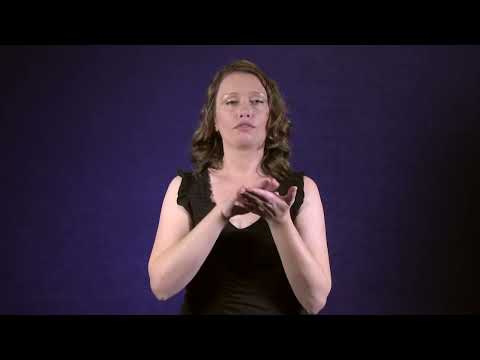
Sign for DENTAL HYGIENE in ASL | 🦷 ASL Dictionary

Definition: The practice of keeping teeth clean.

Sign for DENTAL HYGIENE in ASL

YouTube player

Practice Activities:

To start practicing the sign for dental hygiene in ASL, begin with isolated repetition. Stand in front of a mirror and sign the phrase slowly and accurately multiple times to build muscle memory. Focus on clarity, keeping handshapes and movements consistent.

Next, try incorporating the sign for dental hygiene in ASL into simple phrases like brush teeth, visit dentist, or clean mouth. Sign each phrase slowly, pairing it with facial expressions to support meaning. This helps integrate the concept into everyday vocabulary.

Build fluency by creating full sentences such as I practice dental hygiene every day or My dental hygiene routine includes flossing. Sign these sentences to yourself or a partner, paying attention to fluid transitions between signs. Ask a friend to quiz you by giving spoken phrases for you to sign.

Use flashcards with medical, body care, or health-related topics and include the sign for dental hygiene in ASL among them. Randomly pick a card and sign it, then create an explanation about its importance or connection to personal health. Example: Dental hygiene is important to prevent cavities.

For storytelling practice, create a short narrative about a trip to the dentist or a child learning how to keep their teeth clean. Include signs like toothbrush, floss, mouth, clean, and the sign for dental hygiene in ASL. Sharing stories increases retention and helps learners expand their expressive skills.

Play a game with a partner where one signs a daily routine, and the other identifies health habits like dental hygiene. For fun, mime brushing or flossing and challenge teammates to provide the corresponding ASL sign. Role-playing as a dental hygienist giving care advice can deepen familiarity with the sign through meaningful context.

Regularly rehearse in front of classmates, family, or in an ASL study group to get feedback and reinforce correct usage of the sign for dental hygiene in ASL through natural interaction.

Cultural Context:

Dental hygiene plays an important role in overall health, and the sign for dental hygiene in ASL connects the Deaf and hard-of-hearing community with crucial discussions on oral care. Knowing the sign for dental hygiene in ASL helps individuals talk about dental routines, appointments, and preventative care using American Sign Language fluently and effectively.

In Deaf culture, health education access is a priority, and being able to express terms like dental hygiene in ASL enhances autonomy in medical and wellness situations. It empowers individuals to ask questions, follow care instructions, and make informed decisions at the dentist’s office.

The sign for dental hygiene in ASL helps bridge gaps in communication during dental visits. ASL users often rely on clear, visual signs to communicate concerns, and learning how to express dental hygiene gives them the tools to advocate for their own health. Understanding this particular sign strengthens smooth interaction between Deaf clients and dental care professionals.

Discussions related to brushing, flossing, cleanings, and overall oral care require accurate ASL vocabulary. The sign for dental hygiene in ASL covers these themes to support both casual conversation and formal health consultations. Young ASL learners can also benefit by incorporating the sign for dental hygiene into early health awareness lessons at home or at school.

When the sign for dental hygiene in ASL is taught in classrooms or shared through community presentations, it helps normalize healthy oral habits within Deaf and signing communities. Visual signs that reflect real-life, everyday practices make learning more relatable and practical. As a result, ASL users can confidently approach dental care with the language tools they need.

Understanding the cultural context behind this ASL sign also means recognizing how historically, access to health education has not always been equitable for the Deaf community. By teaching and using the sign for dental hygiene in ASL, families, teachers, and interpreters are helping narrow that access gap. The ability to clearly communicate personal hygiene routines is a part of equitable healthcare for everyone.

For Deaf adults modeling habits to Deaf children, using the correct sign for dental hygiene in ASL creates a consistent health-positive environment. Whether it’s showing how to brush teeth or explaining dental visits, this sign supports strong family communication in ASL. The more this vocabulary is used daily, the more it becomes a natural and ingrained part of daily life.

Connecting the concept of dental hygiene with visual language also builds awareness in the wider hearing community. Dental professionals who learn and understand the sign for dental hygiene in ASL help make oral care services more accessible and inclusive.

Extended Definition:

The sign for dental hygiene in ASL is used to talk about activities that help maintain clean and healthy teeth and gums. It is frequently used in conversations related to brushing, flossing, and regular dental checkups. Understanding this sign is important for everyday health discussions and during visits to the dentist.

In American Sign Language, the sign for dental hygiene typically involves a brushing motion near the mouth, showing the action of cleaning teeth. Depending on context, the signs for toothbrush, floss, or cleaning may also be used to support the phrase. Non-manual markers like facial expressions help add clarity or show emphasis on routine or urgency.

Parents teaching their children about personal care often use the sign for dental hygiene in ASL to reinforce healthy routines. Teachers and healthcare professionals also use it in classrooms or wellness programs to promote the importance of oral care. This helps children connect spoken advice with visual language.

For the Deaf community, signing dental hygiene allows access to vital health education without relying on written or spoken language. Using ASL to discuss dental topics makes it easier to ask questions or understand procedures during dental visits. It empowers individuals to be proactive about their oral health .

In wellness workshops or home care settings, the sign for dental hygiene in ASL comes up when going over daily routines. It may be paired with other signs that convey good habits like bathing, hand-washing, or proper diet. This allows for a well-rounded conversation about self-care and health maintenance.

This sign can vary slightly depending on the region or signer’s personal style, but the core concept stays consistent. The brushing motion remains a strong visual cue that most ASL users understand. Practicing the sign regularly helps reinforce its meaning and usage.

When creating educational videos or ASL resources for kids, it’s important to include the sign for dental hygiene to teach real-life concepts. Signing during stories, songs, or routines assists with language development and habit formation. It’s also helpful for children who are Deaf or hard of hearing to learn about health topics alongside their peers.

Health professionals trained in ASL will use the dental hygiene sign during consultations with Deaf patients. This builds trust and ensures full understanding of instructions related to care, appointments, and prevention. It also helps explain the use of common tools like toothbrushes, floss, or mouthwash.

Incorporating the sign for dental hygiene in ASL into your vocabulary helps you talk comfortably about oral health within the Deaf and signing communities. It supports better conversations during appointments, school discussions,

Synonyms: Oral care, oral hygiene, dental care, teeth cleaning, mouth hygiene

Educational resources: Find related learning materials in our course bank!

Want more? Check out some of our popular learning activities on the homepage!

Need to look up a sign? Use our highly rated dictionary: https://aslinteractive.com/best-asl-dictionary/

Follow us on tiktok: https://www.tiktok.com/@aslinteractive. More social media links at the bottom of this page!

Long-tail Keywords: what is the sign for dental hygiene in ASL, how do you sign dental hygiene in American Sign Language, ASL sign for dental hygiene

Categories:

tags: Dental Care, Hygiene, Daily Routines, Health, Personal Care

Parameters

*Handshape*:

The handshape used in the sign for DENTAL HYGIENE in ASL involves the index finger extended while the other fingers are closed into the palm, forming the typical “1”-handshape. This mimics the motion of brushing the teeth, which is central to the concept.

In the sign for DENTAL HYGIENE in ASL, the dominant hand moves in a small circular or horizontal motion near the mouth. This handshape helps visually represent dental care and cleanliness , reinforcing the overall meaning.

*Palm Orientation*:

For the sign for DENTAL HYGIENE in ASL, the palm orientation typically faces inward toward the mouth when mimicking tooth brushing. The dominant hand, shaped like an index finger or modified “A” handshape, moves across the front teeth area in a brushing motion. This motion reflects the concept of dental care and cleanliness, central to the meaning of the sign for DENTAL HYGIENE in ASL.

*Location*:

The sign for dental hygiene in ASL is primarily located at the mouth area. The dominant hand mimics a toothbrush motion, usually sweeping in small circles or strokes along the front of the teeth to represent brushing. The location remains close to the lips or slightly in front of the mouth.

This placement visually reinforces the concept of cleanliness and health associated with teeth. The mouth is a natural focal point for the sign for dental hygiene in ASL to convey the specific meaning clearly and accurately.

*Movement*:

To show the sign for dental hygiene in ASL, begin by forming your dominant hand into a modified “X” handshape, resembling a toothbrush. Starting near your mouth, mimic a gentle brushing motion in small, circular movements along your front teeth. This motion represents the act of brushing as part of good dental hygiene.

For full clarity, you can also fingerspell “D-E-N-T-A-L” and “H-Y-G-I-E-N-E” before or after the brushing gesture. The sign for dental hygiene in ASL blends a symbolic motion with fingerspelling to convey the concept clearly. ✨

*Non-Manual Signals*:

Facial expression plays an important role when showing the sign for dental hygiene in ASL. A neutral to mildly pleasant expression is appropriate, suggesting a routine or educational context rather than discomfort or urgency. Slight head nodding may be included to emphasize the importance of maintaining regular dental care. Raised eyebrows can convey attentiveness, especially if the sign is part of a question or explanation about dental routines. The sign for dental hygiene in ASL is typically clear and deliberate, supported by steady eye contact to aid understanding.

*Prosody, Dominant/Non-Dominant Hand*:

The sign for dental hygiene in ASL uses both hands to convey the concept clearly. The dominant hand forms an extended index finger, mimicking the motion of brushing teeth in a horizontal or circular pattern. The non-dominant hand may remain relaxed or indicate the mouth area depending on the signer’s choice.

This sign for dental hygiene in ASL visually represents maintaining oral care, often incorporating facial expressions indicating cleanliness or care. It’s a practical sign used in conversations related to health or dental professions .

Tips for Beginners:

The sign for DENTAL HYGIENE in ASL often blends signs related to “teeth” and general “cleaning” or “health” concepts, depending on the context. It’s common to see a movement that mimics brushing the teeth with the index finger or a small fist, showing the action of cleaning or caring for teeth. For a more formal context, you may also see fingerspelling used, especially for “dental hygiene” as a profession. Practice both the conceptual sign and fingerspelled version to be fully prepared in real-life conversations.

Beginners should pay close attention to facial expressions and body language when signing the sign for DENTAL HYGIENE in ASL. Since this concept is abstract, your non-manual signals make the meaning clearer. Practice in front of a mirror to ensure your movements are natural, facial expressions match the concept, and your sign isn’t overly exaggerated or stiff.

Be cautious with hand orientation and movement direction. For example, brushing too fast or at the wrong angle might confuse the viewer or convey a completely different meaning. Your hand should mimic the brushing motion realistically if you’re using the conceptual version of the sign for DENTAL HYGIENE in ASL. Consistency is key, so keep your signs in the appropriate signing space and don’t move them too far from the mouth.

Fingerspelling “dental hygiene” can be useful in professional contexts. When practicing, focus on smooth, fluid transitions between letters. Avoid jerky or hesitant finger motions, as these disrupt clarity. Re-watch yourself or record your performance to identify where you might need improvement.

Use real-world contexts to practice, like discussing dental visits or health routines. The more you use the sign for DENTAL HYGIENE in ASL in daily practice, the quicker it becomes second nature. Don’t forget to get feedback from fluent signers or instructors .

Connections to Other topics:

The sign for DENTAL HYGIENE in ASL connects closely with a variety of health and self-care vocabulary, such as BRUSH-TEETH, CLEAN, and DENTIST. Often, the concept is established either through combining the signs for DENTAL or TEETH and then adding elements like CLEAN or CARE to express hygiene. This layered use of signs allows ASL users to convey nuanced ideas with clarity, depending on context.

In educational or medical settings, the sign for DENTAL HYGIENE in ASL is useful for discussing preventative care and daily routines. It ties in with other wellness-related topics like BATHING, GROOMING, and HEALTHY-LIFESTYLE. In these cases, the sign might be partnered with TIME, EVERY-DAY, or NEED to stress the importance of regular dental care .

The concept also links well with the sign for DENTIST, which may be fingerspelled or signed with a touch to the tooth area to convey the professional’s role. You’ll often see the sign for DENTAL HYGIENE in ASL used in sequences with TOOTHPASTE, FLOSS, and MOUTHWASH. Each of these terms has its own sign or fingerspelled version, expanding the learner’s vocabulary around oral care.

In daily conversations or life-skills classes, compound uses of the sign for DENTAL HYGIENE in ASL can be introduced in phrases like TEACH ABOUT DENTAL HYGIENE or CHILDREN SHOULD LEARN DENTAL HYGIENE EARLY. These practical examples make the meaning more relevant and give learners opportunities to use them in complete thoughts.

Culturally, this sign fits into discussions about accessibility to healthcare and the importance of clear communication during medical visits. Deaf patients discussing dental treatment or scheduling cleanings rely on the precise and clear use of the sign for DENTAL HYGIENE in ASL alongside other healthcare terms like APPOINTMENT and PROBLEM.

Summary:

The sign for DENTAL HYGIENE in ASL incorporates several concepts related to oral care, cleanliness, and medical professions. Usually, it is signed using a combination of the sign for “TEETH” or “TOOTH,” which involves a tapping motion on the teeth with an index finger, followed by a movement that signifies “CLEAN” or “BRUSH.” Sometimes it is expressed with a classifier motion representing a toothbrush.

ASL tends to describe concepts visually, so the sign for DENTAL HYGIENE may mimic the brushing motion across the teeth. The dominant hand is shaped like an index finger brushing across the top row of teeth, embodying the act of cleaning. This sign can vary slightly based on region and context, as there are often multiple acceptable signs for health-related concepts.

The sign for DENTAL HYGIENE in ASL is not only about literal teeth cleaning, but also conveys a broader commitment to cleanliness and wellness. The concept of hygiene in ASL often integrates modifiers or descriptors that visually depict the practice of maintaining cleanliness. Therefore, dental hygiene can also encompass more general signs for clean plus medical or teeth-related classifier handshapes.

Linguistically, this compound sign is formed through a combination strategy typical in ASL, blending two or more signs to create a unified concept. For example, in this case, the visual elements of ‘teeth’ and ‘clean’ are brought together, reinforcing how ASL leans heavily on iconicity. Iconic signs, which resemble their meaning visually, are especially common in medical or everyday routine contexts.

The structure of the sign for DENTAL HYGIENE in ASL respects normal ASL grammar, often being placed appropriately within a sentence based on time or topic-comment structure. For instance, if one were saying “I practice dental hygiene daily,” in ASL, ‘DAILY’ may come first, followed by ‘I,’ then ‘DENTAL HYGIENE.’ Grammar is organized more visually and spatially than in English.

Culturally, attention to health and wellness is becoming increasingly prominent within the Deaf community, and so signs like the one for dental hygiene carry meaningful implications. Maintaining health at home is empowering, particularly for individuals who may not always have immediate access to interpreted healthcare services. Developing fluency in health-related vocabulary helps break down barriers related to medical equity.

ASL vocabulary for medical and wellness fields has expanded in recent decades, with many new compound signs and classifiers being developed to communicate specialized terms. The sign for DENTAL HYGIENE in ASL joins a growing lexicon of wellness-related terminology. It reflects an increasing push for accessibility within public health messages that include the Deaf and hard-of-hearing communities.

Classifiers play a major role in expressing ideas related to body care and cleanliness. Classifier handshapes can indicate movement along specific parts of the body or tools used, such as mimicking the brushing motion of a toothbrush. For dental hygiene, classifiers often lend additional visual clarity by showing specific routines or methods of brushing.

In terms of applied linguistics, analyzing the sign for DENTAL HYGIENE in ASL provides insight into how Deaf people categorize and visualize health-related practices. The way the language encodes meaning is both functional and metaphorical, often anchored in metaphorical mappings between motion and concept. As a result, ASL becomes an optimal language for health education when signs are purposefully chosen for clarity.

Teachers and ASL interpreters often develop teaching materials that provide variations or context-specific renderings of signs like dental hygiene. Since there are no exact one-to-one translations for most English phrases, the instructor may demonstrate different ways of communicating the idea, such as prioritizing the brushing motion or fingerspelling D-E-N-T-A-L then signing CLEAN. This flexibility allows for adaptation to different types of learners and goals.

In medical interpreting, the accuracy and clarity of signs like the one for dental hygiene are critical. Professionals interpreting for dental appointments need to be precise, often placing emphasis on the brushing process, gums, and even flossing. As health literacy improves within the Deaf community, healthcare providers are also becoming more aware of how to communicate dental procedures visually and accessibly.

Broader themes related to the sign for DENTAL HYGIENE in ASL tie to issues of bodily autonomy and proactive health habits. The Deaf community’s embrace of such signs demonstrates a commitment to community well-being and shared values around self-care. These signs become tools of advocacy and education, particularly when they are used in public forums or health campaigns.

The sign for DENTAL HYGIENE in ASL may be additionally clarified in sentence structure with non-manual markers, especially when indicating repetition or routine. Eyebrow raises, cheek puffing, or slight nodding can coincide with signs to show intensity, frequent action, or urgency. ASL heavily relies on these markers to convey deeper layers of meaning than manual signs alone.

There are closely related signs to dental

Want more? Check out some of our popular learning activities!

ASL Interactive Resources

ASLInteractive YouTube Channel

Follow us on tiktok: @aslinteractive.com

Follow us on Instagram: aslinteractive

Facebook page: aslinteractive

Facebook group: aslinteractive

LInkedIn: ASL Interactive LLC

Twitter: @ASL_interactive

*Some information on this page is AI-generated. AI can make mistakes. Please check the information.


Responses