Sign for DESPERATE in ASL | 🙇‍♀️ ASL Dictionary

Definition: Feeling hopeless.

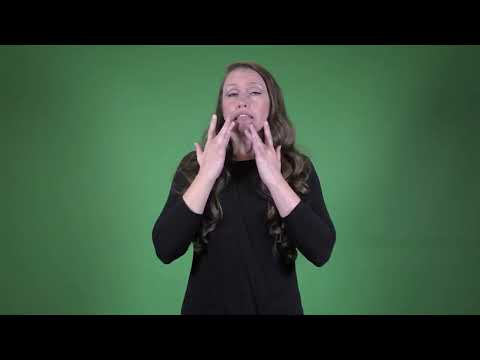
Sign for DESPERATE in ASL

YouTube player

Practice Activities:

Begin practicing the sign for DESPERATE in ASL by isolating it. Stand in front of a mirror and repeat the sign slowly, focusing on your facial expression. Since this word conveys a strong emotional tone, it’s crucial to exaggerate the urgency or hopelessness in your face to match the meaning.

Once you’re comfortable producing the sign in isolation, use the sign for DESPERATE in ASL in simple phrases. Try sentences like “I feel desperate for help” or “They were desperate to leave.” Repeat each sentence multiple times, and vary your signing speed and emotion levels to fully internalize the expression tied to the sign.

Incorporate storytelling activities to practice the sign in context. Think of a situation where someone might feel desperate, such as being lost, running out of time for a test, or trying to reach a loved one in an emergency. Sign a short story using at least three emotional signs, including the sign for DESPERATE in ASL, to enrich the narrative.

Work with a partner to create mini-dialogues that include emotional build-up toward using the sign. One person can set the scene, and the other reacts with appropriate emotional signs. Partners should give feedback on whether the facial expression matched the sign’s intensity.

Use roleplay activities to illustrate scenarios such as losing a job, trying to find food during a storm, or needing urgent medical care. Aim to use the sign for DESPERATE in ASL in different emotional tones—urgent, tearful, shocked—and compare the effects.

Finally, record yourself signing the word during casual conversation or storytelling, then watch for expressiveness and clarity. Ask yourself if a viewer could understand the emotion even without the spoken word. Reiterate these practice routines weekly to reinforce accuracy and natural fluency.

Cultural Context:

The sign for desperate in ASL conveys more than just the literal translation of the word. American Sign Language often integrates facial expression and body movement to show intensity, and this applies strongly when expressing emotional states like desperation. When someone is feeling overwhelmed or hopeless, the sign for desperate in ASL shows that depth through powerful non-manual signals.

In Deaf culture, expressing emotions visually is a natural part of communication. The sign for desperate in ASL might look slightly different depending on context, urgency, or the speaker’s intensity. Facial expression can make the sign more dramatic, reflecting the internal turmoil that comes with desperation.

It’s important to understand that learning the sign for desperate in ASL isn’t just about hand shape or movement. It’s about understanding how Deaf culture values visual storytelling. A person using this sign will often include eye gazes, body tension, and emotional intensity for the message to land with its true meaning.

Desperation in ASL conversations often appears in storytelling, personal narratives, or theatrical performances. The sign for desperate in ASL fits naturally into these expressive moments. When used in storytelling, the sign doesn’t just identify a feeling, it becomes a visual representation of struggle or need.

Deaf performers and poets in ASL often utilize signs like desperate to build raw emotional intensity in their pieces. The sign for desperate in ASL becomes part of a wider grammar that taps into the audience’s shared understanding of how emotion is shown visually. Understanding this sign can help non-signers appreciate the expressive depth ASL provides.

In daily conversation, the sign for desperate in ASL might appear in topics about relationships, money, time, or mental health. It helps people explain urgent needs or extreme emotions. It’s not uncommon to see this sign when someone wants to express emotional exhaustion or an urgent desire for change.

Regional or individual variations may apply to signs like desperate. ASL users from different parts of North America may add a slight twist in palm orientation or motion. However, the sign for desperate in ASL will still retain its visual intensity, making it recognizable across different signing communities.

For students of ASL, mastering emotions like desperate can deepen signing fluency. The sign for desperate in ASL emphasizes how ASL operates on multiple layers—manual signs, facial expressions, and body language. Practicing emotional signs like this also improves receptive skills by training your eyes to read subtle cues.

Parents, educators, and interpreters also benefit from learning the sign for desperate in ASL in contextual

Extended Definition:

The sign for desperate in ASL conveys a strong emotional state and can represent feelings of urgent need, hopelessness, or extreme frustration. In American Sign Language, emotions like desperation are communicated not just with hand movements but also with facial expressions and body posture. Proper usage of the sign for desperate in ASL involves emphasizing the intensity behind the word through expressive gestures and tone.

To sign desperate in ASL, most signers use a movement and expression that show emotional intensity. This may include signs for feelings or urgency, depending on context. Since desperation is an emotion, facial expressions are vital to clearly express your meaning. A desperate face typically appears strained or anguished, supporting the message of the hands.

ASL is a visual language where many concepts depend on context. The sign for desperate in ASL can have slightly different variations based on whether you’re talking about someone needing help, someone begging for something, or someone feeling emotionally overwhelmed. Because desperation can be both emotional and situational, the sign might be incorporated into larger sentence structures or modified with classifiers or directional signs.

If you’re using the sign for desperate in ASL during storytelling, you might pair it with related signs such as hopeless, cry, or need. These supporting signs add depth and clarity to your message. Many Deaf ASL users rely heavily on context clues, so it’s essential to match this sign with the tone and situation being described.

In everyday conversation, the sign for desperate in ASL might also be used in humorous or exaggerated ways. For example, someone might sign desperate to describe how badly they want coffee or how eagerly they’re waiting for the weekend. These usages still involve strong facial expressions but may also include exaggerated gestures to signal a more playful tone.

In more serious conversations, such as mental health dialogue or emotional support discussions, the sign for desperate in ASL is expressed with care. The emotional context determines how intensely the sign is performed. In such cases, the posture of the body—slumping shoulders, a sigh, or a sad face—adds layers of meaning that go beyond the handshape alone.

Teaching the sign for desperate in ASL should always include a focus on emotion. Encouraging students to sign in front of a mirror helps them understand how their facial expressions affect the clarity of the message. With consistent practice, it’s easier to connect the emotional tone with the manual sign.

For online videos or social media, using the sign for desperate in ASL is useful in capturing attention. Emotive ASL content tends to perform

Synonyms: Hopeless, despairing, frantic, distressed, anxious

Educational resources: Find related learning materials in our course bank!

Want more? Check out some of our popular learning activities on the homepage!

Need to look up a sign? Use our highly rated dictionary: https://aslinteractive.com/best-asl-dictionary/

Follow us on tiktok: https://www.tiktok.com/@aslinteractive. More social media links at the bottom of this page!

Long-tail Keywords: what is the sign for desperate in ASL?, how do you sign desperate in ASL?, desperate in American Sign Language

Categories:

tags: desperate in american sign language, how to sign desperate in ASL, ASL sign for desperate, learn desperate in sign language, desperate ASL meaning

Parameters

*Handshape*:

The handshape for the sign for DESPERATE in ASL typically uses the dominant hand in an open “5” or slightly curved “5” shape. The fingers are spread apart slightly, with the thumb extended out to the side. This shape allows for expressive movement, helping to convey the urgency or intensity often associated with the sign for DESPERATE in ASL.

In more expressive variations, the hand may shift slightly in configuration, but generally retains an open palm shape to enhance the emotional context. The non-dominant hand may remain still or mirror the dominant hand depending on the signer’s emphasis. The flexibility in the handshape supports the emotional tone of the sign for DESPERATE in ASL .

*Palm Orientation*:

The palm orientation for the sign for DESPERATE in ASL typically involves a dominant hand in an open or slightly curved “5” handshape, palm facing inward toward the body. The hand moves in a downward motion from the mouth, as if showing an emotional release or deep longing.

In some versions of the sign for DESPERATE in ASL, the palm may slightly twist or arc downward during movement to emphasize emotional intensity. This visual element amplifies the feeling of desperation conveyed through the sign.

*Location*:

The sign for desperate in ASL is produced near the chin or mouth area, depending on the variation being used. The hand typically starts close to the face and moves outward, reflecting a strong emotion or need.

Facial expression plays a key role in conveying intensity when signing the sign for desperate in ASL, so maintaining an earnest or urgent look is essential. This emphasizes the emotional context of the sign and supports its meaning.

*Movement*:

To show the sign for DESPERATE in ASL, start with your dominant hand in an open “5” handshape facing down. Place it in front of your mouth, palm toward your chin, and sweep it downward slightly while changing your facial expression to one of urgency, sadness, or emotional intensity.

This motion combined with a distressed facial expression emphasizes the emotional weight behind the sign for DESPERATE in ASL. The movement is subtle but meaningful, conveying deep emotional need or hopelessness.

*Non-Manual Signals*:

The non-manual signals for the sign for DESPERATE in ASL include a tense facial expression, often with tightly pressed lips or a slightly open mouth to convey emotional intensity. The eyebrows are typically drawn together, showing distress or urgency.

Eye gaze is usually fixed or slightly downward, enhancing the sense of emotional struggle. The overall facial expression supports the meaning of the sign for DESPERATE in ASL, portraying emotional vulnerability or a strong need.

*Prosody, Dominant/Non-Dominant Hand*:

The sign for DESPERATE in ASL typically uses the dominant hand in a bent “B” or claw-like shape, brushing downward along the chin or lower face, combined with a distressed or strained facial expression. The non-dominant hand is not used in most variations of this sign.

To clearly convey the sign for DESPERATE in ASL, strong emotional prosody and facial cues like tightening the mouth or furrowing the brow are essential. This emotional intensity enhances the meaning and urgency of the sign.

Tips for Beginners:

When learning the sign for DESPERATE in ASL, it’s crucial to start by observing the intensity and expression involved. This sign heavily relies on facial grammar to convey the emotional depth tied to desperation. Practice in the mirror can help ensure that your face matches the meaning—look anxious or troubled to reflect that sense of urgency.

A common mistake beginners make is focusing only on hand movement and forgetting the critical role facial expressions play. In ASL, emotion often determines the tone of a sign. Without appropriate facial expression, the sign for DESPERATE in ASL can lose its full meaning or may even be misunderstood as a different sign entirely.

Clarity in movement is another point to watch. This sign may involve a downward or clutching motion, depending on the variant or context, so be consistent once you’ve selected your form. Practice slowly and deliberately at first, making sure each part of the motion is crisp and intentional before speeding up.

Another helpful tip is to observe fluent signers use the sign for DESPERATE in ASL during conversations. Many online resources, like ASL YouTube channels or social media clips, allow you to see how the sign naturally integrates into real-life communication. This also gives you a sense of how context can slightly modify the intensity or motion of the sign.

Make time for repetition with feedback. Whether it’s from an instructor, a Deaf mentor, or a video comparison, validate that what you’re signing is accurate. Repetition builds confidence, and confidence is key to using the sign for DESPERATE in ASL correctly during conversation or storytelling.

Remember to relax and enjoy the learning process. ASL thrives on expression and context, so over time, your confidence with emotionally rich signs like this one will grow.

Connections to Other topics:

The sign for DESPERATE in ASL connects closely with emotions, particularly those involving urgency, strong need, or inner turmoil. It shares conceptual space with signs like NEED, URGENT, and HOPELESS, often used in emotionally expressive contexts. These signs can be blended depending on the conversation’s emotional intensity or nuance.

This sign also relates to mental health topics and signs that express internal experiences. For example, the signs for DEPRESSED, ANXIOUS, and FRUSTRATED may accompany or even substitute for the sign for DESPERATE in ASL, depending on how the individual describes their condition. Learners can deepen their understanding of emotional vocabulary by recognizing how such signs can appear together in storytelling or expressive signing.

In compound constructions, the sign for DESPERATE in ASL might be used along with WANT or SEARCH, especially when conveying a sense of longing or persistent effort. For instance, a sentence like “desperate to find help” could combine SEARCH with URGENT or a facial expression suggesting emotional distress. This flexibility in layering meaning is a key feature of ASL grammar and storytelling.

Facial expressions are critical for the sign for DESPERATE in ASL since the sign often relies on non-manual markers to convey the intensity of the feeling. Understanding how signers use facial tension or exaggerated movements can help clarify the context—whether desperation is mild or overwhelming. This ties into broader ASL topics such as classifiers and narrative role-shifting, where emotional scenes are acted out convincingly.

Finally, discussions about social issues often require strong emotional vocabulary. The sign for DESPERATE in ASL could be useful when signing about poverty, addiction, or personal crisis situations. Students learning ASL for advocacy or support work will benefit from knowing how and when to use this sign appropriately in real-world conversations.

Summary:

The sign for DESPERATE in ASL can vary depending on emotional intensity and context. One common way to convey this idea involves using non-manual markers to express urgency and deep emotion, alongside a modified version of the sign for NEED or STRUGGLE. Facial expression is critical, often showing distress, urgency, or overwhelming emotion, which gives weight to the overall meaning.

In terms of handshape, this sign may incorporate a strong movement of a bent handshape moving downward with intensity, suggestive of high emotional pressure. Another way the concept is expressed is by combining signs such as WANT with modifications that imply an intense or almost painful desire. This layering of signs can build the nuanced feeling that is central to the sign for DESPERATE in ASL.

The grammar usage of the sign for DESPERATE in ASL leans heavily on affective expressions rather than fixed sign configurations. ASL allows for concepts like desperation to be expressed more flexibly, relying on non-manual signals like furrowed brows, widened eyes, and shaking of the head. These elements collectively construct meaning, especially when the related signs are contextually fluid.

Culturally, desperation in the Deaf community can mirror universal emotional experiences but is communicated directly through visual and spatial storytelling. This aligns with ASL’s rich visual modality, where the intensity of an experience is often conveyed with shifts in space, speed, and sign modifications. The emotional resonance of a sign like DESPERATE can be amplified in storytelling or personal narratives, often strengthening audience connection.

When looking at the linguistic side, the sign for DESPERATE in ASL often isn’t a one-size-fits-all term. Signers may shift sign morphology or use repetition to emphasize worsening emotional states. For example, a singular downward motion may signal despair, while a repeated motion can add urgency or uncontrollability to the feeling, all shaped by the signer’s spatial fluency.

From an applied linguistics standpoint, the sign for DESPERATE in ASL brings out the dynamic interaction between gesture, lexicon, and narrative functions. Rather than limited to a dictionary definition, this sign acts as a portal to deeper meanings depending on setup and interpersonal context. Children acquiring ASL might first learn the concept through associated signs and gradually layer in nuance as their affective and narrative skills mature.

Related ASL signs include WANT, NEED, STRUGGLE, and HOPELESS. Many of these share a semantic domain but diverge when calibrated with non-manual behaviors. For example, the sign for STRUGGLE has a circular, two-handed movement that when combined with strengthened facial expression, can imply desperation, especially in situations of mental or emotional hardship.

Facial grammar plays a foundational role in expressing desperation. The same hand movements could lead to different interpretations without the appropriate intensity in the face and body. ASL is unique in this integration of sentiment and grammar, which contrasts with the more linear structure of spoken English.

In depth, the sign for DESPERATE in ASL can also be connected to themes of deep need or panic in a given scenario. During medical emergencies, job stress, or emotional breakdowns, Deaf individuals often use expansive sign spaces and intense eye gaze to represent the immensity of their need or despair. These visual strategies are tailored for clarity as well as authenticity.

When storytelling, actors or Deaf performers often embellish the sign for DESPERATE in ASL by layering it with emotional shifts. They may stretch the movement, slow it with heavy downward eyes, or flick their hands away as if losing grip. The richness of this portrayal makes ASL storytelling a powerful, emotional, and culturally rich experience.

In football huddles, school settings, or political rallies, the sign for DESPERATE in ASL might appear through gestures that press the gravity of the message. Broad shoulder movement may accompany the sign, engaging the body as more than just hands. The inclusion of entire body expression is what makes ASL unique and experiential.

The variability of the sign makes it deeply context-sensitive. What one signer sees as a sufficient representation of desperation might vary according to dialects or regions. Moreover, personal history and context fuel the interpretation and delivery of the sign for DESPERATE in ASL, making it intensely personal.

From a semantic-pragmatic view, the sign for DESPERATE in ASL relies on constructed action where the signer takes on the persona or condition of a desperate individual. Eyes flit around as if searching for help, shoulders may collapse to simulate defeat, and breathing patterns may even reflect distress—all layers that enrich comprehension.

In Deaf education, instructors may emphasize the crucial role of affect and grammar when teaching signs like DESPERATE. This builds not only linguistic competence but also emotional literacy. The ability to express strong emotions in ASL supports self-advocacy and psychological well-being within the Deaf population.

In Deaf literature, particularly in poetry and visual performance, the sign for DESPERATE in ASL is sometimes

Want more? Check out some of our popular learning activities!

ASL Interactive Resources

ASLInteractive YouTube Channel

Follow us on tiktok: @aslinteractive.com

Follow us on Instagram: aslinteractive

Facebook page: aslinteractive

Facebook group: aslinteractive

LInkedIn: ASL Interactive LLC

Twitter: @ASL_interactive

*Some information on this page is AI-generated. AI can make mistakes. Please check the information.


Responses