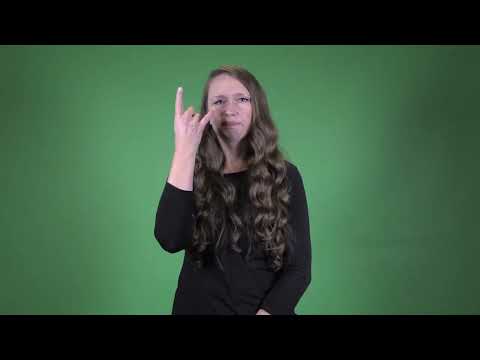
Sign for DON’T FEEL LIKE IT BORED in ASL | ASL Dictionary

Definition: Idiomatic expression meaning feeling bored and not wanting to do something.

Sign for DON’T FEEL LIKE IT BORED in ASL

YouTube player

Practice Activities:

To practice the sign for DON’T FEEL LIKE IT BORED in ASL, begin by isolating the individual components. Start in front of a mirror and sign each element—DON’T, FEEL LIKE IT, and BORED—clearly and slowly. Watch your facial expressions as you sign; they are essential for conveying the right tone and meaning. Repeat the phrase as a whole until it feels natural and fluid.

Next, incorporate the sign for DON’T FEEL LIKE IT BORED in ASL into simple sentences. For example, sign “I DON’T FEEL LIKE IT BORED watch movie,” and then try other contexts like “He DON’T FEEL LIKE IT BORED go party.” Switch out the object activity to help develop fluency. Practice slowly at first, then build up speed while maintaining clarity and expression.

Engage in a dialogue with a practice partner where one person signs a proposed activity and the other responds with the sign for DON’T FEEL LIKE IT BORED in ASL followed by a reason using ASL grammar. For instance, one partner might sign “Want clean room?” and the other might respond with “DON’T FEEL LIKE IT BORED tired.”

You can also create short visual storytelling prompts. Act out a sequence where a character is invited to several activities but consistently uses the sign for DON’T FEEL LIKE IT BORED in ASL to turn each one down. This builds expressive range and context comprehension.

Record yourself using the phrase in creative skits or vlogs describing a lazy day or weekend. Describe each rejected activity and use expressive signing to make content relatable. Include common daily events like cooking, homework, or exercise to keep the practice relevant and engaging.

Finally, try a game where random activities are drawn from a pile, and you must quickly respond with the appropriate emotional reaction, including the sign for DON’T FEEL LIKE IT BORED in ASL when fitting. Add timed responses to simulate real conversation pacing.

Cultural Context:

In Deaf culture and American Sign Language, feelings and attitudes are often expressed with a blend of facial expressions and nuanced signs. The sign for DON’T FEEL LIKE IT BORED in ASL is a powerful cultural expression that communicates not only disinterest but also emotional detachment or a sense of exhaustion. It goes beyond the simple meaning of being bored—it’s about conveying a moment when motivation disappears and you just don’t want to engage.

When a Deaf individual signs DON’T FEEL LIKE IT BORED in ASL, they are sharing more than just a mood. They are using a culturally rich and expressive way to identify with a common human experience. This phrase is especially relevant in casual or informal communication, where people talk about their energy levels, emotions, or willingness to participate in certain activities.

In the Deaf community, communication is holistic. The way objects, feelings, and ideas are expressed often calls for involvement of the whole body. Facial expressions, body posture, and movement are just as important as the handshape and motion of the sign. With the sign for DON’T FEEL LIKE IT BORED in ASL, raised eyebrows, a head shake, or a sigh might be used in context, signaling a deeper feeling of emotional or mental fatigue.

You’ll often see this sign in everyday dialogues or storytelling, especially among friends or family. For example, someone might describe a situation where they were supposed to go out or finish a task but just couldn’t muster the energy. Saying they don’t feel like it in English might not capture the same depth that DON’T FEEL LIKE IT BORED in ASL can convey through its expressive layers.

Culturally, it’s important to know that the Deaf community values clear and direct communication. Using a sign like DON’T FEEL LIKE IT BORED in ASL allows people to be open about their mental state without needing a long explanation. It respects the value of emotional honesty and recognizes that energy and motivation can ebb and flow.

The sign for DON’T FEEL LIKE IT BORED in ASL can also reflect moments of social overwhelm or sensory overload, particularly in settings that might not be Deaf-friendly. This sign provides a quick and effective way to advocate for a break or express a boundary. It adds emotional clarity in situations where words might fall short.

Sometimes, this sign may be used with humor and camaraderie. In Deaf stories or jokes, saying DON’T FEEL LIKE IT BORED in ASL might get a laugh, serve as a punchline, or help tell

Extended Definition:

The sign for don’t feel like it bored in ASL expresses a specific emotional state where someone is uninterested or unwilling to participate in something due to boredom or lack of motivation. This sign is a common expression used to communicate disinterest, especially in casual or conversational contexts among friends, family, or peers in the Deaf community.

In American Sign Language, emotions and attitudes aren’t just shown through handshapes but also through facial expressions and body movements. When signing don’t feel like it bored in ASL, the signer typically adds a negative headshake and a bored expression to enhance the meaning. The sign may involve a gesture that reflects the word feel along with an expression of annoyance or disinterest to convey the full idea.

This phrase may be used by someone declining an invitation or turning down an activity due to lack of interest. For example, if someone asks you to go out or help with something and you aren’t in the mood, you might use this sign to say you’re mentally checked out and not motivated. The emotional nuance of the sign for don’t feel like it bored in ASL helps personalize the response beyond a simple no.

The concept of boredom in ASL has its own signs, but when paired with phrases like don’t feel like it, it takes on a layered meaning that reflects both emotional and mental disconnection. Using this sign accurately requires a combination of signing fluency and expressive communication. Context also matters, as the tone and delivery may vary depending on the situation or individual.

A key part of mastering the sign for don’t feel like it bored in ASL is observing how native signers express emotion. Watching how they integrate subtle shifts in expression and energy levels brings depth to the sign. This sign is useful for everyday conversations, especially when connecting over shared experiences of routine tasks or obligations.

Students of ASL benefit from practicing this sign alongside related terms like tired, uninterested, or done to understand the emotional spectrum. Because it’s a common phrase in everyday communication, becoming fluent with it enhances a signer’s ability to express personal feelings in a natural, relatable way. It also subtly teaches ASL learners the importance of conveying attitude using more than just hand signs.

The sign for don’t feel like it bored in ASL might vary slightly across regions or communities, which is common in a living language like ASL. Understanding regional variation helps signers communicate more effectively with a wider range of people. Whether you’re learning ASL for personal, academic, or professional reasons, this phrase adds an emotional toolkit

Synonyms: uninterested, disinterested, unmotivated, apathetic, indifferent

Educational resources: Find related learning materials in our course bank!

Want more? Check out some of our popular learning activities on the homepage!

Need to look up a sign? Use our highly rated dictionary: https://aslinteractive.com/best-asl-dictionary/

Follow us on tiktok: https://www.tiktok.com/@aslinteractive. More social media links at the bottom of this page!

Long-tail Keywords: what is the sign for don’t feel like it bored in asl, how do you sign don’t feel like it bored in asl, don’t feel like it bored in american sign language interpretation

Categories:

tags: don’t feel like it in ASL, bored in ASL, how to sign don’t feel like it in ASL, American Sign Language for bored, ASL signs for emotions

Tips for Beginners:

When practicing the sign for DON’T FEEL LIKE IT BORED in ASL, it helps to break the concept into parts. This phrase requires expressing disinterest or apathy, often done by combining appropriate facial expressions with specific signs. Since ASL is a visual language, your face plays a critical role—don’t just sign the words; show the attitude behind them with your expression .

A common method is to first sign DON’T FEEL LIKE IT by furrowing your brows slightly, using an open hand brushing upward from the chest to indicate FEEL, and shaking your head while signing DON’T LIKE. Then transition smoothly into the sign for BORED by placing your index finger near your nose and twisting it with a bored, exasperated look. When doing the sign for DON’T FEEL LIKE IT BORED in ASL, attitude is everything!

Make sure your transitions aren’t too choppy. The key to flow here is intentional facial grammar. If your face doesn’t match the disinterested emotion, the meaning could be lost. One common beginner mistake is signing the words mechanically without emotion—this flattens the impact and can confuse native users.

Practice in a mirror to check if your expression matches the emotion of the sign. Film yourself and play it back—this allows you to notice if the sign for DON’T FEEL LIKE IT BORED in ASL looks authentic and connected. Work on keeping your hand movements calm but deliberate and natural, avoiding overly fast or exaggerated motions.

Lastly, try watching videos of native signers using this phrase in conversation. Pay attention to body posture as well—leaning slightly back or acting as if you’re disinterested physically adds depth. Mastering a nuanced phrase like the sign for DON’T FEEL LIKE IT BORED in ASL is all about marrying signs with sincere expression.

Connections to Other topics:

The sign for DON’T FEEL LIKE IT BORED in ASL is a nuanced phrase that merges emotional and motivational states. It combines the sign for BORED, usually expressed by twisting the index finger at the side of the nose, with a specific non-manual marker that shows disinterest or unwillingness, reflecting an internal lack of desire. This sign aligns with broader ASL concepts that express mental and emotional processes, helping learners understand how non-manual signals, facial expressions, and handshapes collectively convey mood and intent.

This particular sign also connects closely with a variety of other negative or passive emotional states in ASL, like DON’T WANT, LAZY, or TIRED. These signs similarly rely on expressive modifications and contextual clues to fully convey meaning. The sign for DON’T FEEL LIKE IT BORED in ASL is not just lexically rich but also context-sensitive, meaning how strongly or mildly it is expressed can modify its meaning—from momentary disinterest to long-term disengagement.

In conversations, the sign can appear in compound expressions like I DON’T FEEL LIKE IT, I’M BORED, or in sequences with DON’T CARE or DONE. Though each has a standalone sign, these phrases form naturally in ASL through a fluid motion of multiple concepts, guided by facial expression and pacing. For example, a person may sign BORED followed by HEAD SHAKE and a directional sign for NOT FEEL-LIKE, enhancing clarity.

The sign for DON’T FEEL LIKE IT BORED in ASL also plays a role in dialogues involving personal boundaries, such as declining activities or expressing emotional states. It serves as a soft, yet clear refusal—not because of external reasons, but due to internal feelings. Understanding this sign expands vocabulary for discussing personal agency and emotional regulation in ASL.

Summary:

The Sign for DON’T FEEL LIKE IT BORED in ASL blends emotional nuance with cultural expression. It’s a multi-part sign conveying disinterest, lack of motivation, and emotional resistance. This phrase is often used informally, but mastering it reveals how complex and expressive American Sign Language can be.

The primary way to express this concept involves a combination of signs. Typically, it begins with the sign for “NOT” or “DON’T,” followed by the sign for “FEEL,” then the gestural expression for “LIKE IT,” and finally the descriptive facial expression or sign for “BORED.”

To sign “DON’T,” place your dominant hand in an A-handshape under your chin and move it outward forcefully. This motion negates or refuses something and is foundational for expressing opposition or unwillingness.

For “FEEL,” use the middle finger of your dominant hand in an open 5-handshape. Brush it upward on your chest, beginning at the center and moving up. This gesture represents internal sensation or emotion.

The phrase “LIKE IT” tends to be contextual. Sometimes it’s signed as “LIKE” with the thumb and middle finger pulling together over the chest, symbolizing emotional connection. Other times, it is omitted because context fills in the meaning, especially in conversational ASL.

To capture “BORED,” the index finger is placed near the side of the nose, and then twisted outward and slightly down. This sign represents emotional disinterest and is often accompanied by a facial expression of annoyance or disbelief to amplify the meaning.

Combining all segments into the Sign for DON’T FEEL LIKE IT BORED in ASL requires precise timing. The facial expressions are just as important as the handshapes. Slack eyebrows, a slight eye-roll, or a twisted mouth convey tone, replacing vocal inflection in spoken English.

This phrase is crucial for conversational authenticity in ASL. It’s informal but widely used by people expressing everything from mild irritation to complete emotional detachment. For instance, a teenager may sign this to avoid a household task, or it may be used in more serious discussions addressing burnout.

Unlike English, ASL grammar places visual-emotional elements at the forefront. The Sign for DON’T FEEL LIKE IT BORED in ASL is not bound by rigid syntax but rather shaped by spatial and gestural flow. Signing this phrase requires knowledge of regional variations and community norms.

Facial grammar is essential here. With this phrase, the non-manual markers often tell half the story. Without the correct expression, the sign might come off as literal or neutral instead of dismissive or emotional.

From a linguistic perspective, this phrase shows how ASL encodes complex emotive states. It’s an example of how one signed sentence can encapsulate layers of meaning—temporal, emotional, and relational—all at once.

The Sign for DON’T FEEL LIKE IT BORED in ASL also teaches language learners about pragmatic use. That is, how meaning changes depending on social setting. The way one signs this to a friend differs significantly from how it might look in a formal context or therapeutic setting.

Culturally, this phrase reminds us how central emotional awareness is in Deaf communication. In Deaf culture, being emotionally direct is often valued. Therefore, having multiple nuanced ways to express boredom or disinterest enriches the vocabulary and creates connection.

Interpersonal dynamics are embedded in this sign. Its usage subtly indicates boundaries, self-care, or even resistance. People use this phrase to advocate for themselves when overwhelmed or uninterested, blending social cues and personal honesty.

This ties directly into applied linguistics. Educators and therapists who work with Deaf communities benefit from understanding how signs like these are used to negotiate daily stress, motivation, and mental health. The phrase becomes relevant far beyond small talk.

ASL learners often overlook the complexity of phrases like this. They might translate it word-for-word, missing emotional tones. The Sign for DON’T FEEL LIKE IT BORED in ASL offers a great example of why ASL is not just visual English but a distinct language with its own rules.

Regional variation can affect the sign. For example, some signers may omit pieces and rely heavily on face cues, while others may employ different hand movements to convey the same thought. These cultural-linguistic variables make the sign rich in diversity.

Within the Deaf community, storytelling is central, and expressing disinterest or disengagement is often dramatized. This makes the phrase extremely functional in narratives, especially humorous or allegorical stories that require emotional range.

The Sign for DON’T FEEL LIKE IT BORED in ASL connects to other emotional signs such as TIRED, FRUSTRATED, or ANNOYED. These can be paired or used alternatively depending on context. This network of emotional expression reflects a deep semantic field of mental states.

In interpretation, the phrase challenges rate and tone. Hearing interpreters must quickly understand and translate not just the words but the sentiment behind them. If missed,

Want more? Check out some of our popular learning activities!

ASL Interactive Resources

ASLInteractive YouTube Channel

Follow us on tiktok: @aslinteractive.com

Follow us on Instagram: aslinteractive

Facebook page: aslinteractive

Facebook group: aslinteractive

LInkedIn: ASL Interactive LLC

Twitter: @ASL_interactive

*Some information on this page is AI-generated. AI can make mistakes. Please check the information.


Responses