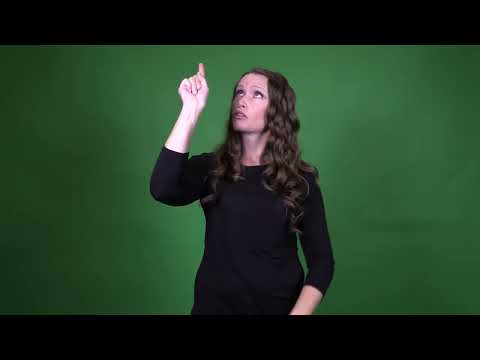
Sign for ELECTRIC SUNROOF in ASL | ASL Dictionary

Definition: A car roof that opens with electric power.

Sign for ELECTRIC SUNROOF in ASL

YouTube player

Practice Activities:

Begin by practicing the sign for ELECTRIC SUNROOF in ASL in isolation. Repeat it in front of a mirror to ensure clarity and accuracy in your handshape, movement, and facial expression. Use a phone or camera to record yourself for self-assessment, checking that both the “electric” and “sunroof” components are signed fluidly.

Next, create simple sentences using the sign for ELECTRIC SUNROOF in ASL. Try examples like: MY CAR HAVE ELECTRIC SUNROOF or I WANT BUY CAR WITH ELECTRIC SUNROOF. Gradually build more complex sentences such as: YESTERDAY I OPEN ELECTRIC SUNROOF ENJOY SUNNY WEATHER. This will help you integrate the sign smoothly into real-world contexts.

Practice narrating a short story or personal experience using the keyword phrase. Describe a road trip or memory about opening the electric sunroof on a nice day. Incorporate descriptive classifiers to show how sunlight came through or how it opened. This storytelling approach will boost fluency and comfort with the sign for ELECTRIC SUNROOF in ASL.

Pair up with another ASL learner and play a description match game. One person describes a car or driving experience using the phrase and the other guesses if the car has an electric sunroof. You can also role-play a car buyer and salesperson conversation. One person asks about car features and the other responds, using the sign for ELECTRIC SUNROOF in ASL appropriately.

Create a visual scavenger hunt where you spot different types of sunroofs in media like commercials or magazines and describe each one using signs. This real-life application builds vocabulary around vehicle features and helps reinforce the sign in relevant settings. Try choosing one day a week to incorporate vehicle-related signs into conversation practice, always bringing attention to the electric sunroof as a specific feature.

Cultural Context:

The sign for electric sunroof in ASL reflects more than just a technical feature in a car—it captures how Deaf culture adapts to modern technology. Vehicles today come with advanced features, and Deaf drivers or passengers need clear, standardized ways to talk about them in American Sign Language. Understanding the sign for electric sunroof in ASL helps bridge communication gaps about common but specific car accessories.

In the Deaf community, having access to precise signs for specific car features supports independence and clearer expression. The sign for electric sunroof in ASL allows someone to describe what’s unique about their vehicle or ask about one when buying or selling. It makes car shopping or maintenance easier and more accessible.

As car technology evolves, so does the vocabulary in ASL. Creating and sharing signs for technical terms like electric sunroof shows how dynamic the language is. The sign for electric sunroof in ASL may include a classifier that shows the motion of the sunroof opening or closing, combined with a sign for electricity or power ⚡️, keeping the meaning clear.

Visual imagery is a key part of American Sign Language. The sign for electric sunroof in ASL often relies on gestures that mimic the function of the sunroof itself. This rooted connection between motion and meaning makes it easier for the signer and the viewer to understand quickly without a spoken description.

Within Deaf culture, it is common to create new signs as new objects or ideas enter daily life. The electric sunroof is one of those features now considered standard in many cars , so having a consistent sign used across regions improves communication. It’s especially helpful during driving schools, safety workshops, or car repair discussions within Deaf communities.

Videos and online resources that include the sign for electric sunroof in ASL help spread this vocabulary to both learners and fluent signers. This creates a shared language experience and ensures that everyone is on the same page when pointing out or describing such features. Access to these signs online also reinforces ASL as a rich, evolving language.

Instructors at ASL classes often use examples like car parts and accessories to connect with real-life situations. Signing about things like electric sunroofs brings relevance to lessons and engages students. When the sign for electric sunroof in ASL is practiced in class or during everyday conversations, it becomes a practical tool, not just a word to memorize.

Deaf creators and influencers on social platforms play a big role in spreading awareness of these signs. When they demonstrate the sign for electric sunroof in AS

Extended Definition:

The sign for electric sunroof in ASL combines concepts of electricity and a movable car feature. To express this term effectively, signers typically use a compound sign that includes elements representing both “electric” and “sunroof.” This is important because ASL does not always have a one-to-one translation for specific English terms, especially for modern technological features like this one.

When describing the sign for electric sunroof in ASL, begin by indicating the concept of electricity. The common sign for “electric” is made by striking the extended index fingers of both hands together at the knuckles. This motion mimics the idea of an electric current or spark and is widely recognized in ASL to denote something powered by electricity.

Next comes representing the sunroof feature of a vehicle. Since older car parts like sunroofs may not have a standardized sign, many people rely on descriptive classifiers and iconic signs. In this case, you can show a flat hand tracing around the top of an imaginary car, then mimic the motion of sliding or opening the roof with both hands. This visual representation helps clarify that you’re referring to a sunroof and not another part of the vehicle.

The sign for electric sunroof in ASL is thus a combination of these two ideas: electricity and a movable car roof. Put together, the full concept can be signed sequentially: start with the sign for electric, then describe the sunroof action. ASL is highly visual, so using facial expressions and spatial referencing helps reinforce meaning.

Because the electric sunroof is a relatively modern feature, variations of the sign might exist depending on the signer’s region or experience. Some signers may fingerspell S-U-N-R-O-O-F after signing “electric” if their audience may not be familiar with the classifier used to represent the roof’s motion. This method ensures clarity, especially in technical discussions or car sales.

Using the sign for electric sunroof in ASL effectively requires an understanding of both ASL structure and the technology being discussed. The sign needs to clearly convey the concept of a powered vehicle feature that can open and close. By blending iconic and descriptive elements, signers can communicate this idea accurately in daily conversation or professional contexts.

Deaf communities often innovate and adapt signs for emerging technology. As vehicles include more advanced features, standardized signs may evolve for terms like electric sunroof. Until then, descriptive strategies and common ASL conventions guide how we sign newer objects and functions.

If you’re learning ASL or teaching it, demonstrating

Synonyms: electric moonroof, power sunroof, motorized sunroof, automatic sunroof, powered moonroof

Educational resources: Find related learning materials in our course bank!

Want more? Check out some of our popular learning activities on the homepage!

Need to look up a sign? Use our highly rated dictionary: https://aslinteractive.com/best-asl-dictionary/

Follow us on tiktok: https://www.tiktok.com/@aslinteractive. More social media links at the bottom of this page!

Long-tail Keywords: what is the sign for electric sunroof in ASL, how do you sign electric sunroof in ASL, learn how to sign electric sunroof in American Sign Language

Categories:

tags: transportation, car descriptions, objects, everyday activities, features

Parameters

*Handshape*:

The handshape for the sign for ELECTRIC SUNROOF in ASL uses two distinct positions. For “electric,” both hands take on the modified X-handshape (dominant X-hand taps the non-dominant X-hand at the knuckles) to indicate electricity ⚡. For “sunroof,” the flat B-handshape represents the roof, while the dominant hand moves upward to show the action of opening.

This combination accurately conveys the concept of an electronically-operated sunroof opening above. The sign for ELECTRIC SUNROOF in ASL blends the elements clearly, reflecting both the mechanical and structural features in one fluid motion.

*Palm Orientation*:

In the sign for electric sunroof in ASL, the palm orientation begins with both hands in the 5-handshape, palms facing down to represent the roof. When showing the electric part, one hand often shifts into an index finger extended, palm turned inward, mimicking a flick or electric motion against the other hand.

To complete the sign for electric sunroof in ASL, the hands then move to mimic an opening motion—palms still downward or slightly angled outward, depending on the signing angle. This represents the glass panel sliding or tilting open, typical of an electric sunroof.

*Location*:

The sign for ELECTRIC SUNROOF in ASL is produced near the forehead and slightly above the head to indicate the location of a sunroof on a vehicle. The dominant hand typically moves as if showing something opening on the roof while incorporating the motion for “electric,” which involves both hands tapping at the knuckles to imitate an electrical connection ⚡.

This placement reflects the car’s ceiling area while also emphasizing the electronic function. The sign for ELECTRIC SUNROOF in ASL uses accurate spatial referencing to clarify it’s not a standard roof, but an electric one found on vehicles.

*Movement*:

To show the sign for ELECTRIC SUNROOF in ASL, first portray “electric” by tapping the knuckles of both bent index fingers together a couple of times—this represents an electric current ⚡. Then, for “sunroof,” place your dominant flat hand palm down above your head, as if indicating a car roof, and slide it back slowly to mimic the motion of a sunroof opening. The sign for ELECTRIC SUNROOF in ASL combines both ideas in a natural, sequential motion.

*Non-Manual Signals*:

When demonstrating the sign for electric sunroof in ASL, adopt a neutral or slightly inquisitive facial expression. Raise the eyebrows slightly to indicate specificity, especially if clarifying the difference between manual and electric. A subtle head tilt upward mimics the idea of the sunroof opening overhead ☀️.

Mouth movements may include mouthing “sunroof” softly to support comprehension. Maintain focused eye gaze on the hand movement that represents the opening motion. These non-manual cues help emphasize the mechanics behind the sign for electric sunroof in ASL.

*Prosody, Dominant/Non-Dominant Hand*:

The sign for electric sunroof in ASL combines the elements of “electric” and “sunroof” through a sequence of movements. Use the dominant hand in a bent index finger shape to tap against the bent index of the non-dominant hand to represent “electric”. Then, mimic a sliding upward motion above the head with both hands flat, showing the sunroof opening.

In the sign for electric sunroof in ASL, the dominant hand typically initiates the movement, especially for the electrical component, and leads the handshape change for the sunroof motion. Maintain facial expressions that reflect the function of the object, such as focus or motion. Always keep both hands active when illustrating the sunroof portion for clarity.

Tips for Beginners:

When learning the sign for ELECTRIC SUNROOF in ASL, it’s helpful to break it down into two key concepts: ELECTRIC and SUNROOF. Start by fingerspelling “ELECTRIC” if no standard sign is used in your variation. Alternatively, use the common sign for ELECTRIC which involves both index fingers bent and tapping together representing an electric current. Make sure your hand positioning and motion are clean and quick.

For “SUNROOF,” it may not have a dedicated sign, so use a descriptive method. Begin by signing SUN, then describe the movement or shape of how a sunroof opens on a car. A curved motion above the head or a sliding motion may clearly represent a rooftop opening. If needed, fingerspell SUNROOF and then follow with the classifier that mimics the opening mechanism.

One helpful tip is to practice combining both signs smoothly when doing the sign for ELECTRIC SUNROOF in ASL. Be aware of your facial expressions so that they match the context, especially if you are illustrating function or describing a feature of the car. Use space above your head to indicate the placement of the sunroof relative to the car body.

Beginners might struggle with the compound nature of terms like this. Focus on making each element clear: don’t rush from ELECTRIC to SUNROOF. Pause slightly to give your viewer the chance to process each part. Repetition will help with flow and grammar understanding.

Practicing with videos of native signers using the sign for ELECTRIC SUNROOF in ASL in full ASL sentences can help develop natural rhythm. Record and watch yourself to catch unclear movements. Stay patient and ask Deaf signers or fluent interpreters for feedback when possible. Keeping your signs accurate and expressive will help real-world communication .

Connections to Other topics:

The sign for ELECTRIC SUNROOF in ASL connects closely with signs for CAR, ROOF, and ELECTRICITY. It often combines concepts from these individual signs in a compound structure, showing an understanding of both the object’s function and its mechanical nature. The use of classifiers to show the opening and closing motion of a sunroof is also related to how ASL describes other moving parts of a vehicle.

This sign also connects thematically with other car-related technology signs like ELECTRIC WINDOW, SUNSHADE, or GPS. These signs share similar features such as directional verbs, classifier use, or depiction of mechanical movement. The sign for ELECTRIC typically uses a flicking motion between index fingers to indicate a spark, a pattern repeated in signs for modern appliances or transportation technology.

Learners who understand the sign for ELECTRIC SUNROOF in ASL can apply similar strategies when learning signs for other electric or mechanical components. For instance, once familiar with showing the motion of a roof opening, learners can easily adapt it to describe convertible tops or sliding van doors. These structural similarities help build a mental library of visual grammar in ASL.

The sign also sheds light on how ASL handles compound nouns. By merging distinct concepts like ELECTRIC and SUNROOF, the signer communicates a complete idea efficiently. This method is used in other compound signs such as EMAIL ACCOUNT or AIRPLANE SEAT, where existing signs are modified or sequenced to form new meaning.

Understanding the sign for ELECTRIC SUNROOF in ASL enhances a signer’s ability to describe modern technology, especially in conversations about vehicles, travel, or convenience features. It encourages learners to think dynamically about space, movement, and interactions between objects—which are key strengths of ASL.

Summary:

The sign for ELECTRIC SUNROOF in ASL integrates two core concepts: electricity and an opening roof, typically found in vehicles. This compound term is usually signed by combining the signs for ELECTRIC and SUNROOF, with careful attention to spatial orientation to reflect the actual function.

To sign ELECTRIC, the dominant hand usually forms the extended middle finger (or X-hand), and both hands tap fingertips together to mimic the idea of an electric current. This sign conveys concepts around electricity, energy, and power, making it ideal for the first part of the compound term.

The SUNROOF portion is more conceptual, as the sign for SUN is often paired with a movement that mimics something sliding or lifting upwards from a flat surface, indicating an opening in a car roof. Signers may use a flat hand above the head to reference the vehicle and then show a sliding motion to represent the sunroof mechanism.

Because the sunroof is a relatively modern automotive feature, the sign for ELECTRIC SUNROOF in ASL relies on classifiers and constructed action to effectively communicate. Classifier “B” hands may represent the roof of a car, with one hand moving to illustrate the panel sliding open electrically.

This layered signing allows for both contextual and embodied meaning, which is essential when interpreting technological or mechanical items. Users often adapt the sign dynamically depending on the car model, mechanism, or direction of movement.

Culturally, the increased use of signs like ELECTRIC SUNROOF in ASL reflects contemporary discourse within Deaf communities about modern technology. As vehicle features evolve, new signs or adaptations within ASL are organically created, showing the language’s flexibility and communal adaptability.

The sign for ELECTRIC SUNROOF in ASL illustrates the language’s strength in visual description. Instead of needing dozens of words, a signer can convey a complex machine part with efficient spatial-temporal hand movements.

Grammatically, this compound is usually signed in subject-verb-object sequence, often with non-manual signals if providing further information, such as the movement being automatic. Raised eyebrows or slight head tilts may indicate a yes/no question about whether a car includes this feature.

Linguistically, this example showcases the minimal-pair differences between signs like ELECTRIC and BATTERY (both using similar handshapes but differing in contact and motion), emphasizing the precision necessary in ASL. That precision ensures the meaning stays clear when discussing modern conveniences.

Historically, features like sunroofs began appearing widely in cars during the late 20th century, and signs for them had to be developed within the Deaf community. As a result, the sign for ELECTRIC SUNROOF in ASL may vary slightly based on regional dialects or generational language norms.

Applied linguistics can help explain how users learn or teach such signs, especially in interpreter training programs. An interpreter may need to use visual aids or prompts when introducing terms like ELECTRIC SUNROOF to newer signers or second-language learners.

Language evolution happens naturally in ASL, particularly with technological terms. Signs like ELECTRIC SUNROOF are prime examples of how new vocabulary is shaped, negotiated, and gradually agreed upon across platforms from vlogs to classrooms to live conversations.

ASL classifiers play a vital role in depicting the physical shape, size, and motion of the sunroof mechanism. This is particularly useful when differentiating between standard sunroofs, panoramic sunroofs, or convertible features.

The classifier use also connects to broader themes in ASL that emphasize spatial grammar. Users can position their hands to mimic the car’s roof and manipulate that space to reflect movement, enhancing overall clarity.

The sign for ELECTRIC SUNROOF in ASL may include fingerspelling if the audience is unfamiliar with the lexicalized combination of the two components. Particularly in teaching or interpreting, signers might fingerspell S-U-N-R-O-O-F before transitioning into a more fluid classifier-based description.

In bilingual conversations, such as between a Deaf ASL user and a hearing interpreter, accurate conveyance of technology terms like ELECTRIC SUNROOF is crucial. Any ambiguity can mislead the message or distract from the overall conversation topic.

From a semantic point of view, the sunroof functions as both a luxury and a utility. Thus, the ASL expression often includes affective facial expressions or contextual framing—such as indicating wind, brightness, or luxury—to amplify clarity.

ASL is inherently connected to visualization, making it ideal for describing mechanical concepts. The sign for ELECTRIC SUNROOF in ASL brings together multiple forms of representation: symbolic (ELECTRIC), iconic (SUN), and spatial (ROOF movement).

This combination serves as a rich example of how ASL can blend lexical signs with diagrammatic space organization. Signers choreograph information across their bodies and the signing space to simulate real-world operation.

The increasing relevance of automotive technology within ASL communities also ties into accessibility. Knowing how to communicate about vehicle features empowers Deaf individuals in car shopping

Want more? Check out some of our popular learning activities!

ASL Interactive Resources

ASLInteractive YouTube Channel

Follow us on tiktok: @aslinteractive.com

Follow us on Instagram: aslinteractive

Facebook page: aslinteractive

Facebook group: aslinteractive

LInkedIn: ASL Interactive LLC

Twitter: @ASL_interactive

*Some information on this page is AI-generated. AI can make mistakes. Please check the information.


Responses