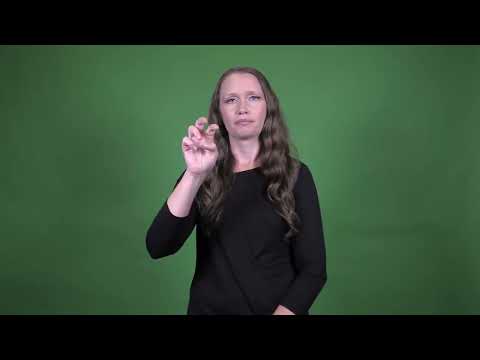
Sign for EMERALD CITY in ASL | ️ ASL Dictionary

Definition: A fictional place in The Wizard of Oz.

Sign for EMERALD CITY in ASL

YouTube player

Practice Activities:

To practice the sign for EMERALD CITY in ASL, begin by isolating each component. Practice fingerspelling “EMERALD” clearly and smoothly, paying attention to the handshape of each letter. Then practice the sign for “CITY,” often represented using both flat hands forming a roof shape and moving in a circular motion. Repeat combining the fingerspelled component with the sign for city to improve fluidity and clarity.

Try creating sentences about the fictional location using the full sign for EMERALD CITY in ASL. Examples include: “I want to visit EMERALD CITY,” or “DOROTHY traveled to EMERALD CITY.” Practice these sentences in front of a mirror to observe facial expressions and flow. Pair with a practice partner and alternate giving and interpreting sentences related to the Wizard of Oz storyline.

Use storytelling prompts to enhance your expressive skills. For example, retell a portion of The Wizard of Oz focusing on the journey to EMERALD CITY. Include other relevant signs like WITCH, LION, ROAD, and MAGIC to build a more complete narrative. Record your story and review it to evaluate clarity and visual grammar.

Role-play activities are also helpful. One partner can pretend to be a guide in EMERALD CITY and give directions while the other follows along or asks questions. Focus on location-based vocabulary like building, road, and gate to complement use of the sign for EMERALD CITY in ASL.

Flashcards are another effective tool. Randomly draw vocabulary related to magical cities, gemstones, or fantasy settings, and incorporate the sign for EMERALD CITY in ASL within a sentence. Practicing in both structured and imaginative contexts ensures the sign becomes natural and expressive over time.

Add expressive features like widened eyes or a dramatic hand movement to convey the awe or magic associated with the concept of EMERALD CITY. These non-manual signals enhance the meaning and visual storytelling effect, especially in ASL.

Cultural Context:

The sign for EMERALD CITY in ASL holds cultural significance rooted in both visual storytelling and literary references. Often associated with The Wizard of Oz, Emerald City represents a magical place of wonder, imagination, and adventure. In American Sign Language, the sign for EMERALD CITY in ASL captures both the visual brilliance of emeralds and the concept of a fantastical destination .

Emerald City has become a symbol of dreams and hopes, often representing a goal or ideal place in metaphorical contexts. Interpreters and ASL users may use the sign for EMERALD CITY in ASL when discussing literature, movies, or even metaphorical journeys in both casual and academic conversations. It’s more than a place—it’s a sign that taps into deep cultural associations.

The sign for EMERALD CITY in ASL often draws from descriptive signs focused on color and place. Using signs that reference green (like the gem emerald) and a city concept, ASL users visually build this symbolic location. Like many cultural references, the combination of signs paints a picture that speaks directly to the imagination ️.

In educational settings, the sign for EMERALD CITY in ASL may come up during discussions about classic films, novels, or when exploring symbolic language. Teachers and interpreters can use this sign to help students connect language with imagery, storytelling, and symbolism. The connection to pop culture makes it a memorable sign in ASL vocabulary.

Deaf communities often draw from popular media for regional or shared signs, and the sign for EMERALD CITY in ASL is a good example of how a fictional place becomes part of everyday language. It may differ slightly in execution depending on region or age group, but the essence remains connected to the idea of a sparkling, mythical city filled with wonder and possibility .

Because the Emerald City represents a significant location in The Wizard of Oz, the sign for EMERALD CITY in ASL taps into collective memories of that story. It may be used by performers, educators, or storytellers in Deaf art and theater as a way to invoke emotion and magic. The visual quality of ASL adds extra power to conveying places like Emerald City.

ASL often evolves to include signs for fictional locations, and the sign for EMERALD CITY in ASL is part of that evolution. Its sign structure expresses the concept clearly to those familiar with both ASL and the cultural background of the word. It brings together language and story in one smooth motion

Extended Definition:

The sign for EMERALD CITY in ASL refers specifically to the fictional city featured in the Wizard of Oz and various adaptations of that iconic story. When talking about the sign for EMERALD CITY in ASL, context is important, as it helps differentiate it from general signs for cities or gems. In American Sign Language, signs for specific places often blend iconic imagery or handshape strategies to express unique cultural or visual references.

Because Emerald City is known for being magical and sparkling, the ASL version of this sign typically incorporates visual elements that convey brightness and grandeur. The sign might begin with a general sign for city, followed by an enriched sign for emerald using a twisting or sparkling motion to suggest something precious or gleaming. If used in discussion about the Wizard of Oz, facial expressions may be more dramatic to portray the wonder associated with entering Emerald City.

When learning the sign for EMERALD CITY in ASL, remember that regional variations might exist. Some communities may sign it differently based on storytelling traditions. Classifiers and indexing can also help clarify that you’re referring to the Emerald City from Oz rather than just a green place or gemstone.

Teachers, interpreters, and ASL learners often use the sign for EMERALD CITY in ASL while working with literature, film, or theater that references the Wizard of Oz. This sign shows up often in stories, classroom settings, or interpreted plays, especially those exploring fantasy themes or classic American storytelling. Its unique visual features can make it fun and expressive to sign.

Signing place names like this brings a flavor of creativity to American Sign Language. Many ASL lexicons grow over time as communities decide together how to capture iconic names. The sign for EMERALD CITY in ASL is one such example where visual language truly shines.

ASL often embraces classifiers and descriptive elements to enhance the meaning behind place-based signs. This is especially true for fictional or magical locations, where the visual aspect of signing plays a powerful storytelling role. Signing EMERALD CITY often involves framing the cityscape using hands while adding movement or sparkle, helping to evoke its mystical qualities.

Some ASL users might combine a sign for green or gem with the sign for city, depending on skill level or familiarity. Bilingual and bicultural users may also code-switch between fingerspelling and conceptual signs, especially if looking for clarity in multi-language environments. Understanding the context makes these variations easier to follow.

Using the sign for EMERALD CITY in ASL can be especially

Synonyms: The Emerald City, Green Metropolis, The Shimmering City, Emerald Capital, Emerald Metropolis

Educational resources: Find related learning materials in our course bank!

Want more? Check out some of our popular learning activities on the homepage!

Need to look up a sign? Use our highly rated dictionary: https://aslinteractive.com/best-asl-dictionary/

Follow us on tiktok: https://www.tiktok.com/@aslinteractive. More social media links at the bottom of this page!

Long-tail Keywords: what is the sign for Emerald City in ASL, how do you sign Emerald City in ASL, ASL sign for Emerald City

Categories:

tags: Emerald City in American Sign Language, Emerald City ASL sign, how to sign Emerald City in ASL, ASL for Emerald City, Emerald City meaning in ASL

Parameters

*Handshape*:

The handshape for the Sign for EMERALD CITY in ASL typically involves using the manual alphabet to fingerspell both “EMERALD” and “CITY.” This means forming each letter distinctly with clear transitions between handshapes. For “CITY,” you may also incorporate the common sign involving the tips of flattened “O” or “closed 5” handshapes touching at the fingertips and then moving outward in opposite directions to suggest the spread of a city ️.

Since the Sign for EMERALD CITY in ASL is fingerspelled, accuracy in each handshape is crucial. Pay close attention to proper orientation and spacing to ensure clarity and readability when signing in a conversational setting.

*Palm Orientation*:

The palm orientation for the sign for EMERALD CITY in ASL begins with both hands forming the letter “E” from the ASL alphabet. The palms generally face outward or slightly diagonal, depending on stylistic variation, as the hands shimmer or twist to represent the sparkling gemstone quality of emerald.

When transitioning to the sign for “CITY,” the palms of flat hands face each other and alternate as if outlining the tops of buildings. This movement gives the impression of an urban skyline, completing the distinctive sign for EMERALD CITY in ASL .

*Location*:

The sign for EMERALD CITY in ASL typically begins in the neutral space in front of the torso. Both hands stay within the area slightly below the shoulders and are comfortably in front of the chest. This placement allows visibility and clarity when transitioning between signs for “emerald” and “city.”

When signing the sign for EMERALD CITY in ASL, the fingerspelling of “emerald” occurs near chest level, followed immediately by the sign for “city,” which also stays in the same frontal chest area. This consistent location helps maintain the natural flow of the phrase.

*Movement*:

To produce the sign for EMERALD CITY in ASL, begin by fingerspelling E-M-E-R-A-L-D clearly using your dominant hand in front of your chest. Next, transition smoothly into the sign for CITY by bringing both hands into the 5-handshape, touching the fingertips together at an angle to form a roof-like shape, and then moving them slightly apart in a zigzag or forward motion to represent city structures ️.

The sign for EMERALD CITY in ASL typically combines the distinct fingerspelling of “emerald” with the iconic representation of a city. Maintain a moderate pace to ensure clarity, especially when fingerspelling. This keeps the full meaning of the sign recognizable within fluent conversation.

*Non-Manual Signals*:

When producing the sign for EMERALD CITY in ASL, use a slightly raised eyebrow expression to indicate a specific name or place. Maintain a neutral or pleasant facial expression, as this often aligns with naming locations, especially fictional or fantasy destinations like EMERALD CITY ️.

The sign for EMERALD CITY in ASL may also include a mouth morpheme such as “oo” to emphasize the wonder or uniqueness of the place. Proper eye gaze toward the location being established in space helps reinforce the visual context.

*Prosody, Dominant/Non-Dominant Hand*:

For the sign for EMERALD CITY in ASL, the dominant hand typically forms a “C” handshape to represent CITY, while EMERALD is often fingerspelled or adapted with signs associated with gemstones or green, depending on context. The non-dominant hand remains supportive or neutral, depending on the selected variation. ✨

Using proper prosody, the movement for CITY flows in a small arc outward from the body, while EMERALD—if fingerspelled—is done clearly and smoothly with emphasis on expression. This helps capture the unique feel of the sign for EMERALD CITY in ASL.

Tips for Beginners:

When learning the sign for EMERALD CITY in ASL, remember that this phrase typically combines two separate elements: the fingerspelled word EMERALD and the signed concept for CITY. Since EMERALD is fingerspelled, clear and fluid hand movements are essential. Practice the fingerspelling slowly at first, building muscle memory for each letter: E-M-E-R-A-L-D. Use steady speed to avoid chopping between letters.

Make sure your hand is positioned at shoulder height and slightly away from the body when spelling EMERALD. Keep your palm facing slightly outward, but readable to your conversation partner. Avoid bouncing or jerking each letter—it can be distracting and make the fingerspelling hard to understand. Try practicing in front of a mirror or recording yourself to check for consistency and clarity.

For CITY, you will make the standard sign by placing your hands palm-to-palm and brushing the fingertips of one hand against the other while moving in a slight arc outward. This visualizes buildings and an urban landscape. Keep the movements clean and not exaggerated—precision helps in recognizing the sign clearly.

One common challenge when signing EMERALD CITY in ASL is transitioning smoothly between the fingerspelling and CITY. Pause slightly after finishing the last letter of EMERALD before starting the CITY sign. That subtle break helps signal that one part is complete and another is beginning.

To improve, watch fluent signers and note the pace and flow. Don’t rush—speed comes with time and confidence. Also, remember facial expressions and body orientation enhance meaning in ASL. A slight brightened facial expression can help convey whimsical or fictional places like Emerald City from “The Wizard of Oz.”

The sign for EMERALD CITY in ASL can vary depending on context, so watch for regional or contextual signs among Deaf communities and adapt when needed. Practice often and get feedback from native signers when possible.

Connections to Other topics:

The sign for EMERALD CITY in ASL is deeply tied to both proper nouns and established classifiers used in ASL storytelling. Since EMERALD CITY refers to a prominent location from “The Wizard of Oz,” its sign often incorporates signs for “emerald” (green + jewel or gem) and “city.” This compound nature highlights how ASL combines distinct yet meaningful elements to form a cohesive concept.

Understanding the sign for EMERALD CITY in ASL connects to how compound signs work in discussing geographical and fictional locations. Similar constructions appear with signs like NEW YORK CITY or ATLANTIS, where a general category sign such as CITY or PLACE is combined with a descriptive element. This pattern helps learners grasp how specific places, both real and fictional, are signed clearly and expressively.

The descriptive aspect of EMERALD CITY may utilize color signs such as GREEN paired with CITY, showing how modifiers can add meaning. This idea can be extended to other places like RED SEA or BLACK FOREST. These combinations underscore the modular nature of ASL and reinforce how meaning is built through visual components.

In dialogue or storytelling, the sign for EMERALD CITY in ASL may also use spatial referencing. A signer might locate the “city” in space and refer back to it, similar to how pronouns work in narrative. This helps develop coherent stories and keeps track of multiple elements or characters from a location like Emerald City.

The sign teaches important principles of classifier usage, proper noun treatment, and expressive storytelling. Learners who study the sign for EMERALD CITY in ASL also gain insight into how ASL handles abstract ideas and fantasy worlds. This skill is valuable when interpreting or adapting stories, films, and literature into ASL performances.

Overall, the sign for EMERALD CITY in ASL opens the door to understanding compound structure, narrative structure, and spatial mapping in a uniquely visual language .

Summary:

The sign for EMERALD CITY in ASL is a beautifully constructed term that blends both literal and cultural components. As a proper noun, it references the iconic mythical city in “The Wizard of Oz” and also serves as a nickname for the real-life city of Seattle. The sign reflects both the fantasy roots and the colloquial interpretation unique to American English.

To sign EMERALD, begin by using the sign for GREEN, typically made with a dominant “G” handshape shaken slightly near the lower face or chest region. This handshape and motion are commonly associated with the color spectrum in ASL. Because emerald is a vivid green gemstone, the color-based sign serves as a linguistic anchor.

To add clarity or specificity, signers sometimes use a classifier or descriptive technique to mimic the glimmering essence of gemstones. This is not standardized, but very effective when distinguishing between types of stones like jade, emerald, or sapphire. It elevates the visual storytelling aspect of ASL.

CITY is typically signed using flat “B” handshapes from both hands. These hands touch at the fingertips and then twist as they separate, mimicking the concept of urban development, blocks, or grids. This motion is fluid yet structured, embodying the concept of a populated, civic space.

When combining the two elements for the sign for EMERALD CITY in ASL, signers usually start with GREEN transferred into EMERALD through context or embellishment, followed by CITY clearly and smoothly. Sometimes signers will fingerspell EMERALD and then proceed with the sign for CITY to emphasize specificity or to clarify the mythical or Seattle-based reference. Context drives which version is preferred.

The linguistic flexibility of the sign for EMERALD CITY in ASL highlights the language’s adaptability. Whether referring to fantasy or reality, ASL accommodates nuance by layering established signs with either descriptive classifier constructs or fingerspelling. This is emblematic of how ASL blends morphology and syntax in spatially rich ways.

Culturally, the sign holds deep layers. In reference to “The Wizard of Oz,” EMERALD CITY conjures imagery of a dazzling, idealized location representing dreams and self-discovery. In this context, ASL users might embellish the sign with facial expressions to convey wonder, awe, or anticipation, bringing performativity into the language use.

When referring to Seattle, the sign for EMERALD CITY in ASL connects to the nickname rooted in the city’s lush green landscape and evergreen identity. Here, fingerspelling EMERALD followed by CITY often offers clear referential accuracy, especially when speaking with an audience unfamiliar with symbolic nicknames.

Syntax-wise, EMERALD CITY behaves grammatically as a proper place noun. It can serve as the subject, object, or part of a prepositional phrase depending on conversational context. Its placement is critical in signing space, especially if referenced again within discourse. This makes use of ASL’s spatial referencing tools, pointing to the classifier zone or signing locus labeled EMERALD CITY.

In literature, film, and colloquial expression, EMERALD CITY serves as a metaphor for idealism, authority, or escapism. In ASL narratives, mention of the sign for EMERALD CITY in ASL may feature heavy nonmanual signals like widened eyes, mouth movements, and shifting posture to underscore the magical or symbolic attributes implied by the phrase.

The cinematic influence also shapes the sign. Because “The Wizard of Oz” is such a visual story, its path and locations—like EMERALD CITY—have naturally lent themselves to descriptive storytelling techniques used in ASL discourse. Storytellers commonly paint rich visual metaphors and sequences in the signing space using both symbolic environment and physical expression.

The sign also triggers associations requiring context-sensitive modifications. For example, in a pop culture discussion compared to a geographical reference, the emphasis shifts from fantasy to realism. ASL’s capacity for facial grammar and role-shifting adds finesse when conveying the mood or emotional layer behind the reference.

Fingerspelling remains a vital strategy and is often employed in educational contexts. Teaching the sign for EMERALD CITY in ASL can begin with spelling out E-M-E-R-A-L-D, then demonstrating CITY. As learners develop fluency, more natural and expressive combinations emerge, especially if cultural knowledge is incorporated into the instruction.

The semantic layering of the sign for EMERALD CITY in ASL demonstrates how visual modality encapsulates both symbolic and literal dimensions. This is particularly effective in storytelling, whether interpreting classic literature or sharing personal travel experiences. Blending the color green with the urban designation of CITY yields a unique compound that speaks across cultures and contexts.

From a morphophonemic perspective, the sign combines two visually and conceptually distinct elements: color and location. When produced fluidly, the transition between these signs can include a slight pause or eyebrow raise to emphasize the compound nature, especially useful in formal presentations or storytelling contexts where clarity is crucial.

Phon

Want more? Check out some of our popular learning activities!

ASL Interactive Resources

ASLInteractive YouTube Channel

Follow us on tiktok: @aslinteractive.com

Follow us on Instagram: aslinteractive

Facebook page: aslinteractive

Facebook group: aslinteractive

LInkedIn: ASL Interactive LLC

Twitter: @ASL_interactive

*Some information on this page is AI-generated. AI can make mistakes. Please check the information.


Responses