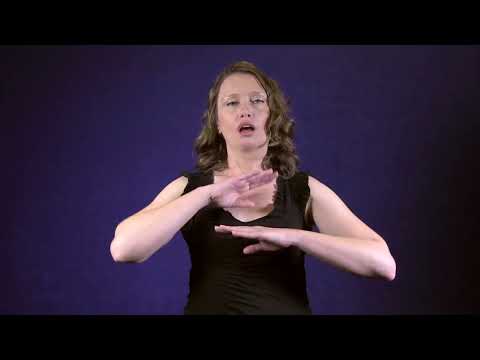
Sign for FEEL RELIEVED in ASL | ASL Dictionary

Definition: To feel relieved.

Sign for FEEL RELIEVED in ASL

YouTube player

Practice Activities:

To build fluency with the sign for FEEL RELIEVED in ASL, begin by practicing the sign in isolation. Stand in front of a mirror and repeat the sign 10–15 times, focusing on facial expression. Since the emotion of relief is tied to body language and facial cues, make sure your expression shows a sense of calm and the release of tension. Try this right after taking a deep breath to connect the sign physically with the sensation of relief.

Next, place the sign in short phrases or context. Sign sentences like “I FEEL RELIEVED” or “YOU PASS TEST, FEEL RELIEVED.” Practice these with natural pacing and clear transitions between signs. Record yourself and check if your non-manual markers match the relaxed feeling of relief.

Create a list of situations that might lead to feeling relieved, such as finishing homework, finding lost keys, or arriving home safely after a long trip. Then, tell a short story using three or four signs around that moment, incorporating the sign for FEEL RELIEVED in ASL. Example: “I LOSE WALLET. LOOK ALL OVER. FIND WALLET—FEEL RELIEVED.” Use role shift and storytelling techniques to make it more expressive.

For partner practice, one person signs a scenario using a few descriptive signs, and the other responds with the sign for FEEL RELIEVED in ASL if it fits the situation. Take turns and expand into longer dialogues.

Lastly, use flashcards with emotional words and match them to facial expressions, including “relieved.” This helps build awareness of the emotional range in ASL. Combine the sign for FEEL RELIEVED in ASL with other relevant emotions like “WORRIED” or “SCARED” to compare contrasts and reinforce understanding through comparison.

Cultural Context:

In American Sign Language, emotion-based signs like the sign for feel relieved in ASL connect deeply with Deaf culture. Emotions aren’t just spoken or written—they are expressed fully through facial expressions, body language, and deliberate hand movements. The sign for feel relieved in ASL reflects this rich visual storytelling tradition, where physical cues carry as much meaning as words.

Deaf culture values authenticity and clarity, especially when communicating personal feelings or emotional reactions. The sign for feel relieved in ASL allows signers to express a moment of release or calm after stress, tension, or fear. It’s a commonly used expression in daily conversations, whether you’re talking about passing a test, resolving a conflict, or hearing good news.

The sign for feel relieved in ASL often incorporates a sigh or subtle body shift to emphasize the emotional change. These non-manual signals are essential in ASL, making signs like this one powerful tools for expressing internal states. In Deaf storytelling or everyday interactions, emotional signs like this help convey meaning with nuance and emotional depth.

Culturally, the visual and expressive nature of ASL makes it especially well-suited for capturing complex emotional experiences. Communicating relief requires more than a simple handshape—it calls for facial expressions and body movements that show the emotional transition. The sign for feel relieved in ASL is commonly seen in moments of empathy, camaraderie, and emotional support within the Deaf community.

This sign, like many in ASL, is taught early in Deaf education as part of emotional vocabulary. Teaching the sign for feel relieved in ASL helps children identify and share their feelings, encouraging social and emotional development. It becomes a vital part of expressing emotions in both casual and formal conversations.

In the Deaf community, signing emotions accurately is a way of expressing honesty and connection. Using the sign for feel relieved in ASL is more than just labeling a feeling—it’s a shared experience that helps build mutual understanding. Whether during a personal conversation or in group settings, this sign creates a bridge of empathy.

American Sign Language places a strong emphasis on visibility and presence. That makes signs like feel relieved in ASL so effective—they visually capture the mood and invite others to connect with your emotional state. This fosters deeper communication, especially in moments when words fall short or feelings are overwhelming.

Even in ASL literature and performance, the sign for feel relieved in ASL appears frequently in poetry and visual vernacular. It serves as a storytelling element that adds emotional realism and connection. ASL users often

Extended Definition:

The sign for FEEL RELIEVED in ASL expresses the emotional release or physical comfort someone experiences after a stressful situation is resolved. It captures the sense of a burden being lifted, a moment of calm following worry, fear, or anxiety. This sign is often used when someone feels at ease after receiving good news or when tension is resolved.

To produce the sign for FEEL RELIEVED in ASL, both hands are used in a specific, smooth motion. The dominant hand starts around the chest and slides downward slightly while both palms face down. This gesture reflects the sensation of something heavy easing away, symbolizing emotional relief.

Facial expression plays an important role when signing FEEL RELIEVED in ASL. A relaxed brow, gentle smile, and an overall calm demeanor reinforce the word’s emotional context. These non-manual markers are essential in conveying sincerity and adding depth to the sign.

You can use the sign for FEEL RELIEVED in ASL in many everyday situations. It can follow moments of anxiety, such as finally getting test results or hearing a loved one is safe. In conversation, it helps express empathy, understanding, or shared emotional journeys with others.

FEEL RELIEVED in ASL is also useful in storytelling. Whether you’re signing a personal anecdote or interpreting literature, this sign adds vivid emotional layering. The motion combines with facial expression to create a fuller expression of human emotion in sign language.

Learning the sign for FEEL RELIEVED in ASL is important for expanding emotional vocabulary in American Sign Language. It helps improve communication around feelings, stress, and mental health. For ASL learners, mastering signs that describe emotions supports more meaningful and accurate conversations.

This sign may be similar to other emotional signs in ASL, but subtle differences in movement and expression help distinguish them. For example, the sign for FEEL RELIEVED is softer and smoother than more intense feelings like panic or fear, which have sharper motions or raised brows.

When interpreting or translating spoken English into ASL, knowing the sign for FEEL RELIEVED enables you to maintain the speaker’s emotional nuance. It ensures visually rich and culturally aligned content. This makes storytelling, therapy sessions, or classroom communication more accessible and appropriate for Deaf communities.

Children and adults alike can benefit from practicing this emotional vocabulary. Teaching young signers to use the sign for FEEL RELIEVED in ASL can support emotional regulation and understanding of their own mental states. It opens the door for expressing

Synonyms: feel at ease, feel unburdened, feel reassured, feel comforted, breathe a sigh of relief

Educational resources: Find related learning materials in our course bank!

Want more? Check out some of our popular learning activities on the homepage!

Need to look up a sign? Use our highly rated dictionary: https://aslinteractive.com/best-asl-dictionary/

Follow us on tiktok: https://www.tiktok.com/@aslinteractive. More social media links at the bottom of this page!

Long-tail Keywords: what is the sign for feel relieved in ASL, how do you sign feel relieved in ASL, ASL sign for feeling relieved

Categories:

tags: feel relieved in American Sign Language, how to sign feel relieved in ASL, ASL sign for feel relieved, learn feel relieved in ASL, feeling relieved ASL meaning

Parameters

*Handshape*:

The handshape used in the sign for FEEL RELIEVED in ASL involves both hands using open “B” handshapes . The fingers are extended and together, with thumbs relaxed and pointing slightly upward.

In signing the phrase, the hands glide downward over the chest in a gentle motion, reinforcing the sense of emotional release. This calming downward movement is central to the sign for FEEL RELIEVED in ASL, capturing the essence of relaxation.

*Palm Orientation*:

The palm orientation for the sign for FEEL RELIEVED in ASL typically involves both hands open with palms facing in slightly toward the body . The hands start mid-chest level and then slide down the torso in a relaxed, smooth motion, maintaining that inward-facing orientation throughout.

This inward movement helps convey the emotion behind the sign for FEEL RELIEVED in ASL, showing a release or settling of tension. The positioning and relaxed nature of the hands are key in expressing this feeling visually.

*Location*:

The sign for feel relieved in ASL is made in the upper chest area, just below the collarbone. Both hands typically move downward over the chest, symbolizing a release of emotional or physical tension.

This chest-level location adds to the expressive nature of the sign for feel relieved in ASL, as it visually represents a sensation connected to the heart or emotions. The movement and placement together enhance the meaning of inner calm and easing of pressure.

*Movement*:

The dominant open hand, palm facing inward, starts with the fingertips gently touching the center of the chest. Then, the hand moves downward in a smooth, relaxed motion to about the upper stomach area. The non-dominant hand mirrors this motion slightly lower, reinforcing a soothing, calming effect.

This flowing motion in the sign for feel relieved in ASL represents a physical and emotional release. The hands’ movement downward symbolizes tension leaving the body, aligning with the concept of emotional relief.

*Non-Manual Signals*:

The non-manual signals for the sign for FEEL RELIEVED in ASL include a visible sense of release or comfort. The eyebrows are relaxed, the eyes may gently close or soften, and the mouth often exhales slightly to show a calming breath . A light smile might appear to indicate emotional ease.

When expressing the sign for FEEL RELIEVED in ASL, the overall facial expression should convey emotional relief. This supports the sign visually and clearly communicates the intended feeling of ease or calm.

*Prosody, Dominant/Non-Dominant Hand*:

The sign for FEEL RELIEVED in ASL uses both hands. The dominant hand is open with fingers together and the middle finger slightly bent, resting on the chest. The movement involves sliding the hand upward in a small, gentle arc along the chest. At the same time, the non-dominant hand mimics the same shape and movement slightly below the dominant hand. This soothing motion reflects the emotional relief expressed in the sign for FEEL RELIEVED in ASL .

Tips for Beginners:

The sign for FEEL RELIEVED in ASL uses body language and facial expression to convey the emotional weight of the concept, so it’s important for beginners to focus on both elements. This sign typically combines a palm-down movement from the chest area outward with a relaxed facial expression indicating calm or release. Practice with a mirror can help you see whether your nonmanual signals match the intended emotion.

When learning the sign for FEEL RELIEVED in ASL, it can be tempting to rush the hand motion, but the sign is meant to depict a gradual loss of emotional tension. Make sure your hands move smoothly and your shoulders slightly drop, reinforcing that sense of release. Try watching native signers to note the subtleties in their timing and posture.

Consistency in facial expression is crucial. A soft exhale as you make the sign can help your muscles relax and automatically create the calm facial feel that goes with the sign. Matching your emotional tone to the physical sign is a key part of becoming fluent in expressing emotions like relief.

One common mistake is making the hand movement too stiff or robotic, which can make the sign seem mechanical instead of emotional. Think of a moment when you truly felt relief, like after a stressful day—tap into that emotion as you practice to make your sign more authentic.

To master the sign for FEEL RELIEVED in ASL, also practice in front of friends or an instructor who can give feedback. It helps to use this sign in example sentences to get used to transitioning smoothly between emotional signs and regular conversation signs. Fluency comes from repetition, emotional engagement, and daily use

Connections to Other topics:

The sign for FEEL RELIEVED in ASL connects to a range of emotional and psychological concepts like calm, comfort, peace, and safety. This sign is often associated with the expressive nature of emotion-based signs in ASL, which commonly use facial expressions and body posture to convey layers of meaning. Its dynamic movement from the body outward mirrors the release of tension, making it visually intuitive.

This sign is closely related to other emotion-based signs such as FEEL, SIGH, and PEACEFUL. Learners can deepen their understanding by comparing the sign for FEEL RELIEVED in ASL with the sign for SIGH, which also involves a movement suggesting emotional release, often accompanied by a visible facial relaxation. These connections build a broader emotional vocabulary and illustrate how ASL conceptualizes emotional nuance through gesture and affect.

In compound signs or context-specific phrases, the sign for FEEL RELIEVED in ASL may be used in expressions like FINISH FINALS FEEL RELIEVED or WORRIED GONE FEEL RELIEVED. These combinations reflect how ASL constructs meaning within sentence structures, often chaining concepts together for clarity and depth. The sign can also be blended with contextual classifiers or emphasis signs to personalize or intensify the emotion, such as using facial expression to show just how relieved a person feels .

Another connection can be made with signs like STRESS, ANXIOUS, and TENSION, which serve as contrasting emotional states. Demonstrating the before and after states—using STRESSED followed by the sign for FEEL RELIEVED in ASL—can effectively illustrate emotional transitions in ASL narratives or storytelling. Recognizing these patterns helps learners connect linguistic function to emotional storytelling and everyday use.

Summary:

The sign for FEEL RELIEVED in ASL builds on the emotional and physical state being communicated. It typically conveys a release of stress, tension, or worry, manifesting both internally and externally. The physical motion of the sign reflects this emotional unloading.

To sign FEEL RELIEVED in ASL, start with both open hands placed palm-down against the chest, one above the other. Then smoothly lower both hands down slightly while maintaining contact with the body. This downward motion suggests a lowering of emotional burden or worry.

This sign is visually iconic—its movement mimics a figurative sense of “weight off the chest.” The signer appears to be pushing down a load that had been resting on their heart area. This visual metaphor aligns with how humans universally describe the sensation of relief.

Facial expressions play a critical role when conveying the sign for FEEL RELIEVED in ASL. A relaxed face, a slight exhale, or contented closed eyes show the depth of relief felt. Without the face, the sign loses much of its necessary emotional tone.

The sign is usually used as an adjective or verb depending on the context. It may form part of a broader sentence indicating a change in emotional or situational state. For example, someone might say they feel relieved that an exam is over or a worry has resolved.

Within Deaf culture, emotional literacy is vital. Expressing feelings clearly using high-visibility and emotional resonance creates strong community bonds. The sign for FEEL RELIEVED in ASL reinforces shared values of emotional transparency.

Variation in this sign can occur by intensity. Stronger relief might involve more emphasis on downward movement or a deeper visible exhale. This level of personalization allows the signer to denote subtle emotional gradients.

It’s important when learning the sign for FEEL RELIEVED in ASL to practice using nuanced facial grammar. ASL relies on non-manual markers to convey emotional context. It’s facial grammar that often carries what spoken intonation would.

This sign often pairs with related linguistic expressions such as FINISH, OKAY, or WORRY—a contrast or resolution in meaning. These combinations help show a change or reflect what is being left behind emotionally.

In ASL storytelling and poetry, signs like FEEL RELIEVED anchor emotional arcs. Being able to mark turning points with emotionally evocative signs helps create relatable narratives. These signs underscore powerful storytelling methods in Deaf literature.

The concept of relief is universally human, but its representation in ASL values the body’s use as a communicative tool. The bodily metaphor rooted in the sign for FEEL RELIEVED in ASL makes emotional nuance visual. This touches on embodiment principles in cognitive linguistics.

ASL signs such as this one show how language and emotion are tightly wound. The bodily motion is not arbitrary—it arises out of our shared understanding of emotional sensation. The sign for FEEL RELIEVED in ASL is an excellent example of embodied semantics.

Interestingly, this sign mirrors movements found in other sign languages. The use of motion around the chest is consistent across many visual languages when expressing internal emotion. This supports arguments of cross-linguistic iconicity in sign language studies.

The downward push on the chest resembles a visual idiom. When used effectively, signs like this enhance conceptual metaphor usage in visual grammar. Such metaphors blur the line between grammar and gesture.

Students of ASL are encouraged to not just memorize the motion, but also to embody the feeling it portrays. Internalizing the logic of emotion-based signs helps achieve fluency. The sign for FEEL RELIEVED in ASL is especially effective at showcasing why this approach matters.

When used in combination with personal pronouns, this sign gains specificity. Saying “I feel relieved” uses the sign in first-person orientation, nested smoothly within subject-verb-object ASL syntax. Phrase structure remains flexible but relies on clarity and topical focus.

Unlike spoken English, ASL does not use words like “feel” as empty grammatical markers. Emotive signs are fully dynamic and intentionally placed. The sign for FEEL RELIEVED in ASL never feels redundant—it always brings purposeful expression.

Grammatically, it may behave like a predicate within a topical structure sentence. The emphasis can shift depending on what the signer wants to highlight. This creates rhythm and layering in expressive communication.

Signs like FEEL RELIEVED are used often in narratives involving tension and resolution. Whether about health, tests, relationships, or safety, relief is a common theme that links Deaf storytelling to wider human experience. Its sign provides an emotional punctuation mark.

In therapeutic contexts or mental health discussions within the Deaf community, emotion signs are critical. The sign for FEEL RELIEVED in ASL offers a clear, respectful way to express a psychological change. Visual language supports emotional well-being uniquely.

This also makes the sign essential in educational settings where Deaf students need emotional vocabulary. Without words like relieved, anxious, or joyful, self-expression remains limited. Instruction in

Want more? Check out some of our popular learning activities!

ASL Interactive Resources

ASLInteractive YouTube Channel

Follow us on tiktok: @aslinteractive.com

Follow us on Instagram: aslinteractive

Facebook page: aslinteractive

Facebook group: aslinteractive

LInkedIn: ASL Interactive LLC

Twitter: @ASL_interactive

*Some information on this page is AI-generated. AI can make mistakes. Please check the information.


Responses