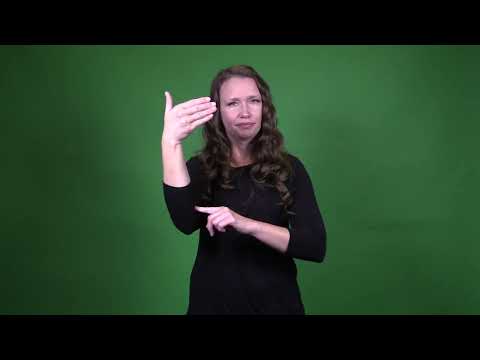
Sign for FLAG in ASL | ASL Dictionary

Definition: A piece of cloth used as a symbol of a country.

Sign for FLAG in ASL

YouTube player

Practice Activities:

Start your practice by signing the word in isolation. Use a mirror to observe handshape and movement. Practice the sign for FLAG in ASL multiple times slowly, then gradually increase speed while maintaining clarity.

Once you’re confident signing it alone, move to signing it in short phrases. Try: “school flag,” “American flag,” and “flag on the pole.” Doing this expands your fluency by associating the sign with real-world concepts. Add emotions depending on the context, such as pride or sadness, for more nuanced practice.

Create simple sentences using the sign for FLAG in ASL. Say, “The flag is red, white, and blue,” or “We raised the flag this morning.” If you’re working with a study partner, take turns describing a scene involving a flag and see if your partner can identify it or act it out.

Use online images or flashcards showing different kinds of flags. Practice describing each one using the correct sign. For instance, “That is the state flag” or “The pirate flag has a skull.” You can also draw your own flag in a notebook and explain its features using signs.

Create a mini-story involving a flag. For example, tell about attending a parade and seeing soldiers carry a big flag. Use directional signs to show where the flag is waving and focus on your non-manual signals to enhance the storytelling.

Set a 60-second time limit where you sign as many flag-related items as possible. Examples include “flagpole,” “national flag,” “flag at half-mast.” This will develop quick recall and improve expressive speed using the sign for FLAG in ASL.

Finish by watching a news clip or video that mentions a flag. Try to interpret what’s said into ASL, incorporating the sign for FLAG in ASL appropriately and fluidly within the context.

Cultural Context:

The sign for FLAG in ASL carries more than just a visual representation; it reflects a deep connection to culture, identity, and community. In Deaf culture, visual symbols like flags hold strong meaning, and the sign for FLAG in ASL is frequently used in educational settings, cultural events, and conversations surrounding heritage and national pride.

In American Sign Language, the sign for FLAG involves a motion that outlines the shape of a flag moving in the wind. This visual depiction makes the sign intuitive and accessible, especially in classroom environments or when teaching young Deaf children about symbols of geography and patriotism. It’s a sign often accompanied by discussions of global awareness and civic responsibility.

Flags are powerful symbols that represent identity, sovereignty, and shared values. When using the sign for FLAG in ASL, the context often includes references to the American flag, school flags, and flags of different nations. In Deaf community events, flags are commonly displayed and signed about during ceremonies and presentations, making the sign a part of cultural rituals and traditions.

The sign for FLAG in ASL is often seen during holidays like the Fourth of July or Memorial Day. It’s used in storytelling, poetry, and visual performances that reflect pride in country and culture. Deaf performers and educators use this sign to bring added depth to their visual language, especially when connecting language with national identity.

In educational settings, the sign for FLAG in ASL is typically introduced early when teaching students about countries, geography, and government. Teachers use it to help learners visually associate objects and ideas with factual information, such as learning where flags represent a nation or organization. It’s a practical and symbolic sign that reinforces social understanding.

Culturally, signs like this one help to bridge the gap between Deaf and hearing communities by showing how visual language effectively conveys abstract concepts tied to emotion, loyalty, and unity. The sign for FLAG in ASL often sparks conversations about accessibility and representation within public ceremonies or school events where flags are honored.

In Deaf schools and events where cultural pride is emphasized, the sign for FLAG in ASL can also represent movements or causes. For example, waving the sign can signal advocacy for Deaf rights or inclusion in broader national narratives. This transforms a simple noun into a powerful visual gesture charged with meaning.

Using the sign for FLAG in ASL connects users to both linguistic expression and collective experience. It’s more than stating an object—it’s about participating in cultural dialogue and expressing shared values in a way that’s unique to the visual language of ASL. The frequent use

Extended Definition:

The sign for flag in ASL is a clear and visually descriptive gesture that represents the way a flag moves in the wind. It helps convey the meaning of the word while also connecting it to the image of a flag on a pole. This sign combines hand movements and location to mimic the motion and appearance of an actual flag waving.

To produce the sign for flag in ASL, hold your non-dominant hand in front of you, palm facing the side, to act as the flagpole. Then, use your dominant hand to trace a small wave away from the top of the non-dominant hand. This movement represents the flag portion flapping in the wind. It’s a one-handed human representation of a common visual object, making it easy to recognize once learned.

The sign for flag in ASL is categorized as an iconic sign, meaning it visually resembles the object it represents. This makes it intuitive for new learners of American Sign Language, particularly children or visual learners. The motion tells a story, making the sign more memorable and easier to retain.

This sign is frequently used in classroom settings and educational environments when discussing national symbols, holidays like Independence Day, or even geography lessons. When learning the sign for flag in ASL, it’s useful to pair it with visual aids or real-world examples to deepen understanding and retention. Teachers often use visual cues and real props to reinforce the meaning of the sign.

There are no significant regional variations in how this sign is formed, so the sign for flag in ASL is generally understood across different parts of the United States. However, slight stylistic changes in movement or expression might appear based on context or signing fluency. Understanding these differences can help learners navigate various signing communities more effectively.

The sign is versatile in conversation. It can be used to talk about a country’s flag, a parade with flags, or a flag used in a game or race. Understanding context is key, as it allows you’re signing to be more meaningful and accurate.

Learning the sign for flag in ASL also supports the development of other related vocabulary, like country names, colors, or ceremonial terms. It’s often taught alongside other signs tied to patriotism, events, or location-dependent imagery. The interconnectedness of signs in ASL builds a fuller picture of language comprehension.

Practicing the sign regularly and in visual contexts helps solidify it into memory. Incorporating it into daily signed conversation or using it when talking about holidays makes the learning feel natural. The more frequently it

Synonyms: banner, standard, ensign, pennant, emblem

Educational resources: Find related learning materials in our course bank!

Want more? Check out some of our popular learning activities on the homepage!

Need to look up a sign? Use our highly rated dictionary: https://aslinteractive.com/best-asl-dictionary/

Follow us on tiktok: https://www.tiktok.com/@aslinteractive. More social media links at the bottom of this page!

Long-tail Keywords: what is the ASL sign for flag, how do you sign flag in American Sign Language, learn how to sign flag in ASL

Categories:

tags: Flag in American Sign Language, learn to sign flag, flag ASL meaning, how to sign flag in ASL, ASL sign for flag

Parameters

*Handshape*:

The handshape for the sign for FLAG in ASL uses the non-dominant hand in a flat B-handshape, palm facing down and held horizontally to represent the base or pole. The dominant hand also forms a B-handshape and moves from the non-dominant wrist outward in a waving motion similar to a flag flapping .

This iconic movement mimics how a flag waves in the wind. The hand configuration helps visually represent the concept, making the sign for FLAG in ASL both intuitive and memorable.

*Palm Orientation*:

The palm orientation for the sign for FLAG in ASL begins with the dominant hand in a flat-B shape. The palm faces outward as it taps the back of the non-dominant forearm, which is held horizontally in front of the body.

As the dominant hand moves upward and away in a wave-like motion, the palm remains generally outward-facing. This waving gesture represents a flag fluttering in the wind, reinforcing the visual element of the sign for FLAG in ASL .

*Location*:

The sign for FLAG in ASL is located in the signing space in front of the upper chest, slightly off to the non-dominant side. The non-dominant hand is held flat and horizontal, palm facing inward, representing the flagpole.

The dominant hand moves away and slightly waves like a flag fluttering in the wind. This movement and spatial setup help visually convey the motion and placement of a flag, making the sign for FLAG in ASL easy to recognize.

*Movement*:

Start with your non-dominant arm held horizontally in front of your chest, palm facing down, to simulate a flagpole. With your dominant hand open and fingers together, place the fingertips on the back of your non-dominant hand. Then wave your dominant hand upward and outward, as though a flag is fluttering in the wind.

The sign for FLAG in ASL uses a fluid waving motion to represent the visual of a flag attached to a pole. This movement creates a clear visual connection to how flags naturally move in the breeze .

*Non-Manual Signals*:

When showing the sign for FLAG in ASL, use a neutral or focused facial expression to convey clarity, especially if teaching or demonstrating. Keep your eyebrows in a natural position unless you’re clarifying or contrasting another sign.

Slight eye focus on the dominant hand helps direct attention to the motion, especially as it traces the shape of a flag hanging freely. The sign for FLAG in ASL does not require exaggerated emotion unless emphasizing patriotism or pride .

*Prosody, Dominant/Non-Dominant Hand*:

The sign for FLAG in ASL uses both hands. The non-dominant hand is held out flat, palm facing the body, representing a flagpole. The dominant hand, with fingers extended and together, taps the base of the non-dominant hand and then waves outward like a flag fluttering in the wind ️ .

To clearly express the sign for FLAG in ASL, maintain a slight waving motion with the dominant hand to show the concept of a flag moving. Keep both hands steady and use facial expression to add emphasis.

Tips for Beginners:

The sign for FLAG in ASL is a visually distinctive and representational sign, making it easier for beginners to remember. To make the sign, place the non-dominant arm in front of you horizontally, with your palm down as if it’s a flagpole. Then use your dominant hand to mimic a flag waving from the top of your forearm, fluttering slightly as if showing movement. Practice the flow of this motion, keeping it smooth and clear to capture the essence of a waving flag.

For beginners, it’s helpful to focus on maintaining proper handshape and orientation. The non-dominant arm must remain steady and horizontal to suggest the pole. If this base isn’t stable, the sign can become unclear or lose its iconic representation. Ensure your dominant hand mimics the texture of fabric moving, not a stiff or jerky motion. This fluidity adds to the clarity of the sign for FLAG in ASL.

One common mistake is not anchoring the dominant hand at the correct point on the non-dominant arm—placing it too low or too high can distort the meaning. Practicing in front of a mirror lets you see how your sign appears to others, which is crucial in refining your technique. It also helps to watch native signers execute the movement to grasp the natural rhythm.

When learning the sign for FLAG in ASL, slow and deliberate practice prevents forming bad habits. Over time, your hands will move more fluidly and naturally. Incorporate it into everyday practice along with related signs like COUNTRY, AMERICA, or NATIONAL to build context and reinforce vocabulary. With consistency and mindful repetition, your confidence in signing this and other descriptive signs will grow . Confidence in executing clear body language really elevates your communicative effectiveness in ASL.

Connections to Other topics:

The sign for FLAG in ASL connects closely with other location-based or symbolic signs, such as COUNTRY, STATE, and NATION. These concepts often appear in educational, patriotic, or geographic discussions, making it important for learners to recognize how the sign for FLAG in ASL is integrated into broader thematic vocabulary.

This sign also shares movement elements seen in signs related to cloth or waving motions, such as CURTAIN, SHEET, or even certain signs for DRESS. These signs visually represent the idea of fabric moving or flowing, and such movement is echoed in how FLAG is often signed with a waving motion, mimicking a flag fluttering in the wind ️.

When used in compound or descriptive signs, such as AMERICAN FLAG or SCHOOL FLAG, the sign for FLAG in ASL is often preceded by appropriate modifiers. For example, combining AMERICAN with FLAG gives learners the opportunity to structure more detailed conversations about culture, identity, and symbols of national pride. In classroom settings, signs like SCHOOL FLAG or STATE FLAG help describe objects and settings that are commonly referenced in educational contexts.

In discussions involving historical or symbolic topics, you might encounter more complex phrases that require the sign for FLAG in ASL along with dates, celebrations, or political references. A phrase like FLAG DAY blends with calendar signs and celebration-related vocabulary. This opens up opportunities for practicing time-based sequencing and thematic storytelling in ASL.

The sign also relates to the broader category of VISUAL SYMBOLS in ASL, linking it to signs like EMBLEM, LOGO, or BADGE. This helps learners understand that visual representation plays a strong communicative role not just in ASL but also in cultural and political identification .

Moreover, the sign for FLAG in ASL is useful when discussing global diversity, tying in with international education, diplomatic conversations, or multilingual classrooms. Inclusion of flags from different countries often involves a blend of FLAGS with geographical or country name signs, which may be either signed or fingerspelled.

Summary:

The sign for FLAG in ASL gives a visual representation of a standard flag waving on a pole. It starts with the non-dominant hand held vertically, palm facing in, to symbolize a flagpole. The dominant hand, held flat and fingers aligned, taps the non-dominant hand at the base and then arcs outward like a flag waving in the wind.

This movement mimics how a flag is attached to a pole and flutters. The simplicity helps with recall and is effective for clear communication. The motion brings dynamism to the word, evoking the image of a real flag in motion.

The sign for FLAG in ASL is a noun and is usually used to name an object, not to describe an action. When discussing patriotism, geography, or identifying countries, this sign is frequently used. It also appears in educational settings, particularly when teaching children about national symbols.

Culturally, flags hold significant meaning in many communities. In the Deaf community, signs for country flags often carry symbolic pride. The sign for FLAG in ASL may be followed by a fingerspelled word to clarify which flag, such as AMERICAN (FS), or used in context where the specific identity is clear.

This sign can be combined with others to build more complex ideas. For example, to say “national flag,” one might sign NATION followed by FLAG. The order reflects ASL’s subject-first grammar, which allows for flexibility while communicating rich concepts.

One variation of this sign might show a stronger waving motion, which emphasizes the flowing nature of real cloth. This expressive nuance can be used in poetry, storytelling, or visual vernacular within the Deaf community. Artistic expression often pushes the boundaries of traditional signs.

The sign for FLAG in ASL supports pedagogical goals in bilingual education programs. When Deaf students learn about national identity, hearing history, and geography, they frequently engage with this sign. It visually anchors discussions that help develop both language and cultural identity.

In everyday conversation, the sign for FLAG in ASL can also refer conceptually to ideals, divisions, or protest when referring to flags used symbolically. For instance, the pride flag or flags at political demonstrations. ASL allows such abstract meanings to be expressed through clear sign selection and contextual clues.

When discussing national flags, additional parameters such as facial expressions or classifiers can emphasize different shapes or types. For example, triangular sports flags can be described using classifiers, while military flags might include solemn facial affect. These stylistic choices add meaning beyond the basic sign.

The handshape in the dominant hand is a flat B-hand, consistent with its use in other signs that represent flat items, such as PAPER or MAP. This makes it easier for learners to acquire through pattern recognition. The non-dominant hand acts as a stable base, which is a common linguistic structure in ASL.

The sign for FLAG in ASL aligns with iconicity, a principle where signs visually resemble their meaning. This iconic component reinforces memory retention, especially helpful for visual learners. Iconicity plays a big role in how signs are perceived and learned.

When examining the sign through an applied linguistics lens, it demonstrates spatial mapping principles. The vertical arm represents a pole in real-world orientation. This reveals how ASL engages physical space to map meaning in ways distinct from spoken languages.

Deaf culture often integrates the sign for FLAG in ASL within identity and community expression. Deaf schools, for instance, may have their own flags, and their related pride is connected to this sign in daily use. It becomes more than visual—it bears emotional and historical relevance.

In ASL, fingerspelling is often combined with standard signs, particularly for specific flags. You might see the sign for FLAG followed by USA (FS) or PRIDE (FS) to add specificity. This flexibility allows ASL to accommodate new ideas while preserving its visual-gestural core.

Learning the syntax surrounding the sign for FLAG in ASL teaches grammatical agreement in spatial referencing. It can be positioned in the signing space to reference a location. Later, a signer can point to that same location to refer back to “the flag.”

Flags are key parts of social systems and convey messages of unity, separation, or resistance. When the sign for FLAG in ASL is used in protest or solidarity, it speaks volumes beyond national identity. The layers of social meaning deepen ASL’s communicative power.

This sign also intersects with discussions of semiotics and visual language theory. As an emblematic symbol, a flag conveys messages culturally understood, and the ASL sign captures that essence. It showcases how sign languages represent shared human signifiers.

In political discussions, the sign for FLAG in ASL is often contextually rich. It may be used while discussing debates around kneeling during the anthem or removing Confederate flags. Context colors the tone and delivery of the sign, making the language flexible yet potent.

As part of the lexicon, FLAG contributes to broader themes in ASL sign development and

Want more? Check out some of our popular learning activities!

ASL Interactive Resources

ASLInteractive YouTube Channel

Follow us on tiktok: @aslinteractive.com

Follow us on Instagram: aslinteractive

Facebook page: aslinteractive

Facebook group: aslinteractive

LInkedIn: ASL Interactive LLC

Twitter: @ASL_interactive

*Some information on this page is AI-generated. AI can make mistakes. Please check the information.


Responses