Sign for FLIP-FLOPS in ASL | ASL Dictionary

Definition: A type of open sandal.

Sign for FLIP-FLOPS in ASL

YouTube player

Practice Activities:

Start by practicing the sign for FLIP-FLOPS in ASL in front of a mirror to get comfortable with handshape and movement. Pay attention to how the movement mimics the straps and the shape of flip-flops. Repeat the sign 10-15 times slowly, then increase speed as you gain fluidity and accuracy.

Next, use the sign for FLIP-FLOPS in ASL in short phrases such as “I wear flip-flops,” “She likes flip-flops,” and “Where are my flip-flops?” Practice these sentences using facial expression and body posture to enhance clarity and emotion. Record yourself signing to review fluency and make improvements.

Create a mini story using signs for clothing items and include the sign for FLIP-FLOPS in ASL to develop storytelling skills. For example, describe getting ready for a beach day—include signs for sun, towel, water, and flip-flops. Retell the story from a different point of view such as a friend or a younger sibling.

Use a partner or sign language buddy to quiz each other by signing a situation and having the other guess where flip-flops would be used. Scenarios could be: going into the house, walking on hot sand, or shopping at a beach store. Practice dialogue like, “Do you want my flip-flops?” or “These flip-flops are too small.”

Try a labeled drawing activity where you sketch simple summer scenes, then label items such as flip-flops, swimsuit, beach ball, and sunglasses using their ASL signs. Follow up your drawings with signed explanations about each item and when you would use them. The goal is to reinforce recognition and fluency of the sign for FLIP-FLOPS in ASL in multiple contexts.

Cultural Context:

The sign for flip-flops in ASL carries more than just a visual description of a summertime sandal. In American Deaf culture, everyday items like footwear are often represented visually in a way that mimics real-life usage or physical features associated with the object. Understanding the sign for flip-flops in ASL also means recognizing how Deaf signers choose movements that reflect the function and form of the sandals.

Flip-flops are popular in beachwear and warm-weather fashion, and their distinctive slapping noise as people walk is often part of how the sign is conceptualized. The sign for flip-flops in ASL tends to depict either the strap shape, the rhythm of walking in them, or both, depending on the context. Cultural familiarity plays a role here too—many ASL users grow up with these signs as part of routine summer vocabulary.

In Deaf social settings such as Deaf summer camps, pool parties, or outdoor gatherings, the sign for flip-flops in ASL is a common term. It’s tied to shared experiences of leisure, relaxation, and travel. Just like in spoken English communities, fashion and clothing signs like this one keep evolving within the Deaf community.

The ASL community values rich, descriptive signing, especially around lifestyle and cultural objects. Knowing the sign for flip-flops in ASL means you’re able to join conversations about vacation, weather, shopping, and even beach safety. It reflects the Deaf community’s creative use of space and movement to convey everyday meanings.

Variation in signs can occur based on regional influences or personal preferences. The sign for flip-flops in ASL may not be universal, but its meaning is usually clear through context and iconography. These regional differences highlight the adaptability and diversity within ASL, just like in spoken languages.

The visual nature of ASL allows signs to be intuitive, particularly for items with obvious physical traits like flip-flops. The sign for flip-flops in ASL embodies this by either tracing the sandal’s strap or mimicking the motion of walking. This makes it easier for new or young signers to pick up the word naturally.

For Deaf parents teaching children or for ASL learners immersed in the language, mastering signs for everyday items is essential. The sign for flip-flops in ASL is one of those practical signs that appears in stories, casual chats, and even educational contexts. It serves as a bridge between home, school, and social life.

Cultural visibility of deaf individuals also means increased use of ASL signs in

Extended Definition:

The sign for flip-flops in ASL captures the visual nature of the footwear by mimicking its unique shape and movement. American Sign Language often uses descriptive classifiers and hand shapes to convey meaning, and flip-flops are no exception. To express the concept, signers use movements and orientations that suggest the flat sole and backless, thong-style design of flip-flops.

When signing flip-flops, you will typically begin with a handshape that suggests the outline of a foot. Using your dominant hand, you may show where the strap or thong would rest between the toes. The movement can also include a flick or pat to represent the sound or feel of the shoe hitting the sole of the foot when walking.

This ASL sign may vary slightly depending on regional usage or individual style, but the core visual elements remain consistent. The goal is to visually convey the feel and function of flip-flops—a casual and comfortable form of footwear often worn in warm weather. This helps ensure clarity and understanding when expressing this sign in conversation.

You can enhance the sign for flip-flops in ASL by using appropriate facial expressions to match the casual and relaxed feeling associated with this type of shoe. In more descriptive contexts, such as storytelling or daily life conversations, you might combine the main sign with signs for beach, summer, or walking to give more details.

Like many signs in ASL, the sign for flip-flops can be adapted or enhanced with additional context. It may be combined with classifiers for shoes or feet to add more depth. For example, if you are talking about someone buying flip-flops, you might combine signs for store, shopping, or color to round out the sentence.

It’s important to recognize that ASL is a spatial and visual language, so the sign for flip-flops will rely on how the concept looks and feels rather than a direct translation from English. This makes it easier for Deaf and hard-of-hearing individuals to grasp the meaning quickly based on visual cues and gestures.

When teaching or learning this sign, it’s helpful to use real-world examples or props. Showing a pair of actual flip-flops during practice can enhance retention and understanding. Interactive learning, either online or face-to-face, ensures that learners see the movement and form of the sign clearly.

The sign for flip-flops in ASL is a great example of how ASL represents everyday items in a clear and visual way. Whether you’re at the beach, packing for vacation, or simply chatting about

Synonyms: sandals, thongs, slippers, slides, beach shoes

Educational resources: Find related learning materials in our course bank!

Want more? Check out some of our popular learning activities on the homepage!

Need to look up a sign? Use our highly rated dictionary: https://aslinteractive.com/best-asl-dictionary/

Follow us on tiktok: https://www.tiktok.com/@aslinteractive. More social media links at the bottom of this page!

Long-tail Keywords: what is the sign for flip-flops in ASL, how to sign flip-flops in American Sign Language, ASL sign for flip-flops

Categories:

tags: ASL sign for flip-flops, how to sign flip-flops in ASL, flip-flops American Sign Language, learn flip-flops in ASL, ASL vocabulary flip-flops

Parameters

*Handshape*:

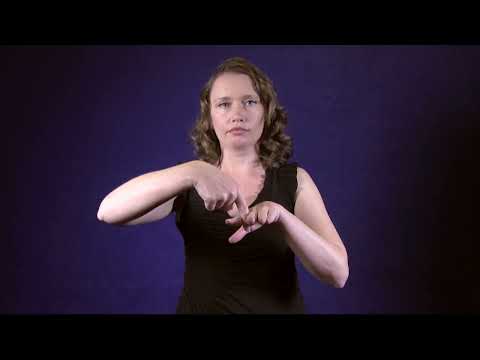
The handshape used in the sign for FLIP-FLOPS in ASL typically involves a modified “L” handshape on the dominant hand. The thumb and index finger form an open angle, imitating the thong of the footwear. The dominant “L” hand taps or slides between the toes of the non-dominant hand, which is shaped like a flat foot.

The non-dominant hand stays flat, palm down, symbolizing the sole of the flip-flop. This setup helps visually convey the shape and function of the shoe. The sign for FLIP-FLOPS in ASL uses expressive movement to highlight the specific footwear type.

*Palm Orientation*:

The palm orientation for the sign for FLIP-FLOPS in ASL typically shows both hands in a relaxed flat handshape with palms facing downward. The dominant hand may mimic the strap motion across the foot, with the palm brushing along the top of the other hand representing the foot.

This sign reflects the casual nature of footwear, and accurate palm positioning helps convey the shape and feel. Using the correct palm orientation enhances clarity and helps distinguish the sign for FLIP-FLOPS in ASL from similar vocabulary.

*Location*:

The sign for FLIP-FLOPS in ASL is performed primarily in the neutral space just in front of the body, around chest level. The movement often involves tapping or mimicking the thong strap between the toes using handshape and motion cues to suggest sandals.

This location allows the sign for FLIP-FLOPS in ASL to be easily seen and understood, especially when referring to footwear during casual or beach-related conversations . The use of space in front of the torso makes it accessible for both the signer and the viewer.

*Movement*:

To show the sign for flip-flops in ASL, both hands form the letter “V” with the index and middle fingers extended. Position each V-hand with the fingers pointing down toward the feet and tap lightly on the top of each foot, mimicking the motion and positioning of the straps on flip-flop sandals .

The movement should be small and deliberate, with a slight bounce to convey the casual nature of flip-flops. This sign for flip-flops in ASL may vary slightly depending on the region, but the general form highlights the thong-style footwear design.

*Non-Manual Signals*:

When showing the sign for FLIP-FLOPS in ASL, the facial expression should be casual and relaxed, often paired with a slight smile to reflect the easygoing nature associated with wearing flip-flops. The eyebrows can remain neutral, and the mouth may mimic the soft popping sound that flip-flops make while walking.

In contexts where the sign for FLIP-FLOPS in ASL is being emphasized or clarified, slight head nods or tilts may help convey emphasis or serve to distinguish the footwear from similar signs. Overall, the non-manual behavior complements the laid-back vibe of the footwear.

*Prosody, Dominant/Non-Dominant Hand*:

The sign for FLIP-FLOPS in ASL uses the dominant hand to mimic the strap of a flip-flop going between the toes. The non-dominant hand represents the foot, palm down and flat. The dominant hand, typically in a bent V or H-handshape, taps or slides between the index and middle fingers of the non-dominant hand, suggesting the placement of the sandal’s strap .

When expressing the sign for FLIP-FLOPS in ASL, use smooth, deliberate movement to clearly depict the sandal’s design. The dominant hand remains active while the non-dominant hand stays still, functioning as a base. This sign can be used consistently in casual or descriptive contexts, helping to convey specific footwear .

Tips for Beginners:

When learning the sign for FLIP-FLOPS in ASL, it’s helpful to visualize the actual footwear while signing. The most common method to convey this concept is to use classifiers or descriptive signing to mimic the appearance of flip-flops. Start by using a flat hand to represent the sole of the foot, and then use your index and middle fingers to show the thong strap that goes between the toes.

Beginners should keep their signing space close to the lower part of the body, around where the feet would naturally fall in your signing frame. It’s very useful to point to your foot or mime putting on a flip-flop if further clarification is needed. Be expressive! Facial expressions help reinforce the casual and relaxed nature often associated with flip-flops.

A common mistake when using the sign for FLIP-FLOPS in ASL is exaggerating hand motions or signing it too far away from the body. Stay within your natural signing zone and keep your movements fluid but precise. Avoid overcomplicating—it’s okay to keep your signs simple and intuitive.

Because the sign is descriptive rather than standardized in all ASL dictionaries, always be prepared to supplement it with the fingerspelled word F-L-I-P F-L-O-P-S if there’s any confusion. Regional variations may exist, so take note of how local communities sign this term.

Practice in front of a mirror or record yourself signing to ensure your classifiers are accurate. Try to use the sign for FLIP-FLOPS in ASL in everyday conversations, like while discussing summer clothes, going to the beach, or shopping for shoes. The more often you use and see the sign in context, the easier it becomes to remember and execute naturally. Using props during practice can also help solidify the handshape-to-object relationship.

Sign for FLIP-FLOPS in ASL, flip flops sign ASL, ASL sign for summer shoes, how to sign sandals in ASL, learn sign for flip-flops, ASL beach vocabulary, casual footwear ASL sign, descriptive signs ASL flip flops

Connections to Other topics:

The sign for FLIP-FLOPS in ASL connects strongly with clothing, seasonal vocabulary, and regional variations in signing. It often appears in discussions about summer, leisure, or beach-related activities, and may be combined with signs like BATHING SUIT, SWIM, or BEACH. Understanding this association helps learners contextualize the sign within conversations about weather, travel, or relaxation.

The sign for FLIP-FLOPS in ASL also ties to the broader category of footwear, aligning with signs for SHOES, BOOTS, and SOCKS. In some cases, classifiers are also used to indicate walking in certain types of shoes; for instance, mimicking how flip-flops flop on the heel as someone walks. This can offer learners a creative and visual method to talk more vividly about types of movement, materials, or styles.

This sign can form part of compound structures or storytelling phrases. For example, someone might combine the sign for FLIP-FLOPS in ASL with GO or TAKE-OFF to indicate putting on or removing flip-flops, especially in narratives. It opens a gateway into more dynamic ASL constructions and gives learners practice with verb-object interactions in everyday scenarios.

Learners may also find useful connections in discussing sensory experiences or reactions. For example, signs like HOT, SAND, or BURN connected to the sign for FLIP-FLOPS in ASL can help describe moments like walking on hot sand, which promotes richer expression. Such storytelling are common ways ASL incorporates tactile and emotional depth.

The sign for FLIP-FLOPS in ASL also bridges into discussions of culture and lifestyle. In Deaf community contexts, mentioning items like flip-flops might come up in planning for Deaf summer camps, vacations, or cultural events. Recognizing these links provides learners with greater fluency and cultural insight.

Summary:

The sign for FLIP-FLOPS in ASL usually mimics the distinctive features of the footwear. It typically involves showing the foot and using a tapping motion between the big toe and second toe area with the dominant hand to signify the strap feature that characterizes flip-flops. This visual representation makes the sign highly iconic.

ASL often relies on classifier-like depictions for items with specific and identifiable shapes, and flip-flops are no exception. The visual imagery connects well with how flip-flops look and feel. This makes the sign intuitive for many Deaf users and learners of ASL.

In conversations, the sign for FLIP-FLOPS in ASL can commonly appear in discussions about beach attire, summer activities, or casual clothing. This kind of vocabulary is seasonal but still important for full expressive conversations. The sign can easily be combined with other signs like BEACH, VACATION, or SAND.

Grammatically, the sign can be used without needing articles or inflection in ASL’s syntactic structure. Additional information, like color or brand, could be added through fingerspelling or descriptive classifiers. This allows users to adapt the sign to a range of conversational needs.

Sometimes the sign is accompanied by the fingerspelled version of the term for clarification, especially in multilingual or teaching contexts. If there’s confusion, fingerspelling F-L-I-P hyphen F-L-O-P-S might be used beforehand or after the classifier sign. This strategy supports clarity in communication, especially when introducing the term to new signers.

The cultural relevance of flip-flops in American life adds depth to their representation in ASL. Flip-flops are popular for their casual and low-maintenance nature, often associated with relaxed environments. This cultural association directly translates into casual, summertime conversations within Deaf communities as well.

When describing the sign to a new learner, it’s helpful to emphasize its use of location and motion. The space between the fingers often imitates the toes, and the pressing of the hand in that region signifies the thong that lies between toes. These shape-based references are strong linguistic tools in ASL.

The sign for FLIP-FLOPS in ASL operates within what’s known in linguistic analysis as a highly iconic sign. It has resemblance to an object’s actual function or appearance, making it easier to comprehend even for beginners. This relates to the concept of “visual vernacular” which supports storytelling in ASL.

This sign, and others in the clothing or apparel category, showcases ASL’s use of spatial awareness and embodiment. Whereas spoken English uses auditory cues, ASL takes advantage of physical space and position to deliver meaning, such as pointing to the foot area. This modality shift is not just mechanical – it is foundational to how ASL constructs meaning.

In storytelling or ASL poetry, the sign for flip-flops might be used metaphorically to indicate freedom, relaxation, or even fragility depending on context. For instance, walking in flip-flops requiring care could symbolize caution in life choices. This flexibility enhances the sign’s usability beyond literal interpretation.

Many ASL users prefer the specifically mimetic sign for flip-flops rather than relying solely on fingerspelling. The mimetic version provides immediate visual understanding and resonates better in signed discourse. It reflects a broader preference in ASL for signs that depict the world visually.

In educational settings, especially when learning about clothing or seasonal items, the sign for FLIP-FLOPS in ASL helps reinforce instructional vocabulary. Teachers often connect this sign to other wardrobe items like SWIMSUIT, HAT, or SUNGLASSES to create thematic units. The sign is thus useful for language acquisition strategies.

Deaf students engaged in role play or skit-based learning frequently use this sign in beach or vacation-related scenarios. It’s not just vocabulary—it’s functional dialogue practice that helps reinforce concepts and conversation flow. The contextual value of the sign increases its memorability during instruction.

The sign also supports the exploration of environmental and cultural differences. For example, someone from a region where flip-flops are worn year round may use this sign more regularly. The sign becomes a tool for sharing lived experiences across the community.

ASL learners from spoken language backgrounds tend to initially rely on fingerspelling for words like flip-flops. However, learning the iconic sign allows them to transition into fluid and more naturalized language use. This is an example of how input and teaching strategies evolve over time from fingerspelling to visual representation.

Linguists studying the sign for FLIP-FLOPS in ASL recognize it as an example of how sign languages naturally evolve to accommodate specialized vocabulary with minimal abstraction. The physicality of the sign demonstrates the language’s reliance on real-world experience. This emphasizes the ASL principle of grounded, experiential communication.

The sign aligns well with the phonological elements of ASL, including handshape, movement, and location. The handshape mimics a pointing or G hand poking through the toe-space, movement replic

Want more? Check out some of our popular learning activities!

ASL Interactive Resources

ASLInteractive YouTube Channel

Follow us on tiktok: @aslinteractive.com

Follow us on Instagram: aslinteractive

Facebook page: aslinteractive

Facebook group: aslinteractive

LInkedIn: ASL Interactive LLC

Twitter: @ASL_interactive

*Some information on this page is AI-generated. AI can make mistakes. Please check the information.


Responses