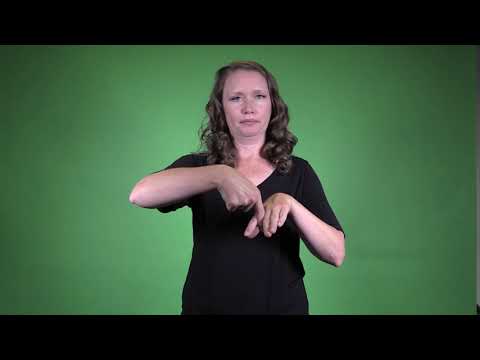
Sign for FLIPFLOPS in ASL | ASL Dictionary

Definition: A type of open sandal.

Sign for FLIPFLOPS in ASL

YouTube player

Practice Activities:

Begin practicing the sign for FLIPFLOPS in ASL by signing it repeatedly in front of a mirror. Try to maintain consistent handshape and motion each time while watching your hand placement. This will help with muscle memory and clarity when using the sign in conversation.

Use flashcards with different footwear items like boots, sneakers, sandals, and flipflops. Practice identifying each in ASL, making sure to use the correct sign for FLIPFLOPS in ASL when that card appears. Once you feel confident distinguishing them, mix up the cards and sign them in random order.

Create simple sentences such as “I wear flipflops at the beach” or “She lost her flipflops in the sand.” Practice signing these sentences slowly, then gradually increase your signing speed. In each sentence, make sure the sign for FLIPFLOPS in ASL is clear and correctly placed in context.

With a partner, take turns describing occasions when you wear flipflops—like a summer day, at the pool, or while traveling. Ask each other questions like “Do you wear flipflops in winter?” or “What color are your flipflops?” This gives you practice integrating the sign smoothly during conversation.

Challenge yourself with a short storytelling prompt. For example, describe a day at the beach, mentioning what you wore, especially your flipflops, and what you did. Include descriptive elements like the color of the flipflops, who you were with, and how the flipflops felt in the sand.

For a receptive skills exercise, watch a video or have someone sign a sentence about summer activities. Try to identify the moment when they use the sign for FLIPFLOPS in ASL. Repeat the sentence back to them to check your comprehension and accuracy.

Cultural Context:

In American Sign Language, clothing items often carry their own unique signs that reflect function, appearance, or cultural relevance. The sign for flipflops in ASL is a great example of this, as it connects with both summer culture and casual footwear in the Deaf community.

Flipflops are popular in warm climates and beachside locations across the U.S. They are associated with relaxation, freedom from formal dress codes, and easy comfort. Because of this strong cultural symbolism, signing flipflops in ASL often brings more than just a literal meaning—it’s tied to lifestyle and mood.

The sign for flipflops in ASL reflects how the shoe is worn and how it feels on the foot. Many ASL signs for common clothing items use visual-spatial language to indicate how the item is used. Flipflops, being minimal in structure and open in design, are often signed in a way that mimics the toe strap or the movement of the shoe on the foot.

In the Deaf community, the sign for flipflops in ASL might also indicate a sense of seasonality. It’s a sign that’s more likely to come up when discussing summer plans, beach days, vacations, or shopping for seasonal clothes. This makes it a functional and relevant sign for everyday conversation when the weather gets warmer.

For Deaf children learning clothing signs, the sign for flipflops in ASL can be a favorite due to its easy visual mimicry. Teachers and parents often use real-world objects to reinforce vocabulary, and flipflops are a tangible, familiar item. Signing them becomes part of seasonal lessons about dressing for the weather or going on summer trips.

Regional variations may exist in how people sign flipflops in ASL. Some signers use gestures that emphasize the thong between the toes, while others highlight the motion of walking with the shoes. Regardless of the variation, the goal is clear communication that matches the informal, universally recognized footwear.

Pop culture also influences the use of the sign for flipflops in ASL. When discussing fashion trends or popular clothing in TV shows and social media, flipflops come up often as a symbol of youth and casual style. Including these references in ASL conversations highlights how dynamic the language can be when describing current cultural topics.

In Deaf social media circles and vlogs, users may illustrate the sign for flipflops in ASL when posting about summer activities. It shows how integrated signing is with online content creation and day-to-day storytelling. Des

Extended Definition:

The sign for flipflops in ASL represents the lightweight, open footwear typically worn in warm weather. It focuses on conveying the unique design of flipflops, which includes a flat sole held loosely on the foot by a Y-shaped strap. This strap goes between the big toe and the second toe, and that detail plays a big role in how the concept is signed.

In American Sign Language, context is important. The sign for flipflops in ASL often involves mimicking the action of slipping the foot into the footwear or indicating the strap placement. Depending on the signer and the context, some might include a finger gesture or a miming motion over the foot area to emphasize the type of shoe being referenced.

You might also see variations of the sign across different regions or age groups within the Deaf community. Some signers may start with a general sign for “shoes” or “sandals” and then modify the sign to be more specific to flipflops. The customized motion or handshape helps distinguish them from other types of footwear in ASL.

When learning the sign for flipflops in ASL, it helps to recognize handshapes and movements that visually represent the footwear. This visual nature of ASL makes it an expressive language that’s great for showing tangible objects like clothing and accessories. The clear association between movement and meaning brings the sign to life.

ASL students may initially confuse the sign for flipflops with common signs for shoes or sandals. To avoid confusion, teachers often demonstrate both handshapes and use real-world examples . Watching how Deaf signers communicate the difference helps reinforce accuracy and understanding.

Children learning ASL often pick up fun signs like flipflops quickly, especially if they’re familiar with the object. Walking into a summer classroom, you’re likely to see students eagerly signing their favorite footwear during storytelling sessions or during a clothing-themed lesson. The sign is often used in everyday conversations during warmer seasons.

The sign for flipflops in ASL can be incorporated into full sentences when talking about clothing choices, beach activities, or packing lists. For example, someone might sign “I need my flipflops for the beach” using facial expressions and context cues to enhance meaning. This natural incorporation of the sign into daily conversation increases fluency and comprehension.

Online ASL dictionaries and video tutorials provide valuable visual references when learning the sign for flipflops in ASL. These resources demonstrate proper form and usage, which helps learners develop technique and accuracy

Synonyms: sandals, thongs, slippers, slip-ons, beach shoes

Educational resources: Find related learning materials in our course bank!

Want more? Check out some of our popular learning activities on the homepage!

Need to look up a sign? Use our highly rated dictionary: https://aslinteractive.com/best-asl-dictionary/

Follow us on tiktok: https://www.tiktok.com/@aslinteractive. More social media links at the bottom of this page!

Long-tail Keywords: what is the sign for flipflops in ASL, how do you sign flipflops in ASL, ASL sign for flipflops

Categories:

tags: flip flops sign language, how to sign flip flops in ASL, flip flops ASL meaning, flip flops gesture ASL, American Sign Language flip flops

Parameters

*Handshape*:

The handshape used in the sign for FLIPFLOPS in ASL typically involves a modified “V” or “U” handshape, with the index and middle fingers extended and separated while the other fingers stay closed. This formation resembles the straps of flipflop sandals.

During the sign for FLIPFLOPS in ASL, the fingers may tap or move alongside the foot or simulated foot area to represent wearing sandals. The handshape mimics the casual, open design of flipflops, helping to convey their unique style visually.

*Palm Orientation*:

For the sign for FLIPFLOPS in ASL, the palm orientation typically faces inward or toward the non-dominant side when imitating the motion of straps going between the toes. The dominant hand may form a bent-V or modified bent-handshape that mimics how flip-flops fit.

When showing how flip-flops are worn, the palm may slightly tilt downward to suggest the top of the foot. This palm orientation helps visually represent the shape and structure of footwear in the sign for FLIPFLOPS in ASL .

*Location*:

The sign for FLIPFLOPS in ASL is typically made near the lower torso area, around the waist or upper thigh region. This placement aligns with the natural location of footwear on the body, helping to provide visual context for the sign.

When performing the sign for FLIPFLOPS in ASL, the movement often mimics the action of slipping a foot into a sandal. This location offers clarity and reinforces the association with shoes or sandals .

*Movement*:

To show the sign for FLIPFLOPS in ASL, begin with both hands in a “V” shape, palms facing downward. Position the dominant hand near the heel of the non-dominant hand, which is flat with palm up, representing a foot.

Move the “V” shape forward along the sole, mimicking the thong strap of flipflops. The motion simulates sliding the footwear on. The sign for FLIPFLOPS in ASL can also be clarified by mouthing the word or fingerspelling if needed .

*Non-Manual Signals*:

When demonstrating the sign for FLIPFLOPS in ASL, the signer may use slight eyebrow raises to indicate clarification or pointing to actual footwear. A neutral or slightly inquisitive facial expression helps convey that the object being referenced is casual and specific. Head tilts may accompany the sign to emphasize the informal nature of flipflops.

The sign for FLIPFLOPS in ASL often pairs with relaxed eye contact or a casual nod, underscoring its lightweight, everyday use. These non-manual signals support context, helping differentiate flipflops from other types of shoes within ASL conversations.

*Prosody, Dominant/Non-Dominant Hand*:

For the sign for FLIPFLOPS in ASL, the dominant hand is typically in a “G” handshape, representing the strap of the flipflop. It moves toward the space near the base of the non-dominant hand, which remains stationary and flat, palm facing down, symbolizing the sole of the shoe. This movement mimics the way flipflops are worn between the toes.

To convey the sign for FLIPFLOPS in ASL clearly, the dominant hand should approach the gap between the index and middle finger of the non-dominant hand. The facial expression may be neutral or slightly descriptive if emphasizing the style or comfort of flipflops. The quick, precise movement enhances the visual connection to actual flipflops.

Tips for Beginners:

When learning the sign for FLIPFLOPS in ASL, it’s helpful to visualize the unique look of this footwear. Start by observing how the thong part of the flip-flop sits between the big toe and second toe. You can mimic that motion with a Y-handshape (thumb and pinky extended) tapping between the index and middle finger of your opposite hand to indicate the positioning.

A good tip for mastering the sign for FLIPFLOPS in ASL is to be consistent with your non-dominant hand’s positioning. It often functions as a base or placeholder, so keeping it steady while your dominant hand signs clearly is essential. Practice in front of a mirror to see if your form looks like a flip-flop on your hand or foot shape—it will help solidify the visual clarity for viewers.

One common mistake beginners make is signing too fast or too loosely, which causes the handshape representation of the flip-flop to be unclear. Slow down and emphasize the part where the strap fits between the toes. Precision in your hand placement will make the sign more recognizable and accurate.

It’s useful to study native signers using the sign for FLIPFLOPS in ASL, particularly in context within a sentence. This not only helps you learn appropriate facial expressions that add meaning, but also shows how the sign flows naturally during conversation. Watching shows, vlogs, or social media clips from Deaf creators can help you reinforce your understanding.

Finally, incorporate the sign into everyday contexts. Talk about what shoes you wear in the summer or pack for the beach, and use the sign for FLIPFLOPS in ASL naturally in those sentences. The more you use it functionally, the quicker you’ll remember and refine it.

flipflops in asl, sign for flipflops, asl summer clothes vocabulary, how to sign flipflops in asl, asl beachwear signs, asl signs for footwear

Connections to Other topics:

The sign for FLIPFLOPS in ASL connects closely with other signs for footwear and clothing. It often incorporates movement or location near the foot, making it conceptually linked to signs such as SHOES, SANDALS, or BAREFOOT. These signs often rely on classifiers and directional movement that evoke how certain items are worn on the feet, providing learners a layered, visual grammar based on object placement and function.

Because the sign for FLIPFLOPS in ASL may sometimes involve classifier structures or mimetic movement, it demonstrates the way ASL often turns physical characteristics into visual language. Learners might see how a simple shape of the strap between the toes is mimicked in the handshape or signing space. This relates to other object-specific signs like GLOVES or HAT, where the sign mimics how the item fits or is handled.

The sign for FLIPFLOPS in ASL can also be combined in compound expressions with signs like SUMMER, BEACH, or VACATION. These contextual pairings allow more expressive storytelling and help learners see how compound signs build narrative flow. For instance, discussing a beach trip might include pairing this sign with SWIM or SUN, creating a natural sequence of ideas tied to seasonal or environmental topics.

Additionally, its connection to signs indicating casual or informal attire gives learners insight into how ASL culturally reflects lifestyle. Signs like SHORTS, TANK-TOP, or DRESS-DOWN are typically used alongside the sign for FLIPFLOPS in ASL in conversational context about clothing choices for warm weather or relaxed settings.

Understanding the sign for FLIPFLOPS in ASL also helps learners practice spatial awareness in sign production. Since the sign may be near or mimicking the feet, it brings attention to ASL’s use of the full body in communication, enhancing comprehension of classifiers and body-based referencing.

Summary:

The sign for FLIPFLOPS in ASL is a rich expression that blends both iconicity and cultural relevance. It typically mimics the visual or tactile concept of the sandal’s strap and sole. ASL users use various articulations to describe the unique shape or function of flip-flop footwear, drawing from shared physical characteristics.

Commonly, the sign begins with two hands representing the front and back straps of flip-flops. A movement is made near the foot or using the hand to mimic how the footwear looks when worn. The gesture adapts depending on the regional or individual experience with the footwear.

In many cases, the sign for FLIPFLOPS in ASL involves using the non-dominant palm-up hand to represent the bottom sole. The dominant hand may make a hooking motion between the index and middle finger to show the sandal’s thong. This approach helps clarify the design distinct from other types of shoes or sandals.

There is often a blend of iconic and descriptive classifiers associated with this sign. Signers use the shape and movement to closely resemble the way flip-flops are constructed and worn. Classifier use is a key component to ensure accuracy and visual clarity.

For some ASL users, the sign for FLIPFLOPS in ASL may be a pantomime of slipping on or walking in flip-flops. This mimicking action can allow expressions of casual or beach-themed context. The soundless but recognizable motion helps tie the sign to its real-world reference.

Another method relies on incorporating the sign for SANDALS along with initialized classifiers. Some variants rely on fingerspelling FS-FLIPFLOPS to specify unique or branded styles. This bilingual blend shows how flexible ASL can be when labeling modern or culturally specific items.

The sign can vary geographically, as certain regions may prefer description or fingerspelling. Deaf communities in coastal areas or warmer climates might standardize a very visual representation due to how commonly the footwear is used. These regional differences highlight how ASL adapts vocabulary based on user context.

Fingerspelling FLIPFLOPS is also accepted, especially when discussing brand-specific or newer styles. FS-FLIPFLOPS allows for precision and is helpful during clarifications, storytelling, or fashion discourse. Yet for general conversations, a constructed classifier sign is often more fluid and embedded.

The cultural context of flip-flops provides insight into why an expressive sign is favored. Flip-flops are associated with relaxation, summer, and informal situations. These connotations may influence how energetically or casually a signer presents the sign in real time.

In ASL, the way a sign is performed reflects more than just its dictionary definition. The sign for FLIPFLOPS in ASL often carries underlying attitudes or mood. A storyteller using this sign can easily shift it to seem humorous, exasperated, or nostalgic depending on the story arc.

Storytelling within the Deaf community often includes references to beach trips, poolside memories, or leisure time. Flip-flops are frequent characters in these narratives. The associated sign enhances visual storytelling by letting the viewer see the item in motion and context.

From a linguistics point of view, the sign for FLIPFLOPS in ASL is an example of lexicalization through composite classifiers. This means its form relies on constructing meaning from shape, use, and perception. Its components are not arbitrary but tied to shared visual understanding.

The sign also reflects iconicity, where the sign’s form mirrors the look or feel of the object. The flapping motion or the way the straps are indicated adds to the meaning. Iconicity helps learners internalize the concept faster by linking form and function.

From a grammatical lens, the sign for FLIPFLOPS in ASL can serve as a noun, modified by directional signs or subject pronouns. A signer may refer to “my flip-flops,” “your flip-flops,” or “lost flip-flops” simply by modifying facial expression and location.

Descriptive locatives can be used to indicate where flip-flops are placed. A signer may perform the sign then point under a table, showing precise location. This spatial grammar feature is unique to ASL and supports visual organization of objects and ideas.

The sign fits naturally into discussions about weather, travel, and apparel. For example, it’s often used when describing beach attire, seasonal changes, or packing plans. These situational discussions utilize the sign for FLIPFLOPS in ASL as part of a broader lexicon tied to lifestyle and environment.

Discussions about fashion trends might also involve the sign. Deaf influencers and vloggers reviewing summer footwear styles frequently incorporate either an expressive sign or fingerspell it. These users help standardize or evolve how the sign is used in content.

Signs related to the sign for FLIPFLOPS in ASL include SANDALS, SHOES, and BAREFOOT. Classifiers representing the foot or sole can extend

Want more? Check out some of our popular learning activities!

ASL Interactive Resources

ASLInteractive YouTube Channel

Follow us on tiktok: @aslinteractive.com

Follow us on Instagram: aslinteractive

Facebook page: aslinteractive

Facebook group: aslinteractive

LInkedIn: ASL Interactive LLC

Twitter: @ASL_interactive

*Some information on this page is AI-generated. AI can make mistakes. Please check the information.


Responses