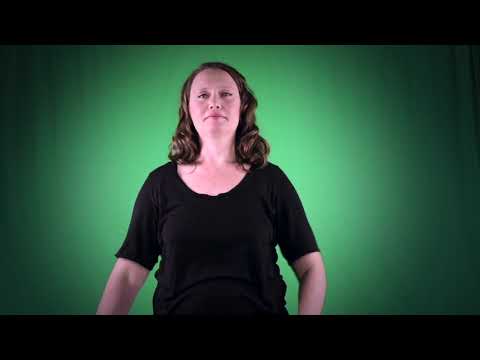
Sign for FREEWAY in ASL | ASL Dictionary

Definition: A highway designed for fast traffic.

Sign for FREEWAY in ASL

YouTube player

Practice Activities:

To practice the sign for FREEWAY in ASL, start by isolating the motion and handshape. Use a mirror to check hand placement as you perform the sign repeatedly, aiming for smooth, confident execution. Say the word silently or mouth it as you sign to build muscle memory.

Develop visual recognition by watching videos or flashcards featuring the sign for FREEWAY in ASL. Then, pause and reproduce the sign. Try shadowing exercises where you mimic a signing model in real-time to improve your fluency and timing.

Create simple sentences such as “I drive on the freeway every day” or “The freeway is busy.” Sign the full sentence while maintaining spatial consistency and facial expressions. Use a practice partner or record yourself to get feedback on clarity and accuracy.

Use role-play to simulate real-world scenarios. One person can pretend to ask for directions, and the other uses the sign for FREEWAY in ASL while responding with additional location signs. This builds conversational skills and encourages spontaneous use.

Storytelling is a great tool. Tell a short story about a road trip that includes references to the freeway, rest stops, and traffic. Incorporate directional and classifier signs to describe movement and vehicles on the freeway.

For a physical game, place flashcards with different transportation-related terms around a room. Sign the correct word after touching each card, making sure to emphasize the sign for FREEWAY in ASL and differentiate it from similar signs like ROAD or HIGHWAY.

Complete a visual journaling activity by drawing your daily commute and labeling it with ASL gloss, using the freeway as a central part. Then practice signing the report to a partner. Reinforce learning by including the sign for FREEWAY in ASL in daily conversations or discussion prompts about travel and transportation.

Cultural Context:

In American Sign Language, the sign for FREEWAY is commonly used to describe a major aspect of daily life in the United States. Freeways are essential to American transportation culture, especially in urban and suburban areas where long commutes are the norm. The sign for FREEWAY in ASL reflects how tied this concept is to the American experience of driving and road travel.

Understanding the sign for FREEWAY in ASL is important when discussing travel, navigation, or giving directions around cities. The freeway system is an iconic part of U.S. infrastructure and influences how people relate to space and movement. Whether you’re explaining a route or describing your commute, using the correct sign for FREEWAY in ASL helps convey your message clearly.

In Deaf culture, conversations often include detailed visual descriptions, especially when describing experiences or places. When someone shares a story about a road trip or daily travels, the sign for FREEWAY in ASL naturally appears. It allows for an enriched, visual narrative that reflects both the physical journey and the emotional connection to movement and independence.

Many ASL users live in areas where freeways are unavoidable, especially in places like California, Texas, and the Midwest. In these regions, the sign for FREEWAY in ASL is used frequently and may even appear in regional or localized signs depending on context. Including this sign in everyday conversation shows how ASL adapts to modern environments and regional differences.

The sign for FREEWAY in ASL also carries cultural weight when talking about accessibility. For many in the Deaf community, access to transportation means access to education, work, and community events. Knowing useful signs like the sign for FREEWAY in ASL empowers users to advocate for better navigation services and transportation resources.

In storytelling or casual conversation, ASL users may describe freeway traffic, accidents, road conditions, or landmarks seen while traveling. The sign for FREEWAY in ASL is an essential tool in these discussions, connecting everyday life to broader cultural experiences. It shows how Deaf people interact with and reflect on shared spaces within American car culture.

Being able to express locations and routes is also key for social connection within the Deaf community. Whether planning a meet-up or retelling a funny story about getting lost, using the sign for FREEWAY in ASL allows for vivid and relatable communication. It also provides an opportunity to connect through common challenges like heavy traffic or construction delays.

As ASL evolves with daily use, so does the use of signs like the sign for FREEWAY in ASL.

Extended Definition:

The sign for freeway in ASL is a directional, visually descriptive sign that mimics the concept of a highway or major road with multiple lanes. It’s a compound sign that combines elements representing cars, roads, and fast travel. In many cases, the sign uses both hands moving in parallel to indicate flowing traffic – a hallmark of freeway systems.

When learning the sign for freeway in ASL, it’s important to understand the cultural context. ASL often represents ideas visually, and the sign reflects this by showing how freeways function. Unlike smaller roads, freeways typically have on-ramps and off-ramps, multiple lanes, and high-speed traffic. The sign echoes this with hand movements that align with how traffic flows on such roads.

Because ASL is a visual language, the freeway sign might vary depending on region or experience. Some signers may use specific variations based on local signs for streets or highways. However, the general movement and direction remain consistent when expressing the concept of a freeway. It is always beneficial to observe fluent signers and practice the motion to capture the natural flow.

The sign for freeway in ASL may also be used in different contexts beyond just navigation. For example, in conversations about travel plans or transportation systems, the freeway sign becomes essential. In storytelling or discussions about road trips, using the proper freeway sign adds visual depth and clarity to your message. Understanding and using the freeway sign appropriately makes communication smoother and more engaging.

You might also encounter the term in educational settings where road signs, traffic safety, or directions are discussed in ASL. Teaching the sign for freeway in ASL often involves comparison with other road-related signs like street, highway, or road. This helps learners see how ASL expresses varying road hierarchies and their specific characteristics. Practice with these signs broadens vocabulary and understanding of spatial concepts in ASL.

Children and adults learning ASL benefit from using common real-world terms like freeway in their vocabulary. These signs are not only practical for daily use but also provide deeper insight into how visual language translates the physical world. Freeways, as large infrastructural features, play a key role in many stories, experiences, and descriptions, so knowing how to sign freeway accurately is incredibly useful.

When searching for the sign for freeway in ASL, you may also come across video demonstrations. These visual resources help clarify handshape, palm orientation, and motion. Watching signers use the sign in sentences can enhance your understanding and help with recall. Make

Synonyms: highway, expressway, interstate, thruway, turnpike

Educational resources: Find related learning materials in our course bank!

Want more? Check out some of our popular learning activities on the homepage!

Need to look up a sign? Use our highly rated dictionary: https://aslinteractive.com/best-asl-dictionary/

Follow us on tiktok: https://www.tiktok.com/@aslinteractive. More social media links at the bottom of this page!

Long-tail Keywords: what is the sign for Freeway in ASL, how do you sign Freeway in ASL, ASL sign for Freeway meaning

Categories:

tags: freeway in american sign language, how to sign freeway in ASL, ASL freeway sign, learn freeway in ASL, freeway meaning in ASL

Parameters

*Handshape*:

The handshape for the sign for FREEWAY in ASL involves both hands forming the “5” handshape. The fingers are spread apart, and the palms face downward. The hands move forward in a parallel, wave-like motion to indicate highway lanes, mimicking the smooth, flowing traffic on a freeway ️.

This visual representation in the sign for FREEWAY in ASL captures the concept of two roads running side by side. It’s a directional and spatial sign using open handshapes to emphasize the idea of movement and wide lanes.

*Palm Orientation*:

The palm orientation for the sign for FREEWAY in ASL typically involves both hands in the “5” handshape, with palms facing downward and slightly outward. As the hands move forward in a parallel motion, they remain palm-down, simulating the motion of vehicles moving along lanes of a freeway.

This specific palm orientation helps convey the concept of multiple lanes and continuous movement, which reinforces the meaning in the sign for FREEWAY in ASL ️. The orientation is crucial for maintaining clarity when using this sign in conversation.

*Location*:

The sign for FREEWAY in ASL is typically produced in the neutral space directly in front of the upper chest or shoulder area. This location allows for clear visibility of both hands as they create parallel movements that mimic the flow of cars on a multi-lane road.

The area allows the sign for FREEWAY in ASL to be performed smoothly without obstruction, representing the concept of fast-moving traffic. This neutral zone is ideal for conveying infrastructure-related signs like roads or transportation. ️

*Movement*:

To produce the sign for freeway in ASL, extend both hands into “I” handshapes (pinky fingers extended, other fingers folded in) and cross them at the wrists, palms facing down. Then, simultaneously move both hands forward and apart in a smooth, parallel motion, mimicking two vehicles traveling down separate freeway lanes.

This forward motion represents the divided lanes of a freeway, enhancing the visual meaning of the sign for freeway in ASL. Maintain a consistent and clear movement to ensure the concept is effectively conveyed. ️

*Non-Manual Signals*:

When demonstrating the sign for FREEWAY in ASL, the signer often maintains a neutral or slightly serious facial expression, emphasizing clarity and precision. This supports the directional movement of the hands that mimic vehicles traveling on a major road.

Eyebrows are relaxed, eyes track the motion of the hands subtly to indicate smooth traffic flow, and the head may stay still or slightly engage forward to add dynamic focus. These non-manual cues enhance the natural representation of the sign for FREEWAY in ASL ️.

*Prosody, Dominant/Non-Dominant Hand*:

The sign for FREEWAY in ASL typically uses both hands in a modified “5” handshape to mimic cars traveling on a road. The dominant hand and non-dominant hand move forward parallel to each other, representing lanes of traffic. This motion visually reflects the concept of a freeway or highway.

When showing the sign for FREEWAY in ASL, the prosody often includes a smooth, flowing movement to convey the idea of continuous driving or speed. Facial expressions may emphasize the vast, open nature of a freeway ️.

Tips for Beginners:

When learning the sign for FREEWAY in ASL, pay attention to hand placement and orientation. The sign uses both hands in the “F” handshape, making it easy to confuse with similar signs if you’re not careful. Keep your hands slightly apart and move them forward at a slight angle, passing by each other to show the concept of lanes or a road. Practicing in front of a mirror can help build muscle memory and ensure your positioning is symmetrical.

One of the common pitfalls when signing FREEWAY is turning the hands too sharply or placing them too far apart. This can confuse viewers and make the sign unclear. Keep movements relaxed but deliberate, and focus on consistent angles and spacing. Repetition during practice will lead to more natural and grounded signing.

It can be helpful to visualize cars on a multi-lane road as you perform the sign for FREEWAY in ASL. This mental image can support your hand motion and bring meaning to the sign, grounding your movements in real-world experience. You can also think about standing on an overpass looking at freeway traffic to align your spatial understanding with the sign.

Try signing the word in slower motion first and then gradually increase your speed. Clarity shouldn’t be sacrificed for speed, especially when communicating with beginners or in loud environments where visual expression is crucial. Many learners try rushing through signs—taking time to internalize movements builds a better foundation.

When using the sign for FREEWAY in ASL in conversation, it’s useful to include directional indicators if you’re referring to a specific freeway or direction. ASL thrives on context and visual referencing, so don’t hesitate to add pointing or directional shifts. Over time, signing freeway discussions will feel more effortless as you integrate spatial awareness and smooth transitions.

Connections to Other topics:

The sign for FREEWAY in ASL connects closely with transportation-related vocabulary, like ROAD, HIGHWAY, and BRIDGE. These signs often share similar handshapes and directional movements, helping learners develop a network of related signs. For example, the directional aspect of vehicle-related signs reinforces spatial referencing in ASL grammar.

This sign also ties into broader concepts of infrastructure, such as CITY or MAP, often used when giving directions or explaining locations. The sign for FREEWAY in ASL, especially when signed in the context of travel or navigation, may be naturally incorporated into longer phrases like “take freeway north” or “exit the freeway.” These contextual uses reinforce ASL’s visual and spatial structure, promoting higher fluency.

Learners can also explore compound signs like FREEWAY ENTRANCE or FREEWAY EXIT. Although these may be fingerspelled in some contexts, combining them with directional signs helps illustrate movement and transitions. Practicing these variations allows users to describe real-world scenes, such as road trips or commute routines.

The sign for FREEWAY in ASL can be further connected to concepts like TRAFFIC or JAM, which are often used together during conversations about transportation challenges. This naturally leads to understanding classifiers that depict cars, roads, and movement, like CL:3 to represent multiple vehicles traveling on a highway or freeway environment.

It’s also worth noting that regional variations or preferences may influence how freeway-related terms are signed, making it essential for learners to observe context and local use. Understanding the connections between the sign for FREEWAY in ASL and related directional, locational, and classifier-based signs enables more fluid expression in real conversations. Regular exposure to conversational signing and narratives about travel can deepen understanding and improve retention of these transportation-related terms. ️

Summary:

The sign for FREEWAY in ASL is deeply rooted in conveying movement, direction, and infrastructure. It traditionally involves using two flat B-hands moving forward in a parallel path away from the body, imitating the lanes of a road. This handshape and motion establish the visual metaphor central to many transportation-related signs in ASL.

The directionality of the sign captures the essence of a freeway’s long, expansive nature. The parallel movement mimics the uninterrupted flow of traffic, distinguishing it from signs like STREET or ROAD, which are more localized or limited in scale. This visual approach enhances clarity in spatial descriptions.

ASL users often rely heavily on spatial referencing. The sign for FREEWAY in ASL allows for nuanced depiction of routes using classifiers and role-shifting techniques. These augment the base sign, offering layers of meaning in dynamic narratives.

Corporeal classifiers often accompany this sign. For example, CL:3 can follow the freeway sign to show vehicle movement, exits, or even traffic jams. This makes scene description highly expressive and layered in real-time signing.

Understanding the sign for FREEWAY in ASL requires familiarity with ASL’s visual-gestural modality. It’s not just about gestures mimicking roads—it’s about anchoring concepts in shared visual terrain. This ties into fundamental linguistic aspects of ASL.

Iconicity plays a large role. With signs like FREEWAY, the form closely mirrors the intended concept. This creates accessibility for newer signers, aligning perception with sign formation in an intuitive way. Iconic signs often aid early acquisition.

The grammatical usage of the sign fits within larger categories of transportation and infrastructure lexicon. One might pair it in discourse with signs for TRUCK, CITY, EXIT, or TRAFFIC. This thematic network allows extended conversations about navigation, travel, or geography.

The sign also responds well to mood or context shifts. For example, the same basic movement can be exaggerated to imply long distances or done quickly to suggest urgency. Speed and facial expression help narrate the tone, much like intonation in spoken language.

Facial grammar is crucial when using the sign for FREEWAY in ASL. Raised eyebrows, squinted eyes, or directional pointing map terrain in vivid spatial detail. These non-manual markers increase the depth of storytelling.

From an applied linguistics view, the sign showcases ASL’s economy and expressiveness. Entire concepts (arterial roads, interstates, long-distance travel) condense into one often-modified sign. This economy is foundational for ASL fluency.

Culturally, the freeway is a distinctly American societal element. Its presence in ASL mirrors its everyday importance, especially in urban and suburban Deaf communities where commute talk is routine. Life around infrastructure finds voice in signs.

With Deaf travelers or commuters, the sign for FREEWAY in ASL often initiates a broader narrative. It sets the scene for explaining delays, detours, or driving experiences. This contextual grounding mirrors how hearing people might describe traffic.

Deaf storytelling—and especially visual vernacular—leverages this sign frequently. Especially in stories with themes of escape, journey, or speed, freeway symbolism appears. Signs like FREEWAY bring cinematic quality to performance ASL.

There are regional differences in some signs across the U.S., but the sign for FREEWAY in ASL is fairly standardized. Its clear iconic structure makes it less likely to vary across communities. Uniformity supports mutual understanding in Deaf culture.

Some variations may exist in emphasis or inclusion of directional classifiers. Yet most signers will recognize the standard depiction due to its frequent use in everyday settings. Occasion dictates whether embellishment is needed.

In classifier-rich environments like classroom storytelling or visual textbooks, the sign becomes foundational. A student learning to visually narrate a trip will start with freeway to chart their story’s geography. It acts as a scaffold point.

Language contact with English sometimes leads to fingerspelling of freeway in highly formal or academic contexts. Still, the visual sign is preferable due to speed and completeness. Fingerspelling might appear on news broadcasts or formal captions.

The keyword sign is often grouped semantically with highway, express route, and bypass. Though some systems might assign overlapping signs, spatial context and classifiers help define them distinctly. Freeway remains the broadest term.

Interestingly, freeway as a concept underscores movement without frequency stops, and the ASL sign reflects this continuity. The forward gesture echoes uninterrupted progression, aligning form and conceptual content beautifully.

In ASL grammar, topic-comment structure helps frame discussions involving the sign for FREEWAY. For example, one might sign FREEWAY (topic), then explain delay or route (comment). The sign initiates modal transitions in conversation.

Directionality can open up signed space. A signer may cross the signing space to simulate an eastbound or westbound direction, using the sign for freeway as an axis. Narrative becomes three-dimensional in such cases.

Want more? Check out some of our popular learning activities!

ASL Interactive Resources

ASLInteractive YouTube Channel

Follow us on tiktok: @aslinteractive.com

Follow us on Instagram: aslinteractive

Facebook page: aslinteractive

Facebook group: aslinteractive

LInkedIn: ASL Interactive LLC

Twitter: @ASL_interactive

*Some information on this page is AI-generated. AI can make mistakes. Please check the information.


Responses