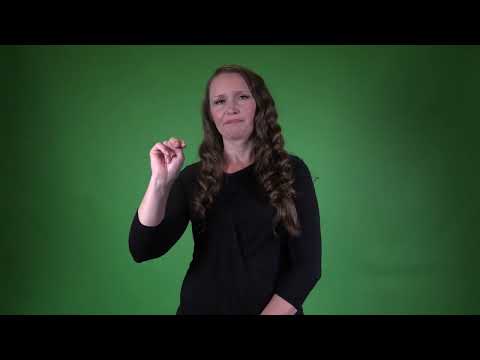
Sign for FS_FUN in ASL | ASL Dictionary

Definition: Enjoyment, amusement, or lighthearted pleasure.

Sign for FS_FUN in ASL

YouTube player

Practice Activities:

To build confidence with the sign for FS_FUN in ASL, start by fingerspelling the word slowly while watching yourself in the mirror. Focus on clear, distinct handshapes for each letter: F-U-N. Repeat it multiple times at a steady pace to develop accuracy, then gradually build speed without sacrificing clarity.

Next, move on to practicing the sign in context. Create simple sentences like “This game is FS_FUN” or “We had FS_FUN today.” Fingerspell the word in each sentence with proper timing and expression. Emphasize facial expressions to show that it’s a positive, enjoyable word. Repeat the sentences aloud as you sign to reinforce meaning.

Try storytelling exercises using the sign for FS_FUN in ASL. Think about a short memory or experience like visiting a park, having a holiday celebration, or playing with pets. As you retell the story in sign language, incorporate the sign wherever appropriate. For example, “My family laughed all night. That was so FS_FUN!” Practice telling your story in different ways with varied pacing.

Work with a partner and take turns describing your weekend or day, ensuring each person includes the sign for FS_FUN in ASL at least three times. Ask questions like “What was FS_FUN about your trip?” or “What do you find FS_FUN to do after school?” Respond using full ASL sentences to reinforce usage.

Use flashcards with different scenarios or pictures and sign whether the activity looks FS_FUN or not. Activities might include biking, eating pizza, reading, or doing homework. This helps learners connect meaning and fingerspelling fluency.

Lastly, record yourself using the sign for FS_FUN in ASL in different settings. Watching the playback helps identify areas to improve fingerspelling clarity, speed, and expressive signing. Repeat regularly for steady progress and confidence.

Cultural Context:

The sign for FS_FUN in ASL represents a fingerspelled version of the English word “fun.” In American Sign Language, fingerspelling is used for names, specific terms, and sometimes for stylistic or cultural emphasis. FS_FUN is often used in informal settings and conversations where the speaker wants to maintain the English word but express it through fingerspelling.

People in the Deaf community sometimes choose to fingerspell fun instead of using the standard sign to add clarity or personal expression. FS_FUN in ASL can feel more connected to English language users or be used when emphasizing the spelling for poetic, performative, or educational reasons. It’s also common when teaching kids to understand both spoken and signed vocabulary overlaps.

Fingerspelling in ASL has a unique cultural place and is not just a replacement for signs. It’s an essential linguistic feature that allows users to incorporate English directly while maintaining the rhythm and grammar of ASL. When someone uses the sign for FS_FUN in ASL, they are interacting with both Deaf culture and the broader bilingual experience many Deaf individuals navigate.

The choice between using the sign for fun and FS_FUN in ASL can be influenced by context, audience, and intention. In storytelling or performances, fingerspelling adds drama, rhythm, or highlighted meaning. FS_FUN could be a stylistic choice to allow the audience to slow down and focus on the concept or word being emphasized.

In online and text-based ASL teaching materials, FS_FUN is often included to highlight the differences between signed concepts and their English spellings. Teachers and learners use fingerspelling to develop fluency and to practice recognizing letters quickly within the flow of ASL. FS_FUN helps reinforce that bridge between the two languages.

In Deaf classrooms and households, the use of FS_FUN in ASL may also be encouraged to expose learners to both fingerspelling and vocabulary recognition. Cultural norms support a strong foundation in both ASL grammar and English literacy. FS_FUN is often seen when someone is echoing a written text, caption, or specific context where the word fun is referenced literally.

Deaf performers or influencers online might use FS_FUN in ASL as part of their unique style. This allows them to maintain an English word for SEO or keyword clarity in their captions or videos while using correct ASL presentation. It bridges communication for hearing audiences without sacrificing cultural authenticity.

FS_FUN in ASL also appears in digital ASL content, such as TikTok, Instagram, and YouTube tutorials. It helps

Extended Definition:

The sign for FS_FUN in ASL is a fingerspelled word rather than a traditional sign. FS stands for fingerspelling, which means each individual letter of the word “fun” is manually spelled out using the ASL alphabet. This approach is often used for words that either don’t have a common sign or are used as stylistic or lexical variations.

To sign FS_FUN in ASL, begin by forming the letter “F,” then “U,” and end with “N,” all in one smooth, fluid motion. Make sure the hand remains steady and palm orientation is clear for each letter. FS_FUN is especially important in conversations where clarity or emphasis is needed, and it’s commonly used among fluent signers in informal or expressive contexts.

Fingerspelling is a key component of American Sign Language, and knowing how to use FS_FUN helps develop more dynamic and flexible communication skills. This method can emphasize a word’s exact spelling, which is helpful in teaching the English version of the word or when referencing names, brands, or borrowings from spoken language. FS_FUN gives signers the ability to indicate the exact term rather than using a conceptual or idiomatic variation.

The use of the sign for FS_FUN in ASL may also depend on cultural and regional preferences. Some communities might favor the fingerspelled version for casual or expressive contexts, while others may prefer a conceptual sign for general use. Understanding when to use fingerspelling and when to use concept-based signs is part of becoming fluent and culturally aware in ASL.

FS_FUN, like other fingerspelled words, is often used in narratives or storytelling for added emphasis. It can convey a sense of playful energy or highlight something particularly exciting or entertaining. This stylistic choice adds variety to visual language and enhances engagement in signed communication.

When performing the sign for FS_FUN in ASL, facial expressions play a major role. A smiling or upbeat facial expression can underline the idea of enjoyment or amusement, syncing with the meaning of “fun.” This visual harmony between the hands and the face strengthens the overall clarity and emotion being communicated.

In digital spaces, such as vlogs or social media videos, FS_FUN is frequently used by ASL content creators. It’s easy to see and reproduce on camera, and it ensures the audience understands the exact word being signed. This makes it especially useful in educational videos, tutorials, and digital discussions where consistent clarity is needed.

Learning the sign for FS_FUN in ASL is a simple yet meaningful step

Synonyms: create, build, design, craft, develop

Educational resources: Find related learning materials in our course bank!

Want more? Check out some of our popular learning activities on the homepage!

Need to look up a sign? Use our highly rated dictionary: https://aslinteractive.com/best-asl-dictionary/

Follow us on tiktok: https://www.tiktok.com/@aslinteractive. More social media links at the bottom of this page!

Long-tail Keywords: what is the sign for fun in ASL, how do you sign fun in ASL, ASL sign for fun

Categories:

tags: fs_fun in ASL, fingerspelling fun ASL, how to sign fun in ASL, ASL fun fingerspelled, learn fs_fun American Sign Language

Parameters

*Handshape*:

The handshape for the Sign for FS_FUN in ASL involves fingerspelling each letter of the word “FUN.” This means using the standard FS alphabet handshapes for F, U, and N sequentially, typically with a smooth flow.

Each letter in the Sign for FS_FUN in ASL is shaped clearly and distinctly. The palm orientation generally stays forward, and the transition between letters should be fluid for clarity and expressiveness.

*Palm Orientation*:

The palm orientation in the sign for FS_FUN in ASL remains fairly consistent throughout the fingerspelling process. Each letter—F, U, and N—is articulated with the dominant hand facing outward, away from the signer’s body, maintaining a natural, relaxed posture.

As you produce each letter, the palm stays perpendicular to the floor, pointing forward . This orientation helps ensure clarity and visibility for the person receiving the sign for FS_FUN in ASL.

*Location*:

The sign for FS_FUN in ASL is produced using fingerspelling, so the location remains primarily in the neutral signing space in front of the torso. Each letter—F, U, and N—is formed sequentially with the dominant hand, staying within the mid-chest area to keep the sign clear and readable.

Since the sign for FS_FUN in ASL relies on accurate finger positioning, maintaining a steady location in front of the body helps ensure clarity. It does not touch the face or body, making it distinct from other initialized signs.

*Movement*:

To produce the sign for FS_FUN in ASL, begin by forming the manual alphabet letters F-U-N using the dominant hand. Each letter is clearly formed and transitions smoothly from one to the next, with a slight rhythmic wrist motion typical of fingerspelling.

When executing the sign for FS_FUN in ASL, ensure hand orientation remains consistent and moves slightly from the shoulder area toward the front. Maintain eye contact and a natural signing pace, indicating the casual and lively tone associated with the concept of fun .

*Non-Manual Signals*:

When signing the Sign for FS_FUN in ASL, the face should appear cheerful and expressive, often showing a light smile or playful expression . The signer may raise their eyebrows slightly and maintain relaxed eye contact to reflect the positive emotion associated with the concept of fun.

The Sign for FS_FUN in ASL benefits from energetic facial cues, such as a slightly tilted head or a quick nod, to reinforce enthusiasm. Non-manual signals help convey the lively and upbeat tone typically linked with this fingerspelled word.

*Prosody, Dominant/Non-Dominant Hand*:

The sign for FS_FUN in ASL uses the dominant hand to fingerspell each letter: F-U-N. The non-dominant hand stays still or rests at the side, while the dominant hand moves slightly in front of the body. It’s important to maintain clarity and correct handshapes while fingerspelling the sign for FS_FUN in ASL so it’s easily understood.

Maintaining a steady pace and neutral facial expression helps keep the focus on the fingerspelling. FS words like the sign for FS_FUN in ASL require clean, fluid motion to ensure accuracy.

Tips for Beginners:

When learning the sign for FS_FUN in ASL, remember that since this sign is fingerspelled, clarity and speed must be balanced carefully. Practice each letter of the word F-U-N individually first, focusing on correct handshape and fluid transitions. Your hand should stay in your signing space, ideally chest height, and avoid bouncing or wide movements that can make the word unclear.

Consistency in your palm orientation is also essential. The palm should face outward or slightly to the side depending on your signing style, but it must not vary through the sequence. For FS_FUN in ASL to be understood easily, make sure your letters are evenly paced and spaced, avoiding any overlap or inconsistent timing.

Eyes and facial expressions also enhance fingerspelling. Maintain eye contact with your conversation partner and use appropriate facial cues to match the tone of the word. Even though FS_FUN in ASL is a short fingerspelled word, a slight smile or expressive face can help communicate the concept of enjoyment associated with the term.

Practicing fingerspelling with a mirror or recording yourself can help detect errors in form or flow. Watching fluent signers spell FS_FUN in ASL through videos or in person can boost your familiarity with the rhythm and natural speed. Don’t be discouraged if you’re slow at first—building muscle memory takes time ⏳.

One common pitfall is confusing the letter F with the letter K, so give extra attention to forming a distinct circular shape with the index and thumb while the other fingers are extended. Also, be sure not to flick or jerk the hand during transitions—smoothness is key.

Lastly, fingerspelling drills involving real-life words like FS_FUN in ASL can increase finger coordination and spelling accuracy. Consistent daily practice, even for a few minutes, will greatly improve your fluency and confidence .

Connections to Other topics:

The sign for FS_FUN in ASL is fingerspelled, reflecting its origin from English vocabulary rather than a native ASL lexical sign. As it is fingerspelled, speakers often express it in casual or modern contexts where the cultural meaning of “fun” is emphasized. This connects FS_FUN to informal registers in ASL and allows signers to borrow directly from English in conversational settings.

Understanding the sign for FS_FUN in ASL opens the door to exploring other fingerspelled loanwords, especially slang and emotion-based terms like FS_COOL, FS_LOL, or FS_WOW. These signs are examples of how ASL continues to evolve through community use and borrowings. Students can benefit from observing the rhythm and speed changes in fingerspelling to note when a fingerspelled term becomes conventionalized.

FS_FUN also connects closely with signs related to emotions and social interaction. For instance, it may be paired with signs like PARTY, ENJOY, or EXCITED to describe social situations. In a sentence like “That party was so FS_FUN!” the tone, facial expression, and body language add expressive depth that is core to ASL communication.

Another connection is its use in compound phrases or storytelling, such as describing events where someone “had FS_FUN with FRIENDS.” Linking the sign for FS_FUN in ASL with emotive or group-related signs helps learners build fluency in creating expressive, context-rich sentences. FS_FUN may not be formalized into a standard sign, but it functions meaningfully in real conversations.

This sign also demonstrates ASL’s bilingual nature and how Deaf communities integrate English terms. It invites learners to become aware of the balance between traditional ASL signs and commonly used fingerspelled words, giving them greater cultural competence and communication ability. As such, the sign for FS_FUN in ASL represents both linguistic borrowing and evolving Deaf identity.

Summary:

The sign for FS_FUN in ASL uses fingerspelling, which means the word is spelled out letter-by-letter using the ASL manual alphabet. Fingerspelling in ASL often conveys specificity, emphasis, or clarity—especially for English loan words or unique terms. In this case, FS_FUN is spelled F-U-N using the dominant hand.

Since FS_FUN is fingerspelled, it requires clear articulation of each letter. The F is formed by touching the thumb and index finger into a circle while keeping the other fingers extended. After that, the U is produced by holding the index and middle finger together pointing upward. The last letter, N, places the thumb between the middle and ring fingers, with the other fingers tucked down.

Using fingerspelling for FS_FUN adds a linguistic layer to ASL communication, indicating that a concept is borrowed or that a direct ASL equivalent is either unavailable or unsuitable in that context. Users may choose a fingerspelled form to match a tone, style, or emphasis, such as in casual conversation or when quoting a specific written term. It’s an expressive tool as well as a formal device.

FS_FUN is often used in contexts where the speaker wants to retain a closer association with the English concept of “fun” rather than substituting an ASL sign with a similar but not identical meaning. There is also an ASL sign for “fun” which involves the U-handshape brushing down from the nose to the non-dominant U-hand resting horizontally. However, this differs from fingerspelling as the latter adds a tactile or visual rhythm tied closer to the English concept.

Using fingerspelling to represent FS_FUN can reflect a speaker’s code-switching ability, moving smoothly between ASL grammar and English influence. This is common among bilingual signers and shows the flexibility of ASL as a language system. Fingerspelled words also form part of ASL’s rich linguistic integration with its spoken counterpart.

In terms of cultural significance, FS_FUN might emerge more prominently in environments where Deaf and hearing people often interact, such as educational, social, or workplace settings. Fingerspelling in these contexts can reflect inclusion or clarification. It reinforces mutual understanding, especially with participants learning ASL or familiar with English words.

FS_FUN may appear frequently in peer-to-peer chat, digital communication, or signage within the Deaf community where visual access and clarity are essential. Video calls, text chats, and Visual Vernacular often feature such signs. It represents both a word and a meaningful use of a semiotic resource within ASL.

Fingerspelling, such as with FS_FUN in ASL, is an important milestone for ASL learners, as it demonstrates understanding of letter forms, rhythm, and flow. Beginners often drill common fingerspelled words to build fluency. FS_FUN provides an engaging entry point for practice because of its emotional resonance—it’s a lighthearted, expressive word.

From a grammatical viewpoint, FS_FUN functions as a noun and can often be combined with directional or temporal indicators within a sentence. While fingerspelling typically lacks tense or aspect markers, ASL users rely on context and non-manual markers to build meaning. One might use facial expressions or body shifts to indicate sarcasm, genuine enjoyment, or emphasis.

The tactile and visual rhythm of fingerspelling FS_FUN adds emphasis in storytelling. In Visual Vernacular or narrative signing, drawing out each letter slowly or rapidly can reinforce the emotional context. This layered use showcases ASL’s multi-modal communication system.

Unlike signs grounded in ASL-specific morphology, FS_FUN’s articulation depends on the English spelling of the concept. This creates phonological transparency, where each shape maps directly to a letter, serving as a clear path between spoken and signed language. However, ASL’s grammar governs how FS_FUN fits within signing space, prosody, and syntax.

Some signers utilize FS_FUN in tandem with the traditional ASL sign for “fun” as a way to reinforce meaning or bridge lexical gaps. This dual expression may be used for emphasis or depending on the social setting. Such bilingual maneuvers show the adaptive nature of ASL communication.

FS_FUN also reflects ASL’s lexicon expansion and linguistic borrowing tendencies. As new words and expressions enter the Deaf community via social media or public discourse, fingerspelling serves as the front-line strategy for inclusion. Over time, some may evolve into lexicalized signs, which fingerspelled words can do—though FS_FUN typically remains spelled out.

The repetition and modeling of fingerspelled words like FS_FUN helps establish them in a signer’s vocabulary bank. Fluency in fingerspelling improves overall ASL comprehension and production. Moreover, FS_FUN provides a vivid, positive term ideal for reinforcing expressive signing.

In conversation, FS_FUN might pair with enhanced facial expressions—eyebrows up, a wide smile, or shoulder dancing—to amplify its meaning. These non-manual cues are pivotal in ASL grammar and help disambiguate meanings.

Want more? Check out some of our popular learning activities!

ASL Interactive Resources

ASLInteractive YouTube Channel

Follow us on tiktok: @aslinteractive.com

Follow us on Instagram: aslinteractive

Facebook page: aslinteractive

Facebook group: aslinteractive

LInkedIn: ASL Interactive LLC

Twitter: @ASL_interactive

*Some information on this page is AI-generated. AI can make mistakes. Please check the information.


Responses