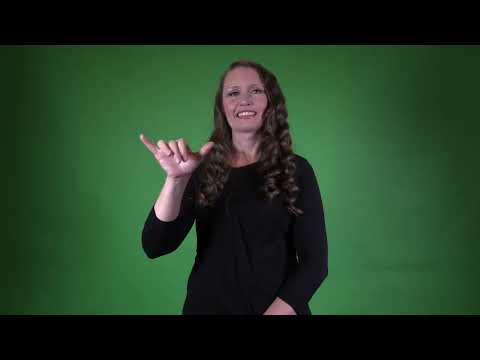
Sign for FS_KEYS in ASL | ASL Dictionary

Definition: Small pieces of shaped metal for operating a lock. Sign for FS_KEYS in ASL
YouTube player
Practice Activities: To begin practicing the sign for FS_KEYS in ASL, start by fingerspelling the word “keys” clearly and smoothly. Stand in front of a mirror and focus on each letter—K, E, Y, and S—ensuring proper handshape and palm orientation. Practicing this slowly at first helps with muscle memory and accuracy. Next, increase your fingerspelling speed while keeping clarity. You can use flashcards with the word “keys” printed and fingerspell it every time you flip the card. Try recording yourself to evaluate your fluidity and correct any sloppy transitions between letters. Practice using the sign for FS_KEYS in ASL in simple sentences. Examples include “I lost my keys,” “Where are my keys?” and “These are my car keys.” Fingerspell FS_KEYS slowly and naturally within your signing to maintain the flow of conversation. For added practice, fingerspell it while describing color or location, such as “blue keys” or “keys on the table.” Create a storytelling prompt involving the sign for FS_KEYS in ASL. Describe a situation where someone is locked out of their house or searching in different places to find their keys. Use related vocabulary like DOOR, CAR, HELP, and LOSE to enrich your story while integrating the fingerspelled word multiple times. Work with a partner by playing a memory game where one person hides imaginary keys in various “locations” around a room, and the other asks where the keys are using ASL. Alternate roles and incorporate other fingerspelled items to expand your vocabulary. For expressive practice, sign out a to-do list that involves using keys: unlocking a locker, starting a car, or entering an office. Focus on smooth transitions between signs and fingerspelling. Frequent repetition of the sign for FS_KEYS in ASL builds fluency and confidence in both isolated and contextual use.

Cultural Context:

In American Sign Language, understanding the sign for FS_KEYS in ASL involves more than just learning handshapes. It often reflects the unique cultural context of how Deaf individuals interact with everyday objects like keys. In this case, the FS in FS_KEYS stands for fingerspelling, a method commonly used when there is no established sign for a specific word or when precision is needed. The sign for FS_KEYS in ASL is typically used when referencing physical keys—like house keys, car keys, or mailbox keys. Deaf signers may choose to fingerspell KEYS entirely or combine a sign for “key” with fingerspelling when referring to specific types, especially in formal or technical settings. This practice showcases the flexibility of ASL and its ability to adapt to complex vocabulary. Culturally, keys are associated with independence and responsibility in the Deaf community, just as they are in the hearing world. The sign for FS_KEYS in ASL might come up frequently in conversations about housing, transportation, access, and employment. These themes are important in Deaf culture, where communication access and self-reliance are highly valued. ASL is not a direct translation of English words, and that’s especially true for terms like FS_KEYS. Fingerspelling allows for clarity when a standard sign doesn’t exist or is uncommon. Using the sign for FS_KEYS in ASL correctly shows awareness of both language and cultural norms. It’s part of respectful communication and an understanding of the visual and spatial nature of ASL. In Deaf spaces, people may ask if you have the keys, need keys, or lost your keys—all requiring the use of a fingerspelled or signed concept. The sign for FS_KEYS in ASL supports everyday exchanges and storytelling, particularly when setting up scenes or actions involving locked spaces or access control. Context often determines how fast or slow the fingerspelling is, and whether it’s paired with mimetic gestures for unlocking. Technology has also influenced the use of the sign for FS_KEYS in ASL. With digital keys and smart systems becoming popular, fingerspelling KEY can be flexible to include newer uses. When specific brands or device names are involved, fingerspelling becomes essential for clarity. This aligns with ASL’s evolving nature, keeping up with cultural and technological trends. Deaf culture embraces creativity in communication, and the sign for FS_KEYS in ASL showcases this creativity. It might appear in classroom instruction, workplace settings, or during social interactions

Extended Definition:

The sign for FS_KEYS in ASL refers to the fingerspelled version of the word “keys.” In American Sign Language, some words do not have a unique sign and are spelled out letter by letter using the ASL alphabet. When you see FS before a word in ASL, it stands for “fingerspelled,” indicating that the word is signed by using the alphabet handshapes. When producing the sign for FS_KEYS in ASL, each letter K-E-Y-S is shown separately and clearly. Finger spelling is often used for proper nouns, technical terms, brand names, or when there’s no existing standardized sign. It is important to maintain proper hand positioning and rhythm when fingerspelling to ensure clear communication . FS_KEYS can appear in conversations when referring to physical keys, like house keys or car keys, especially when context makes it clear what is being discussed. Sometimes, if a signer uses FS_KEYS often in communication, they might modify the motion slightly for speed, but the base fingerspelling remains the same. Facial expressions and context help reinforce the meaning during fingerspelling. The sign for FS_KEYS in ASL may be used when talking about security, unlocking something, or giving someone access. Since FS_KEYS is fingerspelled, it’s essential to understand the alphabet in ASL to both express and comprehend it correctly. Beginners may need to practice to recognize FS_KEYS fluently and at a conversational pace ️. In a classroom or learning environment, instructors might use FS_KEYS when teaching about objects found on a keyring or personal items people carry daily. Because the word “keys” is common, the sign for FS_KEYS in ASL appears frequently in everyday signing. Over time, frequent exposure to fingerspelled signs like FS_KEYS helps improve receptive skills. Native signers and fluent users often fingerspell FS_KEYS with smooth transitions between each letter. This speed can make it look like a fluid single sign to beginners, but it’s actually four distinct handshapes. Watching videos of the sign from different angles can help learners understand how to produce FS_KEYS correctly. Technology has influenced the frequency of FS_KEYS in ASL conversations more than ever. With key fobs, digital keys, and app-controlled access, discussing keys requires updated vocabulary, but sometimes FS_KEYS remains the best option to describe the object. The simplicity of fingerspelling makes it an essential tool in evolving conversations. For storytelling and roleplay, classifiers might be used after signing FS_KEYS to show Synonyms: finger-spelling keys, fingerspelling keys, FS keys, ASL fingerspelling keys, manual alphabet keys Educational resources: Find related learning materials in our course bank! Want more? Check out some of our popular learning activities on the homepage! Need to look up a sign? Use our highly rated dictionary: https://aslinteractive.com/best-asl-dictionary/ Follow us on tiktok: https://www.tiktok.com/@aslinteractive. More social media links at the bottom of this page! Long-tail Keywords: Understood! Please provide an “fs_keys” item so I can generate the long-tail keywords for it. Categories: tags: fingerspelling keys in ASL, FS keys American Sign Language, ASL finger spelling shortcuts, sign language FS techniques, American Sign Language fingerspelling tips

Parameters

*Handshape*:
The handshape for the Sign for FS_KEYS in ASL uses the foundational fingerspelling approach, where each letter in the word “keys” is spelled out individually using appropriate handshapes. Start with a “K” handshape by extending the middle and index fingers in a “V” shape while the thumb touches the base of the middle finger. Continue with “E,” “Y,” and “S,” using flat and curved fingers as required. Since the Sign for FS_KEYS in ASL is fingerspelled, clarity and precision in each handshape are essential for recognition .
*Palm Orientation*:
The palm orientation for the sign for FS_KEYS in ASL during fingerspelling typically faces outward or slightly toward the non-dominant side, depending on the speed and clarity needed. Each letter in the fingerspelled word is produced with the dominant hand while keeping the palm generally forward to maintain visibility. When signing the sign for FS_KEYS in ASL, it’s important to keep the palm neutral and slightly relaxed to ensure smooth transitions between the letters. Clear palm orientation helps maintain accuracy and fluency in the fingerspelling. ️
*Location*:
The sign for FS_KEYS in ASL is produced in the neutral signing space in front of the torso, at chest level. The fingerspelling begins with the dominant hand, held comfortably in front of the body, ensuring clear visibility of each letter in the word “KEYS” from the audience’s perspective. To clearly convey the sign for FS_KEYS in ASL, maintain steady hand positioning and consistent pacing through each letter. This location ensures clarity and avoids obstruction from the face or other body parts. ️
*Movement*:
To show the sign for FS_KEYS in ASL, begin by fingerspelling K-E-Y-S clearly with your dominant hand, maintaining palm orientation forward and relaxed. Each letter should be formed precisely and flow smoothly from one to the next while keeping a steady rhythm. When doing the sign for FS_KEYS in ASL, keep your hand at about chest level and ensure that each letter is easily visible. The movement is minimal between letters, focusing instead on the clear formation of each shape to convey the fingerspelled word accurately .
*Non-Manual Signals*:
When producing the sign for FS_KEYS in ASL, maintain a neutral or slightly focused facial expression, depending on context. If emphasizing the importance or urgency of the keys, raise your eyebrows slightly or tighten your lips for added emphasis . Mouth movements are minimal since the sign for FS_KEYS in ASL is fingerspelled, but mouthing the word “keys” softly can help clarify meaning. Keep eye contact and head position steady to support the clarity of this fingerspelled sign.
*Prosody, Dominant/Non-Dominant Hand*:
To produce the sign for FS_KEYS in ASL, fingerspell the word “KEYS” using your dominant hand. Each letter—K, E, Y, S—is signed in succession, with a slight pause between letters to ensure clarity. The non-dominant hand remains still unless used for emphasis or rhythm during prosodic signing. When using the sign for FS_KEYS in ASL, maintain a comfortable posture and fluid motion to reflect natural conversational flow. ️

Tips for Beginners:

When learning the sign for FS_KEYS in ASL, remember that this is a fingerspelled word. That means you’ll be spelling K-E-Y-S using the manual alphabet. Make sure your fingers are clearly visible and maintain proper handshape transitions. Practice each letter individually first before attempting to spell the full word smoothly. One common beginner mistake when fingerspelling the sign for FS_KEYS in ASL is rushing through the letters. Each letter needs to be distinct, and blurring letters together can make your message unclear. Focus on fluid but deliberate movements. Practicing slowly at first helps strengthen muscle memory. Maintain a neutral facial expression and consistent eye contact when spelling FS_KEYS. Sign slightly in front of your shoulder at chest level, not too high or too low. Try not to let your hand bounce as you spell, which can be distracting and hard to follow for the viewer. RSI (repetitive strain injury) is something to be aware of, especially when learning to fingerspell frequently used words like the sign for FS_KEYS in ASL. Stretch your fingers and wrists before and after signing sessions. Frequent breaks will help avoid fatigue and promote clarity in your movements. ️ When fingerspelling FS_KEYS in conversation, context helps. Signers often prefer to use actual signs when available, but with proper fingerspelling, even less common words like this can be communicated successfully. Be sure the viewer is ready before you begin fingerspelling, and pause if needed based on their cues. Watch videos or mirror yourself spelling FS_KEYS. Visual feedback is essential. Compare your handshapes side-by-side with a model or instructor. Repetition builds confidence and accuracy. Don’t be afraid to ask fluent signers for feedback—clear fingerspelling is a skill all learners improve over time. Keep practicing the sign for FS_KEYS in ASL until it feels natural.

Connections to Other topics:

The sign for FS_KEYS in ASL is a fingerspelled representation of the word “keys,” which connects directly to a variety of everyday concepts in ASL. Fingerspelling is often used for specific nouns like brand names, proper names, or when precision is important, such as with FS_KEYS. It reinforces foundational fingerspelling fluency, which is crucial for clear communication in contexts where no standardized sign exists. The fingerspelled sign for FS_KEYS can be linked with location-based or object-oriented signs, such as DOOR, CAR, and LOCK. For instance, a user may sign FS_KEYS followed by DOOR to indicate needing keys for the door. This introduces the learner to the structure and flow of sequential signs to form more complex ideas. FS_KEYS is also useful when teaching topics related to personal possessions, home security , or travel preparation. It appears in compound ideas like FS_KEYS LOST or FS_KEYS FIND, which are often used in narrative or real-life signing scenarios. These combinations encourage learners to practice sequencing and transitions between fingerspelling and standard signs smoothly. In emergency situations or storytelling contexts, the sign for FS_KEYS in ASL can appear in scenarios such as FS_KEYS LOCK-IN or FS_KEYS STOLEN. These contextual uses make the sign highly functional and promote expressive storytelling skills, a key element of ASL fluency. It also opens up discussions about how to sign similar object-related vocabulary such as FS_WALLET or FS_PHONE. Learning to sign FS_KEYS in ASL emphasizes the importance of handshape clarity, letter transitions, and appropriate speed. It also supports discussions around classifiers, as learners may later transition from fingerspelling to using a classifier that represents a key for repeated references. This progression is common in conversations where an object is first introduced with FS and then referenced more dynamically.

Summary:

The sign for FS_KEYS in ASL involves fingerspelling each individual letter: K-E-Y-S. As a fingerspelled sign, it’s frequently used in cases where a specific reference to physical keys is intended, such as house keys, car keys, or symbolic representations like keys of knowledge. Since it’s fingerspelled, accuracy in handshape and letter formation is especially important. Fingerspelling is an integral tool in American Sign Language, especially when signs for specific nouns don’t exist or when clarity is crucial. The sign for FS_KEYS in ASL is typically used when introducing the word for the first time in conversation. After that, a classifier or contextual cue might be used instead to refer back to the same item. When fingerspelling FS_KEYS, the signer holds a neutral to somewhat raised signing space for clear visibility, usually at chest level. The handshape transitions swiftly through the K-E-Y-S sequence using the dominant hand, with palm orientation generally facing the viewer. Each letter must be crisp and smoothly connected to maintain intelligibility. In expressive signing, FS_KEYS can be accompanied by a specific facial expression to indicate urgency, such as losing keys or searching for them. Non-manual markers significantly enhance the meaning of the fingerspelled word. For example, raised eyebrows or a head tilt can convey surprise or realization in storytelling. The sign for FS_KEYS in ASL is essential in a variety of everyday life contexts. It’s commonly used in narratives involving apartments, travel, security systems, or vehicles. Because keys often symbolize access or control, the sign carries both concrete and metaphorical significance. Linguistically, the fingerspelled nature of FS_KEYS ties it directly into the structure of ASL morphology. Fingerspelling often serves to borrow words from English, especially where equivalent signs aren’t standardized. It expands the lexicon of ASL without compromising the grammar of the language. From the perspective of phonology in ASL, the fluid transitions between the letters K, E, Y, and S in the sign for FS_KEYS highlight how fingerspelling blends discrete handshapes into a continuous unit of meaning. The segmental and suprasegmental features contribute to the rhythm and fluency of the sign. Proper spacing and rhythm are critical to ensure that each letter is recognized individually. In community settings, the sign for FS_KEYS in ASL is very common across age groups. For young signers or learners, keys are easy objects to relate to, making FS_KEYS a practical vocabulary word early on. Parents and educators often use the sign in routines related to safety or responsibility. Fingerspelled signs like FS_KEYS allow for direct access to written and spoken English vocabulary. This bridges communication among Deaf, hard-of-hearing, and hearing participants in multilingual environments. It also serves to reinforce print literacy by linking fingerspelling with the orthographic form of the word. When teaching ASL in structured environments, FS_KEYS usually appears as part of practical vocabulary labs or thematic instruction around home, security, or travel. It’s often used alongside object signs like LOCK, DOOR, and CAR. This group of related signs provides contextual coherence in lessons. Culturally, the concept of “keys” carries metaphorical weight in the Deaf community. FS_KEYS in ASL may be applied when talking about having access to information, opportunities, or Deaf identity. Its usage may extend beyond the physical item to symbolize empowerment or inclusion. In artistic ASL storytelling, the sign for FS_KEYS in ASL enables nuanced representations where the keys symbolize secrets, transitions, or discovery. Poets and performers may employ fingerspelling for emphasis or to stylistically link English and ASL in visually compelling ways. Because fingerspelling has a rhythm and pace, it adds texture to the poem or narrative. FS_KEYS may also appear in tactile signing for DeafBlind individuals. In that modality, the signer adjusts fingerspelling technique to accommodate hand-over-hand reception. The tactile adaptation ensures that the same clarity and expressiveness is maintained in a non-visual communication context. The usage of FS_KEYS in ASL highlights the adaptability of the language. Depending on the context, the signer might transition from fingerspelling to using an initialized classifier or mimetic gesture to refer to keys repeatedly. This demonstrates the natural shift from formal lexicon to spatial representation in narrative ASL. FS_KEYS often ties into themes of legality, privacy, and access within Deaf discourse. Discussing policies regarding workplace access, voting, housing, or driving may prompt the use of this sign. The concept of having or lacking keys could mirror broader conversations about barriers and rights. From an applied linguistic point of view, the sign for FS_KEYS in ASL exemplifies lexical borrowing and integration of external language resources. Though originally an English-derived word, it achieves expressive depth in ASL through fingerspelling and contextual layering. This process reflects ASL’s openness and distinctive grammar. There are variations in how different signers may produce FS_KEYS, especially influenced by

Want more? Check out some of our popular learning activities!

ASL Interactive Resources

ASLInteractive YouTube Channel

Follow us on tiktok: @aslinteractive.com

Follow us on Instagram: aslinteractive

Facebook page: aslinteractive

Facebook group: aslinteractive

LInkedIn: ASL Interactive LLC

Twitter: @ASL_interactive

*Some information on this page is AI-generated. AI can make mistakes. Please check the information.  

Responses