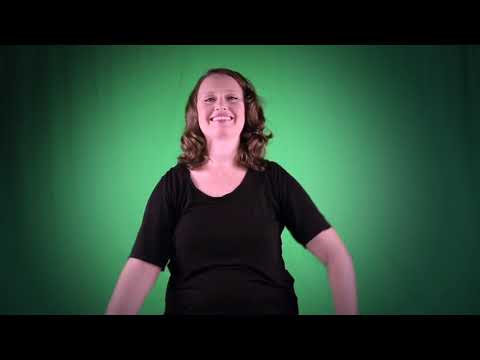
Sign for HANDSBEHINDHEAD in ASL | ‍♂️ ASL Dictionary

Definition: Placing one’s hands behind the head, often as a gesture of relaxation.

Sign for HANDSBEHINDHEAD in ASL

YouTube player

Practice Activities:

Begin by practicing the sign for HANDSBEHINDHEAD in ASL in front of a mirror. Focus on the hand placement and body posture, as this sign is heavily dependent on positioning. Repeat the sign slowly, making sure your elbows are pointed outward and your fingertips are interlaced or resting gently behind your head.

Once comfortable with the isolated sign, try using it in various sentences like “I relaxed with my hands behind my head” or “He was thinking hard, hands behind head.” Sign these in context, observing facial expressions that match the tone—calm, thoughtful, or even smug, depending on your scenario. Try signing at different speeds while maintaining clarity.

Create a list of short action sequences, such as lounging on a chair or dreaming in bed, and incorporate the sign for HANDSBEHINDHEAD in ASL into each sequence. Act them out without speaking, encouraging others to guess the context based on your signs. This supports expressive skills and sign fluency.

Pair up with a practice partner. Take turns describing people or characters who demonstrate this action. For example, “The little boy sat, hands behind head, watching the sky.” This helps apply the sign in storytelling and descriptive narratives.

Use storytelling as a creative activity. Create a short story where someone uses the sign for HANDSBEHINDHEAD in ASL naturally. You might narrate a lazy afternoon at the beach or someone deep in thought on their bed. Sign the whole story, including transitions and expressions.

Film yourself signing a short monologue or scenario using the sign. Watch it back and note your clarity, body posture, and timing. Finally, review ASL dialogues or songs that use relaxed or reflective postures, identifying moments where this sign could be appropriately used or substituted to enhance storytelling.

Cultural Context:

In American Sign Language, the sign for HANDSBEHINDHEAD in ASL can carry multiple meanings depending on the context, facial expressions, and body language. Understanding the cultural context of this sign is important to avoid miscommunication and connect authentically with the Deaf community.

The sign for HANDSBEHINDHEAD in ASL is often used to convey a relaxed or casual posture. Culturally, it may be understood as someone lounging or resting in a carefree manner. When used in a social conversation, it can help express a laid-back attitude without needing to rely on spoken language.

However, the same sign can also take on more complex or serious undertones depending on the interaction. For example, in certain situations, the sign for HANDSBEHINDHEAD in ASL may imply someone surrendering or following a request to put their hands behind their head. This interpretation often appears in situations that mimic law enforcement or a sense of authority.

In classroom or family settings, the sign might be playful or teasing, showing someone who is exaggerating relaxation or pretending to be innocent. Facial expressions and tone of movement play a big role in how the sign for HANDSBEHINDHEAD in ASL is received. Learning the subtle shifts in meaning from these non-manual signals is part of becoming fluent in ASL and Deaf culture.

The context of the conversation matters greatly. When someone signs HANDSBEHINDHEAD in ASL during a storytelling moment, it can set a visual scene that helps listeners follow the narrative. This visual element is part of what makes ASL engaging and culturally rich. The sign carries visual cues that help bring stories to life within Deaf culture.

ASL users also adapt physical expressions like the sign for HANDSBEHINDHEAD in ASL to express idioms or emotional states. For instance, it may be used in combination with other signs to show that someone is overwhelmed or giving up. These layered meanings are typical in ASL and depend heavily on how the whole body communicates.

In some regions, the sign for HANDSBEHINDHEAD in ASL may have different variations or be used more commonly in certain age groups or settings. This diversity reflects the flexibility of ASL and the importance of local and community-specific use. Deaf culture celebrates this variability as a sign of creativity and identity.

It is important for learners and allies to understand the nuances in using the sign for HANDSBEHINDHEAD in ASL. Learning ASL includes more

Extended Definition:

The sign for HANDSBEHINDHEAD in ASL is a visual representation that mimics the action of placing both hands behind the head. This sign is commonly used in contexts where someone is relaxing, lying down, or taking a leisurely break. It may also appear in storytelling or narratives involving gestures that convey mood or physical positions.

To sign HANDSBEHINDHEAD in ASL, both hands are typically open and moved to the back of the head, with elbows pointing outward. The motion and placement capture the essence of putting one’s hands behind their head—a position often associated with rest or contemplation. Because ASL relies on expressive body language, the facial expression used with this sign often helps clarify the meaning, whether it’s relaxation or being deep in thought .

The sign for HANDSBEHINDHEAD in ASL can also be used in idiomatic ways. For example, it might be adopted when describing a character in a story who is lounging or displaying confidence. In some social situations, the same posture can suggest someone is being casual or even dismissive, depending on the tone and accompanying signs.

It’s important to note that the sign for HANDSBEHINDHEAD in ASL is not commonly found in daily conversations unless the context specifically calls for describing that body position. It tends to appear more in storytelling, theatrical ASL performances, and descriptive narratives. When used, it adds a rich layer of meaning through non-manual markers such as posture and facial cues.

When teaching or learning the sign for HANDSBEHINDHEAD in ASL, visual context is key. Because it’s not a sign that represents a single English word but rather a physical condition or gesture, it helps learners to see it demonstrated rather than described. Deaf performers and ASL teachers may often use it when explaining physical scenarios or interpreting visual scenes into sign language.

Another practical function of the sign is to denote physical instructions. For instance, in settings like fitness classes or guided activities, the sign for HANDSBEHINDHEAD in ASL might be used to instruct someone to place their hands in that position. In this sense, the sign moves beyond grammar into the realm of real-world application through gesture.

Cultural context can also influence the interpretation of the sign. In some cases, placing hands behind one’s head might carry different connotations based on the scenario—ranging from comfort to surrender. The versatility of how the sign for HANDSBEHINDHEAD in ASL is expressed lies

Synonyms: relaxed posture, arms behind head, leaning back with hands behind head, reclining with hands behind head, laid-back position

Educational resources: Find related learning materials in our course bank!

Want more? Check out some of our popular learning activities on the homepage!

Need to look up a sign? Use our highly rated dictionary: https://aslinteractive.com/best-asl-dictionary/

Follow us on tiktok: https://www.tiktok.com/@aslinteractive. More social media links at the bottom of this page!

Long-tail Keywords: what is the sign for hands behind head in ASL, how do you sign hands behind head in ASL, ASL sign for hands behind head

Categories:

tags: hands behind the head ASL, ASL body language, ASL relaxation signs, ASL gestures for posture, American Sign Language nonverbal cues

Parameters

*Handshape*:

The handshape for the sign for HANDSBEHINDHEAD in ASL uses relaxed open “B” hands. Both hands start near the sides of the head with fingers pointing slightly backward . The hands then move behind the head and rest at the upper neck, mimicking a relaxed position as when reclining.

In the sign for HANDSBEHINDHEAD in ASL, the palms typically face outward or downward once behind the head. The fingers are together but relaxed, emphasizing a comfortable pose.

*Palm Orientation*:

For the sign for HANDSBEHINDHEAD in ASL, both palms face downward initially, with fingers relaxed. As the hands move up toward the back of the head, the palms rotate slightly to face backward or inward, depending on the signer’s comfort and perspective. The hands rest lightly behind the head, indicating a casual, relaxed position, which reflects the meaning of the sign for HANDSBEHINDHEAD in ASL.

*Location*:

The sign for HANDSBEHINDHEAD in ASL is typically formed near the upper part of the head, slightly behind and above the ears. Both hands move to rest behind the head, often with fingers interlaced or touching each other, indicating a relaxed or thoughtful pose.

This location is entirely within the head area, emphasizing the positioning of the hands behind the head. The sign for HANDSBEHINDHEAD in ASL focuses on natural body placement to convey meaning clearly and visually.

*Movement*:

Both hands start in open palm-5 handshapes at about shoulder level, palms facing forward. Bring the hands up and around so that the fingertips touch or rest lightly behind the head near the neck. The elbows flare slightly outward as the hands settle into position.

The sign for HANDSBEHINDHEAD in ASL mimics the natural gesture of resting your hands relaxed behind your head, often associated with comfort, rest, or deep thought. This sign uses calm and controlled movement to convey that visual meaning.

*Non-Manual Signals*:

The non-manual signals for the sign for HANDSBEHINDHEAD in ASL typically involve a relaxed facial expression, indicating a casual or restful demeanor. Eyebrows may be neutral or slightly raised, complementing the physical gesture of placing both hands behind the head.

Since the sign for HANDSBEHINDHEAD in ASL often conveys ease or contemplation, the signer’s eyes may look upward or forward without tension. A small smile or neutral mouth confirms the nonchalant or thoughtful attitude inherent in this expression.

*Prosody, Dominant/Non-Dominant Hand*:

The sign for HANDSBEHINDHEAD in ASL uses both the dominant and non-dominant hands equally. Start by bringing both open hands up, with palms facing downward or slightly backward near the head. The fingertips rest gently behind the head, elbows pointing outward, mimicking a relaxed or resting gesture.

This sign for HANDSBEHINDHEAD in ASL often conveys relaxation, confidence, or contemplation, depending on facial expression. Both hands mirror each other in movement and position, with no dominant hand taking the lead. Use a calm facial expression for the most natural delivery. ‍♂️

Tips for Beginners:

When learning the sign for HANDSBEHINDHEAD in ASL, it’s important to focus on body placement and posture. This sign is more of a descriptive gesture rather than a standardized lexical item, so clarity matters. Practice calmly placing both open hands behind your head, with fingers spread and relaxed, as if you’re reclining or demonstrating a casual or thinking posture.

Because the sign for HANDSBEHINDHEAD in ASL often represents a descriptive or classifying function—such as someone relaxing or conveying a character’s attitude—facial expressions are important. Don’t forget to match the sign with an appropriate non-manual signal like a relaxed or playful expression. ASL uses the entire body to convey meaning, so use your face and posture to reinforce the sign.

One helpful tip for beginners is to use a mirror or record yourself while practicing to check hand placement and body alignment. Watch for common mistakes like placing the hands too low, too far apart, or overlapping them in an unnatural way. The sign should feel and look natural, like you are casually resting your hands behind your head.

Keep in mind that the sign for HANDSBEHINDHEAD in ASL can vary depending on context. It could be used in storytelling, classifiers, or even role-shifting to depict a character’s actions. Be flexible in expression but accurate in physical movement—keep fingers spread and palms open, not clenched or closed.

A great way to improve is by observing native signers using the sign in different contexts like roleplay, narratives, or jokes. Try applying the sign in your own storytelling to build muscle memory and comfort. Consistency and daily practice will boost your fluency and help you sign naturally over time.

Connections to Other topics:

The sign for HANDSBEHINDHEAD in ASL connects to body language and spatial referencing, both critical aspects of non-manual markers in American Sign Language. Since the gesture typically mimics putting both hands behind the head, it’s situated in a broader framework of classifier usage and physical representation. This helps with visual storytelling, especially in contexts like rest, surrender, or casual posture.

This sign is often part of social narratives, where the body’s positioning conveys mood or attitude. It can be associated with signs for RELAX, THINK, or even ARREST depending on facial expressions and sentence flow. The sign for HANDSBEHINDHEAD in ASL conveys not just a physical action but also emotional tone, making it flexible for both literal and metaphorical uses.

In storytelling or visual descriptions, you may see the sign incorporated into larger sequences. For example, describing a person “lying in bed thinking” could involve the sign for HANDSBEHINDHEAD in ASL followed by signs for BED and THINK. This illustrates how spatial referencing supports deeper narrative representation.

Students learning classifiers might encounter similar signs using body anchoring. Comparisons can be made with the signs for HANDSBEHINDBACK or ARMSCROSSED, where hand placement and facial cues alter meaning. Such signs emphasize how ASL uses the body as grammar alongside hand shapes.

In sports or military contexts, this sign may appear when referencing drills or commands like “hands behind your head, now!” providing learners a real-world connection. The sign for HANDSBEHINDHEAD in ASL stands out as a strong example of how ASL visually encodes context.

In casual conversation, this sign can depict boredom, laying back, or being at ease. With appropriate facial grammar, it adjusts tone quickly and effectively. This flexibility makes the sign for HANDSBEHINDHEAD in ASL useful in a variety of everyday and narrative settings.

Summary:

The sign for HANDSBEHINDHEAD in ASL typically involves both hands being placed behind the head with elbows pointed outward. This posture mirrors a relaxed or leisure position, as if reclining or daydreaming. It can also signify comfort or even emotional surrender, depending on context.

As an iconic sign, the movement closely mimics the actual physical gesture it describes. This transparency gives the sign a strong visual association, making it intuitive for learners. Its simplicity allows for seamless integration into basic conversational topics about body posture or feelings.

In narrative ASL, especially in storytelling or personal anecdotes, the sign for HANDSBEHINDHEAD in ASL illustrates characters vividly. For example, describing someone lying blissfully in the grass might incorporate this sign to enhance the visual imagery. It becomes part of the classifier-rich storytelling toolset.

This sign frequently appears along with signs for emotion or attitude, like RELAX, THINK, or BORED. The hand placement suggests various internal states depending on facial expression. It bridges physical description and emotional tone brilliantly within ASL grammar.

Facial expression plays a critical grammatical role when signing this concept. A smirk with the sign might imply smugness, while a neutral face could convey rest. ASL relies heavily on nonmanual signals like this to modify core signs.

The sign for HANDSBEHINDHEAD in ASL is often used in depictions of laziness, relaxed arrogance, or idle waiting. In some settings, it might suggest giving up or being casual to a fault. This diversity of meaning stems from cultural symbolism tied to the gesture across communities.

Descriptive classifiers (CLs) often complement the sign when elaborating on body position. A signer might layer the sign using body shift or torso lean to show someone laying down or reclining. The full image is built through these spatial and visual elements.

The cultural impact of this sign relates to how bodies convey mood and intent in Deaf spaces. ASL users observe posture as part of linguistic communication. The sign underscores this embodied language philosophy central to sign languages.

When used in ASL poetry or visual vernacular (VV), the sign for HANDSBEHINDHEAD in ASL can symbolize dreaming or introspection. Artists draw upon its visual potential to present characters lost in thought or reveling in calm. Context draws out subtle connections with concepts like reflection or detachment.

Linguistically, this sign is iconic with minimal arbitrary content. Its visuo-spatial representation links form and meaning efficiently. This is central to sign language structure and underscores the role of iconography in signed lexicons.

Grammatically, it’s often part of a larger clause involving action or setting. For example, describing a relaxed scene might couple the sign with other spatial descriptions. It often serves as a modifier within a larger context.

Applied linguistics benefits from examining signs like this within curriculum design. Educators often begin with iconic signs such as this for early learners. Its transparency makes it suitable for introducing sign language grammar and cultural features.

The movement and position in the sign for HANDSBEHINDHEAD in ASL illustrate symmetry, balance, and clear articulation. These characteristics support fluency and ease of understanding. The posture may require clarity in execution to avoid being mistaken for unrelated signs like THINK or SLEEP.

In multilingual visual contexts, such as film or performance aimed at Deaf audiences, this sign enhances physical narratives. Its dramatic tone can convey personality or mood without spoken words. Directors and performers choose it for its rich connotation and visual clarity.

This sign pairs well with spatial placements, like depicting someone on a couch or lying in a hammock. Using classifiers along with this sign builds full scenes visually. The sign acts as a shortcut to complex emotional and situational meaning.

It can also appear in idiomatic expressions or slang usage within Deaf culture. Situational signing might transform it mildly to explore humor or sarcasm. It reflects the flexibility and creativity of ASL expression.

For historical linguistics, the sign’s longevity suggests the importance of gestural mimicry in sign evolution. Signers have long relied on body schema to express thoughts. This sign continues that tradition by mapping meaning onto body space.

Psycholinguistically, using signs that incorporate full body posture can aid memory recall in learners. The physical embodiment of the sign for HANDSBEHINDHEAD in ASL activates motor memory. This reinforces vocabulary acquisition through kinesthetic learning.

When broken down into manual parameters—handshape, location, movement, palm orientation and nonmanual signals—the sign is a multi-layered construction. Both hands adopt a relaxed flat handshape. The movement is minimal, mainly involving placement and slight outward elbow motion.

ASL fluency often involves mastering signs tied to body imagery like this. Signs involving posture give conversations depth and realism. They help portray attitude, mood, or character with fine detail.

The sign for HANDSBEHINDHEAD in ASL also aligns with sports and leisure themes. It can describe someone cooling down after

Want more? Check out some of our popular learning activities!

ASL Interactive Resources

ASLInteractive YouTube Channel

Follow us on tiktok: @aslinteractive.com

Follow us on Instagram: aslinteractive

Facebook page: aslinteractive

Facebook group: aslinteractive

LInkedIn: ASL Interactive LLC

Twitter: @ASL_interactive

*Some information on this page is AI-generated. AI can make mistakes. Please check the information.


Responses