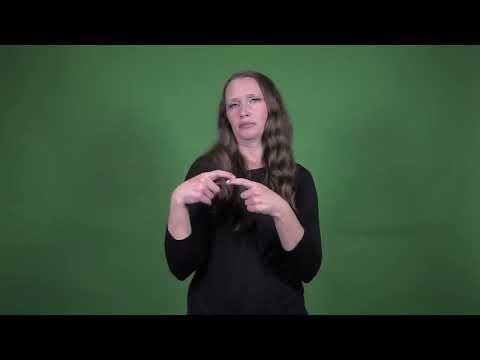
Definition: Relating to Spain or Spanish-speaking countries.
Sign for HISPANIC in ASL
Practice Activities:
Start by practicing the sign for HISPANIC in ASL in front of a mirror to check your handshape and movement. Repeat the sign slowly five times, then practice speeding up while maintaining accuracy. Focus on the directional flow and facial expression that matches the context of the sign.
Next, try introducing yourself using the sign for HISPANIC in ASL by combining it with signs like I, AM, and the name of a country or region such as MEXICO or PUERTO RICO. For example, sign “I AM HISPANIC” or “MY FAMILY HISPANIC BACKGROUND MEXICO” to start creating meaningful phrases. Practice these affirmations until they feel natural and fluent.
Use flashcards with images or words related to culture, food, and family, and incorporate the sign for HISPANIC in ASL when discussing or labeling those images. As you sign about Hispanic traditions or holidays, include relevant vocabulary like CELEBRATE, MUSIC, or DANCE to build fluency in context. If possible, create a short video journal entry signing about your heritage or appreciation for Hispanic cultures.
Partner with another learner or a Deaf community member to role-play conversations. Use questions like “ARE YOU HISPANIC?” or “WHERE YOUR HISPANIC FAMILY COME FROM?” and respond appropriately. This interaction helps reinforce the usage of the sign for HISPANIC in ASL in real-life situations.
Write a short story or memory about a family tradition, then sign the story while using the sign for HISPANIC in ASL where relevant. Think about describing dishes, holidays, or values passed down through generations. Adding cultural details strengthens your signing vocabulary and confidence.
Explore songs or poems about Hispanic identity and try translating a few lines into ASL. Incorporate the sign for HISPANIC in ASL where contextually appropriate, focusing on flow and expression rather than direct word-for-word signing.
Cultural Context:
The sign for HISPANIC in ASL can carry cultural, ethnic, and regional meanings depending on the context in which it is used. This term refers to people who share a common heritage originating from Spanish-speaking countries, including those from Latin America and Spain . Understanding the cultural nuances behind the sign for HISPANIC in ASL helps promote respectful and inclusive communication within the Deaf community.
In American Sign Language, the sign for HISPANIC in ASL might vary slightly depending on region and individual preference. That’s because within the Deaf community, signs can evolve and shift over time to better reflect identity, culture, and self-expression. For many, using the sign for HISPANIC in ASL also includes a recognition of mixed or multifaceted identities, such as Afro-Latino or Indigenous Hispanic backgrounds.
The term “Hispanic” itself is widely used in demographic data and English-language conversation, but members of the community may prefer terms like Latino, Latina, or Latinx, depending on identity and language preference. When using the sign for HISPANIC in ASL, it’s important to consider the individual’s preferred cultural label and identity. ASL, like spoken language, adapts to show respect for these preferences .
Just like other cultural identifiers, the sign for HISPANIC in ASL is not only a word but also a doorway to cultural understanding. Whether you’re introducing a person, talking about a cultural event, or discussing heritage, this sign helps create a more inclusive narrative in ASL conversations. Knowing how to use the sign for HISPANIC in ASL appropriately allows Deaf and hearing signers to fully participate in culturally rich discussions.
Understanding the deeper context of the sign for HISPANIC in ASL also includes recognizing traditions, values, and historical experiences. Many Hispanic communities emphasize close family ties, intergenerational respect, dance, music, and cuisine . These cultural elements often find expression in conversations, and the correct use of the sign for HISPANIC in ASL ensures that signs and stories align with lived experiences.
Teaching the sign for HISPANIC in ASL presents a chance to discuss cultural sensitivity and awareness. For educators and interpreters, it encourages thoughtful presentation and dialogue, especially when dealing with topics like race, ethnicity, and cultural pride. The way we sign terms like HISPANIC in ASL reflects not just language skills but also our understanding of diverse identities.
The
Extended Definition:
The sign for Hispanic in ASL is a culturally important term that reflects the rich heritage of Spanish-speaking communities. In American Sign Language, this concept is typically conveyed through a combination of signs that relate to both ethnicity and language background. Since the word Hispanic can have different interpretations based on context, understanding the correct ASL usage is essential for clear communication.
To sign Hispanic in ASL, most signers use a sign that incorporates the gesture for Spanish or Spain, which begins with the dominant hand forming a bent “L” or “X” handshape and touching the shoulder, followed by bringing the hand down and across the body near the mouth. This sign connects the idea of Hispanic heritage to Spanish linguistic and cultural roots. Some signers may add extra clarification or context to reflect the broader umbrella that Hispanic represents, especially when referring to people of Latin American descent who share common linguistic or cultural traditions.
When using the sign for Hispanic in ASL in a sentence, context matters. Depending on the discussion, signers might use additional signs like “culture,” “family,” or “background” to provide more information. Since American Sign Language is a visual and conceptual language, the sign for Hispanic can be adapted to best fit the meaning intended by the speaker.
Many Deaf Hispanic individuals have unique ASL variations or regional signs used within their communities. These variations can reflect regional influences or preferred terms used among different age groups and cultural backgrounds. Being aware of the most widely understood version of the sign for Hispanic in ASL helps ensure greater communication clarity and respect.
It’s also helpful to understand when to use the sign for Hispanic versus alternative signs like Latino, Latina, or Latinx in ASL. Although these terms are often used interchangeably in English, they can carry different cultural or regional implications. In ASL, some of these terms share similar signs due to their roots in Spanish or Latin American identity.
The sign for Hispanic in ASL is often associated with events, celebrations, or discussions about Hispanic Heritage Month, which highlights contributions from Hispanic Americans in the United States. Knowing and using the correct sign shows cultural understanding and respect within both the Deaf and hearing communities. ASL users often learn this sign when discussing history, ethnicity, community, or cultural pride.
Learning the sign for Hispanic in ASL expands vocabulary and builds awareness of diverse groups within the Deaf community. It allows users to engage in more inclusive and meaningful conversations. This fosters connection and promotes awareness of intersectional identities, especially when communicating about culture and
Synonyms: Latino, Latina, Latinx, Spanish-speaking, Latin American
Educational resources: Find related learning materials in our course bank!
Want more? Check out some of our popular learning activities on the homepage!
Need to look up a sign? Use our highly rated dictionary: https://aslinteractive.com/best-asl-dictionary/
Follow us on tiktok: https://www.tiktok.com/@aslinteractive. More social media links at the bottom of this page!
Long-tail Keywords: what is the sign for Hispanic in ASL, how do you sign Hispanic in ASL, learn the ASL sign for Hispanic
Categories:
tags: Hispanic culture in ASL, ASL signs for Hispanic foods, ASL travel and geography, cultural identity in ASL, ASL vocabulary for Hispanic traditions
Parameters
*Handshape*:
The handshape for the sign for HISPANIC in ASL typically begins with both hands in the modified “F” handshape (thumb and index finger touching to form a small circle, remaining fingers extended). These are commonly used to initiate a sign that references heritage or ethnicity.
In the sign for HISPANIC in ASL, the movement often starts near one side of the face or shoulder and transitions to the opposite side, maintaining the same handshape throughout. The use of the “F” handshape adds specificity and clarity to this identity-related term.
*Palm Orientation*:
The palm orientation for the sign for HISPANIC in ASL begins with both hands in the “F” handshape, touching at the tips near one side of the chest. Palms face inward toward the body at first. Then, the dominant hand moves outward and down slightly, maintaining the “F” shape, with the palm turning slightly forward.
This subtle transition in palm orientation helps convey the regional or ethnic identity embedded in the sign for HISPANIC in ASL . The orientation shift adds clarity and fluidity, keeping the movement natural and culturally respectful.
*Location*:
The sign for HISPANIC in ASL is produced near the face, specifically starting from the dominant side cheek area. The hand moves from one side of the cheek to the other, indicating an origin or cultural connection. This area is commonly used in ASL for signs related to identity and ethnicity.
Performing the sign for HISPANIC in ASL near the face gives it a natural flow that aligns with other cultural identifiers in ASL. Consistent facial expression enhances the clarity of the sign, reinforcing its meaning.
*Movement*:
The sign for HISPANIC in ASL begins with the dominant hand in the “F” handshape touching the dominant side of the chin. Then, the hand moves in a small arc to touch the same handshape to the opposite side of the upper chest near the collarbone. The motion is fluid and reflects a connection between heritage and identity.
When performing the sign for HISPANIC in ASL, keep your facial expression neutral or engaged, depending on the context. This sign is often associated with ethnicity or cultural background and is used in formal and informal conversations .
*Non-Manual Signals*:
When using the sign for HISPANIC in ASL, keep a neutral to slightly inquisitive facial expression depending on the context. If you’re asking a question or seeking clarification, raise your eyebrows slightly to match the interrogative tone.
In affirmations or explanations, maintain soft eye contact and a relaxed mouth posture. The non-manual signals help convey respect and cultural context, which enhances clarity when using the sign for HISPANIC in ASL .
*Prosody, Dominant/Non-Dominant Hand*:
The sign for HISPANIC in ASL uses both hands in a specific prosodic motion. The dominant hand, in an “F” handshape, touches the shoulder on the same side briefly, then moves to touch the opposite shoulder. The non-dominant hand remains still during the movement.
This sign symbolizes connection to cultural heritage and is performed smoothly to reflect identity. The sign for HISPANIC in ASL may vary regionally, but the dominant hand is always responsible for the motion and articulation.
Tips for Beginners:
The sign for HISPANIC in ASL uses a common facial expression along with a culturally meaningful sign. To begin, start with your dominant hand in the “F” handshape (index finger and thumb touching in a circle, other fingers extended). Touch the “F” to one cheek, then move it to the other cheek. This movement is similar to the ASL sign for “Mexican” or “Latino,” depending on regional usage, so context is very important.
Beginners should practice in front of a mirror to ensure symmetrical movement across the cheeks and consistent positioning of the “F” handshape. Don’t rush the motion—your pacing should keep the sign fluid but not rushed. This helps keep the meaning clear in conversation. Facial expression matters, too. A neutral or respectful expression helps convey the correct intent.
Avoid using the wrong handshape or touching other parts of the face, as this might confuse the sign with other words or lose meaning entirely. The sign for HISPANIC in ASL can slightly vary depending on region or the speaker’s preference, so it’s good practice to confirm this sign with native signers or instructors in your local area.
Repetition helps with precision. Try repeating the motion several times a day while watching yourself. Record a short clip of your signing so you can review and catch small errors. Watching fluent users of the sign can also help you internalize the right rhythm and look of the movement.
The sign for HISPANIC in ASL respects cultural identity, so use it thoughtfully and with awareness. Including fingerspelling the word “H-I-S-P-A-N-I-C” is also appropriate, especially in formal settings or when introducing someone. Practicing both the sign and the fingerspelled version will make your communication more flexible and accurate in a variety of situations.
sign for HISPANIC in ASL, ASL sign for Hispanic, American Sign Language for Hispanic, how to sign Hispanic in ASL, fingerspell HISPANIC in ASL
Connections to Other topics:
The sign for HISPANIC in ASL connects closely with signs for ethnicity, culture, and identity. It’s often used alongside signs like LATINO, LATINA, and MEXICAN, depending on how someone identifies. For those learning ASL, it’s helpful to consider how regional or cultural identity is shown through body language or facial expression, reinforcing that identity is deeply personal and contextual.
Many conversations that use the sign for HISPANIC in ASL also incorporate signs for FAMILY, HERITAGE, or ROOTS. These concepts frequently appear in storytelling and narratives about background and upbringing. For instance, someone might sign THEIR FAMILY HISPANIC, ROOTS FROM PUERTO RICO, emphasizing both the culture and geographical origin through clear compound expressions.
The sign for HISPANIC in ASL can be associated with other identity terms in discussions of community and inclusivity. Pairing it with signs like BLACK, ASIAN, or WHITE allows more nuanced dialogues about diversity. In DEAF culture spaces, it’s common to see these signs used to express intersectional identities, supporting a richer understanding of self.
Learners often see the sign for HISPANIC in ASL within educational and workplace conversations. It’s used to discuss representation, cultural events, or diversity programs. In these settings, it may appear with related signs like CELEBRATE, CULTURE, or HERITAGE MONTH, especially in references to Hispanic Heritage Month observed each fall.
Understanding the sign for HISPANIC in ASL helps build bridges to concepts like multilingualism and bilingual experience. It’s frequently signed in combination with SPANISH, reflecting language use and how it shapes identity. Families with multiple cultural backgrounds may also include this sign in family-tree projects or self-presentations, making it a useful tool for both personal narratives and cross-cultural discussions.
Summary:
The sign for HISPANIC in ASL typically involves a single motion that references heritage and identity. It is usually made by forming the letter F handshape with one hand and touching it from one shoulder to the other, representing familial or ethnic background.
The motion starts at one shoulder, touching near the collarbone, then shifts to the opposite side. This gesture mimics other signs used for ethnic origins or cultural groups, like MEXICAN or LATINO, which also draw from the upper torso area.
Culturally, the sign for HISPANIC in ASL reflects a broad and diverse population that spans multiple nations and identities. While the term “Hispanic” itself has specific socio-political connotations, especially within U.S. census and governmental contexts, the sign embraces inclusivity.
The ASL choice to sign HISPANIC along the shoulders highlights heritage. The shoulders often represent familial traits, such as ancestry or country of origin, in ASL cultural expression.
The sign is not generally considered derogatory, but some Deaf Latinx individuals may prefer signs more specific to their heritage, such as CUBAN, PUERTO RICAN, or MEXICAN. These more specific signs offer nuance and identity, often blending location and cultural symbols.
The use of the sign for HISPANIC in ASL in broader discourse acknowledges ethnic identity and often appears in educational or statistical contexts. In a classroom setting, it’s common to see the term applied when discussing demographics or cultural contributions.
Linguistically, the use of shoulder referencing in this sign shows how ASL uses parts of the body to create semantic fields of meaning. The chest and shoulders are commonly involved when referring to identity, origin, or nationality.
In terms of ASL grammar, the sign for HISPANIC in ASL functions as a noun. It can also act adjectivally when modifying other nouns, such as HISPANIC STUDENT or HISPANIC COMMUNITY.
Modifiers like DEAF, PROUD, or MANY often combine with this sign to create phrases that emphasize cultural lived experiences. For instance, combining PROUD with HISPANIC communicates a strong affirmation of identity.
There is also fingerspelling usage when more specific ethnic identity is preferred or when referencing terms like LATINX or CHICANO. Fingerspelling in those cases comes into play when the signer wants linguistic exactness or identity precision.
Occasionally, signers choose to fingerspell HISPANIC instead of using the lexicalized sign, especially in formal settings or when clarity is key. This may reflect the signer’s comfort, learned variation, or context.
The sign for HISPANIC in ASL aligns with a broader set of signs that express nationality or ethnicity. Similar structure is found in signs like ASIAN, EUROPEAN, and AFRICAN, which also use a meaningful spatial reference tied to the body.
These patterns show how ASL assigns space and gesture to abstract concepts like identity and heritage. This provides a natural and visual way to communicate socially complex ideas.
The visual component in signs like HISPANIC has a metaphorical power that illustrates selfhood through the body. It is more than just a label; it’s a way to honor one’s family and historical background in a visible platform.
In Deaf culture, many users place great value on intersectional identity, blending deafhood with ethnic background. The sign for HISPANIC in ASL contributes to this recognition and affirms that self-expression includes both cultural and auditory identity.
ASL is inherently flexible and adaptive, so new signs and variations on existing ones often emerge within cultural contexts. The sign for HISPANIC sometimes shifts regionally or based on community preference, but the foundational form remains recognizable.
Cultural sensitivity remains important in using the sign. As with all ethnic identifiers, it is best to ask individuals their preference when discussing identity in ASL.
The historical context of the term HISPANIC in English has impacted how Deaf individuals choose to represent themselves. Some prefer “Latino/a/x,” and fingerspell it for accuracy or cultural alignment.
This sign is frequently used in interpreting situations such as schools, social services, or community gatherings where ethnic statistics or heritage discussions occur. Interpreters often rely on this sign to maintain meaning while respecting the speaker’s original tone and cultural resonance.
In storytelling or poetic ASL (known as visual vernacular), heritage-themed narratives sometimes use the sign for HISPANIC symbolically, drawing on its spatial relevance and cultural weight. It becomes part of expressive art.
The sign is also seen during celebrations like Hispanic Heritage Month. Participants in Deaf community events incorporate the sign into educational programming, increasing awareness and pride across linguistic and cultural lines.
Applied linguistics examines how signs like HISPANIC contribute to socio-linguistic identity formation in ASL users. It reveals how language and symbols support group cohesion and ethnic self-definition.
When teaching vocabulary sets
Want more? Check out some of our popular learning activities!
ASL Interactive Resources
ASLInteractive YouTube Channel
Follow us on tiktok: @aslinteractive.com
Follow us on Instagram: aslinteractive
Facebook page: aslinteractive
Facebook group: aslinteractive
LInkedIn: ASL Interactive LLC
Twitter: @ASL_interactive
*Some information on this page is AI-generated. AI can make mistakes. Please check the information.


Responses