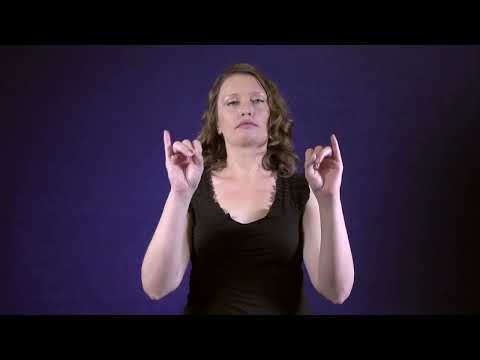
Definition: Free from outside control; not subject to another’s authority.
Sign for INDEPENDENT in ASL
Practice Activities:
Cultural Context:
Practice Activities
To master the sign for INDEPENDENT in ASL, consistent and varied practice is essential. Start with mirror work to observe your handshape and body posture. The sign for INDEPENDENT in ASL typically uses both “I” handshapes that start crossed at the wrists and then move outward, away from the body, symbolizing freedom or autonomy. Practicing in front of a mirror helps you self-correct and build muscle memory.
Next, record yourself signing. Use your phone or webcam to capture your movements and then compare your video with native signers or ASL dictionaries online. Watching yourself makes it easier to spot subtle errors in movement, handshape, or facial expression.
Sign in context by integrating the sign for INDEPENDENT in ASL into short sentences. For example, sign phrases like “I am independent” or “She wants to be independent.” This practice helps reinforce the meaning and grammatical structure of the sign in real-life situations.
As your confidence grows, move on to advanced drills. Pair the sign for INDEPENDENT in ASL with related vocabulary, such as responsibility, freedom, or self. Try signing full dialogues or narratives that involve the concept of independence. Practicing with a partner or tutor can also help you improve your fluency and receptive skills.
SEO Cultural Context
The sign for INDEPENDENT in ASL carries deep cultural meaning within the Deaf community. Independence is often associated with self-advocacy and empowerment, especially in contexts related to education, employment, and accessibility. The ability to express independence is crucial in a community that has historically fought for equal rights and recognition.
In Deaf culture, being independent doesn’t only refer to personal freedom—it also reflects the strength of the community’s identity. The sign for INDEPENDENT in ASL is sometimes used when discussing autonomy from hearing institutions or systems. For example, a Deaf school might describe itself as “independent” to emphasize its Deaf-led leadership and values.
Regional variation in the sign is minimal, though some signers may choose slightly different handshapes or movement styles based on their area. Always be aware that the sign may be influenced by context—what’s appropriate in a formal setting might differ slightly in casual conversation.
Using the sign for INDEPENDENT in ASL correctly shows respect for the linguistic and cultural norms of the Deaf community. It’s often used when talking about personal growth, moving out of the family home, or gaining new responsibilities. Understanding the cultural weight behind the sign helps learners use it more meaningfully and respectfully.
Extended Definition
The sign for INDEPENDENT in ASL uses both “I” handshapes, with the little fingers extended, and starts with the wrists crossed in front of the chest. The hands then move outward and away from the body in a smooth motion, ending apart and upright. This visual metaphor represents breaking free or standing alone—core ideas connected to independence.
This sign is conceptually linked to other signs like SELF, ALONE, and FREE, but it is important not to confuse them. For example, the sign for FREE uses “F” handshapes and a different movement. The sign for ALONE uses a single index finger in a circular motion and has a more emotional or situational nuance. The sign for SELF uses a single “A” handshape tapped on the chest and is more abstract.
A common error is confusing the handshape or not fully extending the pinky fingers in the “I” handshape. Another mistake is making the movement too abrupt or unclear, which can affect the sign’s clarity. Some learners also forget to maintain a confident facial expression, which is essential for conveying the full meaning of the sign for INDEPENDENT in ASL.
The directionality of the movement—outward from the body—reinforces the idea of stepping away or standing on your own. This visual representation adds depth to the sign and helps learners remember it more easily. Understanding this underlying metaphor enriches both expressive and receptive skills.
Tips for Beginners
If you’re just beginning to learn the sign for INDEPENDENT in ASL, don’t worry—this is a great sign to start with because it’s both visual and conceptually strong. Begin by focusing on the correct “I” handshape. Make sure your pinky fingers are clearly extended and the other fingers are folded down. This precise handshape is crucial for clarity.
Practice slowly and deliberately. It’s common for beginners to rush the movement or cross their wrists incorrectly. Always start with the wrists crossed and move your hands smoothly outward. This motion should be controlled, not jerky or too fast. Watching native signers perform the sign can help you internalize the correct rhythm and flow.
Facial expressions are just as important as hand movements in ASL. When signing the word independent, a confident or self-assured expression helps to convey the full meaning. Beginners often forget this step, but it’s key in making your signing look natural and expressive.
Try using flashcards or ASL learning apps to reinforce your understanding. Include the sign for INDEPENDENT in ASL in your daily vocabulary practice. Even just repeating it a few times a day can help you memorize the structure and build confidence.
Stay motivated and don’t get discouraged by small mistakes. Everyone learns at their own pace, and the more you practice, the more fluent and natural your signing will become over time.
Connections to Other Topics
The sign for INDEPENDENT in ASL connects well with several other signs and concepts, making it a great gateway to expanding your vocabulary. One closely related sign is RESPONSIBLE. This sign involves tapping “R” handshapes on the shoulder and is often used in conversations about maturity and accountability—qualities often associated with independence.
Another useful connection is the sign for SELF. This concept appears in phrases like “self-reliant” or “self-aware,” and learning both signs together can enrich your ability to describe personality traits and personal growth. The sign for SELF typically uses an “A” handshape and taps the chest.
The sign for FREE is also conceptually linked, though it uses different handshapes. It supports discussions around freedom of choice, civil rights, or emotional freedom. Understanding the difference helps prevent confusion and enhances expressive precision.
You can also explore the sign for ALONE. While it doesn’t mean independent in the same way, it often appears in similar contexts. For example, someone might say they live alone but are also independent. Knowing how to distinguish these signs helps with both fluency and comprehension.
Finally, the sign for GROW-UP or MATURE is often used in stories about becoming independent. This sign involves a rising movement of a flat hand near the body and helps describe the journey toward self-sufficiency. Pairing this with the sign for INDEPENDENT in ASL can create rich, layered conversations about life transitions and development.
Lengthy Summary
The sign for INDEPENDENT in ASL is a powerful and expressive concept that symbolizes autonomy, self-sufficiency, and personal strength. Using both “I” handshapes that cross at the wrists and then move outward, the sign visually represents the idea of breaking free or standing alone. This metaphorical movement is not only easy to remember but emotionally resonant, making it a favorite among learners and native signers alike.
Culturally, the sign for INDEPENDENT in ASL is deeply tied to the values of the Deaf community. Independence is not just a personal trait—it is a collective goal and a symbol of empowerment. Whether it’s used to describe an individual’s lifestyle or the nature of a Deaf-led organization, the sign carries significant meaning. Understanding this context allows you to use the sign respectfully and accurately.
For beginners, mastering the sign for INDEPENDENT in ASL involves careful attention to handshape, movement, and facial expression. Practicing in front of a mirror, recording your progress, and using the sign in full sentences are excellent ways to build fluency. Common mistakes include using the wrong handshape, making the movement too abrupt, or neglecting expressive facial features.
Connecting this sign to related vocabulary—like RESPONSIBLE, SELF, FREE, ALONE, and GROW-UP—can deepen your understanding and broaden your communication skills. Each of these signs shares thematic or grammatical relationships with the sign for INDEPENDENT in ASL, making them valuable additions to your ASL toolkit.
Incorporating this sign into your daily practice opens the door to richer, more expressive conversations. Whether you’re describing your personal journey, advocating for your rights, or narrating a life change, the sign for INDEPENDENT in ASL allows you to communicate with clarity and emotional depth. Keep practicing, stay curious, and embrace every opportunity to grow your ASL skills.
Extended Definition:
Synonyms: autonomous, self-reliant, self-sufficient, free, self-governing
Educational resources: Find related learning materials in our course bank!
Want more? Check out some of our popular learning activities on the homepage!
Need to look up a sign? Use our highly rated dictionary: https://aslinteractive.com/best-asl-dictionary/
Follow us on tiktok: https://www.tiktok.com/@aslinteractive. More social media links at the bottom of this page!
Long-tail Keywords: What is the sign for Independent in ASL, How do you sign Independent in ASL, Independent in American Sign Language
Categories:
tags: independence signs, personality and traits, ASL vocabulary, self-reliance in ASL, personal qualities signs
Tips for Beginners:
Connections to Other topics:
Summary:
Want more? Check out some of our popular learning activities!
ASL Interactive Resources
ASLInteractive YouTube Channel
Follow us on tiktok: @aslinteractive.com
Follow us on Instagram: aslinteractive
Facebook page: aslinteractive
Facebook group: aslinteractive
LInkedIn: ASL Interactive LLC
Twitter: @ASL_interactive
*Some information on this page is AI-generated. AI can make mistakes. Please check the information.

Responses