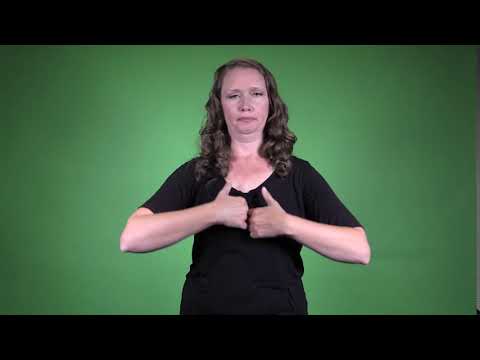
Definition: An outer garment extending either to the waist or the hips, typically having sleeves and a fastening down the front.
Sign for JACKET in ASL
Practice Activities:
Cultural Context:
Practice Activities
To master the sign for JACKET in ASL, it’s essential to engage in consistent, varied practice. One effective method is mirror work. Stand in front of a mirror and sign while watching your handshape, movement, and facial expression. This helps ensure that your sign for JACKET in ASL is clear and accurate.
Another great approach is to record yourself signing. Watching yourself later allows you to catch subtle mistakes and track your progress over time. Try signing full sentences that include the sign for JACKET in ASL to build fluency in context.
Practice with a partner or in a study group is also powerful. Create dialogues about dressing for different weather or seasons, and include the sign for JACKET in ASL in your responses. This builds comfort using the sign naturally.
For advanced learners, try timed drills. Set a timer and alternate between signs for clothing items, making sure to include the sign for JACKET in ASL. This helps improve speed, accuracy, and automatic recall.
You can also integrate the sign into storytelling or visual description exercises. Describe what someone is wearing or narrate a scene where someone puts on a jacket. These activities build fluency and expressive skills.
SEO Cultural Context
The sign for JACKET in ASL is more than just a vocabulary word—it reflects the Deaf community’s visual language and cultural identity. In ASL, clothing-related signs like this one are frequently used in everyday conversations, especially when discussing the weather, personal preferences, or style choices. Incorporating the sign for JACKET in ASL into these dialogues is natural and expected.
Deaf culture values clear and expressive communication. When using the sign for JACKET in ASL, it’s important to mirror that cultural norm by emphasizing visual clarity and expressive facial grammar. This enhances understanding and shows cultural respect.
There can be regional variations in how the sign for JACKET in ASL is performed. Some communities may modify the movement slightly or combine it with other signs depending on local dialect or context, such as winter jacket versus light jacket. Exposure to diverse signers can help learners recognize and understand these differences.
The sign is commonly used in school settings, weather reports, clothing discussions, and social interactions. For example, a teacher might ask a student if they forgot their jacket, or friends might comment on someone’s stylish outerwear using the sign for JACKET in ASL. Understanding when and how to use this sign helps learners participate more authentically in Deaf conversations.
Extended Definition
The sign for JACKET in ASL uses both hands in an open-A handshape (like fists with thumbs extended), starting near the shoulders and moving downward slightly toward the chest. This mimics the action of pulling on a jacket or adjusting the front of a coat. The movement is important to distinguish it from similar signs.
This sign falls under the broader category of clothing signs in ASL, which often use iconic movements representing how the item is worn. The visual representation of the sign for JACKET in ASL makes it easy to remember once connected to the action of putting on a jacket.
A common error is confusing this sign with the signs for COAT or SWEATER. While similar, each has distinct movement or location details. For example, the COAT sign may involve a more exaggerated motion or different hand placement. It’s important to learn the subtle differences so your use of the sign for JACKET in ASL is clear and specific.
Another mistake beginners make is using a flat handshape or not completing the downward movement, which can make the sign unclear. Ensure your handshape is correct and the motion is smooth. Watching fluent signers and practicing in front of a mirror helps refine these details.
Tips for Beginners
Learning the sign for JACKET in ASL can be exciting and rewarding. One helpful tip is to associate the motion with a real-life action—imagine yourself putting on a jacket as you practice the sign. This mental connection makes the sign easier to remember.
Don’t be discouraged by small mistakes. It’s common to confuse similar signs at first. Focus on the handshape and movement when practicing the sign for JACKET in ASL, and take time to review related signs so you can distinguish them clearly.
Practice slowly at first, and gradually increase speed as you become more comfortable. Repetition strengthens muscle memory and builds confidence. Signing in front of a mirror, recording yourself, or practicing with a partner are all great ways to get feedback and reinforce your learning.
Be sure to also watch native signers. Observing how fluent users perform the sign for JACKET in ASL helps you internalize the rhythm, movement, and expression. Try to mimic not just the hand motion, but also the facial expressions and body language that accompany it.
Finally, be patient with yourself. ASL is a rich, expressive language, and learning takes time. Celebrate your progress and keep practicing the sign for JACKET in ASL regularly to make it a natural part of your signing vocabulary.
Connections to Other Topics
The sign for JACKET in ASL connects naturally with other clothing-related signs, making it a gateway to expanding your vocabulary on this topic. One closely related sign is SHIRT, which uses a similar motion but in a different location and handshape. Learning both helps reinforce your understanding of how ASL uses iconic representation to describe clothing.
Another related sign is COAT. Though similar in meaning to jacket, the sign for COAT may differ in size or motion depending on the context. Comparing the sign for JACKET in ASL with COAT can help clarify subtle distinctions in ASL vocabulary.
The sign for COLD is also related. When discussing weather or clothing choices, COLD and JACKET often appear together in sentences. Understanding how to pair these signs allows for more fluid and meaningful conversations.
You might also explore the sign for WEATHER when learning about JACKET. This helps contextualize the sign for JACKET in ASL within typical conversations about seasons or daily activities, making it easier to recall and use appropriately.
Lastly, the grammatical structure of ASL allows you to construct descriptive sentences visually. You can modify how you sign JACKET to indicate size, color, or type (e.g., leather or rain jacket) using classifiers and non-manual markers. Exploring these structures expands your expressive ability and deepens your command of ASL syntax.
Lengthy Summary
Mastering the sign for JACKET in ASL involves more than memorizing hand movements—it’s about understanding context, culture, and communication. This sign uses iconic motion to represent how a jacket is worn, making it both intuitive and functional. By practicing regularly through mirror work, recordings, conversations, and drills, learners can build muscle memory and confidence using the sign.
Understanding the cultural context behind the sign for JACKET in ASL enriches your learning. Deaf culture emphasizes visual clarity and expressive signing, and this sign fits naturally into everyday conversations about clothing, weather, and personal style. Awareness of regional variation and respectful usage deepens your connection to the language and its community.
The extended definition helps clarify the handshape, movement, and meaning of the sign. It also distinguishes it from similar signs like COAT or SWEATER, reducing confusion and promoting accuracy. Beginners should focus on repetition, visual feedback, and watching fluent signers to develop proper form and fluidity.
Connections with related signs like SHIRT, COLD, and WEATHER help you build a thematic vocabulary set. These connections allow you to sign more complex ideas and engage in fuller conversations. Learning about grammatical structures and classifiers also enhances your ability to describe different types of jackets and their features in rich detail.
In conclusion, the sign for JACKET in ASL is an essential and practical part of your ASL toolkit. It opens the door to broader clothing vocabulary, meaningful interactions, and cultural understanding. Keep practicing the sign for JACKET in ASL daily, and use it in real-life situations to reinforce your skills. Every time you talk about the weather or what someone is wearing, it’s an opportunity to sign and grow. Keep going—you’re building a strong foundation in American Sign Language! ✨
Extended Definition:
Synonyms: coat, blazer, parka, windbreaker, overcoat
Educational resources: Find related learning materials in our course bank!
Want more? Check out some of our popular learning activities on the homepage!
Need to look up a sign? Use our highly rated dictionary: https://aslinteractive.com/best-asl-dictionary/
Follow us on tiktok: https://www.tiktok.com/@aslinteractive. More social media links at the bottom of this page!
Long-tail Keywords: what is the sign for jacket in ASL, how do you sign jacket in ASL, learn the ASL sign for jacket
Categories:
tags: clothing in ASL, apparel signs in ASL, outerwear in ASL, jacket sign video, learn ASL clothing signs
Tips for Beginners:
Connections to Other topics:
Summary:
Want more? Check out some of our popular learning activities!
ASL Interactive Resources
ASLInteractive YouTube Channel
Follow us on tiktok: @aslinteractive.com
Follow us on Instagram: aslinteractive
Facebook page: aslinteractive
Facebook group: aslinteractive
LInkedIn: ASL Interactive LLC
Twitter: @ASL_interactive
*Some information on this page is AI-generated. AI can make mistakes. Please check the information.


Responses