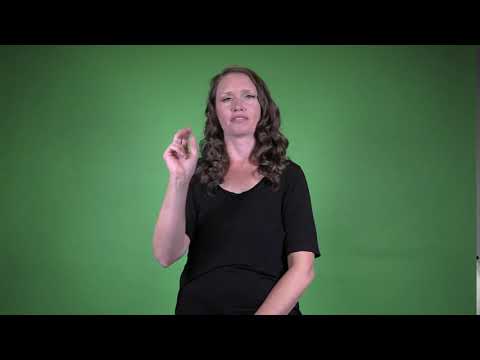
Definition: The first month of the year.
Sign for JAN in ASL
Practice Activities:
Cultural Context:
Practice Activities
To master the sign for JAN in ASL, begin by practicing in front of a mirror. Watching your own handshapes and facial expressions will help reinforce correct form and movement. Use a mirror to compare your sign with a video model or instructor demonstration to ensure accuracy.
Record yourself signing the months of the year, especially focusing on the sign for JAN in ASL. Reviewing these recordings allows you to self-correct and build confidence. Try saying the English word “January” aloud as you sign it to create a connection between the spoken and signed forms.
Using the sign for JAN in ASL in context is another effective practice method. Try creating short sentences like “My birthday is in January” or “School starts in January” using the appropriate signs. Incorporating time indicators, facial expressions, and other vocabulary will reinforce your understanding.
Advanced learners can challenge themselves with speed drills. Sign all twelve months in sequence, focusing on clarity and consistency. You can also practice switching between months randomly to build fluency and quick recall, always giving special attention to the sign for JAN in ASL.
Partner practice is also beneficial. Take turns signing months with a friend or classmate and provide feedback to one another. Peer interaction builds receptive skills along with expressive fluency.
SEO Cultural Context
The sign for JAN in ASL is part of a broader cultural practice within the Deaf community of using abbreviated month names. This sign, like other months, is typically fingerspelled as “J-A-N.” Fingerspelling is a fundamental part of American Sign Language and is used for proper nouns, names, and certain vocabulary not represented by a unique sign.
In Deaf culture, clear and accurate fingerspelling is a sign of linguistic respect and fluency. When using the sign for JAN in ASL, it’s important to maintain a fluid motion and not overly exaggerate or rush the letters. Clarity takes precedence over speed, especially in formal or educational settings.
Regional variation in the sign for JAN in ASL is minimal because it relies on the standardized ASL alphabet. However, some signers may shorten the fingerspelling depending on context or audience familiarity. In casual conversation, for instance, the hand movements might be more relaxed, but the letters must still be distinguishable.
The sign for JAN in ASL is most commonly used in dates, schedules, academic settings, and storytelling. Knowing how to fingerspell January properly allows for clear communication, especially when discussing future plans or important events in the community.
Extended Definition
The sign for JAN in ASL involves fingerspelling the first three letters of the word “January” using the ASL manual alphabet. This process means shaping the letters “J,” “A,” and “N” consecutively with your dominant hand. The “J” involves a sweeping motion, tracing the letter in the air, followed by the static handshapes for “A” and “N.”
Because the sign for JAN in ASL is fingerspelled rather than a unique gesture, it requires familiarity with ASL alphabet handshapes. The “J” is formed by making a pinky-down motion while your little finger traces a “J” shape. The “A” is a closed fist with the thumb resting on the side, and the “N” is made by placing the thumb between the middle and ring fingers.
One common mistake learners make with the sign for JAN in ASL is rushing through the letters, leading to unclear or incorrect handshapes. For example, the “N” can sometimes be mistaken for an “M” if the fingers are too close together. Another error is making the “J” motion too wide or too small, which can confuse the viewer.
It’s important to keep your hand within your signing space—roughly from your chest to your head—and maintain eye contact with your conversation partner. Proper posture and hand control make the sign for JAN in ASL more readable and respectful.
Tips for Beginners
For new learners, fingerspelling can feel intimidating. Take your time mastering the ASL alphabet before diving into full word fingerspelling. Practicing each letter individually, especially “J,” “A,” and “N,” will help you feel more comfortable with the sign for JAN in ASL.
Start slowly and focus on accuracy before speed. It’s better to sign clearly at a slower pace than to rush and be misunderstood. Remember that in ASL, comprehension is key, and clarity shows respect for your conversation partner.
Use video models and repetition to build muscle memory. Watching fluent signers use the sign for JAN in ASL in natural conversation helps reinforce the rhythm and flow of the movement. Try pausing videos and mimicking their signing to improve form.
A helpful technique is to break down the sign. Practice the “J” separately, then combine it with “A,” and finally add “N.” Combining the letters in steps allows you to focus on each one without feeling overwhelmed.
Don’t get discouraged by early mistakes. Everyone has to start somewhere, and consistency is the key to improvement. With regular practice and patience, the sign for JAN in ASL will become second nature.
Connections to Other Topics
The sign for JAN in ASL connects closely with the signs for other months. Most months in ASL are fingerspelled, especially the shorter ones like May, June, and July. Practicing all months together builds context and fluency.
Understanding the ASL alphabet is essential. Since the sign for JAN in ASL uses fingerspelling, knowing how to form each letter correctly is foundational. Alphabet drills and flashcards can aid retention and accuracy.
The sign for JAN in ASL also relates to time signs and calendar vocabulary. Learning signs like “month,” “week,” “year,” and “day” helps build full ASL sentences involving dates and events. For example, “Next January” or “January 5th” are useful structures in conversation.
This sign is useful in storytelling and narratives. ASL storytelling often includes references to time and seasons, and the sign for JAN in ASL is essential when setting scenes or describing events chronologically.
There’s also a connection to number signs, especially when combining the sign for JAN in ASL with dates. Being able to sign “January 1st” or “January 31st” fluently requires knowing number signs and how to incorporate them smoothly into your sentence flow.
Lengthy Summary
The sign for JAN in ASL is a key component in expressing time, planning, and storytelling within the language. As a fingerspelled word, it requires knowledge of the ASL alphabet and the ability to perform the letters “J,” “A,” and “N” clearly and fluidly. Practicing this sign involves more than just memorizing handshapes—it’s about applying them naturally in conversation and understanding their role in larger contexts.
Mirror work, recordings, and contextual use are excellent ways to reinforce your learning. Incorporating the sign for JAN in ASL into full sentences helps you see how it fits into ASL grammar and structure. Advanced learners can take on drills and speed exercises, while beginners should focus on clarity and confidence-building.
Culturally, the use of fingerspelling reflects a deep respect for linguistic precision and community norms. Whether you’re scheduling an event, sharing your birthday, or telling a story, the ability to sign months like January correctly reflects your commitment to accurate and respectful communication.
Common errors such as rushing, misforming letters, or breaking the flow can be corrected with patient practice and feedback. Over time, recognizing the connection between this sign and related topics—such as the ASL alphabet, calendar vocabulary, and number signs—will deepen your understanding and fluency.
Keep practicing the sign for JAN in ASL daily. Repetition and exposure will help you feel more natural and confident when using this sign in real conversations. Whether you’re a beginner or advancing in your ASL journey, mastering the sign for JAN in ASL is a valuable step toward becoming a fluent and culturally competent signer. Keep signing, stay curious, and move forward with purpose
Extended Definition:
Synonyms: Please specify what you mean by “Jan” so I can generate correct synonyms.
Educational resources: Find related learning materials in our course bank!
Want more? Check out some of our popular learning activities on the homepage!
Need to look up a sign? Use our highly rated dictionary: https://aslinteractive.com/best-asl-dictionary/
Follow us on tiktok: https://www.tiktok.com/@aslinteractive. More social media links at the bottom of this page!
Long-tail Keywords: what is the sign for Jan in ASL, how do you sign Jan in ASL, Jan in American Sign Language
Categories:
tags: months in ASL, ASL calendar signs, name signs in ASL, ASL months of the year, basic ASL vocabulary
Tips for Beginners:
Connections to Other topics:
Summary:
Want more? Check out some of our popular learning activities!
ASL Interactive Resources
ASLInteractive YouTube Channel
Follow us on tiktok: @aslinteractive.com
Follow us on Instagram: aslinteractive
Facebook page: aslinteractive
Facebook group: aslinteractive
LInkedIn: ASL Interactive LLC
Twitter: @ASL_interactive
*Some information on this page is AI-generated. AI can make mistakes. Please check the information.


Responses