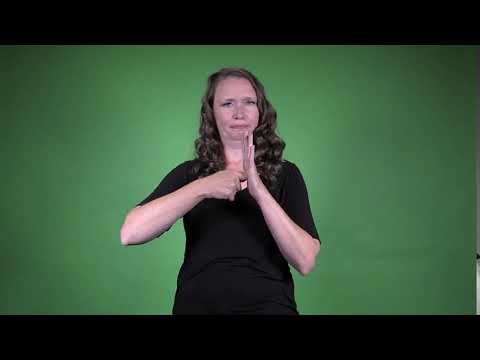
Sign for KEYS in ASL | ASL Dictionary

Definition: Instruments for moving the bolts of locks.

Sign for KEYS in ASL

YouTube player

Practice Activities:

Cultural Context:

Practice Activities

Practicing the sign for KEYS in ASL requires repetition, context, and thoughtful observation. One of the most helpful ways to begin is by standing in front of a mirror while signing. Mirror work allows learners to see their handshape, movement, and facial expressions in real time, helping to correct positioning and enhance muscle memory.

Recording yourself signing the phrase or using the sign for KEYS in ASL during storytelling or daily conversation is another powerful method. Watching the recordings back gives you a chance to self-evaluate, catch small errors, and track your progress over time.

Signing in context is vital. Try integrating the sign for KEYS in ASL into role-play situations, such as pretending to unlock a door, return keys to a friend, or discuss losing your keys. These scenarios help build your fluency and connect the sign to real-life usage.

Advanced learners can challenge themselves with speed drills or receptive practice. In speed drills, increase the pace while maintaining accuracy. For receptive practice, watch others sign and identify when the sign for KEYS in ASL appears, helping to build recognition and contextual understanding.

SEO Cultural Context

In Deaf culture, everyday objects like keys are discussed frequently, especially in contexts involving travel, home life, or security. The sign for KEYS in ASL reflects this practical necessity and is often used in conversations about access, responsibility, and preparedness.

Deaf cultural norms emphasize clear and expressive communication. When using the sign for KEYS in ASL, facial expressions and body language often accompany the sign to convey urgency, frustration (like when keys are lost), or relief (when they are found). These non-manual markers are a crucial part of conveying the full meaning.

There can be slight regional variations in how the sign for KEYS in ASL is performed. Some signers may use a more abbreviated motion or different palm orientations depending on their community or personal signing habits. Still, the core structure remains widely understood across the Deaf community.

The sign for KEYS in ASL is commonly used in school settings, apartment or dorm conversations, and workplace environments. Whether asking if someone has their keys or describing where they were left, the sign plays a big role in daily communication within the Deaf community.

Extended Definition

The sign for KEYS in ASL typically involves using a dominant hand in the “X” handshape (as if holding a key) and mimicking the motion of inserting and turning a key in a lock. The non-dominant hand may be held in a flat position to represent the lock or remain neutral.

It’s important to distinguish the sign for KEYS in ASL from similar signs like “door,” “lock,” or “open.” While all of these signs may occur in the same context, they each carry their own meaning. For example, “door” involves a swinging motion, while “lock” uses a different handshape and movement.

Common errors include using the wrong handshape, omitting the turning motion, or confusing KEYS with “tools” or “metal.” Learners should practice the fluid motion and ensure their handshape clearly indicates a key rather than a general object.

The plural concept of KEYS is often shown through repetition or context. ASL doesn’t add “-s” to create plurals the way English does. Instead, repeated motion or the use of classifiers can indicate more than one key, depending on the sentence structure.

Tips for Beginners

For those just starting to learn the sign for KEYS in ASL, take your time mastering the handshape and movement. The “X” handshape can be tricky at first, so practice forming it carefully in front of a mirror without tensing your fingers.

Don’t be discouraged if your sign looks slightly different at first. Focus on clarity and correct motion rather than speed. Over time, your muscle memory will improve, and the movement will become more fluid.

One common mistake beginners make is signing too close to the body or too far away. Keep the motion in a natural range, as if you were actually unlocking something. Visualizing or miming the real-life action can support more accurate signing.

Another tip is to pair the sign for KEYS in ASL with fingerspelling when introducing the object in a new conversation. This can help reinforce the meaning and ensure your communication is understood, especially when learning vocabulary in context.

Connections to Other Topics

The sign for KEYS in ASL often appears alongside the sign for DOOR. These two signs are frequently used in sequence when discussing entering or exiting a room or building, making them useful to learn together.

LOCK is another important related sign. While KEYS refers to the object, LOCK refers to the action or mechanism. Understanding both signs helps you describe scenarios like locking the door or needing a key to gain entry.

The sign for CAR connects to KEYS in ASL in the context of driving, transportation, or finding your car keys. Conversations around commuting or leaving the house often involve both signs.

Another useful connection is the sign for LOST. If someone misplaces their keys, this sign will likely come up. Pairing LOST with KEYS in ASL in practice conversations helps build real-world relevance.

You might also encounter the sign for RESPONSIBILITY. Since keys often imply access and responsibility, this sign is useful in both professional and personal conversations involving trust or accountability.

Lengthy Summary

The sign for KEYS in ASL is a practical, frequently used sign that connects to many everyday situations. Whether you’re talking about unlocking a door, starting your car, or searching for something you’ve lost, this sign is essential for functional communication in the Deaf community.

Learning the sign for KEYS in ASL involves mastering the “X” handshape, understanding the turning motion, and practicing it in meaningful contexts. Beginners are encouraged to use mirrors, video recordings, and role-play exercises to build accuracy and confidence. Advanced learners should integrate the sign into fluent conversations and receptive drills to strengthen their skills.

Culturally, the sign for KEYS in ASL reflects values of clarity, expressiveness, and practical communication. It appears in a wide range of social settings and may vary slightly by region, though its core meaning remains consistent. By observing how native signers use the sign and accompanying non-manual signals, learners can deepen their cultural understanding and communicative competence.

Related terms like DOOR, LOCK, CAR, LOST, and RESPONSIBILITY offer meaningful connections that expand your vocabulary and help you understand how concepts are grouped in ASL. These connections reveal the richness of the language and how signs work together to build complete ideas.

Mastering the sign for KEYS in ASL is more than memorizing a motion—it’s about connecting language, culture, and context. Keep practicing in everyday situations, record your progress, and engage with other signers. With consistent effort, you’ll gain fluency and confidence. Keep signing, keep learning, and enjoy the journey into American Sign Language .

Extended Definition:

Synonyms: keys, keyrings, keychains, access tools, lock openers

Educational resources: Find related learning materials in our course bank!

Want more? Check out some of our popular learning activities on the homepage!

Need to look up a sign? Use our highly rated dictionary: https://aslinteractive.com/best-asl-dictionary/

Follow us on tiktok: https://www.tiktok.com/@aslinteractive. More social media links at the bottom of this page!

Long-tail Keywords: what is the sign for keys in ASL, how do you sign keys in American Sign Language, ASL sign for keys explained

Categories:

tags: keys sign language, ASL travel signs, everyday objects in ASL, household items in ASL, ASL vocabulary for beginners

Tips for Beginners:

Connections to Other topics:

Summary:

Want more? Check out some of our popular learning activities!

ASL Interactive Resources

ASLInteractive YouTube Channel

Follow us on tiktok: @aslinteractive.com

Follow us on Instagram: aslinteractive

Facebook page: aslinteractive

Facebook group: aslinteractive

LInkedIn: ASL Interactive LLC

Twitter: @ASL_interactive

*Some information on this page is AI-generated. AI can make mistakes. Please check the information.


Responses