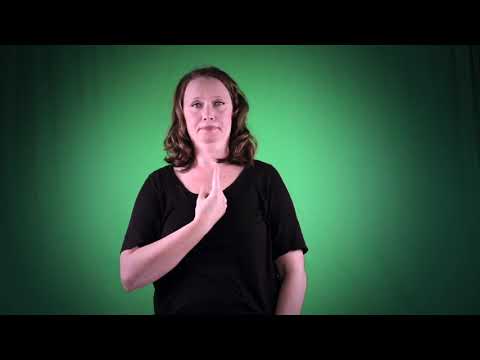
Definition: To let something remain as it is.
Sign for LEAVE-BE in ASL
Practice Activities:
Cultural Context:
Practice Activities
To master the sign for LEAVE-BE in ASL, learners should start with mirror work. Stand in front of a mirror to carefully observe your handshapes, facial expressions, and body movement. This allows you to self-correct and ensure that your sign looks natural and fluid.
Record yourself signing the phrase in different sentences. Watch the videos to evaluate your clarity, accuracy, and expressiveness. This practice can reveal subtle mistakes and help you build confidence using the sign for LEAVE-BE in ASL in spontaneous conversation.
Use the sign in real-life contexts. For example, imagine you’re telling someone to leave something alone, such as a conversation or an object. Practice role-playing with a partner or signing with friends who are also learning ASL. Contextual use helps reinforce the sign’s meaning and appropriate situations for its use.
Advanced drills for the sign for LEAVE-BE in ASL can involve combining it with related signs in complex sentences. For example, pair it with signs like THINK, DISCUSS, or PROBLEM to practice nuanced expressions. Try interpreting short video clips or written dialogues into ASL, making sure to use appropriate pauses and facial grammar.
Repeat the sign regularly in various emotional tones—serious, playful, annoyed—to understand how facial expressions shape meaning. Since ASL is a visual language, mastering the emotional context is just as important as the hand movements.
SEO Cultural Context
The sign for LEAVE-BE in ASL carries deep cultural significance in the Deaf community. It’s often used to express the concept of leaving a situation, topic, or object alone—sometimes for emotional or respectful reasons. This sign reflects the Deaf cultural value of direct but respectful communication.
In Deaf culture, the sign for LEAVE-BE in ASL is used to set boundaries or indicate that further discussion isn’t welcome. This can be seen in group discussions, classrooms, or interpersonal relationships. Understanding when and how to use this sign appropriately is essential for maintaining respectful interaction within the community.
This sign may have slight regional variations. In some areas, it may incorporate a different palm orientation or movement intensity. However, the core meaning remains consistent, and exposure to different signers across the country will help you become more flexible in recognizing these variations.
In everyday life, the sign for LEAVE-BE in ASL is often used to deescalate conflict or express a desire to disengage. It might be signed during an argument or when someone wants to stop a conversation without further explanation. Knowing how to use this sign appropriately demonstrates cultural fluency and emotional intelligence in ASL conversation.
Extended Definition
The sign for LEAVE-BE in ASL typically involves a motion that starts with a flat hand over a location or concept, followed by a slight pulling away, as if withdrawing involvement. The facial expression is crucial—usually serious, neutral, or assertive, depending on context. This sign conveys the message: don’t touch, don’t interfere, don’t continue.
It’s important to distinguish this sign from similar signs like LEAVE (as in “to exit a place”) or STOP. While LEAVE-BE suggests emotional or social disengagement, LEAVE usually refers to physical departure. STOP, on the other hand, signals an immediate halt to an action. Confusing these can change the entire meaning of your message.
A common error is signing the movement too small or without clear facial grammar. This reduces the sign’s clarity. Another mistake is using a gesture that looks more like THROW-AWAY, which can unintentionally convey disrespect. To avoid these errors, learners should study the sign in real-life contexts and practice with native signers or interpreters when possible.
The sign for LEAVE-BE in ASL may also be used metaphorically. For instance, it can describe leaving a memory untouched or letting someone have their opinion without interference. These abstract uses require a deeper understanding of ASL structure and Deaf culture.
Tips for Beginners
For beginners, learning the sign for LEAVE-BE in ASL may feel challenging because of its nuanced meaning. Start by observing native signers use it in different contexts. Watch how facial expressions shift subtly to match the tone of the conversation. Mimic these expressions in your practice.
Don’t rush the motion. New learners often sign too quickly, which can make the sign unclear. Focus on smooth, deliberate movement with a steady handshape. Let your facial expression naturally match your intent—whether calm, firm, or gentle.
Another tip is to pair this sign with fingerspelling or other signs until you feel confident. For example, you might sign THINK, then LEAVE-BE, to structure a sentence like “I think we should leave it be.”
Avoid overusing the sign for LEAVE-BE in ASL in inappropriate contexts. It’s not for every type of “leave” in English. Make sure you’re not accidentally using it when you mean “leave a place” or “break up with someone.” Context is everything, so always clarify your intent.
Consistency is key. Practice signing every day, even if it’s just for five minutes. Use online videos, apps, and ASL dictionaries to reinforce what you’ve learned. The more you see the sign in natural use, the easier it will be to incorporate into your own signing.
Connections to Other Topics
The sign for LEAVE-BE in ASL is closely connected to the sign for IGNORE. Both convey a sense of detachment, but IGNORE tends to have more of a negative connotation. LEAVE-BE can be neutral or even respectful, depending on context.
Another related sign is LET-IT-GO. While LEAVE-BE often implies noninterference, LET-IT-GO suggests emotional release. Comparing these helps learners understand subtle differences in ASL vocabulary and emotional tone.
The sign for LEAVE-BE in ASL also connects to the concept of boundaries in Deaf culture. It supports respectful interaction and can be used to gently tell someone they are overstepping.
You’ll also find similarities with HOLD-BACK or CONTROL. These signs often appear in conversations about self-regulation or conflict avoidance, themes that naturally align with LEAVE-BE.
Finally, LEAVE-BE can be thematically linked to the idea of closure or disengagement in ASL storytelling. When used in narratives, it helps punctuate emotional moments where a character chooses peace or distance over confrontation.
Lengthy Summary
Understanding the sign for LEAVE-BE in ASL opens up a nuanced layer of communication that goes beyond literal translation. It’s a sign rich with emotional, social, and cultural meaning. Whether used to disengage from a topic, encourage someone to stop interfering, or express emotional boundaries, it plays a vital role in respectful ASL interaction.
Mastery of this sign involves more than just hand movement. Learners must also grasp the importance of facial grammar, tone, and context. Practice activities like mirror work, video analysis, and contextual usage are essential tools. These help learners internalize not just how to sign it, but when and why to use it.
Culturally, the sign for LEAVE-BE in ASL aligns with Deaf values of direct but considerate communication. It’s used in homes, schools, relationships, and community discussions. Being familiar with regional variations and abstract uses allows signers to navigate diverse signing environments with confidence.
For beginners, the key is patience and consistency. Start slow, focus on accuracy, and don’t hesitate to use resources like ASL videos or community meetups. Avoid common mistakes like misusing the sign for other types of “leave” or failing to use appropriate facial expressions.
By exploring related signs like IGNORE, LET-IT-GO, and HOLD-BACK, learners deepen their understanding of emotional vocabulary in ASL. These connections enrich your ability to express complex ideas and navigate real-life conversations with empathy and clarity.
The sign for LEAVE-BE in ASL is more than a vocabulary word—it’s a tool for emotional intelligence, conflict management, and respectful communication. Keep practicing, stay curious, and don’t be afraid to ask for feedback. Every sign you learn brings you one step closer to fluency .
Extended Definition:
Synonyms: leave alone, disregard, ignore, let be, abandon
Educational resources: Find related learning materials in our course bank!
Want more? Check out some of our popular learning activities on the homepage!
Need to look up a sign? Use our highly rated dictionary: https://aslinteractive.com/best-asl-dictionary/
Follow us on tiktok: https://www.tiktok.com/@aslinteractive. More social media links at the bottom of this page!
Long-tail Keywords: what is the ASL sign for leave-be, how do you sign leave-be in American Sign Language, leave-be sign meaning in ASL
Categories:
tags: Leave-Be in ASL, ASL phrases about emotions, ASL signs for relationships, conflict resolution in ASL, American Sign Language vocabulary
Tips for Beginners:
Connections to Other topics:
Summary:
Want more? Check out some of our popular learning activities!
ASL Interactive Resources
ASLInteractive YouTube Channel
Follow us on tiktok: @aslinteractive.com
Follow us on Instagram: aslinteractive
Facebook page: aslinteractive
Facebook group: aslinteractive
LInkedIn: ASL Interactive LLC
Twitter: @ASL_interactive
*Some information on this page is AI-generated. AI can make mistakes. Please check the information.


Responses