Cultural Context:
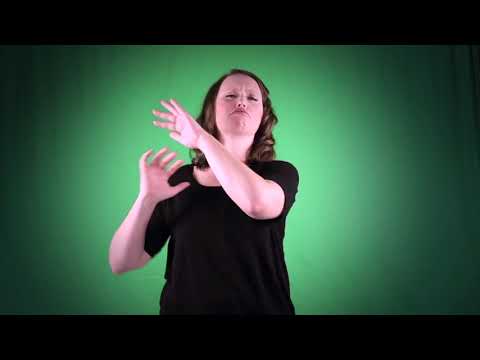
Practice Activities To effectively learn the sign for LONG-AGO in ASL, it’s important to engage in a variety of practice activities that reinforce both accuracy and fluency. Mirror work is a great place to start—stand in front of a mirror and observe your handshape, movement, and facial expression as you produce the sign for LONG-AGO in ASL. This helps you self-correct and build muscle memory. Recorded signing is another powerful tool. Use your phone or computer to record yourself signing. Later, watch the video to identify areas where you can improve. Try signing common phrases or even full sentences that include the sign for LONG-AGO in ASL so you can see how it fits naturally into ASL syntax. In-context practice is key to long-term retention. Try to incorporate the sign for LONG-AGO in ASL into conversations with classmates or signing partners. Discuss topics like childhood, history, or personal stories that naturally require this sign. The more relevant the context, the more meaningful your practice will be. For more advanced learners, timed drills and storytelling exercises can enhance fluency. Set a timer and sign a short story that includes several time-related signs, including the sign for LONG-AGO in ASL. This will help you improve speed and fluidity while ensuring your grammar stays accurate. SEO Cultural Context The sign for LONG-AGO in ASL carries deep cultural significance within the Deaf community. Time-related signs like this one are vital for storytelling, a foundational part of Deaf culture. Storytelling often involves sharing personal, historical, or cultural narratives, and the sign for LONG-AGO in ASL is frequently used to indicate events that happened far in the past. Deaf culture values clarity and expressiveness, and this sign embodies that. It often includes a dramatic facial expression and an extended motion to show distance in time. These features are not just grammar—they’re a cultural expression of how time is perceived and shared in ASL. There may be slight regional variations in how the sign for LONG-AGO in ASL is produced. Some signers use a more exaggerated movement, while others keep it more subtle. These differences are usually mutually intelligible and reflect local community norms. In real-life situations, this sign is commonly used in conversations about genealogy, Deaf history, or personal milestones. Whether recounting a family story or discussing how ASL has evolved, the sign for LONG-AGO in ASL helps anchor the narrative in the distant past. Extended Definition The sign for LONG-AGO in ASL is made by extending the dominant hand open and then moving it backward over the shoulder in a smooth, sweeping motion. The movement suggests something disappearing into the distance, symbolizing how far back in time the event occurred. Facial expressions play a crucial role—often, the eyes slightly squint or the eyebrows raise to emphasize the concept of “a long time ago.” This sign is related to other time-based signs like PAST or BEFORE, but it is more specific in expressing a distant point in the past. While PAST may refer to anything that already happened, the sign for LONG-AGO in ASL implies a much older timeframe, often years or even generations ago. Common errors include using the wrong handshape or failing to use appropriate facial expressions. Another mistake is confusing the sign with similar ones like BEFORE, which lacks the extended backward movement. Always double-check that your motion is fluid and that your facial expression matches the depth of time you’re trying to convey. Some learners mistakenly sign it too quickly or without enough motion, which can make the meaning unclear. The sign for LONG-AGO in ASL should feel deliberate, almost like you’re physically reaching into the past. This helps your audience grasp the sense of time you’re expressing. Tips for Beginners For beginners learning the sign for LONG-AGO in ASL, start slow and focus on accuracy. Don’t rush the motion. Remember, this sign isn’t just a gesture—it’s a visual representation of time. Use a mirror to watch not only your hand movement but also your facial expression, which is critical in ASL. Pay attention to the direction of the movement. The sign should move from the front of your body backward over your shoulder. This motion sets it apart from other time signs and reinforces the idea of something far in the past. A common mistake is signing it with a stiff or jerky motion. Keep it smooth and intentional. Visualize the concept of the past stretching behind you as you sign. This mental image will help you produce the sign naturally and with the correct nuance. Don’t forget to practice the sign in full sentences. Signing it in isolation is helpful for learning, but using the sign for LONG-AGO in ASL within a sentence will strengthen your understanding of ASL grammar and improve your fluency. Connections to Other Topics The sign for LONG-AGO in ASL connects naturally with several other time-related signs. The sign PAST, for example, is a simpler way to refer to earlier points in time but doesn’t carry the same depth of historical distance. Understanding both signs helps you choose the most accurate one depending on context. The sign BEFORE is another related term. It typically appears in phrases like “before now” or “before that happened.” While similar in motion, BEFORE is more general than the sign for LONG-AGO in ASL and doesn’t usually imply a distant past. Another connection is with the sign HISTORY. When discussing historical events or cultural traditions, you’ll often pair the sign for LONG-AGO in ASL with HISTORY to indicate the timeframe. This pairing is especially useful in educational or storytelling settings. The sign REMEMBER also links thematically. When sharing memories or retelling events, you may sign REMEMBER followed by the sign for LONG-AGO in ASL to indicate that the memory is from long ago. This combination enriches the narrative and makes your story more vivid. Finally, the sign STORY is a helpful partner. In ASL storytelling, establishing the timeframe is essential, and the sign for LONG-AGO in ASL helps set that scene. Whether you’re telling a fairytale or a family memory, this sign anchors the audience in the timeline of your tale. Lengthy Summary The sign for LONG-AGO in ASL is more than just a vocabulary term—it’s a visual and cultural expression of time deeply embedded in the fabric of ASL storytelling and communication. Its sweeping backward motion and expressive facial cues vividly convey the idea of something that happened far in the past. Whether you’re recounting childhood memories or discussing historical events, this sign serves as a powerful tool to establish context and depth. The cultural importance of the sign for LONG-AGO in ASL cannot be overstated. It plays a central role in how the Deaf community shares oral history and personal narratives. Understanding its use, including regional variations and appropriate facial expressions, shows cultural competence and respect. For learners, mastering the sign requires consistent practice through mirror work, recorded videos, and interactive use in conversation. Avoid common pitfalls like stiff motion or incorrect handshape, and always remember the value of context. Signing in full sentences will help solidify your understanding of how the sign for LONG-AGO in ASL fits within broader grammatical structures. This sign also connects to a network of related ASL concepts, including PAST, BEFORE, HISTORY, REMEMBER, and STORY. Together, these signs form a toolkit for expressing time and memory in rich, meaningful ways. As you continue your ASL journey, revisiting and refining your use of the sign for LONG-AGO in ASL will deepen your fluency and enhance your ability to connect with the Deaf community. Keep practicing, stay curious, and don’t be afraid to make mistakes. Every sign you learn brings you closer to fluency and cultural understanding. So go ahead—start signing your own LONG-AGO stories today ✨Extended Definition:
Synonyms: ancient times, days of old, in the past, bygone era, yesteryear Educational resources: Find related learning materials in our course bank! Want more? Check out some of our popular learning activities on the homepage! Need to look up a sign? Use our highly rated dictionary: https://aslinteractive.com/best-asl-dictionary/ Follow us on tiktok: https://www.tiktok.com/@aslinteractive. More social media links at the bottom of this page! Long-tail Keywords: what is the sign for long-ago in ASL, how do you sign long-ago in ASL, learn how to sign long-ago in American Sign Language Categories: tags: long-ago signs, time-related ASL, ASL history vocabulary, ancient times in ASL, ASL time periodsTips for Beginners:
Connections to Other topics:
Summary:
Want more? Check out some of our popular learning activities!
ASL Interactive Resources
ASLInteractive YouTube Channel
Follow us on tiktok: @aslinteractive.com
Follow us on Instagram: aslinteractive
Facebook page: aslinteractive
Facebook group: aslinteractive
LInkedIn: ASL Interactive LLC
Twitter: @ASL_interactive
*Some information on this page is AI-generated. AI can make mistakes. Please check the information.
Responses