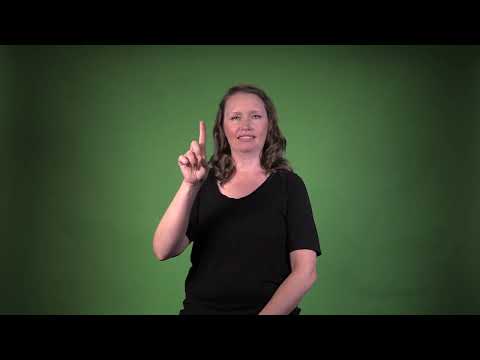
Sign for MD in ASL | ASL Dictionary

Definition: US state Maryland

Sign for MD in ASL

YouTube player

Practice Activities:

Cultural Context:

Practice Activities

To master the sign for MD in ASL, learners should begin by practicing in front of a mirror. Mirror work allows you to observe your handshape, movement, and facial expression to ensure accuracy. Since MD stands for “Medical Doctor,” the sign typically combines the sign for “doctor” with the initialized fingerspelling of the letters M and D.

Recording yourself is another effective activity. Sign the phrase multiple times while recording and then review the video to check for clarity and fluidity. Make sure your fingerspelling of M and D is crisp and well-paced, which is essential for the sign for MD in ASL to be clearly understood.

Use context-based practice to improve your fluency. For example, include the sign for MD in ASL in full sentences like “I am going to see my MD today” or “My MD specializes in cardiology.” This helps solidify your understanding of how the sign is used in daily conversation.

Advanced drills can include speed rounds where you fingerspell MD quickly and smoothly or practice transitioning between “doctor” and MD in medical dialogues. Partner with a study buddy or tutor to role-play appointments or medical scenarios to apply the sign for MD in ASL in real-time interactions.

SEO Cultural Context

In Deaf culture, clarity and accuracy in professional titles are important, especially when discussing healthcare. The sign for MD in ASL is often used in medical settings, hospitals, and conversations about health. It is culturally respectful to distinguish between general doctors and specialists, and the use of the MD sign helps convey professionalism and specificity.

While the sign for MD in ASL is widely recognized, there may be minor regional differences. Some signers prefer to fingerspell M-D after signing “doctor,” while others integrate it into the sign itself. Both are acceptable depending on the context and the community norms.

In Deaf culture, communication access in healthcare is a critical issue. Using the correct sign for MD in ASL ensures that Deaf individuals can communicate clearly about their medical needs. It also reinforces the importance of using accurate terminology in professional settings.

Extended Definition

The sign for MD in ASL is typically created by first signing “doctor,” which involves tapping the wrist of your non-dominant hand (palm-up) with the fingertips of your dominant hand in a flat-O handshape. This represents checking a pulse, a traditional gesture for the word “doctor” in ASL.

Immediately after signing “doctor,” the signer fingerspells the letters M and D. The M-handshape is made by tucking the thumb between the pinky and ring fingers, and the D-handshape is formed by making an upright index finger with the other fingers touching the thumb in an O shape. Together, this sequence forms the complete sign for MD in ASL.

Some learners confuse the sign for MD in ASL with the general sign for “doctor” or “medicine.” While these are related, they are not interchangeable. “Doctor” is a broader term, while MD specifically denotes a person with a medical doctorate degree.

Another common error is unclear fingerspelling. Sloppy or rushed handshapes for M and D can lead to misunderstandings, especially in fast-paced conversations. It’s important to maintain clean, deliberate handshapes when fingerspelling MD.

Tips for Beginners

If you’re new to ASL, don’t worry if your fingerspelling feels slow or awkward at first. The sign for MD in ASL requires both a familiar sign and clear fingerspelling, so break down each part separately to build confidence.

Start by mastering the sign for “doctor.” Once that feels natural, practice the M and D handshapes in isolation before adding them at the end of the doctor sign. Repetition in small steps will help you internalize the complete sign for MD in ASL.

Avoid rushing the fingerspelling. Many beginners try to speed through it, which results in errors. Take your time to form the M and D clearly and consistently.

Also, watch videos of fluent signers using the sign for MD in ASL in real conversations. This will help you understand the natural rhythm and expression associated with the sign. Don’t be afraid to ask for feedback from Deaf mentors or ASL instructors.

Connections to Other Topics

The sign for MD in ASL connects closely with the sign for “doctor,” which is essential vocabulary in both medical and general contexts. Knowing this root sign helps reinforce your understanding of how compound signs in ASL are formed.

Another related concept is fingerspelling. Since MD is a two-letter abbreviation, strong fingerspelling skills are critical. Practicing other two-letter abbreviations like RN (Registered Nurse) or ER (Emergency Room) will help you become more fluent in healthcare-related ASL.

The sign for “hospital” is also commonly used alongside the sign for MD in ASL. Learning how to sign “hospital,” “clinic,” and “appointment” will help you build full sentences and navigate medical settings more comfortably.

You may also explore the grammatical structure of time-topic-comment in ASL. For example, “Tomorrow, I go hospital see MD” follows a common ASL sentence structure. Understanding these patterns helps integrate the sign for MD in ASL into fluent conversation.

Lastly, the concept of professional titles in ASL is important. Learning signs for “nurse,” “surgeon,” “therapist,” or “specialist” broadens your vocabulary and helps you specify different roles within the medical field, all of which may appear alongside the sign for MD in ASL.

Lengthy Summary

The sign for MD in ASL plays a crucial role in communicating about medical professionals within the Deaf community. It combines the sign for “doctor” with the fingerspelled letters M and D, forming a clear and respectful way to refer to medical doctors. This sign is used in a variety of settings, from informal conversations to professional healthcare environments.

Understanding the cultural context behind the sign for MD in ASL enhances your ability to use it appropriately. In Deaf culture, accurate and respectful communication about healthcare is vital, and using the correct sign demonstrates awareness and consideration. Regional variations may exist, but clarity and consistency remain the top priorities.

Beginners should focus on mastering each part of the sign separately—start with “doctor,” then practice M and D in fingerspelling. Avoid rushing, and use mirrors, recordings, and context-based practice to reinforce your learning. Practice using the sign in full sentences and medical dialogues to make it second nature.

Related signs and topics, such as “hospital,” “appointment,” and “nurse,” help create a broader understanding of medical terminology in ASL. These connections not only support vocabulary expansion but also ground the sign for MD in ASL within a larger framework of healthcare-related communication.

By practicing regularly and immersing yourself in real-life usage, you’ll gain confidence and accuracy. The sign for MD in ASL is more than just a combination of handshapes—it’s a bridge to effective communication, health equity, and cultural respect. Keep practicing, stay curious, and continue building your ASL fluency. Your efforts today lead to greater inclusion and understanding tomorrow ✨.

Extended Definition:

Synonyms: Understood. Please provide the MD terms you’d like synonyms for.

Educational resources: Find related learning materials in our course bank!

Want more? Check out some of our popular learning activities on the homepage!

Need to look up a sign? Use our highly rated dictionary: https://aslinteractive.com/best-asl-dictionary/

Follow us on tiktok: https://www.tiktok.com/@aslinteractive. More social media links at the bottom of this page!

Long-tail Keywords: what is the sign for MD in ASL, how do you sign MD in ASL, ASL sign for MD

Categories:

tags: medical terms in ASL, healthcare signs in ASL, doctor and medical signs, ASL for medical professionals, American Sign Language medical vocabulary

Tips for Beginners:

Connections to Other topics:

Summary:

Want more? Check out some of our popular learning activities!

ASL Interactive Resources

ASLInteractive YouTube Channel

Follow us on tiktok: @aslinteractive.com

Follow us on Instagram: aslinteractive

Facebook page: aslinteractive

Facebook group: aslinteractive

LInkedIn: ASL Interactive LLC

Twitter: @ASL_interactive

*Some information on this page is AI-generated. AI can make mistakes. Please check the information.


Responses