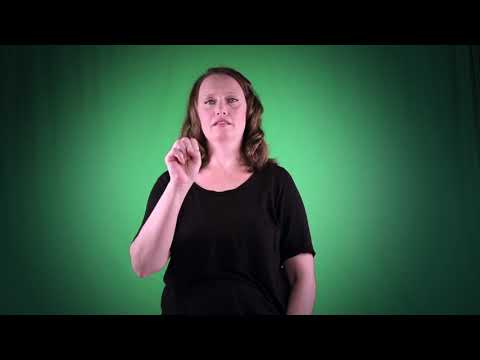
Sign for MIMOSA in ASL | ASL Dictionary

Definition: A cocktail made with champagne and orange juice.

Sign for MIMOSA in ASL

YouTube player

Practice Activities:

Cultural Context:

Practice Activities

To master the sign for MIMOSA in ASL, learners should engage in a variety of practice methods that help reinforce both muscle memory and understanding. A helpful first step is practicing in front of a mirror. This allows you to check your handshape, movement, and facial expression for accuracy. Since the sign for MIMOSA in ASL may involve elements from signs like ORANGE or ALCOHOL depending on the regional variant, mirror work ensures you’re capturing the subtle differences.

Another valuable technique is recording yourself signing. Watching your playback helps identify areas you might be unclear or inconsistent. Try signing a short narrative about a brunch gathering or celebration and incorporate the sign for MIMOSA in ASL multiple times for fluency. By embedding the sign in context, you’ll gain confidence using it naturally.

You can also sign in context with a partner. For example, role-play a scenario where you’re ordering drinks with a friend. Signing in real-life situations reinforces vocabulary retention and helps you become more conversational.

Advanced learners can benefit from drills that include multiple drink-related signs. Cycle through signs like WINE, BEER, CHAMPAGNE, and MIMOSA quickly to improve fluidity. This also helps distinguish the sign for MIMOSA in ASL from similar concepts, especially in casual settings.

SEO Cultural Context

The sign for MIMOSA in ASL reflects not only the translation of a drink name but also a cultural experience. Mimosas are commonly associated with social brunches, celebrations, or events like weddings and showers. In Deaf culture, these social contexts are important because community gatherings are central to cultural life. Signing about these events accurately is a way to fully participate in Deaf social experiences.

While there may not be a standardized sign for MIMOSA in ASL across all regions, the sign is often created by combining the signs for ORANGE and CHAMPAGNE or ORANGE and WINE. This compound approach mirrors the drink’s ingredients and reflects the visual-spatial nature of ASL. In some areas, fingerspelling M-I-M-O-S-A may still be common, especially if the audience is unfamiliar with the drink or if clarity is needed in a formal setting.

Deaf etiquette emphasizes clarity and respect for conversational partners. When using the sign for MIMOSA in ASL in a group setting, it’s important to gauge whether everyone understands the sign. If not, fingerspelling as a backup is always an accepted cultural norm. This helps maintain smooth communication and honors the diversity of signers’ experiences.

Extended Definition

The sign for MIMOSA in ASL is typically created by combining meaningful components that represent the drink’s ingredients. For most signers, this means using the sign for ORANGE followed by a sign for CHAMPAGNE or WINE. The sign for ORANGE is made by squeezing your hand into a fist near the chin, mimicking the act of squeezing an orange. CHAMPAGNE is often signed by mimicking the popping motion of a cork from a bottle, while WINE is signed with a circular motion of the W handshape near the cheek.

Because MIMOSA is a mixed drink, the blended sign reflects this combination. Learners should be careful not to confuse this sign with the sign for JUICE, which may also involve the letter J near the cheek. A common error is overemphasizing the ORANGE portion and forgetting to convey the alcoholic component. This can lead to misunderstandings, especially in social contexts where multiple beverages are being discussed.

Some signers may choose to fingerspell M-I-M-O-S-A, especially when introducing the concept for the first time. After the term is established, using the sign for MIMOSA in ASL—via the compound method—is more fluid and culturally appropriate. It’s also important to distinguish this sign from unrelated concepts that may use similar handshapes or movements, such as MILK or WATER, which have entirely different meanings.

Tips for Beginners

For beginners learning the sign for MIMOSA in ASL, it’s helpful to start with the individual components. Make sure you’re confident in signing ORANGE and CHAMPAGNE or ORANGE and WINE before combining them. This ensures clarity when you blend them into a single sign.

One common mistake is rushing the transition between the two signs, which can cause them to blur together. Take your time during practice to pause slightly between each component, then gradually speed up as you become more fluent. Another issue is using incorrect handshape or positioning during the ORANGE sign, which may confuse it with MILK or other facial-area signs.

Use video dictionaries or apps to compare your version of the sign for MIMOSA in ASL with native signers. Remember that facial expressions are a key part of ASL grammar. When referencing MIMOSA in a celebratory context, a happy or excited facial expression helps convey the tone and setting.

Don’t be discouraged if you need to fingerspell the word at first. This is a completely acceptable strategy while you work toward mastering the compound sign. With consistent practice, you’ll soon be able to use the sign for MIMOSA in ASL seamlessly in your conversations.

Connections to Other Topics

The sign for MIMOSA in ASL connects closely with several other common drink-related signs. One related sign is CHAMPAGNE, which often appears in the same celebratory settings and may even be part of the MIMOSA sign itself. Practicing CHAMPAGNE helps reinforce the alcoholic portion of the compound sign.

Another useful sign is ORANGE, which is both a fruit and a color. Depending on the context, ORANGE can appear in many different conversations, from describing food to discussing fashion. Understanding the correct handshape and facial expression for ORANGE will strengthen your ability to use it within the sign for MIMOSA in ASL.

The sign for WINE is also connected, especially in regions where signers use ORANGE plus WINE to represent MIMOSA. Practicing WINE alongside CHAMPAGNE gives you flexibility based on regional preferences. Additionally, learning the sign for DRINK helps you introduce or generalize beverage-related conversations before narrowing down to a specific drink like MIMOSA.

FINGERSPELLING is another important concept. While not unique to this sign, fingerspelling M-I-M-O-S-A is a foundational skill for beginners and advanced signers alike. It reinforces spelling fluency and helps clarify meaning when regional variations or uncertainty arise.

Lastly, the concept of CELEBRATION or BRUNCH is useful for contextual understanding. These signs help set the scene for when and why you might use the sign for MIMOSA in ASL. Integrating these into your practice boosts your conversational scope and helps you engage in culturally relevant discussions.

Lengthy Summary

Mastering the sign for MIMOSA in ASL involves more than just learning a gesture—it’s about understanding the cultural, linguistic, and social elements that inform its use. Because the drink is associated with special occasions like brunch, weddings, and social gatherings, the sign frequently appears in celebratory contexts. Whether you’re using the compound form that combines ORANGE with CHAMPAGNE or WINE, or you’re fingerspelling M-I-M-O-S-A for clarity, knowing when and how to use this sign is key to effective communication.

Culturally, it’s important to be aware of regional variations and to respect the norms of the Deaf community. Using the sign in the right context, with appropriate facial expressions and timing, helps build rapport and shows cultural fluency. Practicing the sign for MIMOSA in ASL through mirror work, video recording, contextual signing, and advanced drills ensures that you not only remember the sign but also feel confident using it in conversation.

Beginners should take care to learn each component of the sign clearly and avoid rushing through the movements. By focusing on foundational signs like ORANGE, WINE, and CHAMPAGNE, and by reinforcing fingerspelling skills, learners can build a strong base for using the sign for MIMOSA in ASL smoothly and naturally.

The sign also connects to broader topics like drink vocabulary, fingerspelling, and event-related signs such as CELEBRATION or BRUNCH. These connections enrich your understanding of ASL grammar and culture and prepare you for more complex conversations.

Keep practicing the sign for MIMOSA in ASL until it becomes second nature. Whether you’re signing about your favorite brunch drink or describing a festive event, this sign adds personality and depth to your ASL vocabulary. Stay motivated, keep signing, and continue exploring the beautiful language of ASL every day!

Extended Definition:

Synonyms: Mimosa, Touch-Me-Not, Sensitive Plant, Sleeping Grass, Humble Plant

Educational resources: Find related learning materials in our course bank!

Want more? Check out some of our popular learning activities on the homepage!

Need to look up a sign? Use our highly rated dictionary: https://aslinteractive.com/best-asl-dictionary/

Follow us on tiktok: https://www.tiktok.com/@aslinteractive. More social media links at the bottom of this page!

Long-tail Keywords: what is the sign for Mimosa in ASL, how do you sign Mimosa in ASL, ASL sign for Mimosa

Categories:

tags: ASL drinks, ASL beverages, food and drink in ASL, brunch vocabulary in ASL, mimosa sign language

Tips for Beginners:

Connections to Other topics:

Summary:

Want more? Check out some of our popular learning activities!

ASL Interactive Resources

ASLInteractive YouTube Channel

Follow us on tiktok: @aslinteractive.com

Follow us on Instagram: aslinteractive

Facebook page: aslinteractive

Facebook group: aslinteractive

LInkedIn: ASL Interactive LLC

Twitter: @ASL_interactive

*Some information on this page is AI-generated. AI can make mistakes. Please check the information.


Responses