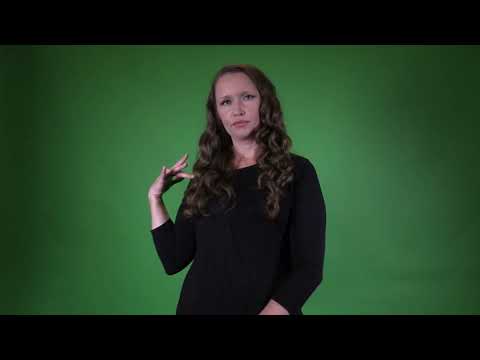
Definition: A representation or example of something.
Sign for MODEL in ASL
Practice Activities:
Cultural Context:
Practice Activities
To become fluent in the sign for MODEL in ASL, start with mirror work. Stand in front of a mirror and practice forming the sign clearly and confidently. Watch your facial expressions and handshape while comparing your movements to reliable video demonstrations. This helps build self-awareness and accuracy.
Record yourself signing the sign for MODEL in ASL during short practice sessions. Playback allows you to observe small details in your movement, palm orientation, and non-manual signals. Over time, this helps correct unnoticed errors and improves muscle memory.
Practice signing in context by incorporating the sign for MODEL in ASL into full sentences. For example, sign “She is a fashion model” or “He wants to model for the art class.” Practicing in context strengthens your grasp of grammar and usage.
For more advanced learners, try expressive drills. Describe a modeling job, explain the difference between a model and an actor, or narrate a runway show using ASL. These activities reinforce fluency, vocabulary expansion, and storytelling skills.
SEO Cultural Context
The sign for MODEL in ASL holds cultural and linguistic significance within the Deaf community. In Deaf culture, visual representation and aesthetics are extremely important, making modeling a topic that resonates with expression, presentation, and performance.
This sign is commonly used in conversations about careers, art, fashion, photography, and role-playing. For example, Deaf individuals working in fashion or media may use the sign for MODEL in ASL to talk about their profession or artistic projects.
Regional variation may exist. In some areas, users might modify the sign slightly depending on context—whether referring to a fashion model, a model of behavior, or a 3D representation. Always pay attention to how the sign is used locally or within specific communities.
Deaf culture values clarity and authenticity. So when using the sign for MODEL in ASL, it’s important to accompany it with appropriate non-manual markers, such as facial expression, to convey the correct meaning—whether you’re talking about modeling clothing or serving as an example to follow.
Extended Definition
The sign for MODEL in ASL typically involves one dominant hand in a flat “5” or “open B” shape, mimicking a display gesture on the body or in space, often combined with facial expressions suggesting presentation or showcasing. Sometimes, the sign incorporates a movement similar to showing or highlighting features.
This sign can refer to multiple meanings of the English word “model.” It can mean a fashion model, a person who poses for art, or a conceptual model, such as a model of behavior or a scientific model. Context determines meaning, so surrounding signs and facial cues are essential.
There are related signs to be aware of, such as ACTOR, SHOW, or EXAMPLE. Learners sometimes confuse the sign for MODEL in ASL with the sign for ACT or EXHIBIT, which can look similar but have different directional movement or palm orientation. Always double-check the context and movement details to ensure accuracy.
Common errors include incorrect handshape, lack of fluid motion, or forgetting facial expression. Another mistake is using the sign too quickly or stiffly, which can make it appear unnatural or confusing. Practice helps you internalize the correct form and rhythm.
Tips for Beginners
If you’re just starting to learn the sign for MODEL in ASL, take it step by step. Focus on getting the handshape and movement right before adding speed or expressiveness. Watching native signers and mimicking their flow can be very helpful.
Don’t get discouraged if your movement feels stiff at first. Many beginners make the mistake of rushing or exaggerating the sign. Relax your hands and let the movement be natural. Use a mirror or video to see where you can improve.
Start by using the sign in simple sentences. For example, “I want to be a model” or “That model is tall.” This keeps your practice grounded in practical communication. Pair the sign with expressive facial cues to bring your sentence to life.
Another tip is to watch ASL videos related to fashion, careers, or art. You’ll likely see the sign for MODEL in ASL used in authentic ways, which helps reinforce your understanding. Repetition and context are your best teachers.
Connections to Other Topics
The sign for MODEL in ASL shares connections with the sign for ACTOR. Both involve performance and visual presentation. Understanding this link helps you group vocabulary thematically, especially in discussions about media or careers.
Another related sign is EXAMPLE. A model can be someone who serves as an example, so these signs often appear together in educational or motivational conversations. Learning both helps you express abstract ideas more fluently.
The sign for FASHION is also closely related. Whether talking about runway shows or clothing styles, the sign for MODEL in ASL often appears in the same context. Knowing signs like CLOTHES or STYLE enhances your vocabulary in fashion-related topics.
The concept of SHOW or DISPLAY is another connection. Since modeling involves showing something—whether clothing or behavior—these signs may be used together. Understanding how these signs interact grammatically builds your expressive skills.
Finally, the sign for POSE is significant. In art or photography, models pose. Learning the sign for POSE alongside the sign for MODEL in ASL deepens your ability to describe artistic settings or instruction.
Lengthy Summary
The sign for MODEL in ASL is a rich and versatile term that connects to themes of visual expression, professionalism, and presentation. Whether referring to fashion, art, or conceptual modeling, this sign is used in a variety of real-life scenarios within the Deaf and signing communities.
Learning this sign requires attention to detail, especially in handshape, movement, and facial expression. Beginners should take their time mastering the form and practice using the sign in full sentences. Tools like mirrors, video recordings, and contextual drills can accelerate your progress.
Culturally, the sign for MODEL in ASL is important because it reflects visual performance and personal representation—both highly valued in Deaf culture. Variations may occur depending on the setting, so understanding how context shifts meaning is essential for full fluency.
By exploring related signs like ACTOR, EXAMPLE, and FASHION, you expand your vocabulary and gain a deeper understanding of how ASL structures concepts around professions and behaviors. These thematic connections help reinforce memory and improve communication.
Ultimately, becoming comfortable with the sign for MODEL in ASL opens the door to richer conversations about identity, careers, and art. Keep practicing daily, stay curious, and immerse yourself in authentic ASL environments whenever possible. Your fluency will grow with time and dedication.
Extended Definition:
Synonyms: contemporary, current, up-to-date, present-day, state-of-the-art
Educational resources: Find related learning materials in our course bank!
Want more? Check out some of our popular learning activities on the homepage!
Need to look up a sign? Use our highly rated dictionary: https://aslinteractive.com/best-asl-dictionary/
Follow us on tiktok: https://www.tiktok.com/@aslinteractive. More social media links at the bottom of this page!
Long-tail Keywords: what is the sign for model in ASL, how do you sign model in ASL, ASL sign for model
Categories:
tags: ASL fashion signs, clothing in ASL, modeling signs in ASL, ASL vocabulary for careers, appearance-related signs in ASL
Tips for Beginners:
Connections to Other topics:
Summary:
Want more? Check out some of our popular learning activities!
ASL Interactive Resources
ASLInteractive YouTube Channel
Follow us on tiktok: @aslinteractive.com
Follow us on Instagram: aslinteractive
Facebook page: aslinteractive
Facebook group: aslinteractive
LInkedIn: ASL Interactive LLC
Twitter: @ASL_interactive
*Some information on this page is AI-generated. AI can make mistakes. Please check the information.


Responses