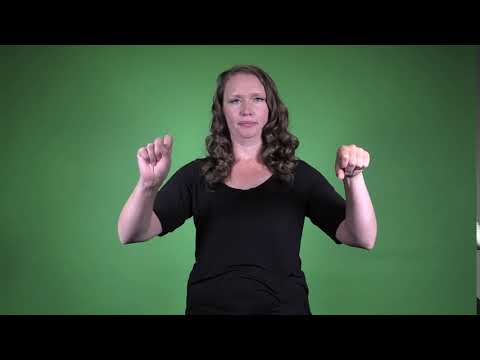
Sign for MOTORCYCLE in ASL | ️ ASL Dictionary

Definition: A two-wheeled vehicle powered by an engine.

Sign for MOTORCYCLE in ASL

YouTube player

Practice Activities:

Cultural Context:

Practice Activities

To master the sign for MOTORCYCLE in ASL, integrating a variety of practice methods will boost retention and fluency. Start by practicing the sign in front of a mirror. This allows you to check your handshape, movement, and facial expression, which are all essential components of clear ASL communication.

Record yourself signing the sign for MOTORCYCLE in ASL. Watching the playback helps you spot inconsistencies or errors in your movement or positioning. This method also builds self-awareness and confidence.

Use the sign in real-life context. For example, while talking about different types of vehicles or planning a road trip, insert the sign for MOTORCYCLE in ASL naturally into conversation. This contextual use strengthens memory and encourages real-world application.

Challenge yourself with advanced drills like speed signing or alternating between similar signs, such as CAR, BICYCLE, and MOTORCYCLE. These drills build muscle memory and improve sign differentiation, an essential skill for fluid ASL conversation.

Pair up with a study partner or join an online ASL group. Practicing the sign for MOTORCYCLE in ASL in a social setting reinforces natural language use and provides valuable feedback from others.

SEO Cultural Context

The sign for MOTORCYCLE in ASL carries cultural significance, especially within the Deaf community’s relationship with transportation and independence. Deaf individuals often rely on visual cues for safe travel, and knowing signs for different modes of transport, like the sign for MOTORCYCLE in ASL, is a practical necessity.

This sign may vary slightly by region, but the standard representation mimics the motion of gripping and revving motorcycle handlebars. This example of iconicity in ASL—where the sign visually resembles its meaning—helps learners remember it more easily and connects the language to real-world experiences.

In Deaf culture, storytelling often includes references to travel and movement. Knowing the sign for MOTORCYCLE in ASL allows signers to fully participate in narratives and discussions involving vehicles. It also promotes inclusivity when talking to Deaf bikers or motorcycle enthusiasts.

Understanding when and how to use this sign properly shows cultural respect. For example, using exaggerated or incorrect motions might come across as mocking or inattentive. Accurate and respectful use of the sign demonstrates cultural awareness and linguistic competence.

Extended Definition

The sign for MOTORCYCLE in ASL typically involves both hands forming the shape of fists, as if gripping handlebars. The dominant hand often mimics a revving motion, moving up and down slightly like twisting a throttle. This action visually represents the experience of riding a motorcycle, making it a highly iconic sign.

Some learners confuse the sign for MOTORCYCLE in ASL with signs for CAR or BICYCLE. Unlike CAR, where the hands mimic holding a steering wheel, or BICYCLE, which involves pedaling motions with fists, MOTORCYCLE is unique in its handlebar representation and revving motion.

This sign falls into the category of classifier-like signs, though it’s not a strict classifier. It represents an object through iconic movement, which is a common feature in ASL. Be careful to maintain proper handshape and movement path, as variations can lead to misunderstandings.

There are no significant gendered or age-related variations in the sign for MOTORCYCLE in ASL, but some regional dialects may use slightly different motions or facial expressions. Always be open to learning from native Deaf signers in your community for the most authentic usage.

Tips for Beginners

If you’re just beginning to learn the sign for MOTORCYCLE in ASL, start by observing native signers or clear instructional videos. Notice how the hands grip and move, and pay close attention to the rhythm of the revving motion.

A common mistake is using open hands instead of fists or placing the hands too far apart. Keep your fists at shoulder-width and make sure the motion is deliberate but not exaggerated. Practicing in front of a mirror can help you correct these issues early on.

Stay relaxed when learning. It’s easy to focus so hard on the hand movements that you forget about facial expression and body posture. Remember, ASL is a full-body language, and confidence helps your signs appear more natural.

Don’t rush. Repetition is key to mastering the sign for MOTORCYCLE in ASL. Start slowly and build up speed as your confidence grows. Sign it during conversations about travel, daily commutes, or even when you see a motorcycle pass by.

Seek feedback from more experienced signers whenever possible. They can point out subtle errors in your form or movement that you might not notice on your own. Learning collaboratively makes the process more enjoyable and effective.

Connections to Other Topics

The sign for MOTORCYCLE in ASL connects naturally with the sign for CAR. Both involve mimicking how one would interact with the vehicle—CAR uses a steering wheel motion, while MOTORCYCLE shows a handlebar grip. Comparing the two helps learners grasp the differences in how ASL represents various forms of transportation.

BICYCLE is another related sign. It uses a pedaling motion with both fists and is another example of how ASL demonstrates physical interaction with an object. Grouping these signs together in practice sessions can help reinforce vocabulary through thematic learning.

ROAD or STREET is a useful sign to learn alongside MOTORCYCLE. It provides context for where motorcycles travel and enhances storytelling when discussing routes, trips, or directions.

The sign for FAST or SPEED connects well with MOTORCYCLE, especially in contexts where speed is part of the conversation. Whether you’re talking about racing or just a fast ride, combining these signs enriches communication.

You can also explore signs like GAS, HELMET, or TRAVEL. These lend themselves to rich, descriptive narratives and allow you to form full sentences or stories around the theme of motorcycles and transportation in ASL.

Lengthy Summary

The sign for MOTORCYCLE in ASL is a visually iconic and culturally resonant sign that represents more than just a mode of transportation. With its handlebar-gripping motion and revving gesture, it captures the essence of riding a motorcycle. It’s a sign that is not only practical for everyday use but also essential for engaging in stories, travel discussions, and expressive conversations within the Deaf community.

Learning this sign involves more than just memorizing hand movements. It requires attention to detail, such as handshape, movement, spacing, and facial expression. By practicing in front of a mirror, recording yourself, and using the sign in real contexts, you develop fluency and confidence. Advanced drills and feedback from native signers can also elevate your proficiency.

Culturally, the sign for MOTORCYCLE in ASL reflects the Deaf community’s value on clear and meaningful visual communication. It’s a sign grounded in iconic representation, making it easier for learners to remember and use accurately. Understanding when and how to use it respectfully reinforces your cultural competence in ASL.

Beginners should approach the sign with patience and openness. Avoid common pitfalls like incorrect handshape or exaggerated motion. Build your skills gradually, and don’t hesitate to ask for feedback. Every mistake is a learning opportunity, and consistency is the key to improvement.

Exploring related signs like CAR, BICYCLE, and FAST helps deepen your understanding of how ASL categorizes transportation and movement. These connections not only expand your vocabulary but also highlight the cohesive grammar and thematic structure present in ASL.

In summary, the sign for MOTORCYCLE in ASL is a foundational vocabulary item that connects language, culture, and everyday experience. It’s a sign that invites learners to engage with real-world contexts, build storytelling abilities, and gain insight into the visual-spatial nature of ASL.

Keep practicing the sign for MOTORCYCLE in ASL every day. Whether you’re signing alone, with a partner, or in a group, every repetition brings you closer to fluency. Keep signing, stay curious, and enjoy the ride ️!

Extended Definition:

Synonyms: citrus soft drink, soda pop, caffeinated soda, lemon-lime soda, sugary beverage

Educational resources: Find related learning materials in our course bank!

Want more? Check out some of our popular learning activities on the homepage!

Need to look up a sign? Use our highly rated dictionary: https://aslinteractive.com/best-asl-dictionary/

Follow us on tiktok: https://www.tiktok.com/@aslinteractive. More social media links at the bottom of this page!

Long-tail Keywords: what is the sign for motorcycle in ASL, how do you sign motorcycle in ASL, ASL sign for motorcycle

Categories:

tags: Transportation, Vehicles, Travel Signs, ASL Vocabulary, American Sign Language Basics

Tips for Beginners:

Connections to Other topics:

Summary:

Want more? Check out some of our popular learning activities!

ASL Interactive Resources

ASLInteractive YouTube Channel

Follow us on tiktok: @aslinteractive.com

Follow us on Instagram: aslinteractive

Facebook page: aslinteractive

Facebook group: aslinteractive

LInkedIn: ASL Interactive LLC

Twitter: @ASL_interactive

*Some information on this page is AI-generated. AI can make mistakes. Please check the information.


Responses