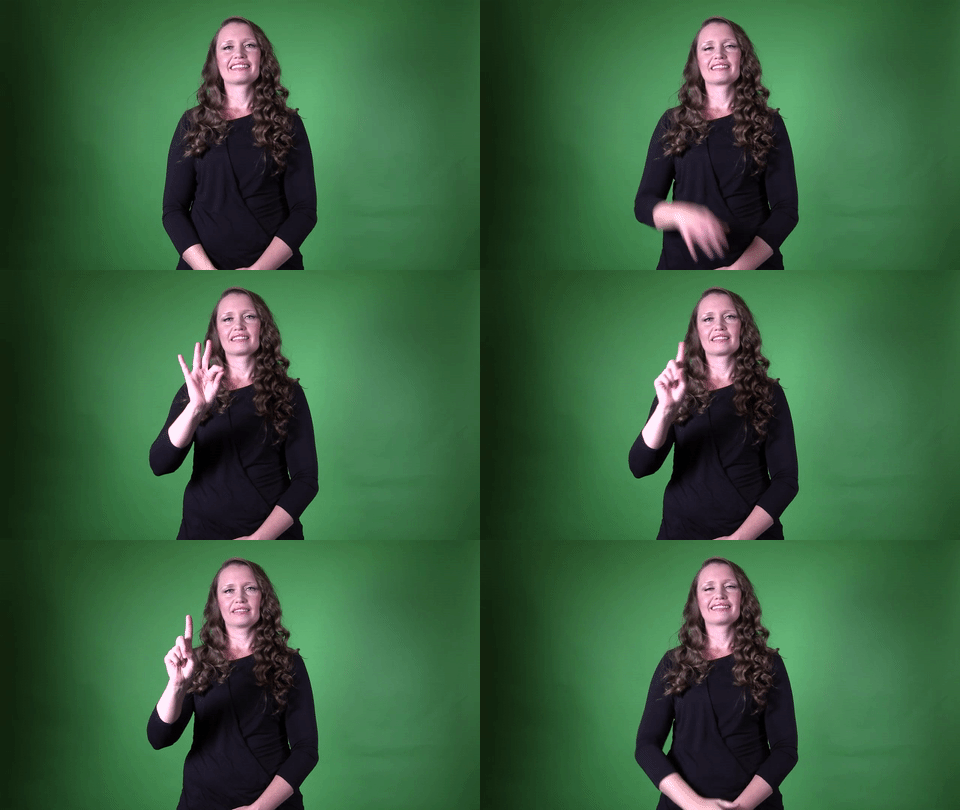
Sign for NINETY-ONE in ASL | 🔢 ASL Dictionary

Definition: The number ninety-one

Sign for NINETY-ONE in ASL 

YouTube player

Practice Activities:

Begin by practicing the sign for ninety-one in ASL in isolation. Form the number sign clearly with your dominant hand, ensuring accuracy in position and movement. Repeat this at least ten times in front of a mirror, focusing on consistency and fluidity.

Next, incorporate the sign for ninety-one in ASL into simple numerical sequences. For example, count from eighty-nine to ninety-three using ASL numbers. This will help reinforce the transition between numbers and improve fluency.

Try incorporating the number into real-life contexts. Sign a sentence such as “My grandfather is ninety-one years old” or “I saw ninety-one birds in the park.” Repeat these sentences multiple times while maintaining proper facial expressions.

Create a short story involving the sign for ninety-one in ASL. For example, imagine a character celebrating their ninety-first birthday. Sign details such as decorations, guests, and cake to build fluency in storytelling.

Practice with a partner or in a group. One person signs various numbers randomly, including ninety-one, while the other identifies and repeats the number. This helps with rapid recognition and reinforces memorization.

Use flashcards to test your ability to recognize and reproduce the sign for ninety-one in ASL. Mix in other numbers to ensure you are distinguishing them correctly. Check for accuracy with a partner or a video reference.

Finally, apply the sign in real-world scenarios. If discussing years, ages, or quantities in ASL conversations, incorporate ninety-one naturally. Ask and answer number-related questions to solidify your understanding in everyday use.

Cultural Context:

The sign for ninety-one in ASL follows a structured number system used in American Sign Language. This system is designed to be clear and efficient, allowing signers to quickly communicate numerical values. Understanding the sign for ninety-one in ASL is essential for everyday conversations, finances, and telling time.

Numbers play an important role in ASL, and the sign for ninety-one in ASL is one of the many numbers that follow a consistent pattern. Many number signs are formed with a combination of handshapes and palm orientation, making them visually distinctive. Knowing how to sign numbers accurately helps make communication smoother.

Deaf culture highly values number fluency because numbers are frequently used in daily life. Whether discussing age, money, addresses, or sports scores, knowing numbers like the sign for ninety-one in ASL ensures effective communication. Learning the correct way to sign numbers also shows respect for the language and culture of the Deaf community.

ASL is a visual-spatial language, which means numbers are expressed through hand movements instead of spoken sounds. The sign for ninety-one in ASL follows a numerical pattern that aligns with other numbers in the ninety series. Mastering these patterns makes it much easier to learn and remember number signs.

Many ASL learners practice signing numbers to develop fluency and confidence. The sign for ninety-one in ASL is just one of many number signs that can be used in conversations about dates, statistics, or even prices. Practicing number signs regularly helps improve signing skills and enhances communication.

Different regions may have slight variations in how numbers are signed, but the sign for ninety-one in ASL generally follows a standard form. Some signers may modify certain handshapes slightly, but the meaning remains clear. Learning standardized number signs helps ensure mutual understanding across different ASL users.

Sign language interpreters frequently use number signs in professional settings. The sign for ninety-one in ASL might appear in financial discussions, phone numbers, or educational settings. Accuracy is crucial when signing numbers to prevent misunderstandings in important conversations.

Many ASL learners find number signs challenging at first, but with practice, numbers like the sign for ninety-one in ASL become easier to remember. Watching fluent signers or using resources like ASL dictionaries can help with retention. Repetition and real-world use strengthen number recognition.

Technology has made learning ASL more accessible, with online videos and digital dictionaries helping people master signs. When learning the sign for ninety-one in ASL

Extended Definition:

The sign for ninety-one in ASL is a two-number combination that follows the standard ASL numbering system. It begins with the handshape for nine, followed by the handshape for one. This numerical sequence is used frequently in everyday conversation, including dates, addresses, and quantities.

When signing ninety-one in ASL, the dominant hand forms a nine with the index finger and thumb extended while the other fingers remain curled. The hand then transitions smoothly into the sign for one, where only the index finger remains extended. This movement should be fluid, maintaining clarity for optimal communication.

ASL numbers follow a consistent pattern, making it easier to sign large values like ninety-one. The number system in ASL is logical, allowing users to combine digits naturally. Mastering numbers is essential for fluent ASL communication, particularly when discussing math, age, or financial amounts.

The sign for ninety-one in ASL is commonly used in financial transactions, time-related conversations, and general counting. It’s also useful when discussing historical dates, addresses, or sports scores. Learning to sign numbers correctly enhances overall ASL fluency.

Like many ASL signs, numbers can vary slightly depending on regional influence and personal signing style. However, the basic structure of ninety-one in ASL remains the same. Ensuring clarity in handshape and movement will prevent miscommunication.

Facial expressions and context help distinguish numbers in ASL, especially when signing similar digits. Looking at the signer’s intent and body language provides additional clues. This is particularly important in fast-paced conversations.

For beginners, practicing ninety-one in ASL alongside other numbers can help build confidence. Repetition and watching fluent signers will improve accuracy and speed. Signing in front of a mirror or recording oneself can also be useful for self-evaluation.

ASL is a rich, expressive language that depends on visual cues rather than spoken words. Numbers, including ninety-one, play a fundamental role in everyday interactions. With consistent practice, signing numbers becomes more natural and intuitive.

Understanding the sign for ninety-one in ASL enhances communication in both personal and professional settings. Whether discussing age, prices, or measurements, precise number signing ensures clarity. Becoming proficient with ASL numbers strengthens overall signing ability.

Synonyms: ninety-one, number ninety-one, number 91, the number 91, the number ninety-one

Educational resources: Find related learning materials in our course bank!

Want more? Check out some of our popular learning activities on the homepage!

Need to look up a sign? Use our highly rated dictionary: https://aslinteractive.com/best-asl-dictionary/

Follow us on tiktok: https://www.tiktok.com/@aslinteractive. More social media links at the bottom of this page!

Long-tail Keywords: What is the sign for Ninety-one in ASL, How do you sign Ninety-one in American Sign Language, Learn how to sign Ninety-one in ASL

Categories: Numbers – Basics, Numbers 91-100, cardinal numbers

tags: Numbers, Numbers 91-100, Math, Language Learning, Educational Content

Parameters

*Handshape*:

The sign for NINETY-ONE in ASL uses a combination of two number signs. First, the hand forms the number nine with the thumb and index finger touching in an ‘O’ shape, while the other fingers remain extended. Then, it transitions smoothly into the number one, where the index finger points up, and the other fingers fold into the palm. This sequence maintains a fluid motion to clearly convey the numeric concept.

*Palm Orientation*:

The palm orientation for the sign for ninety-one in ASL starts with the dominant hand forming the number nine, with the palm facing outward. The thumb and index finger create a slightly curved “9” shape, while the other fingers remain extended. Transition smoothly into the number one by extending the index finger and retracting the thumb. The palm remains outward throughout the motion. This ensures clarity and accuracy when signing the sign for ninety-one in ASL.

*Location*:

The sign for ninety-one in ASL is produced in the neutral space in front of the signer’s body. The dominant hand forms the number nine, with the index finger and thumb touching while the other fingers remain extended. Then, the hand transitions smoothly to the number one by extending the index finger and folding down the other fingers. The movement remains in the same general area, ensuring clarity and fluidity for the sign for ninety-one in ASL.

*Movement*:

To produce the sign for ninety-one in ASL, start by forming the number nine with your dominant hand, extending the thumb and index finger while curling the rest of the fingers down. Then, smoothly transition into the number one by extending just the index finger while closing the thumb and remaining fingers. The motion should be fluid and quick, ensuring both numbers are clearly displayed in succession. This maintains clarity and ease of understanding.

*Non-Manual Signals*:

When using the sign for ninety-one in ASL, maintain a neutral or slightly focused facial expression. Your eyebrows should remain in a natural position unless emphasizing quantity or confirming the number. Eye contact should be steady, ensuring clarity while signing. If emphasizing the sign for ninety-one in ASL, slightly raise your eyebrows and lean forward to indicate importance. Mouth movements should reflect the natural rhythm of numbers, avoiding excessive exaggeration.

*Prosody, Dominant/Non-Dominant Hand*:

The sign for NINETY-ONE in ASL uses the dominant hand to show the numbers in sequence. Begin by forming the number 9 with the dominant hand, extending the index finger and thumb while curling the other fingers. Then, transition smoothly to the number 1 by extending only the index finger while the other fingers curl into the palm. The movement should be fluid, ensuring clarity in the numerical transition.

Facial expressions remain neutral since this is a numerical concept. The non-dominant hand is not used, as number signs typically rely on a single hand for articulation. When signing quickly, the shift between 9️⃣ and 1️⃣ should feel natural and effortless, maintaining a steady hand position. Keep the palm orientation facing outward to ensure visibility of the sign for NINETY-ONE in ASL.

Tips for Beginners:

When learning the sign for ninety-one in ASL, focus on the number transition for clarity. This sign is done using a two-part movement: first signing “9” followed by “1.” Make sure your dominant hand forms the correct handshape for “9” (thumb and index finger touching in an open ‘O’ shape) before shifting smoothly to the “1” handshape (index finger extended, others closed).

A common mistake beginners make when signing ninety-one in ASL is rushing from one number to the next, which can cause sloppy handshapes. Instead, move deliberately from “9” to “1” while maintaining control of your fingers to avoid confusion. Keep your hand steady at the same height while transitioning between the two numbers.

Finger positioning is essential for clarity. Avoid curling your fingers too much or letting them spread out too far when forming the “9.” For “1,” extend only your index finger—do not accidentally raise your thumb, as this could be mistaken for another number. Practicing in front of a mirror or recording yourself can help perfect your form.

Watch fluent ASL signers to see how smoothly they transition between numbers in the sign for ninety-one in ASL. Pay attention to their pacing and hand positioning. Mimicking their precision will help your signing look more natural. If you’re struggling, practice the transition between “9” and “1” slowly before speeding it up.

Be mindful of palm orientation. The palm should face outward while forming the “9” and remain outward for the “1.” Rotating your palm too much in either direction can make the number look different to native signers. Proper positioning will make your numbers easier to understand.

Consistent practice will improve your fluency. Drill this number along with other signs in numerical sequences to reinforce muscle memory. If unsure, ask an experienced signer or join an ASL practice group to refine your accuracy.

Connections to Other topics:

The sign for ninety-one in ASL is connected to the number system in ASL, which follows an organized structure based on handshapes and movement. Numbers in ASL often maintain a consistent logic, where the tens and ones can be signed sequentially or as part of a fluid motion. Knowing the structure of ninety-one helps in understanding and forming other numbers, making numerical fluency easier when communicating monetary amounts, addresses, or years.

The sign for ninety-one in ASL is also tied to patterns seen in other two-digit numbers. For instance, numbers in the 90s series follow a distinct bending movement or transition based on regional practices. The consistency in signing numbers like 91, 92, and 93 ensures that signers quickly recognize numerical sequences in different contexts, such as sports scores, page numbers, or statistics.

Other concepts in ASL, such as time and age, also connect with the sign for ninety-one in ASL. For example, when stating an age like ninety-one years old, the sign for ninety-one is combined with the age sign to clarify the meaning. Similarly, large prices or numerical values in financial discussions may involve the same movement principles, with modifications in speed or placement to fit the context.

Fingerspelling may sometimes be used when expressing certain numerical concepts, especially in technical or academic settings. However, fluency in recognizing and signing numbers smoothly allows for better communication efficiency. Understanding the sign for ninety-one in ASL also helps when discussing historical events, measuring large numerical data, or even indicating a specific ranking in a competition.

Summary:

The sign for ninety-one in ASL follows a number sign structure commonly used in American Sign Language. It combines the handshape for “9” with the handshape for “1” in a sequential motion. This is a standard method in ASL for signing compound numbers that are not part of a recognized numeral lexical item.

ASL uses a one-handed numerical system, making the sign for ninety-one in ASL relatively simple. The dominant hand forms the number nine with the extended index finger and thumb touching. After this, the hand shifts to form the number one, extending only the index finger.

When producing the sign for ninety-one in ASL, palm orientation and movement must be clear. The palm generally faces outward while transitioning between nine and one. The motion should be smooth and distinct to avoid confusion with similar numerical signs.

In ASL linguistics, numbers are considered part of quantifiers, classifiers, and other grammatical structures. The sign for ninety-one in ASL belongs to the cardinal number system, used in counting and expressing numerical values. ASL also incorporates ordinal and ranking-number variations, though these differ in movement and context.

Numbers play a key role in ASL conversations, including addresses, phone numbers, prices, and years. The sign for ninety-one in ASL could be used in discussions related to dates, ages, and statistical information. Context often determines whether numerical signs are interpreted as an age, time, or other numerical reference.

The cultural significance of numbers in ASL extends beyond simple counting. Deaf communities use numerical signs in games, educational settings, and social functions. The sign for ninety-one in ASL might appear in conversations about historical events, sports scores, or financial transactions.

Numbers also hold symbolic meaning in different cultures, influencing how they are used in sign language. The sign for ninety-one in ASL is neutral in symbolism, but its components may carry different interpretations in numerology or personal associations. Understanding number signs in ASL involves both basic counting principles and deeper cultural context.

Grammatically, ASL numbers follow subject-object-verb (SOV) or topic-comment structures depending on the conversation. When using the sign for ninety-one in ASL, context determines if it stands alone or modifies a noun. For example, it can be signed before or after a noun to indicate quantity or identification.

ASL classifiers sometimes work in tandem with numbers to describe concepts effectively. This allows the sign for ninety-one in ASL to integrate with spatial relationships or physical attributes. For example, it may accompany a handshape classifier to indicate a specific number of objects in movement.

In applied linguistics, ASL numbers have a crucial function in education and language development. The sign for ninety-one in ASL appears in Deaf education, where children learn counting and mathematical operations. This foundational knowledge supports financial literacy and other numeracy skills.

Numerical fluency in ASL is essential for financial and professional contexts. The sign for ninety-one in ASL might be used in banking, purchasing, or business-related discussions. Knowing how to sign numbers accurately increases clarity when discussing transactions and agreements.

ASL interpreters must present numerical information clearly and efficiently. The sign for ninety-one in ASL must be well-articulated to prevent confusion with similarly structured signs. Interpreters often clarify numbers through repetition, context, or accompanying fingerspelling when necessary.

Number signs sometimes vary slightly in different ASL dialects or regional usage. The sign for ninety-one in ASL remains consistent across most users, though minor differences in articulation may exist. Learning number variations in different signing communities helps maintain effective communication.

ASL often borrows numerical structures from other sign languages for international communication. The sign for ninety-one in ASL might differ slightly when communicated with Deaf individuals using British, French, or other signed languages. Cross-cultural signing events highlight both similarities and differences in numerical expressions.

Technology has influenced the use of numbers in ASL with text-based and digital formats. The sign for ninety-one in ASL might appear in video calls, digital messaging, or online ASL lessons. Deaf creators also use number signs for accessibility in vlogs, tutorials, and social media content.

Numbers hold strong ties to personal identity in names, addresses, and official documentation. The sign for ninety-one in ASL may appear when signing sports jersey numbers, birth years, or identification codes. Understanding nuanced contexts for numbers strengthens ASL fluency in formal and casual interactions.

Signed numbers also connect with storytelling and creative ASL performances. The sign for ninety-one in ASL might feature in a narrative about historical events or fictional accounts. Deaf poets and artists sometimes incorporate numbers into artistic storytelling techniques.

In teaching ASL, instructors highlight number-handshape accuracy and fluid transitions between numbers. The sign for ninety-one in ASL is taught alongside numerical sequences to ensure comprehension. Practice activities often include real-world simulations, such as giving prices or

Want more? Check out some of our popular learning activities!

ASL Interactive Resources

ASLInteractive YouTube Channel

Follow us on tiktok: @aslinteractive.com

Follow us on Instagram: aslinteractive

Facebook page: aslinteractive

Facebook group: aslinteractive

LInkedIn: ASL Interactive LLC

Twitter: @ASL_interactive

*Some information on this page is AI-generated. AI can make mistakes. Please check the information.

Sign for 91 in ASL, Sign for NINETY-ONE in ASL 

Responses