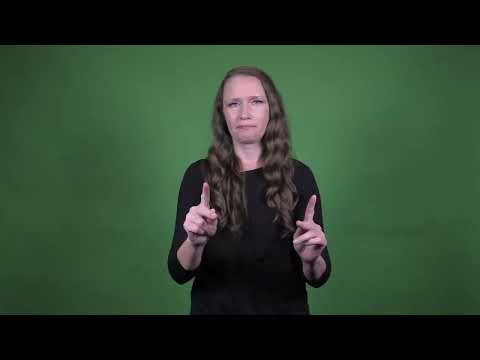
Sign for NOT ALLOWED in ASL | ASL Dictionary

Definition: Prohibited or forbidden.

Sign for NOT ALLOWED in ASL

YouTube player

Practice Activities

One of the best ways to master the sign for NOT ALLOWED in ASL is to use a mirror while practicing. Stand in front of a mirror and slowly perform the sign, paying attention to your handshape, facial expression, and movement. This allows you to self-correct and develop accuracy.

Recording yourself signing can also be very helpful. Sign short phrases or sentences that include the sign for NOT ALLOWED in ASL, and then review your video. Compare your sign to fluent users or video dictionaries to spot areas where you can improve.

Try using the sign in full sentences, especially in real or simulated conversations. For example, say “No smoking allowed here” or “You are not allowed to go in there” while incorporating the correct ASL grammar and facial expressions. Contextual practice helps reinforce meaning and improves fluency.

Advanced learners can create drills using flashcards. On one side, write scenarios like “No parking,” “Not allowed to eat in the classroom,” or “Forbidden area.” On the other side, practice signing each situation using the correct sign for NOT ALLOWED in ASL. You can also join online ASL groups or practice with a language partner to use the sign in spontaneous conversation.

SEO Cultural Context

The sign for NOT ALLOWED in ASL is not just a vocabulary item—it carries rich cultural and communicative value within the Deaf community. In Deaf culture, directness and clarity are highly valued. The sign for NOT ALLOWED in ASL reflects this through a firm, clear movement and a corresponding facial expression that communicates disapproval or restriction.

This sign is commonly used in everyday life when stating rules, boundaries, or behavioral expectations. For example, Deaf parents might use it to teach children what is acceptable. In school or professional settings, this sign helps communicate policies quickly and efficiently.

Regional variation is not particularly strong with this sign, but some slight differences in movement or intensity may appear depending on the signer’s age or geographic background. However, the basic structure of the sign remains widely understood throughout the ASL community.

Using the sign appropriately also requires cultural sensitivity. Overusing or misusing the sign for NOT ALLOWED in ASL, especially in situations where softer language is preferred, may come across as rude or overly harsh. Understanding when and how to use it appropriately is essential for effective cross-cultural communication.

Extended Definition

The sign for NOT ALLOWED in ASL typically involves a flat, horizontal non-dominant hand (like a platform), and the dominant hand in an index-finger shape taps or strikes down against the non-dominant hand in a clear, deliberate motion. The sign is often accompanied by a negative headshake and a stern facial expression to match the meaning of prohibition or disallowance.

This sign is related to other signs like FORBID, CANNOT, and NOT PERMITTED. While they may be used interchangeably in some contexts, each has its own specific nuance. The sign for NOT ALLOWED in ASL implies an external rule or boundary being enforced, whereas CANNOT might suggest inability or impossibility, and NOT might simply negate a statement.

Common errors include using the wrong handshape, such as a fist instead of an index finger, or failing to maintain the correct orientation of the non-dominant hand. Another mistake is not using an appropriate facial expression, which can significantly alter the meaning. A neutral face with this sign might confuse the viewer, making the message unclear.

Facial grammar is a critical component of this sign. A firm, disapproving expression strengthens the message and ensures that the sign is understood as a restriction or prohibition.

Tips for Beginners

For new learners, the sign for NOT ALLOWED in ASL can feel a bit formal or forceful, but that’s part of its function. Don’t be afraid to exaggerate your facial expression slightly when you’re first learning. The clearer your emotion, the better your message will be understood.

One common beginner mistake is forgetting the non-dominant hand altogether. Both hands are essential in this sign. The non-dominant hand serves as the base or context, while the dominant hand delivers the action. Be sure to keep your non-dominant hand flat and steady.

Another tip is to practice in slow motion before speeding up. Focus on the handshape, orientation, and motion. Once you’re confident in the structure, increase your signing speed while maintaining accuracy.

It’s also helpful to watch native ASL users perform the sign for NOT ALLOWED in ASL in various contexts. Observe how they use facial expressions and body language to enhance meaning. Practicing in front of a mirror or with a friend can also accelerate your learning and build confidence.

Connections to Other Topics

The sign for NOT ALLOWED in ASL connects to many other negative or rule-related signs. One related sign is CAN’T, which uses a similar downward striking motion but with a different handshape and intent. While NOT ALLOWED is about external rules, CAN’T implies personal or situational limitations.

Another linked concept is MUST NOT or PROHIBIT. These signs are often used in formal or legal contexts. Knowing the difference in tone and application helps learners choose the correct sign for different situations.

The sign NOT is another fundamental negative sign in ASL. While NOT simply negates a sentence, the sign for NOT ALLOWED in ASL communicates a specific prohibition. Understanding this distinction is important for building accurate ASL grammar.

The sign for RULE or LAW is also related. These signs often appear in the same contexts as NOT ALLOWED, especially when talking about guidelines, regulations, or expectations. Learning these signs together can help deepen your understanding of formal discourse in ASL.

Finally, the expression of authority or permission is a common grammatical structure in ASL. Learning how to express what is allowed versus what is not allowed helps signers navigate social and institutional communication effectively.

Lengthy Summary

The sign for NOT ALLOWED in ASL is a powerful and expressive tool that helps convey rules, boundaries, and restrictions clearly and effectively. It involves a specific two-handed motion where the dominant hand strikes down on the non-dominant hand, paired with a firm facial expression. This sign is widely used in everyday life, from parenting and education to workplace and community settings.

Culturally, this sign reflects the Deaf community’s value of direct and explicit communication. Using the sign appropriately demonstrates both linguistic competence and cultural awareness. While regional differences are minimal, the emotional and contextual delivery of the sign can vary, making it essential for learners to watch and mimic native signers.

For beginners, practicing in front of a mirror, recording yourself, and using the sign in context are excellent strategies for developing fluency. Common mistakes—like incorrect handshape or missing facial expressions—can be corrected with slow, intentional practice. Don’t shy away from pairing the sign with expressive facial grammar to ensure your message is clear.

This sign also connects to a broader network of ASL vocabulary related to rules, permissions, and negation. Learning signs like CAN’T, NOT, and RULE alongside the sign for NOT ALLOWED in ASL will expand your expressive range and deepen your understanding of ASL grammar and culture.

To become proficient, continue practicing the sign in a variety of settings. Use it in conversation, storytelling, and roleplaying activities. The more you use the sign authentically, the more natural it will become. Keep watching fluent signers, ask for feedback, and stay curious. Mastering the sign for NOT ALLOWED in ASL not only improves your vocabulary but also empowers you to communicate more clearly and respectfully in diverse ASL settings. Keep signing and keep growing!

Synonyms: forbidden, prohibited, restricted, off-limits, banned

Educational resources: Find related learning materials in our course bank!

Want more? Check out some of our popular learning activities on the homepage!

Need to look up a sign? Use our highly rated dictionary: https://aslinteractive.com/best-asl-dictionary/

Follow us on tiktok: https://www.tiktok.com/@aslinteractive. More social media links at the bottom of this page!

Long-tail Keywords: what is the sign for not allowed in ASL, how do you sign not allowed in ASL, ASL sign for not allowed

Categories:

tags: prohibited signs in ASL, forbidden vocabulary ASL, banned items in ASL, restricted actions in ASL, taboo signs ASL

Want more? Check out some of our popular learning activities!

ASL Interactive Resources

ASLInteractive YouTube Channel

Follow us on tiktok: @aslinteractive.com

Follow us on Instagram: aslinteractive

Facebook page: aslinteractive

Facebook group: aslinteractive

LInkedIn: ASL Interactive LLC

Twitter: @ASL_interactive

*Some information on this page is AI-generated. AI can make mistakes. Please check the information.


Responses