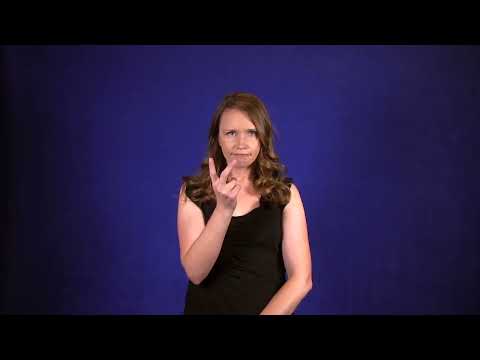
Sign for NOT SEEN in ASL | ASL Dictionary

Definition: Not perceived or noticed.

Sign for NOT SEEN in ASL

YouTube player

Practice Activities

One of the best ways to master the sign for NOT SEEN in ASL is by using a mirror to observe your own handshape and facial expressions. Mirror practice helps ensure accuracy in movement and non-manual signals, which are essential for this sign. Focus on eye gaze and head movement, as these are key components of conveying the concept clearly.

Recording yourself signing the phrase in full sentences is another effective method. Watch the playback to check for fluidity and precision. Try saying full phrases such as, “I have not seen that movie” or “You have not seen her today?” while signing. This helps you internalize the sign for NOT SEEN in ASL within real-life conversation.

Contextual signing is crucial for long-term retention. Engage in mock conversations with fellow ASL learners or tutors. Use the sign in storytelling exercises, especially when describing past events or missed experiences. This deepens your understanding of when and how to use it naturally.

Advanced learners can challenge themselves with drills that include variations in speed, emotion, and grammar. For example, practice switching between affirmative and negative versions of the same sentence. This strengthens your grasp on sentence structure and clarifies the role of the sign for NOT SEEN in ASL in conveying negation and time reference.

SEO Cultural Context

In Deaf culture, the sign for NOT SEEN in ASL carries more meaning than just the literal. It reflects the importance of visual access and shared experience. Since the Deaf community relies heavily on visual communication, saying you haven’t seen something can imply more than just physical sight—it can mean you’ve missed out on information or social context.

Using the sign for NOT SEEN in ASL accurately shows respect for cultural norms around information sharing. Whether discussing events, people, or media, this sign communicates clearly that something was missed or unnoticed. Conveying this accurately involves proper facial expressions, such as a slight headshake or puzzled look, to reflect the nuance of the message.

Regional variation may exist, especially in the incorporation of the sign for SEE combined with a negation marker like NOT or NONE. Some signers may use a blended sign, while others may sign SEE followed by a negating expression. Always observe how native signers in your area use the sign for NOT SEEN in ASL to align with regional norms.

This sign is used frequently in everyday conversation. For example, in social settings, someone may ask if you’ve seen a show or a person, and you would respond using the sign for NOT SEEN in ASL. It’s a vital sign for expressing absence of visual experience, whether literal or figurative.

Extended Definition

The sign for NOT SEEN in ASL is typically made by combining the sign for SEE and a negation indicator. SEE is made with a V-handshape, palm facing in, moving outward from the eye. To create the full phrase, you pair it with a sign for NOT, which may involve a thumb flicking from under the chin or a headshake paired with facial negation.

It’s important to understand that ASL is not simply word-for-word English. In ASL grammar, the negative is usually incorporated at the end of the sentence or embedded within the verb phrase. So when signing NOT SEEN, make sure the negative component is clearly marked, either through facial grammar or the use of the NOT sign.

Common errors include omitting the negation or placing it in the wrong part of the sentence. Another mistake is using incorrect facial expressions, which can confuse the meaning. Learners sometimes also confuse the sign for NOT SEEN in ASL with similar signs like CAN’T SEE or DIDN’T SEE, which have subtle but important differences.

Be sure to differentiate between temporary and permanent states. For instance, NOT SEEN can refer to an experience you’ve never had or something you just missed. Context and facial grammar help clarify whether it’s a one-time event or an ongoing condition. Understanding this nuance adds depth to your use of the sign for NOT SEEN in ASL.

Tips for Beginners

If you’re just starting to learn the sign for NOT SEEN in ASL, take it one step at a time. Begin by mastering the SEE component, making sure your V-handshape is precise and your movement is fluid. Then add the negation using either the NOT sign or clear facial expressions.

Don’t rush the learning process. Practice the full phrase slowly, paying attention to timing and emotion. Beginners often forget to include facial grammar, which is crucial for conveying negation. A flat facial expression can make your sign unclear or even change the meaning.

Another common beginner mistake is overusing the English structure. Instead of signing “I have not seen,” try to adjust to ASL grammar by signing “I NOT SEE” or “SEE NOT I,” depending on context. The sign for NOT SEEN in ASL doesn’t follow English word order, so allow your brain to shift toward visual-spatial thinking.

Stay motivated by practicing in realistic scenarios. Use the sign while talking about movies you haven’t watched, people you haven’t met, or things you haven’t witnessed. The more you use the sign for NOT SEEN in ASL in natural conversation, the more comfortable and fluent you’ll become.

Connections to Other Topics

The sign for NOT SEEN in ASL is closely related to the sign for SEE, which is its root form. Understanding how SEE functions in various contexts helps you grasp the full range of meaning behind NOT SEEN. Practice using SEE in both positive and negative sentences to reinforce the contrast.

Another related concept is the sign for CAN’T, especially when talking about visual limitations. While NOT SEEN implies something was missed or hasn’t occurred, CAN’T SEE may suggest a physical inability or situational barrier. Knowing the difference is key to clear communication.

The sign for KNOW is also connected, especially in conversations about awareness or recognition. For example, “I have not seen that person” might imply “I don’t know them.” These subtle links between signs enrich your understanding of ASL’s conceptual system.

NEGATION is a broader grammatical structure that includes signs like NOT, NONE, and NEVER. The sign for NOT SEEN in ASL belongs to this category and serves as an example of how negation is visually marked. Learn how negation interacts with time and action to improve your fluency.

Lastly, understanding ASL time markers like BEFORE and NEVER can help contextualize the sign for NOT SEEN. These signs help frame the negative experience in a time-based context, adding clarity to your message. Combining them with NOT SEEN allows for more complex and accurate expressions.

Lengthy Summary

The sign for NOT SEEN in ASL is an essential part of the language, used to express that someone has not visually experienced something or someone. Whether you’re talking about a missed opportunity, an unfamiliar face, or a forgotten experience, this sign helps you communicate that clearly and respectfully. It involves combining the SEE sign with a clear marker of negation, either through a hand sign or facial expression.

Culturally, the sign for NOT SEEN in ASL aligns with the Deaf community’s emphasis on visual engagement. Missing something can have deeper implications in a world that primarily communicates through sight. Correct use of this sign shows cultural awareness and linguistic competence. Regional differences may exist, so staying connected with fluent signers and Deaf mentors will help you stay accurate and respectful.

Beginners often struggle with facial expressions and sentence structure when learning this sign. By focusing on mirror work, recording your practice, and using the sign in context, you can avoid these pitfalls. Advanced drills can push your skills further by helping you navigate nuanced meanings and emotional tones.

The sign for NOT SEEN in ASL also connects to a network of related signs like CAN’T, SEE, NEVER, and KNOW. Understanding these relationships deepens your grasp of ASL grammar and vocabulary. Negation in ASL operates differently from English, so continued practice is key to mastering these distinctions.

To wrap up, the sign for NOT SEEN in ASL is more than just a phrase—it’s a gateway to understanding broader concepts of negation, visual experience, and cultural interaction in the Deaf community. Keep practicing it in varied situations, pay attention to your non-manual signals, and don’t be afraid to make mistakes. The more you engage with the sign for NOT SEEN in ASL, the more confident and expressive you will become. Keep signing, keep learning, and let your hands tell your story ✨

Synonyms: unnoticed, invisible, out of sight, undetected, hidden

Educational resources: Find related learning materials in our course bank!

Want more? Check out some of our popular learning activities on the homepage!

Need to look up a sign? Use our highly rated dictionary: https://aslinteractive.com/best-asl-dictionary/

Follow us on tiktok: https://www.tiktok.com/@aslinteractive. More social media links at the bottom of this page!

Long-tail Keywords: what is the sign for not seen in ASL, how do you sign not seen in ASL, not seen in ASL sign meaning

Categories:

tags: ASL not seen, unseen in ASL signs, ASL vocabulary not visible, rare ASL signs, less common ASL terms

Want more? Check out some of our popular learning activities!

ASL Interactive Resources

ASLInteractive YouTube Channel

Follow us on tiktok: @aslinteractive.com

Follow us on Instagram: aslinteractive

Facebook page: aslinteractive

Facebook group: aslinteractive

LInkedIn: ASL Interactive LLC

Twitter: @ASL_interactive

*Some information on this page is AI-generated. AI can make mistakes. Please check the information.


Responses