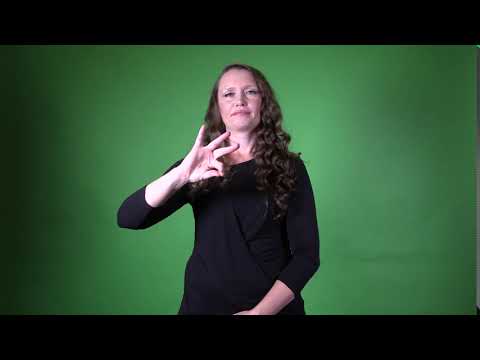
Sign for NUMBER 89 in ASL | ๐Ÿ”ข ASL Dictionary

Definition: Refers to the number eighty-nine

Sign for NUMBER 89 in ASL

YouTube player

Practice Activities:

Practicing the sign for number 89 in ASL involves both accuracy and fluency in signing numbers. Start with handshape exercises by forming the number 8 with your dominant hand, ensuring proper finger placement. Then smoothly transition to the number 9 without hesitation. Repeat this movement multiple times to build muscle memory and fluidity.

Use a mirror or record yourself signing the sign for number 89 in ASL to check for consistency. Signing in front of a partner or teacher allows for feedback and correction. Try to sign the number at different speeds while maintaining clarity to develop control over handshapes and transitions.

Practice signing sequences that include the sign for number 89 in ASL. Count from 80 to 90, smoothly integrating the number into the sequence. Create number patterns that involve 89, such as 87-88-89-90, and repeat them aloud while signing to reinforce recognition.

Use the number in real-world contexts by signing prices, sports jersey numbers, or street addresses that include 89. Ask a partner to quiz you by showing written numbers and signing them back. Reverse the activity by watching a signed number and writing it down.

For storytelling practice, create a short story that features the number 89, such as describing an 89-year-old character or talking about a historical event that happened in 1989. Sign the story to a friend and challenge each other to include numbers smoothly in conversation.

Engage in a speed challenge by signing random numbers within the 80s range as fast as possible. Compete with others to see who can sign the most numbers accurately in a minute. Adjust your speed to ensure clarity while increasing confidence using the sign for number 89 in ASL in everyday conversation.

Cultural Context:

The sign for NUMBER 89 in ASL follows the standard number pattern used in American Sign Language. Numbers in ASL rely on handshapes and movement to convey meaning clearly. The sign for NUMBER 89 in ASL is used in everyday situations, from addresses to sports scores.

Numbers play an important role in ASL communication, helping deaf and hard-of-hearing individuals express precise information. The sign for NUMBER 89 in ASL is commonly seen in classrooms, business transactions, and storytelling. Understanding ASL numbers builds fluency and enhances clear communication.

In Deaf culture, numbers often appear in storytelling and daily conversations. The sign for NUMBER 89 in ASL could be used when referencing historical events, personal milestones, or specific data points. Mastering ASL numbers allows for seamless discussions in academic and social settings.

Using ASL numbers correctly ensures clarity, especially when discussing prices, statistics, and measurements. The sign for NUMBER 89 in ASL is an essential part of numerical literacy in sign language. Proper handshape and movement are key to being understood.

Learning the sign for NUMBER 89 in ASL contributes to overall ASL proficiency. Numbers in ASL must be signed with accuracy to avoid confusion. Practicing numerical signs improves confidence in both receptive and expressive ASL skills.

ASL is a visual language that relies on precise hand movements and facial expressions. The sign for NUMBER 89 in ASL helps communicate numerical information efficiently in both personal and professional settings. Fluency in ASL numbers enhances interactions in the Deaf community.

Mastering the sign for NUMBER 89 in ASL supports effective communication in conversations, education, and business. ASL numbers are an integral part of the language, making them essential for full comprehension. Using correct ASL number signs ensures mutual understanding.

The sign for NUMBER 89 in ASL is part of a structured numbering system used in everyday conversations. Whether discussing dates, ages, or addresses, ASL numbers are consistently incorporated into communication. Recognizing ASL numbers improves signing fluency and comprehension.

Including numbers in ASL storytelling helps add detail and context to narratives. The sign for NUMBER 89 in ASL can be used creatively in jokes, personal stories, or historical accounts. Numbers enhance the richness of signed conversations.

Fluent use of ASL numbers allows for smoother exchanges in both casual and formal interactions. The sign for NUMBER 89 in ASL demonstrates the importance of number literacy in sign language

Extended Definition:

The sign for number 89 in ASL follows a standard pattern for two-digit numbers. It begins with the handshape for 8 and transitions smoothly into the handshape for 9. This movement is fluid and natural, helping ensure clarity and ease of understanding.

When signing the number 89 in ASL, maintain a relaxed hand position. The movement should be quick yet distinct to avoid confusion with similar numbers. Facial expressions are not necessary for this sign but can be useful in emphasizing the number in certain contexts.

The sign for number 89 in ASL is used in various everyday conversations. You might use it when discussing addresses, prices, years, or even someone’s age. In educational settings, this number frequently appears in math lessons, history classes, and financial discussions.

It’s essential to practice smoothly transitioning between the two numbers to make the sign look natural. Watching fluent signers demonstrate the sign for number 89 in ASL can help reinforce correct hand positioning. Video resources and repetition are great tools for mastering this sign.

ASL uses a logical numbering system that makes signing numbers like 89 easy to learn. Each number follows clear handshapes, making it accessible to both beginners and experienced signers. Understanding the patterns in ASL numbering will improve overall signing fluency.

In conversations, ASL users rely on numbers to convey important details. The sign for number 89 in ASL might come up when discussing historical events, sports scores, or even countdowns. Being able to sign numbers accurately ensures clear and effective communication.

Different regions may have slight variations in signing numbers, but the core handshapes stay the same. Watching native signers can help confirm the most commonly accepted version of the sign for number 89 in ASL. Consistency in learning ensures smoother communication with the Deaf community.

ASL prioritizes visual clarity, so the sign for number 89 in ASL should be distinct. Avoid unnecessary movements or hesitation to keep the sign fluid. With regular practice, this number will feel natural to use in daily conversations.

By mastering the sign for number 89 in ASL, you enhance your ability to communicate effectively in sign language. Numbers are a fundamental part of ASL, appearing in discussions about time, money, and more. Strengthening your numbering skills will contribute to overall fluency and confidence in signing.

Synonyms: eighty-nine, number eighty-nine, number 89, the number 89, the number eighty-nine

Educational resources: Find related learning materials in our course bank!

Want more? Check out some of our popular learning activities on the homepage!

Need to look up a sign? Use our highly rated dictionary: https://aslinteractive.com/best-asl-dictionary/

Follow us on tiktok: https://www.tiktok.com/@aslinteractive. More social media links at the bottom of this page!

Long-tail Keywords: what is the sign for number 89 in ASL, how do you sign number 89 in ASL, learn to sign number 89 in American Sign Language

Categories: Numbers – Basics, Numbers 81-90, cardinal numbers

tags: Numbers, Numbers 81-90, Math, Language Learning, Educational Content, rocking numbers, 86 87 89 rocking numbers

Parameters

*Handshape*:

The sign for NUMBER 89 in ASL uses a two-part movement, transitioning between two handshapes. It starts with the 8 handshape, where the thumb and middle finger touch while the other fingers extend. Then, it shifts to the 9 handshape, where the thumb and index finger form a circle while the remaining fingers stay extended. The smooth transition between these shapes maintains clarity in the sign for NUMBER 89 in ASL.

*Palm Orientation*:

The sign for number 89 in ASL begins with the palm facing out as the number 8 is formed. The thumb and middle finger touch while the other fingers remain extended. Then, the signer transitions smoothly to the number 9 by releasing the middle finger and bringing the index finger and thumb together in a circular shape. Throughout the sign for number 89 in ASL, the hand remains steady, with minimal movement except for the finger transition.

*Location*:

The sign for number 89 in ASL is produced in the neutral space in front of the body, slightly above waist level. The dominant hand begins with the number 8 handshape, with the thumb touching the middle finger. Then, it transitions smoothly into the number 9 handshape, where the thumb touches the index finger. This movement occurs in one fluid motion without changing hand orientation or shifting its location significantly.

*Movement*:

To produce the sign for number 89 in ASL, begin by forming the number 8 with your dominant hand. The thumb and middle finger touch while the remaining fingers extend naturally. Then, smoothly transition to the number 9 by extending the index finger while keeping the thumb and middle finger together in an open circle. The movement should be fluid and natural, ensuring clarity when signing the number 89 in ASL.

*Non-Manual Signals*:

When signing the sign for number 89 in ASL, maintain a neutral or slightly focused facial expression. Your eyebrows should remain relaxed since this is a standard numerical concept with no emotional emphasis. Eye gaze should be directed toward the dominant hand to ensure clarity when transitioning between the digits. A slight head tilt is acceptable for natural expression, but exaggeration is unnecessary. Keep your mouth in a neutral position or slightly form the number as if saying it aloud for reinforcement.

*Prosody, Dominant/Non-Dominant Hand*:

The sign for number 89 in ASL uses the dominant hand. Start with the number 8 handshape, where the thumb and middle finger touch while the other fingers extend. Then smoothly transition into the number 9 handshape by extending the index finger and forming a small circle with the thumb and middle finger. The movement should be fluid, and the palm orientation usually faces outward. This number sign is commonly used in everyday communication involving numerical values.

Tips for Beginners:

When learning the sign for NUMBER 89 in ASL, focus on transitioning smoothly between the numbers. Start by forming the number 8 with your dominant hand, using the tip of your thumb to touch the middle section of your middle finger. Then, quickly change to the number 9 by extending your index finger while keeping the thumb in contact with the middle finger. Practicing this motion fluidly will help improve your accuracy and speed.

A common mistake beginners make when signing NUMBER 89 in ASL is hesitating between the two digits or over-exaggerating the transition. Keep your hand steady and relaxed to ensure a consistent motion. Try practicing in front of a mirror to check that your fingers maintain the correct shape throughout. At first, go slowly to reinforce accuracy, then gradually increase speed without sacrificing clarity.

Hand orientation is essential for a precise sign. Keep your palm facing outward when forming both numbers so viewers can see them clearly. Avoid twisting your wrist too much, as this can make the sign harder to recognize. Maintaining a steady hand position will make your signing look natural and fluid.

Finger strength and flexibility can impact your ability to sign quickly. Stretching your fingers before practicing the sign for NUMBER 89 in ASL can help improve movement. If you’re struggling with coordination, try isolating the number 8 and number 9 separately before combining them into a single motion. With regular repetition, your fluency will improve.

Context matters when signing numbers, so be aware of pacing and rhythm. In everyday conversations, numbers should be signed clearly but not too slowly. Watching fluent signers can help reinforce proper technique. The more you expose yourself to natural ASL conversation, the more confident and skilled you will become.

Connections to Other topics:

The sign for number 89 in ASL connects to the broader system of number signs used in the language. ASL numbers follow specific rules based on whether they indicate cardinal or ordinal values, quantity, ranking, or mathematical concepts. The sign for number 89 in ASL follows the natural movement of numbers in the 80s series, transitioning seamlessly from eight to nine with a fluid motion. This consistency reinforces number patterns in ASL and helps signers quickly recognize numerical sequences.

Numbers in ASL often appear alongside other signs to express time, money, and quantity. For example, the sign for number 89 in ASL could be used when discussing a price, such as 89 dollars, by signing 89 followed by the dollar sign. Similarly, it could appear in addresses, such as a street number or an apartment unit. Understanding the handshape transitions for numbers in the 80s range makes it easier to sign other numerical concepts fluently, such as percentages, statistics, and years.

ASL numbers also relate to classifiers, which can represent objects or categories by using numerical handshapes. The number 89 could be incorporated into signing about categories where quantity matters, such as sports statistics or business transactions. Additionally, fingerspelling connections emerge when discussing abbreviations like โ€œI-89โ€ for Interstate 89, where the number smoothly integrates into larger ASL expressions. Knowing how to transition between numbers and fingerspelling efficiently helps signers maintain fluid communication.

The sign for number 89 in ASL also reinforces the importance of dominant hand movement and palm orientation. Misplacing the numbers in a sequence could cause misunderstanding, emphasizing the need for accuracy in numerical signs. Learning how to count smoothly and transition between numbers builds confidence, allowing signers to use numerical expressions naturally in everyday conversations.

Summary:

The sign for number 89 in ASL follows a common numerical pattern used in American Sign Language. It is a two-digit number, so it is formed by signing the number 8 followed by the number 9 in a continuous motion. This movement should be smooth to maintain fluency and clarity in communication.

To sign the number 8, extend your thumb and middle finger while keeping the other fingers folded down. The tip of the thumb touches the tip of the middle finger to form the handshape. After signing 8, transition into the handshape for 9 by extending your thumb and index finger, leaving the other fingers curled inward.

The motion between the two numbers is important to ensure the message is clearly understood. Some ASL users slightly rotate or flick their wrist to make the transition appear more fluid. However, the movement should not be exaggerated, as it could alter the intended meaning of the number.

Hand orientation is also crucial in signing the sign for number 89 in ASL. The numbers should face outward, palm directed toward the observer. This helps maintain visibility and prevents confusion with other numerical expressions.

Number signs in ASL follow a standardized pattern, and 89 adheres to these conventions. When signing sequential numbers, ASL grammar dictates that each digit is articulated individually unless used in a more rapid sequence. This pattern allows for quick and efficient numerical representation.

ASL uses a one-handed numerical system for numbers 1-100. The hand remains in a single position without switching to both hands. The consistency in number signing is an advantage in maintaining clarity within the language.

The sign for number 89 in ASL is commonly used in daily conversations. It may be seen in discussions involving years, prices, quantities, or addresses. Number signs are an essential part of ASL for representing real-world numerical data.

Clarity and precision in forming numerical handshapes are necessary. If numbers are signed too fast or inaccurately, they may be misinterpreted. It is especially important when conveying specific numerical details.

Some variations may exist in numerical handshapes based on regional influences or signer preferences. However, the standard method for signing 89 remains widely accepted and recognized within ASL. Consistency in numeric signs helps maintain cross-regional comprehension among signers.

ASL numbers have direct grammatical applications in different contexts. The numerical expressions may be signed in different ways depending on whether they function as an age, ranking, or quantity. The sign for number 89 in ASL is no exception to these nuances.

Numbers also function within specific ASL grammatical structures related to dates and times. When used in numerical sequences such as addresses or monetary values, the order and clarity of signs must be preserved. Numerical placement matters in conveying the correct information.

Linguistically, ASL numbers have unique articulation methods compared to other sign languages. The numerical system in ASL differs slightly from signed languages in other countries. Some variations exist in number forms, but American Sign Language maintains a structured one-handed number system.

The sign for number 89 in ASL plays a role in educational settings. Deaf students learn numerical representations as part of their language development and math comprehension. Mastery of numbers in ASL is essential for fluency and understanding mathematical concepts.

Applied linguistics further explores how numbers function in signed communication. ASL users often employ repetition or contextual clues to reinforce numerical meaning. This ensures clarity, especially in cases where handshapes may be difficult to distinguish.

Broader themes in ASL include the role of numbers in historical and cultural contexts. Dates and years are often signed as a sequence of two-digit combinations. The number 89 may relate to historical events, personal years, or other numerical references in signing communities.

Sign language interpreters must be precise when translating numerical figures. Errors in signing numbers can result in significant miscommunications, especially in settings like business or finance. The clarity of signing 89 and other numbers is critical in professional interpretation.

Technology has influenced how numbers are used in ASL through digital communication platforms. Video relay services (VRS) and online signing platforms emphasize the importance of clear numerical expression. Proper handshape articulation is necessary for effective digital ASL communication.

Social media also plays a role in the evolution of ASL number usage. Users often incorporate numbers into signed storytelling or discussions. The sign for number 89 in ASL may appear in video content, captions, or in ASL-based educational resources.

Educational programs emphasize teaching foundational number structures in ASL. Deaf schools and ASL courses incorporate number fluency into their curricula. ASL learners must practice numerical expressions to achieve proficiency in signed communication.

Cultural identity is also tied to ASL numbers. Deaf community members often use numerical expressions in personal narratives or shared traditions. Understanding the sign for number 89 in ASL contributes to a broader comprehension of numerical literacy in Deaf culture.

Sports and recreation involve

Want more? Check out some of our popular learning activities!

ASL Interactive Resources

ASLInteractive YouTube Channel

Follow us on tiktok: @aslinteractive.com

Follow us on Instagram: aslinteractive

Facebook page: aslinteractive

Facebook group: aslinteractive

LInkedIn: ASL Interactive LLC

Twitter: @ASL_interactive

*Some information on this page is AI-generated. AI can make mistakes. Please check the information.

Sign for 89 in ASL, Sign for 89 in ASL, Sign for EIGHTY-NINE in ASL, Sign for NUMBER EIGHTY-NINE in ASL, Sign for THE NUMBER EIGHTY-NINE in ASL, Sign for THE NUMBER 89 in ASL, Sign for NUMBER 89 in ASL

Responses