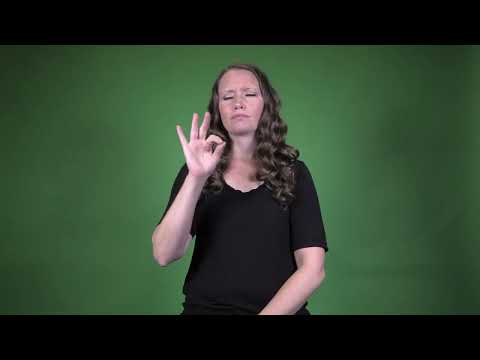
Definition: Traditional or not modern.
Sign for OLD-FASHION in ASL
Practice Activities
To fully master the sign for OLD-FASHION in ASL, it’s essential to engage in a variety of practice methods. Start with mirror work to check your handshape, facial expression, and movement. Make sure the sign reflects both clarity and confidence. By practicing in front of a mirror, you can self-correct and become more aware of your non-manual markers.
Recorded signing is another excellent strategy. Record yourself signing the word in isolation and in sentences. Play it back to compare your sign with fluent signers, either from video dictionaries or native signers. This helps build accuracy and fluency.
Use the sign for OLD-FASHION in ASL during real-life conversations or role-play scenarios. For example, you might describe clothing styles, traditions, or technology that feels outdated. This places the sign in context and strengthens your receptive and expressive skills.
For more advanced learners, create storytelling drills where you describe a character who prefers old-fashioned methods or styles. Integrating the sign into a narrative builds retention and encourages natural usage. Practice with a partner to receive feedback and expose yourself to different signing styles.
SEO Cultural Context
The sign for OLD-FASHION in ASL carries cultural depth within the Deaf community. It often conveys more than just a label for something outdated; it can reflect values, identity, and tradition. In Deaf culture, old-fashioned ways might refer to past communication methods, generational norms, or visual culture preferences.
Deaf elders may use the sign for OLD-FASHION in ASL to describe earlier eras of Deaf education, such as oralism or residential school life. Understanding the sign’s usage in context helps learners connect with the rich history and evolving practices in the community.
Regional variation can affect this sign, as with many in ASL. Some signers may use a compound form or modify the movement slightly depending on their geographic location or age. Watching various signers from different areas can help you understand these subtle differences.
The sign is also used in humorous or nostalgic contexts. For example, someone might comment on a rotary phone or black-and-white TV as “old-fashioned,” using this sign with a playful facial expression. Being aware of tone and intent is crucial in mastering this sign authentically.
Extended Definition
The sign for OLD-FASHION in ASL typically combines the sign OLD followed by a variation of FASHION or STYLE. The sign OLD involves a closed fist moving downward from the chin, symbolizing a beard or age. It can also imply something from the past. The second part, representing fashion or style, is made with open hands circling slightly in front of the chest, showing design or trend.
When combined, the sign for OLD-FASHION in ASL suggests something that belongs to an earlier time or is no longer modern. It can describe objects, clothing, behaviors, or ideas. The sign is descriptive and often enhanced by facial expressions to show whether the speaker views the old-fashioned quality as charming, outdated, or humorous.
A common mistake is using the sign OLD by itself without adding the second concept. Alone, OLD only refers to age or time, not style. Another error is incorrect hand movement during the STYLE portion—keeping the motion fluid and consistent is important.
You might also see alternative forms that incorporate the sign for TRADITION or CLASSIC, depending on context. However, the most direct and widely understood version involves the full sign for OLD-FASHION in ASL as described above.
Tips for Beginners
If you’re just getting started with the sign for OLD-FASHION in ASL, take it slow and focus on clarity. Begin by breaking down the sign into its two parts. First, master the sign for OLD, then separately practice the sign for STYLE. Once you’re comfortable, combine them with smooth transitions.
Pay close attention to facial expressions. The meaning of OLD-FASHION can shift depending on your eyebrows, mouth movements, and overall tone. A raised eyebrow might indicate surprise or irony, while a neutral face suggests a more factual tone.
Avoid the temptation to overcomplicate the sign. Beginners sometimes add unnecessary movements or create entirely new combinations. Stick to the standard form until you’re fluent enough to recognize regional or stylistic variations.
Repetition is key. Use flashcards, apps, or sign language dictionaries to review frequently. The more you see and use the sign for OLD-FASHION in ASL, the more naturally it will become part of your vocabulary.
Connections to Other Topics
The sign for OLD-FASHION in ASL is closely connected to several other signs and concepts that deepen understanding.
First, the sign for TRADITION is often used alongside or in place of OLD-FASHION, particularly when discussing cultural practices or family customs. TRADITION uses two closed hands with the dominant hand moving forward over the non-dominant, showing something being passed down.
Second, the sign for CLASSIC is sometimes used to describe something that is old-fashioned in a positive light. This sign conveys elegance or quality rather than simply being outdated.
Third, the sign for VINTAGE shares some conceptual overlap. While not used as frequently, it can describe old-fashioned items with value or aesthetic appeal, such as vintage cars or clothing.
Fourth, the sign for MODERN is an antonym that helps contrast OLD-FASHION. Using these two signs together can clarify meaning when discussing time periods or preferences.
Lastly, the sign for PAST is fundamental for placing OLD-FASHION in a temporal context. Signing PAST before OLD-FASHION emphasizes the historical or nostalgic aspect of the object or idea.
Lengthy Summary
The sign for OLD-FASHION in ASL is a rich, expressive term that combines the signs for OLD and STYLE to convey the idea of something outdated or from an earlier time. It’s used in a variety of contexts—from fashion to technology to cultural habits—and carries both descriptive and emotional weight depending on facial expressions and tone.
Learners can build fluency through mirror practice, recording themselves, and trying the sign in real-life conversations or storytelling. These activities help solidify both the physical sign and the cultural context behind it. Advanced drills such as conversational role-play or narrative retelling can deepen your comfort with the sign for OLD-FASHION in ASL.
Culturally, this sign connects to the Deaf community’s rich history and evolving norms. It may be used to discuss past educational methods, generational differences, or nostalgic moments. Understanding the cultural backdrop enhances respectful and accurate usage.
It’s also important to recognize common errors like omitting the STYLE portion or using improper movement. Clarifying these issues early helps avoid confusion and builds confidence. Beginners are encouraged to practice slowly, focus on facial expressions, and seek feedback from fluent signers or instructors.
Related signs such as TRADITION, CLASSIC, VINTAGE, MODERN, and PAST support a broader understanding of how OLD-FASHION fits into the ASL lexicon. Exploring these connections helps reinforce the vocabulary and gives learners more tools for expressive communication.
As you continue your ASL journey, keep revisiting the sign for OLD-FASHION in ASL in different contexts. Whether you’re telling stories, describing objects, or engaging in cultural discussions, this sign will enrich your ability to express nuanced ideas. Practice regularly, stay curious, and embrace the beautiful depth of American Sign Language
Synonyms: antiquated, outdated, archaic, obsolete, vintage
Educational resources: Find related learning materials in our course bank!
Want more? Check out some of our popular learning activities on the homepage!
Need to look up a sign? Use our highly rated dictionary: https://aslinteractive.com/best-asl-dictionary/
Follow us on tiktok: https://www.tiktok.com/@aslinteractive. More social media links at the bottom of this page!
Long-tail Keywords: what is the sign for old-fashioned in ASL, how do you sign old-fashioned in ASL, learn how to sign old-fashioned in American Sign Language
Categories:
tags: old-fashioned signs, vintage ASL vocabulary, historical ASL terms, ASL signs for classic items, retro American Sign Language
Want more? Check out some of our popular learning activities!
ASL Interactive Resources
ASLInteractive YouTube Channel
Follow us on tiktok: @aslinteractive.com
Follow us on Instagram: aslinteractive
Facebook page: aslinteractive
Facebook group: aslinteractive
LInkedIn: ASL Interactive LLC
Twitter: @ASL_interactive
*Some information on this page is AI-generated. AI can make mistakes. Please check the information.


Responses