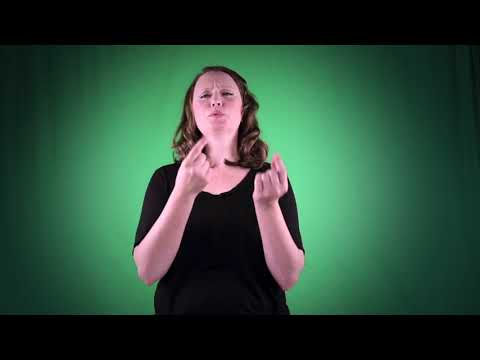
Definition: Busy or active; constantly moving.
Sign for ON-THE-GO (DO-DO) in ASL
Practice Activities
To build fluency with the sign for ON-THE-GO (DO-DO) in ASL, start with mirror work. Stand in front of a mirror and practice the handshape, movement, and facial expressions associated with the sign. This allows you to check for accuracy and self-correct in real time. Pay close attention to your non-manual signals, as they are essential for conveying the right tone and meaning.
Record your signing using a smartphone or webcam. Watching the playback helps you identify subtle mistakes in rhythm or placement. Try signing the phrase in short sentences, such as “I’m always ON-THE-GO (DO-DO)” or “What are you doing ON-THE-GO (DO-DO)?” This helps you internalize the sign’s fluidity.
Use the sign for ON-THE-GO (DO-DO) in ASL during real or simulated conversations. Role-play scenarios like rushing to class, juggling errands, or catching a bus. Practicing in context strengthens memory retention and builds confidence in spontaneous use.
For more advanced learners, set up drills to contrast this sign with similar expressions, such as BUSY or GO. You can also practice with a partner, alternating rapid exchanges involving multiple signs with similar handshapes or movements. This builds speed and accuracy while reinforcing the meaning of the sign for ON-THE-GO (DO-DO) in ASL.
SEO Cultural Context
Understanding the cultural roots of the sign for ON-THE-GO (DO-DO) in ASL provides deeper insight into its proper use. This expressive sign is tied closely to the Deaf community’s unique way of describing daily activity, movement, and multitasking. It often conveys a sense of being actively engaged or constantly doing something, reflecting a busy or dynamic lifestyle.
In Deaf culture, the DO-DO pattern is a common grammatical structure used to ask or indicate what someone is doing. It’s not just about literal motion—it can also imply mental engagement or being preoccupied. This sign for ON-THE-GO (DO-DO) in ASL captures that nuance perfectly, blending physical and conceptual movement into one gesture.
Regional variation may influence how the movement is performed, but the core meaning remains understood across the U.S. Deaf community. It’s typically used in casual conversation and storytelling, especially when describing someone who’s constantly moving from one task or place to another. Native signers often pair this sign with expressive facial grammar to emphasize urgency or busyness.
Extended Definition
The sign for ON-THE-GO (DO-DO) in ASL combines the concept of persistent action with a questioning or descriptive tone, depending on context. It usually involves both hands in an open “flat O” handshape, tapping the fingertips together in quick succession. The movement is light but repetitive, and the facial expression adds crucial grammatical information—raising your eyebrows can turn it into a question, while a neutral or determined face can make it a statement.
This sign is closely related to the broader DO-DO structure, which is often used in ASL to ask what someone is doing or what’s going on. However, when used as ON-THE-GO (DO-DO), it emphasizes constant activity. A common mistake is to over-exaggerate the motion or use the wrong handshape. Beginners might also forget the appropriate facial expression, which can change the meaning entirely.
It’s important to distinguish this sign from similar ones like WORK or BUSY. While those may describe specific states or obligations, the sign for ON-THE-GO (DO-DO) in ASL is more general and dynamic. It implies motion, activity, and a sense of urgency or hustle that goes beyond merely having tasks to do.
Tips for Beginners
If you’re just starting to learn the sign for ON-THE-GO (DO-DO) in ASL, don’t worry if it feels awkward at first. Focus on mastering the handshape and movement before adding facial expressions. Practice in front of a mirror to ensure your fingers touch lightly and quickly, not forcefully. Keep your wrists relaxed to avoid making the sign look stiff.
One common beginner mistake is using the wrong timing—either too fast or too slow. The motion should be natural and rhythmic. Another error is forgetting to use non-manual markers, like raised eyebrows or a slight head tilt. These elements are vital to conveying the correct tone and grammatical function of the sign.
Start by using the sign in simple sentences. For example, sign “I always ON-THE-GO (DO-DO)” or “You ON-THE-GO (DO-DO) again today?” This will help you get comfortable incorporating the sign into conversation. With regular practice, it will soon feel just as natural as any verbal expression.
Connections to Other Topics
The sign for ON-THE-GO (DO-DO) in ASL is closely connected to several other common signs and grammatical features. One related sign is BUSY, which also implies engagement in multiple tasks, though it is more static and less about movement. Understanding the distinction helps clarify communication, especially in storytelling or daily conversation.
Another related concept is the WH-question structure in ASL. The DO-DO component often functions as a WH-question when paired with the right facial grammar. This connection reinforces how ASL integrates manual and non-manual signals to change meaning and intent.
You might also explore the sign for WORK, which shares context with ON-THE-GO (DO-DO). While WORK focuses on job-related tasks, ON-THE-GO (DO-DO) captures a broader sense of constant motion or activity. Learning both signs expands your expressive ability in everyday conversations.
Additionally, the sign for GO is frequently used in combination with ON-THE-GO (DO-DO) to indicate direction or destination. For example, “I GO store, ON-THE-GO (DO-DO) all day.” This helps learners understand how to sequence verbs and actions in ASL.
Lastly, this sign is often associated with ASL classifiers that describe motion, such as CL:1 or CL:3. These classifiers can add detail about how a person or object moves, enhancing the message conveyed by the sign for ON-THE-GO (DO-DO) in ASL.
Lengthy Summary
Mastering the sign for ON-THE-GO (DO-DO) in ASL opens the door to more dynamic and natural conversations in American Sign Language. This expressive sign captures the essence of being active, constantly moving, or multitasking—a concept deeply rooted in both language structure and Deaf culture. Whether you’re describing your hectic day or asking someone what they’re doing, this sign serves as a versatile and essential tool in your signing vocabulary.
From a linguistic perspective, the sign for ON-THE-GO (DO-DO) in ASL showcases how ASL combines manual signs with non-manual signals to create meaning. Its connection to WH-questions, DO-DO structures, and casual conversation makes it a frequent and useful sign in everyday dialogue. Understanding its grammar, facial expressions, and rhythm is key to using it fluently.
Culturally, this sign reflects the Deaf community’s rich storytelling traditions and efficient use of visual language to express abstract concepts like busyness or hustle. Knowing when and how to use the sign for ON-THE-GO (DO-DO) in ASL helps you engage more authentically with Deaf signers and deepens your cultural competence.
Beginners are encouraged to focus on accuracy, repetition, and contextual use. Practice in front of mirrors, record yourself, and use role-play to simulate real-life scenarios. Don’t be discouraged by early mistakes—each attempt brings you closer to fluency.
As you expand your ASL skills, connect the sign for ON-THE-GO (DO-DO) in ASL with similar signs like BUSY, GO, and WORK. Explore grammatical connections and build expressive sentences using classifiers and WH-questions. This will greatly enrich your understanding and ability to communicate effectively in ASL.
Keep practicing, stay curious, and immerse yourself in the language. Your journey with the sign for ON-THE-GO (DO-DO) in ASL is just the beginning of a vibrant and engaging experience in American Sign Language .
Synonyms: busy, active, always moving, in motion, constantly on the move
Educational resources: Find related learning materials in our course bank!
Want more? Check out some of our popular learning activities on the homepage!
Need to look up a sign? Use our highly rated dictionary: https://aslinteractive.com/best-asl-dictionary/
Follow us on tiktok: https://www.tiktok.com/@aslinteractive. More social media links at the bottom of this page!
Long-tail Keywords: what is the ASL sign for on-the-go do-do, how to sign on-the-go do-do in American Sign Language, ASL translation for on-the-go do-do
Categories:
tags: on-the-go ASL, do-do in sign language, ASL travel vocabulary, casual actions in ASL, American Sign Language activities
Want more? Check out some of our popular learning activities!
ASL Interactive Resources
ASLInteractive YouTube Channel
Follow us on tiktok: @aslinteractive.com
Follow us on Instagram: aslinteractive
Facebook page: aslinteractive
Facebook group: aslinteractive
LInkedIn: ASL Interactive LLC
Twitter: @ASL_interactive
*Some information on this page is AI-generated. AI can make mistakes. Please check the information.


Responses