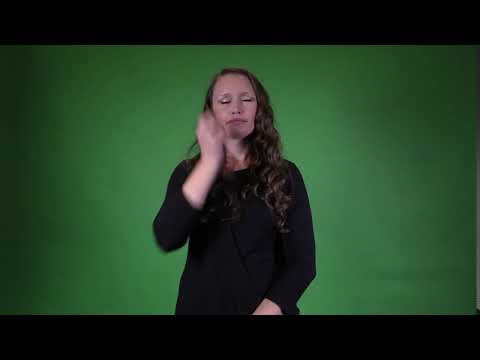
Definition: A large black-and-white bear-like mammal native to China.
Sign for PANDA in ASL
Practice Activities
One of the most effective ways to learn the sign for PANDA in ASL is to begin with mirror practice. Stand in front of a mirror and slowly form the sign, watching your handshape and facial expressions. This helps you become aware of your signing space and how your sign looks to others.
Record yourself signing the word in different sentences. For example, say “I saw a panda at the zoo” using ASL structure and grammar. Watch the recording to check clarity, hand movement, and facial expression. This kind of feedback loop supports faster improvement.
Practice the sign for PANDA in ASL during themed activities. When watching a nature documentary or reading a book about animals, pause and sign each animal as it is mentioned. Incorporating the sign into these real-life contexts strengthens memory and fluency.
For more advanced learners, try timed drills. Set a timer and sign ten animal names including the sign for PANDA in ASL as quickly and accurately as possible. Challenge yourself to maintain proper form, even with speed. Signing with a partner also helps, especially if you take turns quizzing each other on animal vocabulary.
Another helpful activity is to create a visual story or short narrative that includes the sign for PANDA in ASL. Use classifiers and descriptions to visually represent the animal’s characteristics—this reinforces both the vocabulary and ASL storytelling techniques.
SEO Cultural Context
In Deaf culture, animal signs often carry rich visual and conceptual meaning. The sign for PANDA in ASL captures the animal’s physical traits, especially the black patches around its eyes, using iconic handshapes and movement. This visual connection makes the sign memorable and deeply tied to the animal’s appearance.
Culturally, the sign for PANDA in ASL is often used in educational settings, especially when teaching children about animals. It may also appear in storytelling, classroom discussions, zoo visits, or conversations about endangered species. ASL users value accuracy and clarity in visually representing concepts, so animal signs like this one are carefully crafted and widely understood within the community.
There may be slight regional variations in how the sign for PANDA in ASL is produced. Some signers may incorporate different facial expressions or emphasize the eye-area movement more, depending on local community norms. However, the core motion and handshape remain consistent across most areas.
It’s important to note that within the Deaf community, using the correct sign for specific animals reflects respect for the language and its expressive capacity. The sign for PANDA in ASL is more than a translation—it’s an embodiment of how the Deaf community sees and interacts with the concept of a panda visually.
Extended Definition
The sign for PANDA in ASL typically involves making a circle around the eye area with the fingers to mimic the panda’s black eye patches. Both hands are used, with the tips of the fingers forming an “O” shape and circling the eyes simultaneously. The motion is gentle and often accompanied by a neutral or slightly interested facial expression.
This sign is iconic in nature, meaning it visually represents the appearance of the animal. That visual connection is central to many animal signs in ASL. It’s important to avoid confusing this sign with similar ones like RACCOON or KOALA, which may also involve hand movements near the face. Each has distinct characteristics that make it unique.
Common errors include placing the hands too far from the eyes, using the wrong handshape, or forgetting to use both hands simultaneously. Beginners may also overexaggerate the motion or underutilize facial expressions, both of which can hinder communication.
The sign for PANDA in ASL is often taught alongside other zoo or wild animal signs, providing learners with a broader vocabulary and helping them understand how ASL uses space and shape to represent meaning. Some variations of the sign may include a slight pause before or after the eye-circle motion to provide emphasis or differentiate from similar terms.
Tips for Beginners
If you’re just starting to learn the sign for PANDA in ASL, don’t worry about getting it perfect on the first try. Focus on forming the correct handshape and positioning your hands near the eyes. Use a mirror to check your accuracy.
One common mistake is using only one hand or placing your hands too far away from your eyes. Keep the motion symmetrical and centered around your eye area. This mirrors the panda’s distinctive facial markings and makes the sign more recognizable.
Another tip is to pair the sign for PANDA in ASL with animal flashcards or images. When you see a picture of a panda, sign the word. This visual association strengthens recall and helps you build a mental link between the image and the sign.
Practice slowly at first and don’t rush the motion. Signing clearly is more important than signing quickly. Gradually increase your speed as your confidence grows.
Lastly, watch videos of native ASL users signing PANDA. Observing fluent signers will help you grasp the fluidity and rhythm of the language, especially how the sign for PANDA in ASL fits into a full sentence or conversation.
Connections to Other Topics
The sign for PANDA in ASL connects closely with other animal signs such as BEAR, KOALA, and RACCOON. All of these involve facial features or body characteristics and use iconic movements to represent those traits. Learning them together helps reinforce visual differences and similarities.
Another related concept is the use of classifiers in ASL. While the sign for PANDA in ASL is a specific vocabulary word, classifiers allow you to describe the panda’s size, movement, or behavior in a sentence. This adds depth and richness to your communication.
The sign also ties into ASL storytelling. Animal characters are often featured in stories, and knowing how to sign PANDA can be a gateway into more advanced narrative skills. Storytelling in ASL uses space, facial expressions, and body movement in ways that highlight the animal’s unique traits.
Thematic vocabulary sets, such as zoo animals or endangered species, often include the sign for PANDA in ASL. These themes are common in both educational and conversational contexts, especially in classrooms or Deaf events focused on nature and conservation.
Finally, the sign is connected to broader grammatical structures in ASL, such as topic-comment sentence order. For example, to say “Panda, I saw at the zoo,” you would begin with the sign for PANDA in ASL, followed by the rest of the sentence. This topic-first structure is essential in fluent ASL communication.
Lengthy Summary
Mastering the sign for PANDA in ASL offers learners a fun and engaging way to connect with the visual and expressive nature of American Sign Language. From its iconic hand movements that mimic the panda’s eye patches to its cultural relevance in storytelling and education, this sign is a valuable addition to any ASL learner’s vocabulary.
Through consistent practice—whether in front of a mirror, on video, or in interactive drills—you can build muscle memory and confidence. The sign for PANDA in ASL plays an important role in animal-related conversations and is often used in ASL classes, zoo visits, or discussions about endangered species. Knowing this sign allows you to participate more fully in these contexts, both socially and educationally.
Understanding the cultural nuances of the sign deepens your respect for the Deaf community and its language. ASL is not just a way to translate English—it is a language rich with visual detail, spatial logic, and cultural significance. Signs like PANDA demonstrate how deeply ASL connects form and meaning, turning everyday vocabulary into expressive, visual communication.
For beginners, it’s crucial to focus on accuracy, not speed. Avoid common mistakes like incorrect hand placement and lack of facial expression. Use visual aids, watch fluent signers, and immerse yourself in practice activities that make the learning process enjoyable and effective.
The sign for PANDA in ASL links to a range of other topics, from classifiers and animal vocabulary to storytelling techniques and grammar rules. By learning this sign in context, you open doors to more complex conversations and a deeper understanding of the language.
Keep practicing, stay curious, and don’t be afraid to make mistakes. Every time you use the sign for PANDA in ASL, you’re building a stronger connection to the language and the community that uses it.
Synonyms: panda, giant panda, bearcat, bamboo bear, Ailuropoda
Educational resources: Find related learning materials in our course bank!
Want more? Check out some of our popular learning activities on the homepage!
Need to look up a sign? Use our highly rated dictionary: https://aslinteractive.com/best-asl-dictionary/
Follow us on tiktok: https://www.tiktok.com/@aslinteractive. More social media links at the bottom of this page!
Long-tail Keywords: what is the sign for panda in ASL, how do you sign panda in American Sign Language, ASL sign for panda explained
Categories:
tags: animals, wildlife, zoo signs, ASL animals, panda
Want more? Check out some of our popular learning activities!
ASL Interactive Resources
ASLInteractive YouTube Channel
Follow us on tiktok: @aslinteractive.com
Follow us on Instagram: aslinteractive
Facebook page: aslinteractive
Facebook group: aslinteractive
LInkedIn: ASL Interactive LLC
Twitter: @ASL_interactive
*Some information on this page is AI-generated. AI can make mistakes. Please check the information.


Responses