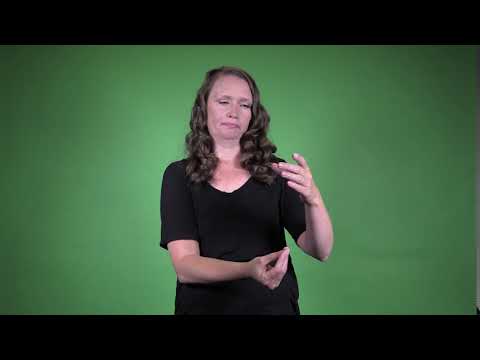
Definition: To die.
Sign for PASS AWAY in ASL
Practice Activities
To master the sign for PASS AWAY in ASL, learners can begin with mirror work. Stand in front of a mirror and slowly perform the sign while watching hand shape, movement, and facial expression. This helps build muscle memory and ensures that the sign is visually accurate from the viewer’s perspective.
Another effective method is recording yourself signing. Watching playback lets you catch small errors in hand movement or expression. It also helps you self-assess your fluency and comfort level with the sign for PASS AWAY in ASL.
Practicing in context is crucial. Try incorporating the sign into full sentences, like “My grandfather passed away last year” or “She passed away peacefully.” This helps reinforce both vocabulary and grammar, ensuring that the sign is used appropriately in real-life conversation.
Advanced drills can include receptive practice, where a partner signs sentences including the sign for PASS AWAY in ASL and you must interpret them. You can also practice expressive signing by retelling stories or life events where the sign naturally fits, helping to solidify both meaning and emotional nuance.
SEO Cultural Context
Understanding the cultural relevance of the sign for PASS AWAY in ASL is key to using it respectfully. In Deaf culture, discussions around death are handled with care and sensitivity. Facial expression and non-manual signals often carry the emotional weight of the message, so being mindful of your tone and body language is essential.
The sign for PASS AWAY in ASL is often preferred over more clinical signs like DIE, especially in sensitive or personal contexts. While DIE is a direct sign, the sign for PASS AWAY in ASL tends to be more gentle and is chosen when discussing the death of a loved one or in formal situations like memorial services.
Regional variation may affect how the sign is performed. Some regions use a two-handed version, while others use a single-handed sign. Being aware of these differences and open to adapting your signing based on your audience shows cultural competence and respect.
This sign is frequently used in conversations about family history, storytelling, and in healthcare or counseling contexts within the Deaf community. Because death is a deeply emotional topic, the sign for PASS AWAY in ASL carries not just meaning but also social and cultural weight that learners must acknowledge.
Extended Definition
The sign for PASS AWAY in ASL typically involves a movement that symbolizes transition. One common version starts with the dominant hand in a flat “5” shape, palm down, passing over the non-dominant hand, which is also in a flat “5” shape. The movement suggests a crossing over or transition, reflecting the metaphor of passing from life to death.
This sign differs from the more blunt sign for DIE, which involves a flipping motion of the hands to indicate life ending. The distinction between these signs is important. The sign for PASS AWAY in ASL has a softer, more respectful tone, often used in emotionally sensitive or formal settings.
Common errors include using the wrong hand shape or performing the movement too quickly. Another mistake is confusing this sign with TRAVEL or CROSS, which also use similar spatial motion. Paying attention to context and facial expressions helps clarify meaning.
Sometimes, learners mix up the direction of the movement. The sign should clearly indicate a transition, so a smooth, purposeful motion is essential. Always coordinate your facial expression to match the emotional context of the conversation.
Tips for Beginners
For beginners, learning the sign for PASS AWAY in ASL might feel emotionally intense. That’s okay. It’s a deeply meaningful sign, and approaching it with respect and care is part of learning ASL authentically.
Start by focusing on hand shape and direction. Use slow, controlled movements and practice with intention. Don’t rush to perfect it—understanding the emotional context is just as important as the physical form.
A common mistake is using a neutral or smiling expression while signing. Because this sign relates to death, your facial expression should reflect seriousness or compassion. Practicing in front of a mirror helps you align your expression with the sign’s meaning.
Another tip is to watch native signers use the sign for PASS AWAY in ASL in various contexts. YouTube, ASL dictionaries, and Deaf vlogs often provide authentic examples that can guide your practice and deepen your understanding.
Connections to Other Topics
The sign for PASS AWAY in ASL connects with several related signs. One important related sign is DIE, which is more direct and often used in factual or medical contexts. Understanding the difference helps you choose the appropriate sign based on tone and setting.
Another related sign is GRIEVE or SAD, which are often used in the same conversations. These signs help express the emotional aspects of loss and are often paired naturally with the sign for PASS AWAY in ASL.
The concept of FAMILY is also closely related. When discussing the passing of a loved one, signs like MOTHER, FATHER, GRANDPARENT, or FRIEND often accompany the sign for PASS AWAY in ASL. These connections help build narrative and emotional depth.
TEMPORAL markers like PAST are frequently used in tandem to indicate when someone passed away. For example, “He passed away two years ago” would include a time sign to give context.
Storytelling in ASL often includes this sign, especially in personal narratives or cultural folktales. Using the sign for PASS AWAY in ASL within stories helps convey important life events and emotional journeys while showcasing ASL’s rich narrative structure.
Lengthy Summary
The sign for PASS AWAY in ASL is a powerful and culturally sensitive expression that learners should approach with care and respect. Its movement symbolizes a transition from life to death, offering a gentler alternative to the more direct DIE sign. Understanding the emotional and cultural context of this sign is vital to using it appropriately in conversation.
Practice methods such as mirror work, recorded signing, and contextual use help learners build fluency and confidence. Drills that simulate real-life conversations or storytelling deepen comprehension and emotional expression. By integrating the sign into sentences and narratives, learners can more naturally recall and use it when needed.
Cultural awareness is especially important. The Deaf community values emotional authenticity and visual clarity, so your facial expressions must align with the gravity of the topic. The sign for PASS AWAY in ASL is often used in discussions about family, health, and personal history. Being mindful of regional variations and audience expectations ensures respectful communication.
For beginners, the key is patience and practice. Start with the correct hand shapes and focus on meaningful expression. Watch native signers and imitate both their physical form and emotional tone. Avoid common mistakes like mismatched expressions or rushed movement.
This sign also connects to broader themes in ASL, such as family vocabulary, temporal markers, and emotional expression. Understanding related signs like GRIEVE, SAD, and FAMILY enriches your ability to communicate complex feelings and life events.
In summary, the sign for PASS AWAY in ASL is more than just a vocabulary word—it’s a bridge to deeper communication and cultural understanding. Keep practicing, engage with authentic Deaf content, and don’t be afraid to ask for feedback. With time and dedication, you’ll gain both fluency and confidence in using this meaningful sign .
Synonyms: die, depart, expire, perish, succumb
Educational resources: Find related learning materials in our course bank!
Want more? Check out some of our popular learning activities on the homepage!
Need to look up a sign? Use our highly rated dictionary: https://aslinteractive.com/best-asl-dictionary/
Follow us on tiktok: https://www.tiktok.com/@aslinteractive. More social media links at the bottom of this page!
Long-tail Keywords: What is the sign for Pass Away in ASL, How do you sign Pass Away in ASL, Pass Away in American Sign Language
Categories:
tags: death-related signs, ASL idioms, mourning and loss, emotional expressions in ASL, ASL life events
Want more? Check out some of our popular learning activities!
ASL Interactive Resources
ASLInteractive YouTube Channel
Follow us on tiktok: @aslinteractive.com
Follow us on Instagram: aslinteractive
Facebook page: aslinteractive
Facebook group: aslinteractive
LInkedIn: ASL Interactive LLC
Twitter: @ASL_interactive
*Some information on this page is AI-generated. AI can make mistakes. Please check the information.


Responses