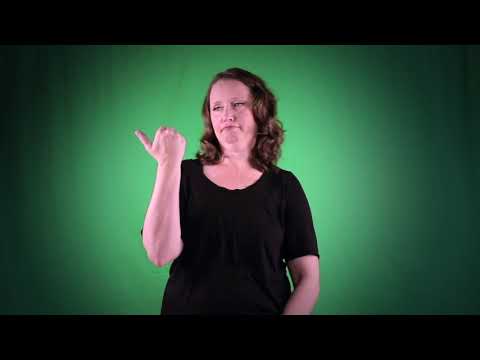
Sign for PASTYEARS in ASL | ASL Dictionary

Definition: The years that have gone by.

Sign for PASTYEARS in ASL

YouTube player

Practice Activities

To master the sign for PASTYEARS in ASL, consistent and thoughtful practice is key. Start with mirror work by practicing the sign in front of a mirror to ensure your handshape, movement, and facial expressions are accurate. Watch yourself closely to catch small errors that might affect clarity.

Record your signing sessions on video. This allows you to review your performance and track improvement over time. Compare your video with native signers or instructional content to refine your skills.

Incorporate the sign for PASTYEARS in ASL into real-world signing contexts. Use it in sentences, such as “Many things have changed over the past years” or “I lived in New York for the past years.” This helps reinforce the sign within the flow of natural ASL grammar.

Advanced learners can engage in drills that focus on temporal sequencing. Practice linking the sign for PASTYEARS in ASL with signs like FUTURE, NOW, and RECENT to build fluency in discussing timeframes. Partner work is also helpful—sign stories or personal narratives that include references to past years, and ask for feedback.

Make it a daily habit to include the sign in your signing routine. The more you use it in varied scenarios, the more natural it will become.

SEO Cultural Context

In Deaf culture, time concepts are often visually and spatially represented. The sign for PASTYEARS in ASL reflects this by using movement to show time receding behind the signer. This aligns with the cultural value of visual communication and the use of space to express abstract ideas.

The sign for PASTYEARS in ASL is typically used in storytelling, life narratives, and historical discussions. It allows signers to set a time frame and frame the context of their message. In Deaf events or social conversations, it’s common to refer to past experiences, and this sign becomes essential for sharing life milestones and community memories.

There may be slight regional variations in how the sign is executed, especially in how far the movement travels or whether a classifier is used to emphasize multiple years. However, the core concept remains understood across the ASL community.

Deaf culture also places a strong emphasis on clarity and visual rhythm. When using the sign for PASTYEARS in ASL, your non-manual signals—like a slight backward head tilt or raised brows—help convey the passage of time more naturally. These cultural nuances deepen communication and reflect the richness of ASL as a visual language.

Extended Definition

The sign for PASTYEARS in ASL is a compound sign that typically combines the sign for PAST with the concept of YEARS. The sign for PAST involves a backward motion, usually over the shoulder, representing time that has already occurred. The sign for YEAR involves rotating closed fists, symbolizing the cycle of a calendar year.

When combined, the sign for PASTYEARS in ASL conveys the idea of multiple years having passed. It’s often used to describe an extended period in the past, such as “over the past five years” or “the past years were difficult.” The exact number may or may not be specified, depending on context.

A common error is signing each component (PAST and YEARS) too literally or with incorrect movement. For example, some learners may hesitate when combining the two, leading to a choppy or unclear sign. It’s important that the transition between PAST and YEARS is fluid and visually coherent.

Another frequent mistake is omitting non-manual markers, which can flatten the meaning. For example, a slight backward glance or lean can emphasize the concept of time passing and enhance understanding.

It’s also useful to know that in rapid signing, the sign for PASTYEARS in ASL might be abbreviated or modified slightly for fluidity, especially in casual conversation. Native signers often adapt signs for speed while maintaining clarity.

Tips for Beginners

Learning the sign for PASTYEARS in ASL can feel challenging at first, especially due to its compound structure. Start by mastering the individual signs for PAST and YEARS. Practice them separately until you feel confident, then combine them smoothly.

A helpful strategy is to watch slow-motion videos of native signers using the sign. Observe their handshapes, movement, and facial expressions closely. Mimic their rhythm and pacing during your own practice.

Avoid rushing the sign or making jerky movements. Time-related signs in ASL are often smooth and deliberate. A rushed sign may confuse your meaning or reduce clarity.

Don’t forget about facial expressions. They play a crucial role in conveying time and emotion in ASL. A calm, reflective expression often accompanies the sign for PASTYEARS in ASL, especially in storytelling.

Stay patient with yourself. Like any new language skill, fluency comes with time and repetition. Celebrate small milestones—each successful use of the sign in context is a step toward greater fluency.

Connections to Other Topics

The sign for PASTYEARS in ASL is closely related to other time-related signs, including PAST, LAST YEAR, and BEFORE. Understanding these signs helps create a fuller picture of how ASL expresses time.

The sign for FUTURE contrasts with PASTYEARS and helps learners understand ASL’s spatial timeline. While PAST is signed backward, FUTURE is signed forward, reinforcing the visual logic of the language.

Another connected concept is the sign for EXPERIENCE, which is often used in the same conversations as PASTYEARS. For example, “I have experience from the past years” would integrate both signs naturally.

The sign for REMEMBER is also frequently paired with PASTYEARS. In narratives, someone might say, “I remember the past years,” linking memory and time.

Grammatically, ASL often uses time-topic-comment structure. The sign for PASTYEARS in ASL typically sets the time frame at the beginning of a sentence. This helps establish context before moving on to the main idea or event.

Lengthy Summary

Mastering the sign for PASTYEARS in ASL is a valuable achievement for any learner seeking fluency in American Sign Language. This compound sign combines the concepts of past and multiple years, offering a powerful way to express extended timeframes. It’s frequently used in storytelling, personal narratives, and historical context—making it both practical and culturally rich.

Through consistent practice methods like mirror work, video recording, and contextual use, learners can develop confidence in using the sign accurately. Understanding the cultural context enhances communication, helping signers align with Deaf norms and expectations. Recognizing regional variations and non-manual markers helps deepen your grasp of the language’s visual nature.

Beginners are encouraged to be patient and strategic. Focus first on the individual components of the sign, then practice combining them fluidly. Avoid common mistakes such as rushed movement or lack of facial expression. Use connected signs like FUTURE, EXPERIENCE, and REMEMBER to expand your vocabulary and fluency.

The sign for PASTYEARS in ASL is more than a vocabulary item—it’s a gateway to sharing stories, reflecting on the past, and connecting with the Deaf community. Whether you’re discussing past experiences, historical events, or personal growth, this sign anchors your message in time.

Keep practicing, signing, and exploring. The more you engage with ASL, the more naturally signs like the sign for PASTYEARS in ASL will become a part of your expressive toolkit. Stay motivated, stay curious, and keep building your ASL fluency one sign at a time.

Synonyms: Previous years, Earlier years, Bygone years, Former years, Years gone by

Educational resources: Find related learning materials in our course bank!

Want more? Check out some of our popular learning activities on the homepage!

Need to look up a sign? Use our highly rated dictionary: https://aslinteractive.com/best-asl-dictionary/

Follow us on tiktok: https://www.tiktok.com/@aslinteractive. More social media links at the bottom of this page!

Long-tail Keywords: what is the sign for past years in ASL, how do you sign past years in ASL, past years ASL sign meaning

Categories:

tags: past years in ASL, time signs in ASL, ASL vocabulary for years, temporal signs in ASL, ASL dictionary time-related signs

Want more? Check out some of our popular learning activities!

ASL Interactive Resources

ASLInteractive YouTube Channel

Follow us on tiktok: @aslinteractive.com

Follow us on Instagram: aslinteractive

Facebook page: aslinteractive

Facebook group: aslinteractive

LInkedIn: ASL Interactive LLC

Twitter: @ASL_interactive

*Some information on this page is AI-generated. AI can make mistakes. Please check the information.


Responses