Practice Activities
Learning the sign for REDUCE in ASL becomes much more effective when you engage in consistent and varied practice. One excellent method is mirror work. Stand in front of a mirror and practice the sign for REDUCE in ASL slowly, focusing on your handshape, palm orientation, and facial expression. This helps reinforce muscle memory and ensures visual accuracy. Recording yourself is another helpful tool. Use your phone or computer to video your signing sessions. When you watch yourself later, you can catch small mistakes and improve your fluency with the sign for REDUCE in ASL. Try practicing in front of others or with a signing partner for real-time feedback. Signing in context is key for retention. Use the sign in full sentences related to environmental issues, budgeting, or simplifying tasks. For example, sign “We need to REDUCE waste” or “He REDUCED the amount of sugar.” This helps internalize the meaning and structure of the sign for REDUCE in ASL. Advanced learners can incorporate drills like speed practice or switching between similar signs quickly. You can also challenge yourself by using the sign in storytelling or interpreting short passages related to environmental activism or minimalism. The more you practice in varied settings, the more naturally the sign for REDUCE in ASL will become part of your expressive vocabulary.
SEO Cultural Context
The sign for REDUCE in ASL holds significance beyond just vocabulary—it connects deeply with cultural themes within the Deaf community and broader society. Environmental awareness is a major topic in both hearing and Deaf communities, and the sign for REDUCE in ASL often appears in conversations about sustainability, climate change, and social responsibility. In Deaf culture, direct and clear communication is highly valued. The sign for REDUCE in ASL reflects that clarity when used to emphasize efficiency or lowering something, whether that’s sound, consumption, or pressure. It’s especially common in educational settings, Deaf advocacy groups, and community workshops focused on healthy living or eco-friendly habits. Regional variation may occur, as with many ASL signs, but the most widely accepted version uses a downward movement that visually mimics the concept of making something smaller or less. You may notice slight differences in speed or handshape, particularly between younger and older signers or in different parts of the U.S. Understanding when to use the sign for REDUCE in ASL also means understanding Deaf norms around advocacy and activism. The sign is not just functional—it’s part of larger conversations about change, improvement, and sustainability. Whether you’re discussing reducing noise, stress, or waste, the cultural context enriches the meaning and purpose behind every use.
Extended Definition
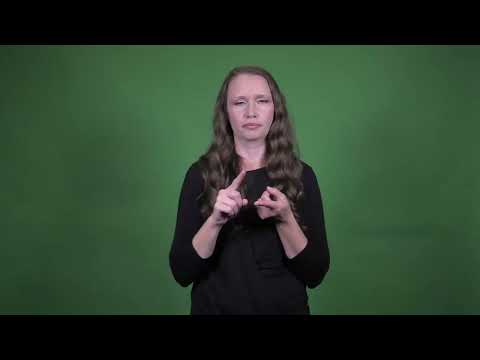
The sign for REDUCE in ASL is typically made by using both hands. The dominant hand starts above the non-dominant hand in a flat “B” handshape and moves downward as if to visually represent making something smaller. The movement is concise and deliberate, symbolizing the act of lowering, decreasing, or minimizing. This sign falls under the broader category of directional verbs that convey meaning through movement. It’s closely related to other signs like DECREASE, LOWER, and CUT BACK. However, each of these has subtle differences in movement or handshape. For example, DECREASE may involve a repeated downward movement, while REDUCE is often a single, clear action. Common errors include using the wrong handshape or failing to match the speed of the movement with the context. For instance, a too-fast movement might look aggressive rather than purposeful. Another mistake is using the sign in the wrong context, such as when referring to something increasing. Always check that your facial expressions and body posture match the meaning of the sign for REDUCE in ASL to avoid confusion. Clarity is essential in ASL. The sign for REDUCE in ASL must be distinct and purposeful to convey the intended message. Practicing with attention to detail helps ensure you’re not confusing REDUCE with similar signs that might look alike to beginners.
Tips for Beginners3>
If you’re just starting to learn the sign for REDUCE in ASL, don’t worry—this is a practical and visual sign that’s relatively easy to pick up with consistent practice. Begin by focusing on the foundational handshapes. Make sure your hands are properly positioned and that your dominant hand moves smoothly and clearly downward. One common mistake beginners make is using too much movement or signing too forcefully. The sign should be deliberate but not exaggerated. Keep your movements clean and your fingers relaxed. Also, remember that facial expressions are a key part of ASL grammar. A slightly serious or focused look can emphasize the idea of reducing something important, like costs or waste. It’s helpful to watch native signers use the sign for REDUCE in ASL in everyday conversation. Observe not only the hand movement but also the context in which the sign appears. This will give you a deeper understanding of how to use it naturally. Don’t be afraid to make mistakes—every signer starts somewhere. Just keep practicing and asking for feedback from more experienced signers. The more you use the sign for REDUCE in ASL in varied contexts, the more confident and fluent you’ll become.
Connections to Other Topics
The sign for REDUCE in ASL connects to a range of other signs and concepts that share similar themes or grammatical structures. One closely related sign is SAVE, especially in eco-conscious or budgeting contexts. While SAVE has its own unique sign, it is often used in tandem with REDUCE when discussing conservation or environmental efforts. Another related sign is LESS. This sign, like REDUCE, conveys the idea of a decrease. However, LESS is often used to compare quantities, whereas REDUCE focuses on the action of making something smaller. Practicing both signs helps learners distinguish between action and comparison. The sign for CUT BACK is another useful connection. Though less commonly used, it conveys a similar meaning and can be interchangeable with REDUCE depending on context. Understanding these subtle differences enhances your expressive range in ASL. You might also explore the sign for WASTE, especially when discussing ways to reduce waste. These two signs often appear together in conversations about sustainability. Lastly, the sign for ENERGY or RESOURCE ties directly into environmental topics where the sign for REDUCE in ASL is commonly used. By learning these connected signs, you build a stronger thematic vocabulary and improve your ability to hold more advanced conversations in ASL. These connections also help reinforce the meaning and usage of the sign for REDUCE in ASL in a broader linguistic and cultural framework.
Lengthy Summary
Mastering the sign for REDUCE in ASL opens up opportunities for clearer, more expressive communication in a variety of contexts. Whether you’re talking about lowering your expenses, reducing stress, or participating in environmental activism, this sign is both practical and culturally meaningful. It reflects a visual concept of making something smaller or less, captured through a downward movement of the dominant hand over the non-dominant hand. Throughout your learning journey, it’s important to practice regularly and in meaningful ways. Mirror work, video recordings, contextual sentences, and advanced drills all contribute to mastering the sign for REDUCE in ASL. Each method strengthens different aspects of fluency—from precision to natural flow. The cultural context adds richness to your understanding. In Deaf culture, clarity and directness are valued, and the sign for REDUCE in ASL fits perfectly within those norms. It often appears in discussions around sustainability, minimalism, and health—topics that are increasingly vital in today’s world. Understanding when and why this sign is used helps you communicate more effectively and respectfully.
Extended Definition
s and
Tips for Beginners3>
ensure that you’re not just imitating movements but truly understanding the linguistic and social function of the sign. Avoiding common mistakes like incorrect handshape or inappropriate speed helps maintain clarity. Watching experienced signers and practicing in real-life contexts will deepen your comprehension. Connections to other signs like SAVE, LESS, and WASTE expand your vocabulary and help you engage in more complex discussions. These related signs not only reinforce your knowledge of the sign for REDUCE in ASL but also build thematic fluency that’s essential for everyday conversations and advocacy work. In summary, the sign for REDUCE in ASL is more than a gesture—it’s a powerful tool for expressing key ideas in a visual and culturally rooted language. Keep practicing, stay curious, and immerse yourself in both the language and the community. The more you engage with the sign for REDUCE in ASL, the more confident and articulate you’ll become in expressing nuanced ideas through American Sign Language. Synonyms: lessen, decrease, diminish, lower, cut Educational resources: Find related learning materials in our course bank! Want more? Check out some of our popular learning activities on the homepage! Need to look up a sign? Use our highly rated dictionary: https://aslinteractive.com/best-asl-dictionary/ Follow us on tiktok: https://www.tiktok.com/@aslinteractive. More social media links at the bottom of this page! Long-tail Keywords: what is the sign for reduce in ASL, how do you sign reduce in ASL, ASL sign for reduce Categories: tags: reduce in ASL, minimize in ASL, conserve in ASL, environmental signs in ASL, ASL vocabulary for sustainability
Want more? Check out some of our popular learning activities!
ASL Interactive Resources
ASLInteractive YouTube Channel
Follow us on tiktok: @aslinteractive.com
Follow us on Instagram: aslinteractive
Facebook page: aslinteractive
Facebook group: aslinteractive
LInkedIn: ASL Interactive LLC
Twitter: @ASL_interactive
*Some information on this page is AI-generated. AI can make mistakes. Please check the information.
Responses