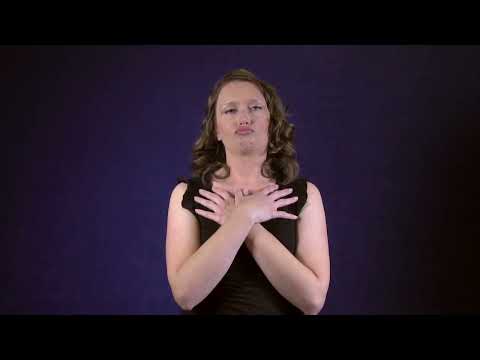
Sign for RELAXED in ASL | ASL Dictionary

Definition: Free from tension and anxiety (duplicate entry). Sign for RELAXED in ASL
YouTube player

Practice Activities

One of the most effective ways to master the sign for relaxed in ASL is through consistent and varied practice. Start with mirror work to observe your own handshape, movement, and facial expression. This helps ensure your form is accurate and mirrors the fluidity of native signers. Record yourself signing the sign for relaxed in ASL during short conversational phrases. Watching your recordings allows you to self-correct and identify areas that need improvement. Try integrating the sign into short signed sentences like “I feel relaxed” or “You look relaxed” to build fluency. Signing in context is another powerful tool. Use the sign for relaxed in ASL during real-life interactions, such as when discussing your weekend or how your day went. Practicing with a partner or tutor can also enhance your comfort level and correct any unnoticed errors. Advanced learners can challenge themselves with receptive drills. Watch videos of native Deaf signers using the sign for relaxed in ASL and try to identify it in various sentence structures and speeds. This improves both comprehension and expressive ability.

SEO Cultural Context

The sign for relaxed in ASL is more than just a vocabulary word—it reflects an emotional state that resonates deeply in Deaf culture. This sign is often used in contexts involving mental health, emotional well-being, and social comfort. In Deaf spaces where expression and clarity are highly valued, showing that someone is relaxed communicates both emotional openness and physical ease. In terms of regional variation, the sign for relaxed in ASL remains fairly consistent across most signing communities in the United States. However, some signers may blend it slightly with signs for “calm” or “comfortable,” depending on context or region. It’s important to be aware that facial expression plays a critical role in conveying the intensity of the emotion. A relaxed expression complements the sign and ensures the message is received accurately. In Deaf conversations, the sign for relaxed in ASL may be used to describe a relaxed atmosphere, a person’s emotional state, or even a relaxed dress code for an event. It is commonly seen in both casual and formal settings, making it a versatile and essential part of everyday ASL vocabulary.

Extended Definition

The sign for relaxed in ASL is typically performed by placing both open hands on the upper chest or shoulders, then gently sliding them downward diagonally along the chest. The movement is smooth and calm, reflecting the meaning of the word. The facial expression should also look peaceful or at ease to match the sign. This sign is often confused with the sign for “calm” or “rest,” which might look similar but differ in hand placement or movement. For example, “calm” often uses a two-part movement with flat hands moving over each other, while “rest” may involve crossing the arms over the chest. Understanding these subtle differences is key to using the sign for relaxed in ASL correctly. Another common error is over-exaggerating the movement, which can unintentionally change the meaning. Keep the motion controlled and natural. Also, avoid tensing your shoulders or face, as this contradicts the relaxed feeling the sign is supposed to convey.

Tips for Beginners

If you’re new to learning ASL, don’t worry—mastering the sign for relaxed in ASL is very achievable with consistent practice. Start by learning the correct handshape and motion. Use a mirror to track your hands and ensure your body language aligns with the meaning of the sign. One common beginner mistake is forgetting to include facial expressions. In ASL, your face is part of the grammar and meaning. When signing relaxed, your face should show calmness. A tense or blank face can confuse the message. Another helpful tip is to practice in real-life scenarios. After stretching or finishing a yoga session, sign “relaxed” to describe your state. The more you connect the sign with your actual experiences, the more naturally it will come to you. Don’t rush. Take your time to get the movement and expression right. Watch videos of fluent signers and mimic their rhythm and flow. This will help your sign for relaxed in ASL look authentic and natural.

Connections to Other Topics

The sign for calm is closely related to the sign for relaxed in ASL. Both convey a sense of peace or tranquility, but they are used in slightly different emotional contexts. Calm may refer to a situation or atmosphere, while relaxed often refers to a person’s state of being. The sign for stress is often taught alongside the sign for relaxed in ASL as an antonym. Understanding both helps learners describe emotional contrasts, which is valuable in conversations about mental health and daily experiences. Another connected sign is comfortable. It shares a similar handshape and movement with the sign for relaxed in ASL, and is often used when discussing clothing, furniture, or emotional ease. The sign for tired can also relate to this topic. Though it describes physical exhaustion, combining it with the sign for relaxed in ASL can convey a deeper sense of relief or recovery. Finally, sleep is a concept that links to relaxation. While the signs differ, both deal with states of rest and calmness. Learning them together helps build a thematic vocabulary set.

Lengthy Summary

The sign for relaxed in ASL is a foundational concept in expressing emotional and physical ease. Whether you’re describing your mood after a long day or talking about a peaceful environment, this sign allows you to communicate a key aspect of human experience. Its smooth movement and peaceful facial expression make it one of the more intuitive and expressive signs in ASL. Understanding the cultural context deepens its meaning. In Deaf culture, where nonverbal communication is central, the sign for relaxed in ASL carries emotional weight. It’s not just about the hands—it’s about the whole body and face working in harmony to convey a message. This holistic approach to communication is what makes ASL so rich and powerful. Beginners may find it challenging at first to coordinate the hand movement with the appropriate facial expression, but with time and practice, this becomes second nature. Using mirrors, video recordings, and real-life practice scenarios helps solidify the sign’s correct form and usage. Avoiding common pitfalls like over-exaggeration or omitting facial expression ensures your signing remains clear and authentic. By connecting the sign for relaxed in ASL with related vocabulary such as calm, stress, comfortable, tired, and sleep, learners build a web of interconnected concepts. This not only boosts vocabulary retention but also enhances conversational fluency. Keep practicing the sign for relaxed in ASL in everyday situations. Whether you’re chatting with friends, describing your feelings, or watching ASL videos, make this sign part of your regular use. The more naturally it fits into your communication, the more fluent and confident you will become. Keep your hands moving, your expressions engaged, and your mind open—your ASL journey is just getting started . Synonyms: calm, at ease, laid-back, carefree, tranquil Educational resources: Find related learning materials in our course bank! Want more? Check out some of our popular learning activities on the homepage! Need to look up a sign? Use our highly rated dictionary: https://aslinteractive.com/best-asl-dictionary/ Follow us on tiktok: https://www.tiktok.com/@aslinteractive. More social media links at the bottom of this page! Long-tail Keywords: what is the sign for relaxed in ASL, how do you sign relaxed in ASL, ASL sign for feeling relaxed Categories: tags: relaxation signs, emotions in ASL, daily life in ASL, mental health vocabulary ASL, calming words in sign language

Want more? Check out some of our popular learning activities!

ASL Interactive Resources

ASLInteractive YouTube Channel

Follow us on tiktok: @aslinteractive.com

Follow us on Instagram: aslinteractive

Facebook page: aslinteractive

Facebook group: aslinteractive

LInkedIn: ASL Interactive LLC

Twitter: @ASL_interactive

*Some information on this page is AI-generated. AI can make mistakes. Please check the information.  

Responses