Practice Activities
To build fluency in the sign for separated in ASL, start by practicing in front of a mirror to ensure handshape, palm orientation, and movement are accurate. This type of mirror work allows you to self-correct and better visualize how your sign appears to others. Focus on the subtle expression of emotion as well—since the sign for separated in ASL often carries emotional weight depending on context. Record yourself signing full sentences that include the sign for separated in ASL. This helps track progress and pinpoint areas for improvement. Watching yourself later can reveal unintentional movements, lack of clarity, or weak facial expressions. Use the sign in context by incorporating it into daily conversations or practice dialogues. For example, describe relationships, living arrangements, or past events using the sign for separated in ASL. This contextual use helps transfer the vocabulary into long-term memory. For advanced learners, practice drills that contrast the sign for separated in ASL with similar relational signs like divorced or broken-up. Switch rapidly between signs to gain control over handshape precision and movement clarity. Pair drills with storytelling activities that require dynamic signing and emotional nuance.
SEO Cultural Context
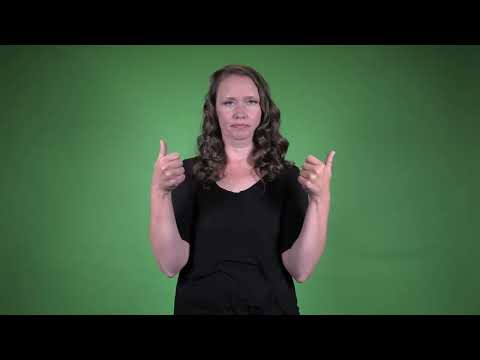
The sign for separated in ASL carries emotional and cultural significance within the Deaf community. It’s often used when discussing personal relationships, whether romantic, familial, or social. Because ASL is a visual language, the emotional tone of separation is often emphasized through non-manual signals like facial expressions and body posture. In Deaf culture, openness about life experiences, including topics like divorce or separation, is common. The sign for separated in ASL facilitates these conversations with clarity and respect. It provides a concise way to describe changes in relationships without needing lengthy explanations. Regional variation for the sign for separated in ASL is minimal, though some signers may use slightly different movements or handshapes based on local dialects or generational differences. In most areas, the sign is made by bringing two flat hands together at the knuckles and then pulling them apart slightly, palms facing inward, with a slight facial expression of emotional distance or tension. The sign is commonly used in everyday conversation, storytelling, and even legal or therapeutic settings where relationship status must be communicated clearly. Its use reflects the ASL community’s emphasis on expressive, visually rich language that conveys both factual information and emotional depth.
Extended Definition
The sign for separated in ASL is typically made using both hands in the modified “A” handshape (fists with thumbs extended). The knuckles of each hand are placed together, and then the hands move slightly apart horizontally. This motion symbolizes two people or entities that were once connected but are now apart. Facial expression is important. A neutral or slightly sad face often accompanies the sign to reflect the emotional tone of a separation. The sign can be nuanced to show whether the separation is amicable or painful, short-term or permanent. It’s important not to confuse the sign for separated in ASL with similar signs like divorced or broken. While they all involve parting or disconnection, each sign has a specific meaning. Divorced is often signed with a “D” handshape that splits apart, while broken may use a motion that mimics snapping something in two. A common error is overextending the movement or making the handshapes too loose. This can confuse the sign with others or make the meaning unclear. Keep the motion controlled and deliberate. Make sure knuckles touch gently before parting. The sign for separated in ASL can also be modified slightly to fit different contexts. For example, you can sign it more forcefully to imply a dramatic or painful separation, or sign it quickly and neutrally to imply a casual or logistical separation, like roommates moving out.
Tips for Beginners3>
If you’re just starting to learn the sign for separated in ASL, be patient with yourself. It might take a few tries to get the handshape and movement just right. Start slow and focus on clarity before speed. One of the most common beginner mistakes is forgetting facial expressions. In ASL, how you sign something is just as important as what you sign. A blank face can make your sign for separated in ASL look confusing or emotionless. Try practicing in front of a mirror to include facial expressions that match the emotional tone of the situation. Another common error is using the wrong handshape. Make sure both hands are in the modified “A” shape with thumbs extended. If your fingers are too spread or your thumbs are not visible, it can send the wrong message. Practice the sign for separated in ASL within full sentences to help you remember it. For example, try signing “My parents are separated” or “We separated last year.” This helps reinforce grammatical structure and builds confidence. Don’t be afraid to ask for feedback. If you’re learning from a Deaf instructor or fluent ASL user, practicing the sign for separated in ASL in live conversation is the best way to improve.
Connections to Other Topics
The sign for divorced in ASL is closely related and often taught alongside the sign for separated in ASL. Both involve a splitting motion, but they differ in handshape and emotional implication. Knowing both helps clarify relationship vocabulary. Another related sign is broken, which can describe emotional states or physical objects. While the sign for broken is more dramatic, it shares the theme of disconnection with the sign for separated in ASL. The sign for relationship in ASL (often made by linking “F” handshapes) is also useful to know. It gives context to the sign for separated in ASL, helping learners discuss the nature of the connection that was lost or interrupted. The sign for together is an antonym that pairs well in contrastive drills. Practicing both signs helps reinforce the concept of proximity versus separation in ASL spatial grammar. Finally, the sign for move can also be used in sentences involving separation, such as “They moved apart.” Learning these signs together helps build a thematic vocabulary set that supports fluent conversation.
Lengthy Summary
Mastering the sign for separated in ASL involves more than memorizing a hand movement—it requires understanding the cultural, emotional, and linguistic layers that surround the sign. As a key term in discussions about personal relationships, the sign is used frequently and must be delivered with clarity and appropriate expression. The sign for separated in ASL uses modified “A” handshapes brought together at the knuckles and then pulled apart slightly. This motion, combined with a suitable facial expression, conveys the core meaning of being apart after once being together. It’s essential to distinguish this sign from others like divorced or broken, which may share similar movements but serve different purposes. Through regular practice in front of a mirror, video recordings, contextual conversations, and advanced drills, learners can refine their use of the sign for separated in ASL. Each practice method targets a different aspect of learning—visual accuracy, emotional tone, speed, and grammatical placement within sentences. Culturally, the sign for separated in ASL reflects the Deaf community’s value on transparent and expressive communication. Whether discussing a romantic breakup, a change in living arrangements, or a professional split, the sign allows users to convey complex emotional states in a direct yet respectful way. Beginners should take their time with this sign, being especially mindful of common pitfalls like weak handshapes or lack of facial expression. Building a strong foundation will allow more advanced use of the sign in storytelling, legal interpretation, or emotional dialogue. The sign for separated in ASL connects naturally to related signs like divorced, broken, relationship, together, and move. Learning these signs in tandem enhances vocabulary depth and supports more fluent conversation. Ultimately, mastering the sign for separated in ASL is a step toward deeper communication and cultural understanding. Keep practicing daily, seek feedback, and use the sign in real contexts to make your learning meaningful. Whether you’re signing about your own life or interpreting for someone else, your growing fluency in ASL will make a lasting impact. Keep going—you’re signing your way to success! Synonyms: divided, split, detached, disconnected, parted Educational resources: Find related learning materials in our course bank! Want more? Check out some of our popular learning activities on the homepage! Need to look up a sign? Use our highly rated dictionary: https://aslinteractive.com/best-asl-dictionary/ Follow us on tiktok: https://www.tiktok.com/@aslinteractive. More social media links at the bottom of this page! Long-tail Keywords: what is the sign for separated in ASL, how do you sign separated in ASL, ASL sign for separated Categories: tags: relationship status, family and relationships, divorce and breakup, emotions in ASL, marital status signs
Want more? Check out some of our popular learning activities!
ASL Interactive Resources
ASLInteractive YouTube Channel
Follow us on tiktok: @aslinteractive.com
Follow us on Instagram: aslinteractive
Facebook page: aslinteractive
Facebook group: aslinteractive
LInkedIn: ASL Interactive LLC
Twitter: @ASL_interactive
*Some information on this page is AI-generated. AI can make mistakes. Please check the information.
Responses