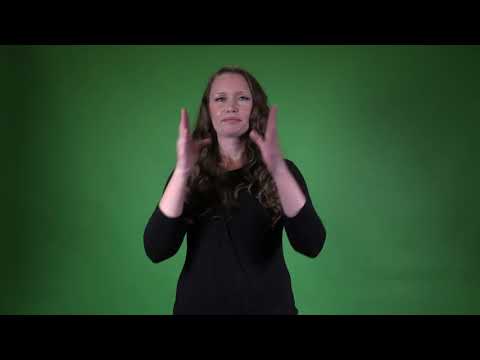
Sign for SINGER V2 in ASL | ASL Dictionary

Definition: A person who sings (variant 2). Sign for SINGER V2 in ASL
YouTube player

Practice Activities

Practicing the sign for SINGER V2 in ASL involves engaging multiple senses and contexts to build fluency and confidence. Start with mirror work to build muscle memory. Stand in front of a mirror and slowly practice each movement of the sign for SINGER V2 in ASL, paying close attention to handshape, location, and facial expression. This helps you self-correct and internalize the correct form. Use video recording to capture yourself signing. Watch the footage so you can compare your version of the sign for SINGER V2 in ASL to fluent signers or instructional videos. This visual feedback loop is essential for improving accuracy and confidence. Sign in context by integrating the sign into full sentences. For example, sign “My friend is a SINGER” or “I want to be a SINGER” using the complete structure of ASL grammar. Practicing the sign for SINGER V2 in ASL in full conversational settings helps build real-world fluency. For more advanced learners, try speed drills and role-playing. Alternate between related signs like MUSICIAN, ACTOR, and SINGER to improve your transition speed and clarity. Role-play mock interviews or storytelling exercises where you incorporate the sign for SINGER V2 in ASL into narratives to mimic natural conversations. Group practice is another excellent way to reinforce the sign. Join ASL study groups or online practice communities. Observing how others use the sign for SINGER V2 in ASL in different contexts helps you broaden your understanding and refine your technique.

SEO Cultural Context

The sign for SINGER V2 in ASL reflects both linguistic adaptation and cultural significance within the Deaf community. In ASL, the concept of a singer is conveyed through a combination of signs that express the idea of singing and the person performing it. While Deaf culture is not oriented around sound, music and performance still hold value, especially through visual rhythm and expression. So, the sign for SINGER V2 in ASL is not just a translation—it represents a cultural bridge between hearing and Deaf worlds. Deaf performers often use the sign for SINGER V2 in ASL when discussing stage performances, interpreted concerts, and Deaf musical expression like signed music or rhythm-based storytelling. The sign is used in educational settings, theatrical discussions, and everyday conversations about professions or hobbies. There may be slight regional variations. For example, in some areas, the movement for MUSIC is interpreted differently, or the sign for PERSON changes slightly in shape or motion. However, the core meaning of the sign for SINGER V2 in ASL remains consistent, rooted in a combination of signs for music and a person who performs. Deaf cultural norms emphasize clarity, visual engagement, and respect for context. When using the sign for SINGER V2 in ASL, it’s important to match your facial expressions and body language to the intent—whether you’re talking about a pop singer, a choir member, or yourself. This adds depth and cultural authenticity to your signing.

Extended Definition

The sign for SINGER V2 in ASL is typically a compound sign made by combining the sign for MUSIC followed by the PERSON-marker. The MUSIC sign involves one hand moving rhythmically over the inner forearm of the opposite arm, mimicking the motion of conducting or the flow of melody. After that, you add the PERSON-marker, which is created by raising both flat hands vertically and moving them downward in a parallel motion, symbolizing “a person who does.” Together, these parts form the sign for SINGER V2 in ASL, conveying the meaning efficiently and clearly. This sign is conceptual rather than auditory, emphasizing the role rather than the act of producing sound. It reflects how ASL communicates meaning through visual-spatial grammar, rather than word-for-word translation. Some learners confuse the sign for SINGER V2 in ASL with similar signs like DANCER or PERFORMER. While they may share the PERSON-marker, the root sign differs. Avoid inserting an unnecessary sign for VOICE, which is not culturally appropriate in Deaf contexts. Focus on keeping the signs fluid and clear. Be cautious of directional movement. The MUSIC portion should remain rhythmic and gentle, not rigid or overly exaggerated. Overemphasis can distort the sign and confuse the meaning. Always pair the sign for SINGER V2 in ASL with appropriate non-manual markers to add expressive clarity.

Tips for Beginners

If you’re new to ASL, learning the sign for SINGER V2 in ASL can be both fun and challenging. Start slowly and focus on accuracy before speed. Break the sign into two parts—first master the sign for MUSIC, then add the PERSON-marker once you feel confident. One of the most common beginner mistakes is rushing the movement. This can lead to unclear or incorrect signing. Take your time to ensure the fluid motion of the MUSIC sign is smooth and natural. Don’t forget to use facial expressions—they are just as important as your hand movements in ASL. Use flashcards or online videos to compare your version of the sign for SINGER V2 in ASL with fluent signers. This helps you notice subtle differences and improve over time. Repetition is key—sign the word in different sentences, contexts, and speeds. Another useful tip is to practice with a partner. Signing with someone else helps you stay motivated and immediately corrects mistakes. If a partner isn’t available, use digital platforms where you can connect with other learners or native ASL users. Remember, language learning is a journey. Don’t be discouraged by early mistakes. Each time you correctly use the sign for SINGER V2 in ASL in conversation, you’re building muscle memory and cultural fluency.

Connections to Other Topics

The sign for SINGER V2 in ASL connects to several other vocabulary signs and thematic concepts that enrich your understanding of ASL. One related sign is MUSICIAN. Like SINGER, it uses the MUSIC sign but may be paired with additional context or classifiers to specify instruments or roles. Another connected concept is the sign for PERFORMER. This sign also uses the PERSON-marker and can include variations depending on the type of performance. Comparing the sign for SINGER V2 in ASL with PERFORMER highlights how ASL uses classifiers and context to convey detailed meaning. ENTERTAIN is another sign that intersects with SINGER. This sign involves alternating circular hand movements near the head, conveying the idea of engaging an audience. You might use both ENTERTAIN and SINGER in a sentence when discussing an event or show. The sign for BAND or GROUP may also be relevant. This helps when describing a musical setting, like “She sings in a band.” Using the sign for SINGER V2 in ASL alongside GROUP signs helps create more detailed and expressive sentences. Finally, the sign for VOICE, while not typically used in Deaf culture to describe singers, may come up in interpreted conversations or educational settings. Understanding its use and cultural limitations helps avoid miscommunication and ensures respectful usage of the sign for SINGER V2 in ASL.

Lengthy Summary

Mastering the sign for SINGER V2 in ASL opens the door to discussing careers, hobbies, and cultural activities related to music and performance. This sign, formed by combining the ASL sign for MUSIC with the PERSON-marker, represents someone who performs music, specifically singing, in a visual and conceptually accurate way. While the Deaf community does not experience singing in the auditory sense, the role of a singer is still understood and acknowledged through visual mediums like signed song, rhythm, and performance. Practicing the sign for SINGER V2 in ASL involves more than memorizing handshapes. It requires mindful repetition, visual feedback, contextual usage, and cultural awareness. By integrating this sign into larger conversations and comparing it with related signs like MUSICIAN, PERFORMER, and ENTERTAIN, learners develop a more nuanced understanding of performance-related vocabulary in ASL. Cultural context is especially important. While hearing individuals may associate singers with sound, the Deaf community values the visual beauty of performance. Using the sign for SINGER V2 in ASL respectfully and accurately helps bridge communication between Deaf and hearing worlds. It also reflects the richness of ASL as a visual language that captures complex human experiences. For beginners, the journey may seem daunting, but with consistent practice, mirror work, and community engagement, you’ll become more comfortable using the sign for SINGER V2 in ASL. Avoid common mistakes like rushing, over-exaggerating, or adding unnecessary signs. Focus on clarity, fluidity, and cultural appropriateness. The sign for SINGER V2 in ASL is more than a vocabulary word—it’s a gateway into expressive storytelling, cultural understanding, and meaningful interaction. Keep practicing, stay curious, and engage with the Deaf community whenever possible. The more you use the sign for SINGER V2 in ASL in real-world situations, the more fluent and confident you will become. Synonyms: vocalist, performer, crooner, soloist, musician Educational resources: Find related learning materials in our course bank! Want more? Check out some of our popular learning activities on the homepage! Need to look up a sign? Use our highly rated dictionary: https://aslinteractive.com/best-asl-dictionary/ Follow us on tiktok: https://www.tiktok.com/@aslinteractive. More social media links at the bottom of this page! Long-tail Keywords: what is the sign for singer in ASL, how do you sign singer in ASL, ASL sign for singer Categories: tags: music-related signs, performing arts, occupations in ASL, entertainment vocabulary, ASL profession signs

Want more? Check out some of our popular learning activities!

ASL Interactive Resources

ASLInteractive YouTube Channel

Follow us on tiktok: @aslinteractive.com

Follow us on Instagram: aslinteractive

Facebook page: aslinteractive

Facebook group: aslinteractive

LInkedIn: ASL Interactive LLC

Twitter: @ASL_interactive

*Some information on this page is AI-generated. AI can make mistakes. Please check the information.  

Responses