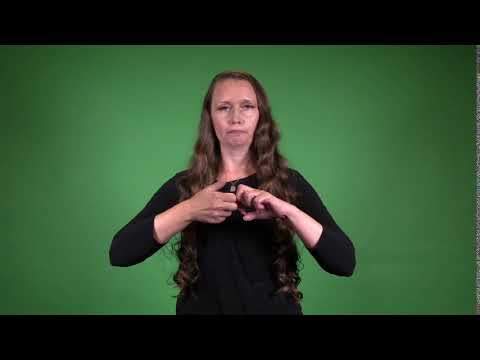
Sign for SLEEP PROBLEMS in ASL | ASL Dictionary

Definition: a disturbance of normal sleep patterns that can affect your quality of life Sign for SLEEP PROBLEMS in ASL
YouTube player

Practice Activities

One of the most effective ways to master the sign for SLEEP PROBLEMS in ASL is through consistent and varied practice. Start with mirror work—stand in front of a mirror and sign slowly to check your facial expressions and hand movements. Since the sign involves a combination of concepts (sleep + difficulty or problem), clarity is key. Record yourself signing to review your progress. Watching your own videos helps you catch small errors in handshape, movement, or non-manual signals. Try signing short sentences using the sign for SLEEP PROBLEMS in ASL, such as “I have sleep problems” or “Do you have trouble sleeping?” Contextual practice strengthens your fluency. Signing in conversation with peers or mentors can build confidence. Use the sign in mock dialogues about health, daily routines, or doctor visits. Advanced learners can engage in drills that shift between related signs quickly—like signing sleep, insomnia, tired, and rest—to sharpen reflexes and deepen understanding.

SEO Cultural Context

Understanding the cultural background of the sign for SLEEP PROBLEMS in ASL will deepen your connection to the language. In Deaf culture, health-related signs are often accompanied by expressive non-manual signals, making communication more vivid and accurate. Signing about personal health, including sleep problems, is common in both casual and medical ASL interactions. The sign for SLEEP PROBLEMS in ASL may vary slightly depending on regional dialects or personal signing preferences. Some signers may use a compound structure that visually conveys “sleep” followed by a sign for “problem” or “struggle.” Others might depict lack of sleep using facial expressions that indicate frustration or fatigue. In Deaf spaces, discussing well-being is a way to build community and empathy. The sign for SLEEP PROBLEMS in ASL is often used in narratives about stress, parenting, or chronic health issues. Recognizing when and how to use this sign respectfully is part of becoming fluent not only in ASL vocabulary but also in Deaf cultural norms.

Extended Definition

The sign for SLEEP PROBLEMS in ASL typically involves combining two distinct signs: the sign for “sleep” and the sign for “problem” or “difficulty.” To sign “sleep,” place your dominant hand near your face with all fingers extended, then gently close the fingers together while moving the hand downward, as if your face is falling asleep. The facial expression should be relaxed. To indicate “problem,” use both hands in bent-V handshapes and alternate them in a tapping motion, showing interaction or conflict. Alternatively, some signers may use the sign for “struggle,” which involves both index fingers in a slightly bent position moving back and forth toward each other. This variation emphasizes ongoing difficulty rather than a single problem. A common error learners make is omitting necessary facial expressions or signing both concepts too quickly, which can make the message unclear. The sign for SLEEP PROBLEMS in ASL relies on clear articulation of both “sleep” and the accompanying issue. Pausing slightly between concepts and using appropriate expressions—such as a furrowed brow—adds emotional clarity.

Tips for Beginners

If you’re just starting to learn the sign for SLEEP PROBLEMS in ASL, remember that practice and patience are essential. Start by mastering the individual components—“sleep” and “problem”—before combining them. Use clear, deliberate movements and focus on your facial expressions to convey meaning effectively. A frequent beginner mistake is to rush through the sign or to use a generic gesture for “problem” that lacks specificity. Try watching fluent signers and mimicking their timing and expressions. You’ll pick up subtle cues that make your signing more natural. Don’t get discouraged if it doesn’t look perfect at first. The sign for SLEEP PROBLEMS in ASL is a layered concept, and it takes time to coordinate handshape, movement, and non-manual markers. Celebrate small wins—like getting the handshape right or matching the rhythm of the sign—and keep building from there.

Connections to Other Topics

The sign for SLEEP PROBLEMS in ASL is closely related to several other signs and themes in American Sign Language. One important connection is the sign for “tired.” This sign involves both hands in a curved shape dropping from the chest, and it’s often used in conversations about exhaustion or lack of rest. Another related sign is “insomnia.” While not a separate lexical sign in ASL, insomnia is often expressed through a combination of signs: “sleep” + “can’t” or “not.” This mirrors the structure of the sign for SLEEP PROBLEMS in ASL and reinforces the concept of combining signs to convey complex ideas. The sign for “stress” also connects thematically. Many conversations about sleep problems include mentions of emotional or mental stress. The stress sign, made by placing clawed hands on the shoulders and pressing down, adds context to why sleep may be disturbed. “Night” and “routine” are useful companions as well. These signs help learners build full sentences, such as “My night routine is bad because I have sleep problems.” Learning these related signs will improve your ability to discuss daily life and personal well-being in ASL. Lastly, the concept of “health” is often discussed alongside the sign for SLEEP PROBLEMS in ASL. Whether talking to a doctor or a friend, being able to explain how sleep impacts your health is vital. The sign for “health” involves an open-handed gesture pulled toward the chest, symbolizing well-being.

Lengthy Summary

The sign for SLEEP PROBLEMS in ASL is a powerful tool for expressing a common and important health concern. It combines the visual clarity of the “sleep” sign with the conceptual depth of “problem” or “struggle,” using facial expressions and hand movements to communicate effectively. By practicing in front of a mirror, recording your signing, using the sign in real-life contexts, and advancing to drilling with related signs, you build fluency and confidence. Cultural understanding enhances your use of this sign. Knowing when and how the sign for SLEEP PROBLEMS in ASL is used in the Deaf community helps you respect the norms and engage more authentically. Regional variations may lead to slight differences in how the sign is formed, but the core meaning remains consistent across most ASL users. Beginners often struggle with timing, handshape, or facial expression. Focusing on each element separately and then bringing them together will make your sign more accurate. Small, consistent practice sessions are more effective than long, infrequent ones. Don’t be afraid to make mistakes—each error is a learning opportunity. Building your vocabulary with related signs like tired, insomnia, stress, night, and health will make your signing more fluent and nuanced. These connections expand your ability to talk about sleep, routines, and well-being in a way that feels natural and accurate. The sign for SLEEP PROBLEMS in ASL is more than just a vocabulary word—it’s a window into expressing self-care, health issues, and personal storytelling in the Deaf community. Keep practicing, stay curious, and remember that every sign you learn brings you one step closer to fluency. Keep signing and learning—your journey in ASL is just beginning Synonyms: sleep disorders, insomnia issues, difficulty sleeping, restless sleep, disrupted sleep Educational resources: Find related learning materials in our course bank! Want more? Check out some of our popular learning activities on the homepage! Need to look up a sign? Use our highly rated dictionary: https://aslinteractive.com/best-asl-dictionary/ Follow us on tiktok: https://www.tiktok.com/@aslinteractive. More social media links at the bottom of this page! Long-tail Keywords: what is the sign for sleep problems in ASL, how do you sign sleep problems in ASL, ASL sign for sleep problems Categories: tags: sleep-related signs, health and wellness in ASL, mental health vocabulary in ASL, bedtime routine signs, ASL for sleep disorders

Want more? Check out some of our popular learning activities!

ASL Interactive Resources

ASLInteractive YouTube Channel

Follow us on tiktok: @aslinteractive.com

Follow us on Instagram: aslinteractive

Facebook page: aslinteractive

Facebook group: aslinteractive

LInkedIn: ASL Interactive LLC

Twitter: @ASL_interactive

*Some information on this page is AI-generated. AI can make mistakes. Please check the information.  

Responses