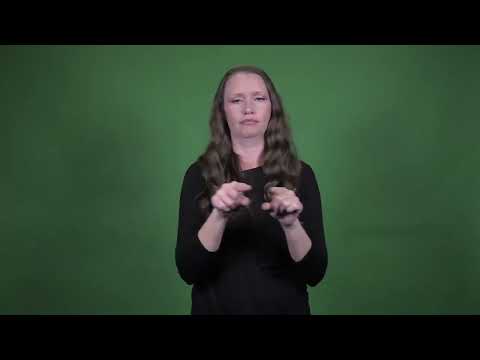
Sign for STOP SIGN in ASL | ASL Dictionary

Definition: A traffic sign that instructs drivers to stop. Sign for STOP SIGN in ASL
YouTube player

Practice Activities

Learning the sign for STOP SIGN in ASL requires deliberate and consistent practice. One of the most effective methods is mirror work. Stand in front of a mirror and sign slowly while watching your handshape and movement to ensure clarity and precision. This helps reinforce muscle memory and builds confidence in your expressive skills. Another helpful practice activity is recorded signing. Use your phone or webcam to record yourself performing the sign for STOP SIGN in ASL. Playback allows you to self-correct handshape, movement, and facial expressions. Compare your signing with a fluent signer or an ASL video dictionary to identify areas for improvement. Signing in context is crucial. Create full sentences using the sign for STOP SIGN in ASL. For example, you might sign, “CAR STOP SIGN SEE” or “CHILD RUN STREETS STOP SIGN WARNING.” This helps integrate the sign into a meaningful linguistic and situational context. Advanced learners can develop fluency by practicing drills that alternate between similar signs. Switch quickly between STOP, GO, SLOW, and other traffic-related signs to build speed and accuracy. Use flashcards or sign with a partner to simulate real-life conversation or storytelling involving road safety. Group practice sessions also build skill and confidence. Join an ASL class or language meetup where you can use the sign for STOP SIGN in ASL in interactive games or role-playing activities. Practicing with others helps reinforce proper grammar, pacing, and cultural norms.

SEO Cultural Context

The sign for STOP SIGN in ASL is deeply embedded in everyday life and has cultural relevance in both Deaf and hearing communities. Road signs are critical for public safety, and the ability to recognize and sign traffic-related vocabulary is essential for clear communication. In Deaf culture, visual cues like traffic signs carry heightened importance since auditory alerts like honking may not be perceived. In ASL, the sign for STOP SIGN in ASL is often constructed by combining the sign STOP followed by either a depiction of the actual sign shape or a classifier to represent the object. This reflects ASL’s visual-spatial grammar and classifier system, which allows signers to show size, shape, and placement. In some cases, Deaf signers may use fingerspelling for “S-T-O-P S-I-G-N” when clarity is needed, particularly in legal or instructional contexts. Regional variations can affect how people sign STOP SIGN. Some communities might emphasize the shape of the octagonal sign, while others rely more heavily on the general traffic-related context. These differences are accepted within the Deaf community, and understanding them fosters respectful communication. The sign is commonly used in driving lessons, interpreting situations, and community safety discussions. It is also used metaphorically in ASL poetry and storytelling to represent barriers, abrupt changes, or warnings, showing the flexibility and richness of the sign for STOP SIGN in ASL within Deaf cultural expression.

Extended Definition

The sign for STOP SIGN in ASL is typically derived from the base sign STOP. This sign is made by placing one non-dominant hand flat, palm up, and bringing the dominant hand down in a chopping motion across the palm. This motion mimics an abrupt halt and clearly conveys the concept of stopping. To express STOP SIGN specifically, this base sign is often followed by a depiction of the sign’s shape. You might trace an octagon in the air or use a classifier to indicate the presence of a road sign. Some advanced signers may depict its placement at a street corner using spatial referencing. In formal settings, fingerspelling “S-T-O-P S-I-G-N” may be used, especially when teaching or clarifying terminology. A common mistake is to overuse fingerspelling when a conceptual sign would be clearer. Beginners may also confuse STOP with similar directional signs or fail to use facial expressions appropriately. Facial grammar is essential in ASL; a serious or alert expression reinforces the urgency of the sign for STOP SIGN in ASL. Additionally, it’s important to note the context. If you are discussing a literal road sign, using a classifier to represent its position and shape enhances understanding. If you are using the sign metaphorically, such as to signify a boundary or emotional limit, your facial expressions and body language should reflect that tone.

Tips for Beginners

For learners just starting out, mastering the sign for STOP SIGN in ASL can feel intimidating, but it’s a manageable and rewarding task. Begin by focusing on the base sign STOP. Practice the handshape and motion slowly, ensuring that your dominant hand comes down firmly onto your palm. This movement should be clean and intentional, not rushed. Pay close attention to facial expressions. The sign for STOP SIGN in ASL often carries emotional weight—urgency, caution, or command. Practice looking serious or alert while signing to convey the appropriate tone. Record yourself or ask a fluent signer to give feedback. Avoid the common error of using the wrong handshape or making the motion too softly. A weak sign can appear unclear or hesitant. Consistency is key, so try practicing daily, even for just a few minutes. Gradually incorporate the sign into sentences. Use simple sentences first, like “STOP SIGN THERE” or “SEE STOP SIGN.” Over time, build longer narratives or engage in role-play scenarios that involve driving, safety, or navigation. Don’t be afraid to exaggerate movements slightly at first to build muscle memory. With time and repetition, your signing will become more natural and fluent. Remember, making mistakes is part of the learning process—what matters most is your willingness to keep practicing.

Connections to Other Topics

The sign for STOP SIGN in ASL connects naturally to a range of other signs and concepts. One key related sign is GO. These two signs are often used together in discussions about driving, directions, or movement. Practicing the contrast between STOP and GO helps reinforce both vocabulary and grammatical structure. Another related sign is TRAFFIC. This sign is often used in conjunction with the sign for STOP SIGN in ASL when discussing road conditions, city planning, or daily commutes. Learning TRAFFIC provides valuable context and expands your ability to discuss transportation topics. The sign for ROAD or STREET also closely links with STOP SIGN. These signs allow you to build more complex visual narratives and describe specific locations or obstacles. A more advanced connection is the use of classifiers to show vehicles stopping at or near a STOP SIGN. Classifiers allow you to describe cars, bikes, or pedestrians in relation to signs and other objects, adding visual richness and specificity to your signing. Finally, the sign for WARNING is conceptually related. Both signs convey caution and alertness. Using them together can help you construct messages about safety, rules, and behavior in public spaces. Pairing these signs builds a deeper understanding of how ASL expresses layered meaning through both movement and facial expression.

Lengthy Summary

The sign for STOP SIGN in ASL is more than just a literal representation of a road sign—it is a functional, flexible, and culturally significant element of American Sign Language. At its core, this sign builds from the base sign STOP, enhanced by contextual elements like shape depiction, classifiers, and spatial referencing. This mirrors the visual nature of ASL, where meaning is built not only with hand movements but through space, expression, and shared understanding. For learners, practicing the sign for STOP SIGN in ASL through techniques such as mirror work, recorded practice, and contextual use helps reinforce accuracy and fluency. Signing in real-life scenarios, especially those involving road safety or directions, ensures that the sign becomes a natural part of your ASL vocabulary. Understanding the cultural relevance of the sign is equally important. In Deaf culture, visual warnings like STOP SIGNS are crucial, and the sign for STOP SIGN in ASL represents more than just a traffic instruction—it conveys urgency, caution, and the need to pay attention. Whether used literally or metaphorically, this sign reflects the broader values of attentiveness and safety in the community. Beginners are encouraged to approach this sign with curiosity and patience. Mistakes are part of the journey, but regular practice and strategic feedback lead to steady improvement. Connecting the sign for STOP SIGN in ASL to related concepts such as GO, TRAFFIC, ROAD, and WARNING helps learners build a robust and context-rich vocabulary. In summary, the sign for STOP SIGN in ASL is a powerful example of how ASL expresses meaning through layered, visual, and spatial communication. By engaging in thoughtful practice, learning the cultural roots, and connecting this sign to broader themes, learners can deepen their understanding and become more confident signers. Keep practicing, stay inspired, and remember that every new sign you master brings you closer to fluency in ASL Synonyms: stoplight, traffic signal, yield sign, traffic warning, road stop Educational resources: Find related learning materials in our course bank! Want more? Check out some of our popular learning activities on the homepage! Need to look up a sign? Use our highly rated dictionary: https://aslinteractive.com/best-asl-dictionary/ Follow us on tiktok: https://www.tiktok.com/@aslinteractive. More social media links at the bottom of this page! Long-tail Keywords: what is the sign for stop sign in ASL, how do you sign stop sign in ASL, stop sign in American Sign Language Categories: tags: travel signs, street signs in ASL, transportation vocabulary, road safety terms ASL, ASL directions

Want more? Check out some of our popular learning activities!

ASL Interactive Resources

ASLInteractive YouTube Channel

Follow us on tiktok: @aslinteractive.com

Follow us on Instagram: aslinteractive

Facebook page: aslinteractive

Facebook group: aslinteractive

LInkedIn: ASL Interactive LLC

Twitter: @ASL_interactive

*Some information on this page is AI-generated. AI can make mistakes. Please check the information.  

Responses