Practice Activities
To master the sign for TECHNOLOGY-RELATED in ASL, consistent and varied practice is essential. Start by practicing in front of a mirror to observe your handshape, movement, and facial expressions. Mirror work helps you gain self-awareness and improve your accuracy in producing the sign for TECHNOLOGY-RELATED in ASL. Another effective method is recording yourself signing. Watch the video and compare your production with native signers or reliable ASL resources. Pay close attention to hand orientation, location, and fluidity. This allows you to self-assess and make necessary corrections. Use the sign in real-life context by incorporating it into conversations about digital devices, computer science, or online communication. For example, when discussing careers or hobbies involving technology, naturally include the sign for TECHNOLOGY-RELATED in ASL. This reinforces vocabulary retention and promotes fluency. Advanced learners can create drills that pair the sign for TECHNOLOGY-RELATED in ASL with other related signs. Practice fingerspelling technical terms, then follow with the appropriate ASL sign. You can also participate in virtual meetups or ASL study groups to challenge your receptive and expressive skills in a conversational setting. Role-playing scenarios—such as explaining tech troubleshooting steps or discussing innovation trends—are excellent for applying the sign for TECHNOLOGY-RELATED in ASL in dynamic, real-world settings. The more you engage with the sign in diverse formats, the more natural it will become.
SEO Cultural Context
In the Deaf community, the sign for TECHNOLOGY-RELATED in ASL carries important cultural and practical significance. Technology plays a vital role in Deaf culture by enhancing access to communication, education, and social interaction. Because of this, discussing tech-related topics in ASL is both common and necessary. The sign for TECHNOLOGY-RELATED in ASL may show regional variation, especially between older and younger signers or in different parts of the U.S. Some may use a compound sign combining “TECHNOLOGY” and the non-manual marker for “RELATED,” while others may favor a more streamlined version based on context. It’s important to be open to these variations and understand the cultural context in which they’re used. In Deaf culture, technology is often associated with empowerment—such as through videophones, captioning, and Deaf-friendly apps. The sign for TECHNOLOGY-RELATED in ASL allows for seamless discussion of these tools and their impact. When used correctly, the sign demonstrates cultural awareness and alignment with current topics within the community. It’s also important to note that clarity and facial expressions matter deeply in ASL. When signing about something technology-related, your facial expressions should reflect the topic’s complexity, excitement, or concern, depending on the context.
Extended Definition
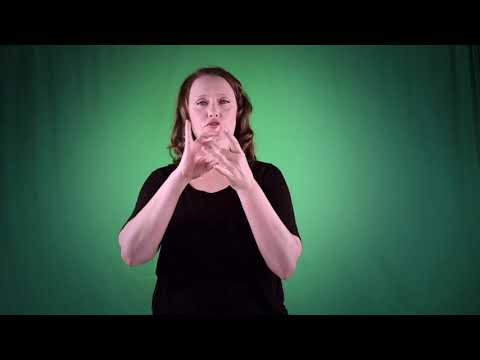
The sign for TECHNOLOGY-RELATED in ASL is typically a compound concept, combining the base sign for “TECHNOLOGY” with an indication of connection or relevance. The base sign for “TECHNOLOGY” usually involves the dominant hand in a bent “5” or modified “X” handshape tapping the side of the non-dominant hand’s open palm or wrist. This motion can vary slightly depending on the signer’s region or age. To make the sign specifically mean “TECHNOLOGY-RELATED,” you might use a movement that connects two things conceptually. This could include a linking gesture, such as interlocking fingers or showing relation through directional movement, depending on the sentence structure. The sign for TECHNOLOGY-RELATED in ASL is not always a single standalone sign but often appears in phrases or classifiers that show relationships. Common errors include using the sign for “COMPUTER” or “INTERNET” in place of “TECHNOLOGY-RELATED,” which can alter the intended meaning. It’s also easy to confuse the handshapes if you’re not paying close attention to detail. Be mindful of the difference between the general sign for “TECHNOLOGY” and the expanded meaning when expressing something as technology-related. Another frequent mistake is dropping the relational aspect of the sign. Without showing the connection—whether through facial grammar or a linking gesture—you risk the meaning becoming vague or incomplete. Always ensure that your sign includes both the technology concept and the idea of relation or relevance.
Tips for Beginners3>
If you’re just starting to learn the sign for TECHNOLOGY-RELATED in ASL, start slowly and break the concept into parts. First, master the sign for “TECHNOLOGY” alone. Then learn how to express relationships or connections in ASL, which will help you build the full phrase naturally. One helpful tip is to watch native signers use the sign for TECHNOLOGY-RELATED in ASL in real conversations. Pay attention to how they transition between related signs and how they use facial expressions to emphasize relationships. This will boost your comprehension and expressive skills. Beginners often forget to include non-manual markers, such as raised eyebrows or context-appropriate facial expressions. These are not optional in ASL; they are essential to conveying meaning. Practice adding these features early so they become second nature. Another common issue is over-signing or trying to create a literal translation from English. Remember that ASL has its own grammar and structure. Instead of thinking in English, try to visualize the concept of something being technology-related and express it using ASL elements. Be patient with yourself. Learning the sign for TECHNOLOGY-RELATED in ASL, like any complex sign, takes time and repetition. Use flashcards, repetition drills, and real-life practice to reinforce your learning and boost your confidence.
Connections to Other Topics
The sign for TECHNOLOGY-RELATED in ASL connects closely with several other important ASL vocabulary areas. For example, the sign for COMPUTER is frequently used in similar contexts. Understanding the difference between these signs helps clarify your message when discussing digital tools or systems. Another related sign is INTERNET, which appears often in discussions about technology. While the internet is a specific aspect of technology, the sign for TECHNOLOGY-RELATED in ASL is broader and more conceptual, allowing you to describe things like tech-based careers, innovations, or educational tools. The sign for SCIENCE is also linked to this topic. Many technology-related fields fall under scientific domains, and knowing how to combine these signs can enhance your ability to describe academic or professional topics clearly. You may also find the sign for ENGINEERING useful, especially when discussing systems, inventions, or mechanical technology. Pairing this with the sign for TECHNOLOGY-RELATED in ASL adds precision when talking about technical roles or projects. Lastly, the sign for ADVANCE or DEVELOP is often used when discussing progress in technology. These signs can be used to describe trends or improvements in tech-related fields, making them valuable companions to the sign for TECHNOLOGY-RELATED in ASL.
Lengthy Summary
The sign for TECHNOLOGY-RELATED in ASL is a dynamic and multifaceted expression that plays a vital role in modern ASL communication. As technology continues to influence every aspect of daily life, being able to discuss it meaningfully and accurately in ASL is essential. This sign allows you to describe not just gadgets or tools, but the broader relevance of technology in areas such as education, communication, business, and entertainment. Culturally, the sign for TECHNOLOGY-RELATED in ASL reflects the Deaf community’s strong relationship with technological innovation. From TTY devices to video relay services, technology has long been tied to accessibility and empowerment. Understanding how to use this sign respectfully and accurately helps bridge communication gaps and shows cultural awareness. For learners at every level, practice is key. Whether you’re using mirror work, video recordings, or immersive context-based practice, reinforcing the sign through repetition and variation is crucial. Beginners should focus on each component of the phrase and avoid direct translations from English. Advanced learners can challenge themselves with expressive drills and real-world usage. The sign for TECHNOLOGY-RELATED in ASL connects seamlessly to a wide range of related vocabulary, including signs like COMPUTER, INTERNET, SCIENCE, ENGINEERING, and DEVELOP. Mastering these connections enhances your ability to talk about current events, academic topics, or professional experiences in ASL with greater clarity and depth. As you continue your journey in ASL, remember that fluency is more than just memorizing signs—it’s about understanding their meaning, cultural context, and expressive potential. Keep practicing the sign for TECHNOLOGY-RELATED in ASL daily, observe how native signers use it, and apply it in your conversations. With time, you’ll gain confidence and fluency in discussing modern, tech-centered topics in American Sign Language Synonyms: cutting-edge, modern, advanced, high-tech, innovative Educational resources: Find related learning materials in our course bank! Want more? Check out some of our popular learning activities on the homepage! Need to look up a sign? Use our highly rated dictionary: https://aslinteractive.com/best-asl-dictionary/ Follow us on tiktok: https://www.tiktok.com/@aslinteractive. More social media links at the bottom of this page! Long-tail Keywords: what is the sign for technology-related in ASL, how do you sign technology-related in ASL, ASL sign for technology-related Categories: tags: technology signs, tech-related vocabulary in ASL, American Sign Language for technology, technology terms in ASL, ASL dictionary tech-related signs
Want more? Check out some of our popular learning activities!
ASL Interactive Resources
ASLInteractive YouTube Channel
Follow us on tiktok: @aslinteractive.com
Follow us on Instagram: aslinteractive
Facebook page: aslinteractive
Facebook group: aslinteractive
LInkedIn: ASL Interactive LLC
Twitter: @ASL_interactive
*Some information on this page is AI-generated. AI can make mistakes. Please check the information.
Responses