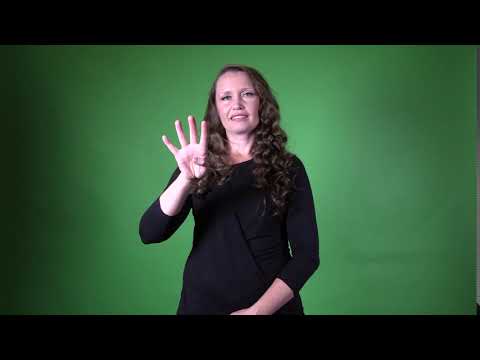
Sign for THE NUMBER 24 in ASL | 🔢 ASL Dictionary

Definition: Refers to the number twenty-four

Sign for THE NUMBER 24 in ASL 

YouTube player

Practice Activities:

Practicing the sign for the number 24 in ASL can help build fluency with numbers. Start by signing the number 24 in front of a mirror to check your hand positioning. Then, practice signing it repeatedly with both your dominant and non-dominant hand to strengthen coordination.

Incorporate the sign for the number 24 in ASL into counting exercises. Count from 20 to 30, making sure to pause and emphasize 24. Try signing it backward from 30 down to 20 to reinforce recognition of the number.

Use the sign for the number 24 in ASL in daily activities. For example, sign the number when referring to prices, addresses, or ages. Ask a friend or practice partner to quiz you by saying a number randomly and responding by signing it.

Create example sentences using 24 to enhance contextual understanding. Try sentences like “I have 24 books” or “Today is the 24th of the month.” Challenge yourself to sign these sentences fluidly without hesitation.

Engage in a storytelling activity where you describe a scenario that includes the number 24. For instance, tell a short story about a person celebrating their 24th birthday or mention 24 objects in a room. This will reinforce the use of the sign naturally.

Practice recognizing 24 in ASL when watching sign language videos or in real conversations. When you see a signer use this number, pause and copy their movements to improve accuracy. Repetition will help build confidence and mastery over time.

Cultural Context:

In American Sign Language, the sign for the number 24 in ASL follows the standard conventions for signing numbers. This sign is made using a combination of handshapes and movement to clearly indicate the number. Numbers play a crucial role in everyday ASL conversations, from giving phone numbers to telling ages.

The number system in ASL is deeply embedded in Deaf culture and communication. The sign for the number 24 in ASL is part of the larger numerical system that allows signers to express complex ideas efficiently. Mastering number signs is essential for both beginners and fluent signers to ensure smooth and natural conversations.

In Deaf communities, signing numbers correctly is an important skill, especially in formal settings like education and business. The sign for the number 24 in ASL is used when discussing dates, measurements, or even sports scores. Accuracy in number signs helps avoid confusion and maintains clarity in conversations.

ASL numbers have unique movements that differ from other signed languages around the world. The sign for the number 24 in ASL has a fluid transition that makes it easily recognizable. Each number in ASL follows a systematic pattern, which helps signers quickly learn and use them in everyday communication.

Understanding the sign for the number 24 in ASL is useful beyond just counting. Numbers are commonly used in storytelling, poetry, and cultural expressions within the Deaf community. Learning how to sign numbers correctly enhances both comprehension and fluency in ASL.

Many ASL learners find number signs to be both fun and challenging. The sign for the number 24 in ASL follows a logical structure, making it easier to remember with practice. Being able to sign numbers smoothly improves overall signing skills and communication speed.

Technology has made learning ASL more accessible than ever before. Video tutorials, online dictionaries, and interactive lessons can help learners master the sign for the number 24 in ASL. Consistent practice with native signers also helps improve accuracy and confidence.

When using ASL in professional or educational settings, knowing how to sign numbers correctly is crucial. The sign for the number 24 in ASL might come up in academic discussions, workplace meetings, or financial transactions. Clear communication ensures that numbers are understood without confusion or misinterpretation.

Deaf culture values clarity and precision in ASL, especially when it comes to numbers. The sign for the number 24 in ASL, like other number signs, follows standardized handshapes recognized in the Deaf community.

Extended Definition:

The sign for the number 24 in ASL is a combination of two handshapes that represent the digits 2 and 4. American Sign Language uses a fluid motion to transition between the two numbers, making it easy to recognize and understand. This number is commonly used in daily life, whether discussing age, time, or counting objects.

To form the sign for the number 24 in ASL, start by holding up the number 2 with your palm facing outward. Then, smoothly transition to the number 4 by spreading out your fingers. This movement should be quick yet clear to ensure proper communication in conversations.

The number 24 frequently appears when talking about dates, anniversaries, or specific times. In ASL, numbers are an essential part of communication, allowing signers to discuss timeframes, quantities, and measurements. Mastering the sign for the number 24 in ASL helps enhance fluency when expressing numerical concepts.

When learning to sign numbers, handshape transitions are crucial for accuracy. Practicing the sign for the number 24 in ASL with controlled movements will help improve signing skills. Finger dexterity and hand positioning play a major role in ensuring clarity.

This number can be used in various contexts, including sports, business, and education. Athletes often wear 24 as a jersey number, making it a commonly referenced figure. Knowing how to sign it correctly ensures effective and natural communication.

Sign variations can exist based on regional dialects or personal signing styles. However, the standard way to sign the number 24 in ASL remains widely understood across different ASL communities. Watching native signers and practicing consistently will help reinforce accuracy.

Numbers in ASL follow a structured pattern, making them easier to learn once foundational concepts are understood. The sign for the number 24 in ASL follows the same logic as other two-digit numbers, ensuring consistency in signing. Recognizing number patterns helps streamline communication and reduce misunderstandings.

Like other ASL numbers, 24 is often included in addresses, prices, and schedules. Being able to sign the number 24 in ASL correctly improves confidence in using numbers in real-world situations. This skill is essential for both casual and formal signing environments.

Using facial expressions along with number signs can enhance meaning in ASL conversations. While signing the number 24, maintaining appropriate facial expressions can add context to the discussion. Expressing emotions or emphasis while signing ensures better communication and engagement.

AS

Synonyms: twenty-four, number twenty-four, number 24, the number 24, the number twenty-four

Educational resources: Find related learning materials in our course bank!

Want more? Check out some of our popular learning activities on the homepage!

Need to look up a sign? Use our highly rated dictionary: https://aslinteractive.com/best-asl-dictionary/

Follow us on tiktok: https://www.tiktok.com/@aslinteractive. More social media links at the bottom of this page!

Long-tail Keywords: What is the sign for the number 24 in ASL, How do you sign the number 24 in American Sign Language, Learn to sign the number 24 in ASL

Categories: Numbers – Basics, Numbers 21-30, cardinal numbers

tags: Numbers 21-30, Numbers, Language Learning, Math, Education

Parameters

*Handshape*:

The sign for the number 24 in ASL uses a two-part handshape. Begin by forming the “L” handshape with your dominant hand, extending the index finger and thumb while the other fingers remain curled. Then, transition into the “4” handshape, extending the index, middle, ring, and pinky fingers while keeping the thumb tucked. This smooth motion ensures clarity and accuracy when signing the number. Mastering the sign for the number 24 in ASL helps improve fluency.

*Palm Orientation*:

The palm orientation for the sign for the number 24 in ASL begins with the palm facing outward. The signer first forms the number 2 with the index and middle fingers extended while the thumb, ring, and pinky fingers remain closed. The hand then transitions smoothly into the number 4 by extending all fingers except the thumb while maintaining outward palm orientation. This visible change ensures clarity when signing the number sequentially.

*Location*:

The sign for the number 24 in ASL is produced in the neutral space in front of the chest. It begins with the palm facing outward while forming the number 2 with the index and middle fingers extended. The hand then transitions into the number 4 by extending the ring finger and pinky while keeping the thumb out. This movement happens smoothly in a single motion, maintaining a clear and natural transition.

*Movement*:

To produce the sign for the number 24 in ASL, begin with your dominant hand in the “L” handshape, with the thumb and index finger extended while the other fingers remain folded. Face the palm outward. Quickly transition by closing the index finger while simultaneously extending the middle finger, forming the number “4” shape. The movement is fluid and smooth, ensuring clarity. Keep your hand steady, with minimal wrist motion.

*Non-Manual Signals*:

When signing the sign for the number 24 in ASL, maintain a neutral or slightly focused facial expression. Your eyebrows should remain relaxed since this is a standard numerical sign. Keep your gaze directed slightly toward the dominant hand displaying the number for clarity. If using the sign for emphasis, slightly raise your eyebrows or tilt your head to add nuance. Avoid excessive movement, ensuring the sign remains clear and legible.

*Prosody, Dominant/Non-Dominant Hand*:

The sign for the number 24 in ASL uses the dominant hand. Start with the “2” handshape, where the index and middle fingers are extended while the other fingers remain closed. Then, transition smoothly into the “4” handshape by extending the ring finger and pinky. The motion is fluid, with the fingers moving naturally from one shape to the next without pause. Keep the palm facing outward throughout the movement for clarity.

Tips for Beginners:

When learning the sign for the number 24 in ASL, focus on maintaining a steady handshape and smooth transitions. The number 24 is a combination of two movements, starting with the “2” handshape and smoothly changing to the “4” handshape. Accuracy in both handshapes is essential, so practice forming each number distinctly to keep the sign clear.

One common mistake beginners make with the sign for the number 24 in ASL is rushing the transition between the two handshapes. Instead of an abrupt change, the shift should be fluid and natural. Avoid tightening your fingers too much, as this can make the sign look rigid or difficult to distinguish from other numbers.

When forming the “2” handshape, extend only your index and middle fingers while keeping your other fingers tucked into your palm. As you transition to “4,” extend your ring finger and pinky while keeping the thumb slightly out. Keep your palm facing outward to ensure clarity, as the correct palm orientation is crucial in number signs.

Hand positioning and angle are important for visibility when signing numbers in ASL. The sign for the number 24 in ASL should be positioned at chest level and slightly tilted outward. If the sign is too low or at an awkward angle, it may not be easily recognized by your conversation partner.

Practicing in front of a mirror can help with consistency in forming the correct handshapes. You can also record yourself signing numbers to check for smooth transitions. Repeating number sequences, like counting from 20 to 30, will reinforce muscle memory, helping the sign for the number 24 in ASL become second nature. Stay patient and take your time, as mastering number transitions will improve your overall fluency in ASL.

Connections to Other topics:

The sign for the number 24 in ASL connects to other number signs in how it follows the typical pattern for forming numbers in the twenties. It starts with the number 2 handshape and transitions into the number 4, following the same structure as signs for 21 through 29. Understanding this pattern helps learners quickly recognize and produce numbers in the twenties with fluency.

Numbers in ASL are critical for many everyday situations, such as telling time, expressing ages, discussing years, and giving addresses or prices. The sign for the number 24 in ASL is often used when stating someone’s age or referring to a specific date. It’s also frequently used in educational and professional settings when dealing with data, measurements, or statistics.

This sign relates to ASL classifiers that involve numbers, such as listing classifiers that organize information into numbered points. In storytelling or lectures, listing classifiers help presenters structure points clearly, and the sign for the number 24 in ASL can be part of that organization. Additionally, fingerspelled words sometimes incorporate numbers, such as abbreviations like “B24” for business names or ticket numbers.

The handshape transition in this sign is important for developing fluidity when signing multi-digit numbers. Practicing the shift from 2 to 4 can help with signing other numbers smoothly, reinforcing overall number proficiency in ASL. The movement and handshape used in the sign for the number 24 in ASL also appear in other signs, making it a useful building block for mastering numerical signs in the language.

Summary:

The sign for the number 24 in ASL follows a two-part movement that is common in number signs. It starts with the hand forming the “2” shape, using the index and middle fingers extended while the other fingers stay curled into the palm. The thumb is tucked against the palm or lightly extended outward, depending on regional variation.

Next, the hand transitions smoothly into the number “4” shape. This involves extending the index, middle, ring, and pinky fingers while keeping the thumb folded against the palm. The transition between “2” and “4” is fluid, often performed with a slight wrist movement.

The sign for the number 24 in ASL showcases ASL’s efficiency in conveying numerical information. Unlike spoken languages that require multiple syllables for “twenty-four,” ASL expresses the concept with just one hand. This visual clarity is crucial in both casual and formal signing contexts.

In ASL numbering, numbers in the twenties often follow a predictable pattern. Many numbers in this range blend the base “2” handshape with a second digit handshape. This consistency aids in memory and fluency when expressing numerical values quickly.

Numbers in ASL often carry cultural significance in ways that spoken language users may not expect. The sign for the number 24 in ASL may be used in everyday references like addresses, sports statistics, or calendar dates. In some conversations, the signer’s speed and fluency impact how easily the number is understood.

Number signs in ASL can vary slightly between different regions and signing communities. Some older signers or signers from different regions might modify the wrist movement or the pacing of each number’s transition. These subtle variations still align with the overall linguistic structure of ASL numbers.

The sign for the number 24 in ASL is an example of ASL’s numerical system following a predictable and ergonomic pattern. These number signs prioritize ease of movement and visual clarity. The shift between digits ensures that numbers can be communicated quickly without excessive hand strain.

ASL learners often struggle with learning number sequences fluently. Practicing smooth transitions between numbers, like in the sign for the number 24 in ASL, builds confidence in signing larger numbers. Mastery of number sequences improves overall fluency in ASL conversations.

Numbers in ASL also follow grammatical rules unique to sign language structure. The placement and repetition of a number sign can modify its meaning. For example, the sign for the number 24 in ASL might be repeated or shifted to indicate ranking, quantity, or order.

Number incorporation is another fascinating aspect of ASL. Some signs, such as age or time-related signs, integrate numerical handshapes into a single motion. While the sign for the number 24 in ASL doesn’t follow number incorporation rules, it appears frequently in quantified expressions.

ASL’s numerical system is visually distinct from English’s spoken-number system. The efficiency of signs like the sign for the number 24 in ASL reduces confusion and promotes quick recognition. This clarity becomes especially useful in situations requiring precise communication, such as financial transactions or sports statistics.

In ASL, number signs must be clearly articulated to prevent misunderstandings. Poor hand positioning in the sign for the number 24 in ASL can result in it being mistaken for a different number. Signers must be conscious of handshape accuracy, primarily when fingers extend or curl in rapid succession.

Numbers play a significant role in deaf culture, particularly in education, sports, and storytelling. A number like 24 may hold special meaning in personal or historical contexts. Athletes, birthdays, or significant historical events often embed numbers into broader ASL discourse.

ASL storytelling often incorporates numerical descriptions to enhance narratives. The sign for the number 24 in ASL might appear in a personal anecdote, date-based story, or discussion about a countdown. Fluent signers strategically use numbers to maintain rhythm and clarity in their storytelling.

Sports and team-related discussions frequently involve specific numbers. The sign for the number 24 in ASL might reference a player’s jersey number, a score, or a countdown during a game. Numbers in ASL sports commentary are frequently signed with emphasis and precision to maintain clarity.

The precision of numerical signs is essential in the education system. Deaf students learning math in ASL rely on clear number signs to understand equations and word problems. Teachers and interpreters often emphasize correct signing techniques for numbers like the sign for the number 24 in ASL to ensure comprehension.

Numbers in ASL also play an important role in business and commerce. Clearly signing numbers is essential in financial transactions, negotiations, and pricing discussions. The sign for the number 24 in ASL might be used in contexts such as discussing sale prices or calculating totals during transactions.

Technology has also influenced ASL number usage. Video chats, online educational content, and signing in virtual meetings require signers to ensure their numbers are legible on screen. Proper camera framing and hand position can improve visibility when signing numbers such

Want more? Check out some of our popular learning activities!

ASL Interactive Resources

ASLInteractive YouTube Channel

Follow us on tiktok: @aslinteractive.com

Follow us on Instagram: aslinteractive

Facebook page: aslinteractive

Facebook group: aslinteractive

LInkedIn: ASL Interactive LLC

Twitter: @ASL_interactive

*Some information on this page is AI-generated. AI can make mistakes. Please check the information.

Sign for THE NUMBER 24 in ASL 

Responses