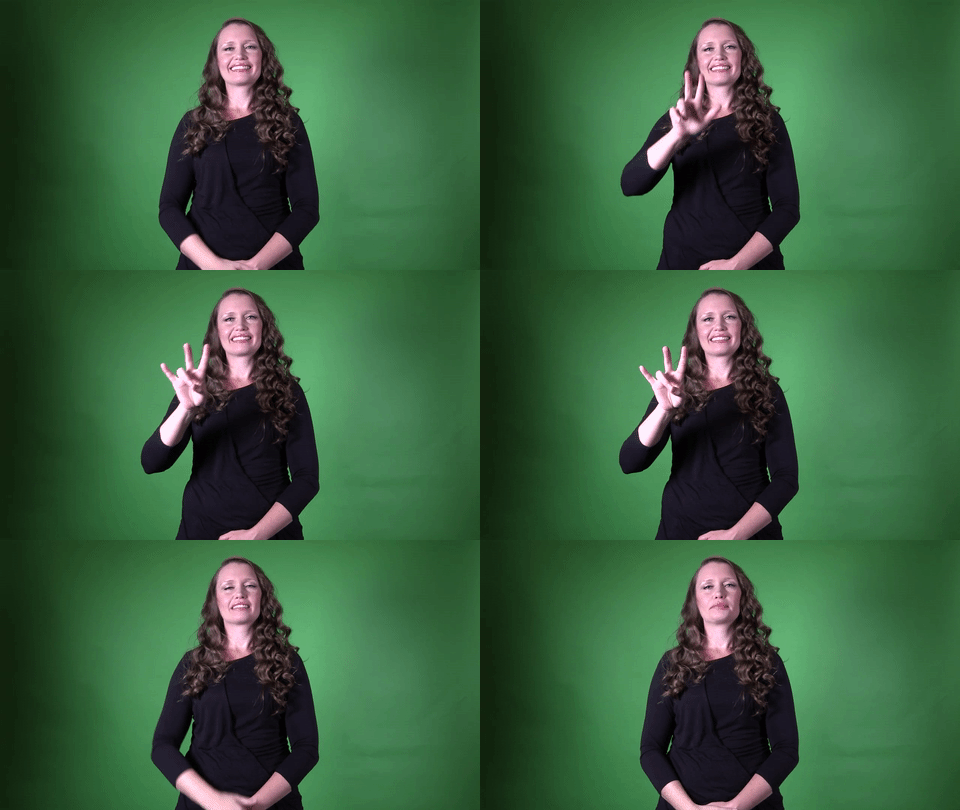
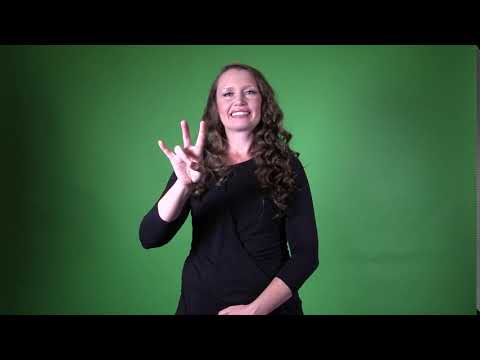
Definition: Refers to the number thirty-seven
Sign for THE NUMBER THIRTY-SEVEN in ASL

Practice Activities:
To practice the sign for the number thirty-seven in ASL, begin by signing it repeatedly in isolation. Hold your dominant hand in front of you and smoothly transition from the three-handshape to the seven-handshape. Make sure your fingers are clearly transitioning to reinforce accuracy. Try signing the number with both hands separately to improve coordination.
Next, practice incorporating the sign for the number thirty-seven in ASL into counting sequences. Count from thirty to forty, emphasizing thirty-seven as you reach it. You can also mix numbers randomly, such as signing thirty-five, thirty-seven, and thirty-nine, to build recognition and fluency.
Use example sentences to reinforce understanding. Try signing “I have thirty-seven dollars,” or “There are thirty-seven students in the class.” Say a number out loud, then sign it, or have a friend say a number for you to sign. This helps improve your ability to recall the sign quickly in conversation.
For a storytelling activity, create a fictional scenario where the number comes up naturally. For instance, describe a person who is thirty-seven years old, a race where someone finishes in thirty-seventh place, or an event that happened thirty-seven years ago. This strengthens the ability to use the sign for the number thirty-seven in ASL in real-world contexts.
Engage in partner activities such as number guessing games. One person fingerspells a multiple-choice question with numbers, and the other signs the correct answer. Another fun practice method is a speed drill where a partner calls out numbers randomly, and you quickly sign each one. Practicing with a partner ensures smooth transitions and improves confidence with numerical signs.
Cultural Context:
The sign for the number thirty-seven in ASL is a combination of distinct number handshapes, smoothly transitioning from three to seven. Numbers are an essential part of American Sign Language, used in daily conversation for counting, addresses, phone numbers, and more. Understanding number signs enhances communication and fluency in ASL.
The sign for the number thirty-seven in ASL follows the standard number system used by the Deaf community in North America. It differs from the way numbers are expressed in spoken languages, using clear, visual handshapes instead of vocal sounds. Mastering number signs helps signers engage confidently in discussions involving age, dates, money, and measurements.
In Deaf culture, numbers play an important role in sharing information accurately and efficiently. The sign for the number thirty-seven in ASL is often used when discussing prices, listing items, or giving addresses. Fluent signers use smooth transitions between handshapes to maintain clarity and natural flow.
Learning the sign for the number thirty-seven in ASL is beneficial not only for Deaf individuals but also for interpreters, teachers, and ASL students. Numbers are a core aspect of everyday conversation in schools, workplaces, and public services. Consistently practicing number signs increases signing speed and comprehension.
The structure of the sign for the number thirty-seven in ASL follows a logical pattern similar to other two-digit number signs. It relies on finger dexterity and hand positioning to ensure accurate representation. Watching native signers or ASL videos can help learners perfect the movements and improve their number signing skills.
Many ASL learners find numbers challenging at first, but with regular practice, recognizing and signing numbers becomes second nature. The sign for the number thirty-seven in ASL is frequently used when discussing sports scores, statistics, or addresses. Being comfortable with number signs allows for smoother and more efficient conversations.
The Deaf community values clarity in communication, making precise number signing essential. The sign for the number thirty-seven in ASL, like other number signs, must be performed with the correct handshape and palm orientation. Clear and accurate number signing helps avoid misunderstandings in both formal and casual settings.
When signing the number thirty-seven in ASL, keeping the movements fluid is key. Rapid and choppy transitions may cause confusion, especially for new ASL learners. Practicing with fluent signers or watching ASL dictionaries can help learners develop confidence in signing numbers easily and naturally.
ASL numbers, including the sign for the
Extended Definition:
The sign for the number thirty-seven in ASL is formed using a combination of two handshapes. The movement smoothly transitions from “3” to “7,” making it a fluid and natural part of ASL number signs. This sign follows the standard convention for signing two-digit numbers in American Sign Language.
Understanding the sign for the number thirty-seven in ASL requires familiarity with ASL numbers from 1 to 10. Since thirty-seven is a two-digit number, the signer must first display the “3” handshape, followed by the “7” handshape. The transition between these numbers should be clear and precise to ensure proper understanding.
Numbers are frequently used in ASL for telling time, giving addresses, and specifying ages. The sign for the number thirty-seven in ASL might come up in everyday conversations when discussing prices, measurements, or quantities. Practicing number signs regularly helps in improving fluency and accuracy.
ASL numbers follow a specific pattern, and mastering them ensures clarity in communication. The sign for the number thirty-seven in ASL is part of the broader series of number signs used consistently in different contexts. Learning these signs correctly can enhance overall ASL comprehension.
Handshape and movement are crucial when signing numbers. If the number is signed too quickly or without the proper handshape transition, it may be misinterpreted. The sign for the number thirty-seven in ASL should be practiced in front of a mirror or with a fluent signer to confirm accuracy.
For beginners, remembering number signs can be challenging. Breaking them down into smaller segments and practicing consistently will help in memorizing them effectively. The sign for the number thirty-seven in ASL, along with other numbers, is essential for effective communication.
ASL is a visual language, and number signs play an important role in daily communication. Whether for school, shopping, or appointments, knowing how to sign numbers correctly eliminates confusion. The sign for the number thirty-seven in ASL is one of many necessary number signs to master.
When fingerspelling or signing numbers, maintaining hand positioning and smooth transitions is essential. A slight mistake in handshape or movement could change the meaning of the number. The sign for the number thirty-seven in ASL is a simple yet fundamental part of everyday ASL interactions.
Practicing commonly used numbers helps in building confidence in ASL conversations. The sign for the number thirty-seven in ASL follows a natural sequence and can be learned through repetition
Synonyms: thirty-seven, number thirty-seven, number 37, the number 37, the number thirty-seven
Educational resources: Find related learning materials in our course bank!
Want more? Check out some of our popular learning activities on the homepage!
Need to look up a sign? Use our highly rated dictionary: https://aslinteractive.com/best-asl-dictionary/
Follow us on tiktok: https://www.tiktok.com/@aslinteractive. More social media links at the bottom of this page!
Long-tail Keywords: what is the sign for the number thirty-seven in ASL, how do you sign the number thirty-seven in ASL, learn how to sign the number thirty-seven in American Sign Language
Categories: Numbers – Basics, Numbers 31-40, cardinal numbers
tags: Numbers 31-40, Numbers, Math, Educational, Language Learning
Parameters
*Handshape*:
The sign for the number thirty-seven in ASL uses a fluid motion between two distinct handshapes. Start with the number three handshape, where the thumb, index, and middle fingers are extended while the ring and pinky fingers are folded down. Transition smoothly to the number seven handshape by bringing the ring finger down to touch the thumb while the index and middle fingers remain extended. This movement makes the sign for the number thirty-seven in ASL visually clear and precise.
*Palm Orientation*:
The palm orientation for the sign for the number thirty-seven in ASL faces outward, with the palm directed toward the viewer. The fingers transition smoothly from the number three to the number seven without changing the hand’s position. Throughout the movement, the palm remains consistently outward, ensuring clarity when performing the sign for the number thirty-seven in ASL.
*Location*:
The sign for the number thirty-seven in ASL is located in the neutral signing space in front of the signer’s chest. The dominant hand moves slightly within this space while transitioning between handshapes. Positioning remains fluid as the fingers change to represent the digits. Maintaining the hand within this central space ensures clarity and ease of visibility. The sign for the number thirty-seven in ASL should stay within the typical range of sight for natural communication.
*Movement*:
To produce the sign for the number thirty-seven in ASL, start with the number three handshape , where the index and middle fingers are extended, and the thumb is also extended. Then smoothly transition to the number seven handshape, where the ring finger touches the thumb. The motion should be fluid with no pauses between the two numbers. Keep the hand in a neutral space near shoulder level while maintaining a steady, natural rhythm.
*Non-Manual Signals*:
When signing the number, your facial expression should remain neutral unless context dictates emphasis or clarification. Slightly raised eyebrows can be used when asking about the number or confirming it, while relaxed facial muscles help convey a straightforward meaning. Keep your chin level and your eyes naturally focused on the person you’re communicating with, ensuring clarity when using the sign for the number thirty-seven in ASL.
*Prosody, Dominant/Non-Dominant Hand*:
The sign for the number thirty-seven in ASL uses the dominant hand. Begin with the palm facing outward, forming the number three (index, middle, and thumb extended). Transition smoothly into the number seven by bringing the ring finger down while raising the pinky. The movement should be fluid to maintain clarity. The non-dominant hand remains inactive. Ensure a steady pace to make the sign for the number thirty-seven in ASL easily recognizable.
Tips for Beginners:
When learning the sign for the number thirty-seven in ASL, focus on maintaining smooth hand transitions. This sign requires a shift from the number three to the number seven, using the dominant hand in a natural movement. Keep your fingers clear and well-formed to avoid confusion with other number signs.
One common mistake beginners make with the sign for the number thirty-seven in ASL is failing to maintain distinct finger positioning. Ensure your thumb, index, and middle fingers stay extended for “three” before transitioning smoothly to a clear “seven” shape. Rushing the handshape change can make the sign difficult to recognize.
Practicing in front of a mirror can help improve fluidity and accuracy. Pay close attention to the positioning of your fingers as you transition from three to seven. Watching videos of native signers can also help you refine the motion and rhythm of the sign.
Another helpful strategy is finger strengthening exercises to improve flexibility and control. This will make moving between the handshapes feel more natural. If your fingers feel stiff or awkward, try stretching them before practicing to increase dexterity.
Be mindful of your palm orientation. The sign for the number thirty-seven in ASL has your palm facing forward, and incorrect positioning can alter the meaning. Keeping your palm facing outward ensures clarity, especially when communicating with fluent signers.
Repetition is essential to mastering this number. Try integrating it into daily signing practice, whether by counting objects or using it in conversation. The more you practice, the more natural the movement will feel.
When signing numbers in sequence, focus on maintaining a consistent speed. A choppy or shaky transition between three and seven can make the number unclear. With time and practice, your confidence in signing the number thirty-seven in ASL will grow.
Connections to Other topics:
The sign for the number thirty-seven in ASL connects to broader number concepts used in signing. Numbers in ASL follow consistent handshape modifications, and thirty-seven follows the pattern of transitioning smoothly between the digits three and seven. Understanding the number system in ASL helps with time, money, measurements, and sequences, making numbers essential for clear communication in many contexts.
Numbers like the sign for the number thirty-seven in ASL frequently appear in dates, addresses, and phone numbers. For example, signing someone’s age or referencing a specific year often involves fluent numerical transitions. Mastering number signs improves speed and accuracy when conveying information, particularly in settings like finance, education, and daily life conversations.
Ordinal numbers, such as thirty-seventh place, can adjust from cardinal numbers with a slight modification in movement. Many numbers also appear in compound signs, including addresses, time-related terms, and mathematical expressions. For example, measurements like thirty-seven inches or thirty-seven dollars follow specific ASL structures, where numerical incorporation is key to effective signing.
The sign for the number thirty-seven in ASL is a valuable building block for larger numerical concepts. Fluency in numbers helps with related signs like percentages, fractions, and statistics, which are often crucial in discussions about data or money. Since numbers commonly appear in sports scores, temperatures, and ranking systems, practicing smooth transitions between numbers improves overall signing proficiency.
Summary:
The sign for the number thirty-seven in ASL is formed using a fluid motion that combines the numbers three and seven. It begins with the hand in the “3” shape, where the index and middle fingers extend outward, and the thumb is also extended. Then, the hand transitions into the “7” shape, where the index and middle fingers close while the thumb and ring finger make contact.
This movement must be smooth to maintain the natural rhythm of ASL numbering. When executed correctly, there should be no pause between the transition from three to seven. The hand stays in a neutral space in front of the signer while keeping a relaxed wrist.
Numbers in ASL are deeply connected to everyday communication. The sign for the number thirty-seven in ASL is often used when discussing ages, measurements, addresses, prices, and more. The ability to sign numbers fluidly helps maintain natural conversation flow in ASL.
ASL numbering follows unique linguistic patterns distinct from spoken English. Cardinal numbers, such as the sign for the number thirty-seven in ASL, follow a structured format based on manual dexterity. Some numbers require palm orientation shifts depending on context, but thirty-seven sticks to forward-facing palm orientation.
ASL has a strong visual-spatial foundation, requiring numerical values to be clear and distinct. The sign for the number thirty-seven in ASL relies on efficient hand transitions to maintain clarity. If executed too hastily, the movement may appear jumbled, altering its meaning.
When signing numbers, it is essential to consider regional and stylistic variations. Some signers lean toward a more exaggerated movement when transitioning between three and seven. Others prefer a subtle approach, which can still be clearly understood in ASL discourse.
Numbers play a significant role in ASL storytelling, indexing, and listing. The sign for the number thirty-seven in ASL might appear within chronological events or statistical references. This highlights how numerical fluency is essential for expressive signing.
ASL has evolved with numerical handshapes integrated naturally into daily use. The sign for the number thirty-seven in ASL adheres to common conventions shared across different sign languages. While variations may exist, ASL maintains strong consistency in numbering.
Fingerspelling and number-signing require different cognitive processes in ASL users. The sign for the number thirty-seven in ASL is quicker and more fluid than fingerspelling each digit separately. This efficiency makes ASL a visually rich and practical language.
Cultural awareness is significant when working with numbers in ASL. Knowing how to sign numbers accurately impacts interactions in education, business, and casual dialogue. The sign for the number thirty-seven in ASL is an example of precision enabling smooth communication.
Technology has influenced how ASL users interact with numbers. Video relay services and online signing platforms emphasize crisp number articulation. The sign for the number thirty-seven in ASL remains an essential visual element for digital communication.
Linguists study number systems in sign languages to understand cognitive processing. The sign for the number thirty-seven in ASL provides insight into numerical encoding through gestural movements. This research sheds light on language structure and perception.
Manual dexterity plays a significant role in sign clarity. If a signer struggles with hand coordination, the sign for the number thirty-seven in ASL may appear unclear. Practicing smooth hand transitions ensures better communication.
Tactile signing for DeafBlind individuals may adjust number execution slightly. The sign for the number thirty-seven in ASL can be placed within tactile spaces for mutual comprehension. This adaptation ensures accessibility within diverse signing communities.
Learning numerical sequences reinforces fluency in ASL users. Signing the number thirty-seven in ASL within larger numerical patterns builds muscle memory. This strengthens overall ASL proficiency and confidence in signing.
Comparing ASL numbers to other sign languages reveals interesting differences. The sign for the number thirty-seven in ASL may not follow the same conventions in British or French Sign Language. These subtle differences indicate the diversity within signed languages.
Children acquiring ASL numbers often learn through games and repetition. The sign for the number thirty-seven in ASL, along with other two-digit numbers, becomes part of counting exercises. Early exposure fosters numerical competency in young signers.
Gestural economy plays a role in sign efficiency. The transition from three to seven in the sign for the number thirty-seven in ASL minimizes extra motion. This economy enhances speed and clarity in ASL discussions.
ASL educators emphasize number articulation as part of sign fluency. The sign for the number thirty-seven in ASL is taught alongside foundational numerical structures. Mastering numbers improves overall language skills in ASL learners.
The use of numbers in ASL extends to math instruction and financial transactions. The sign for the number thirty-seven in ASL may come up in classroom settings or banking situations. Knowing precise numerical signs supports functional ASL comprehension.
Contextual usage influences numerical signing. The sign for the number thirty-seven in ASL may appear in sports scores, legal documents, or medical discussions.
Want more? Check out some of our popular learning activities!
ASL Interactive Resources
ASLInteractive YouTube Channel
Follow us on tiktok: @aslinteractive.com
Follow us on Instagram: aslinteractive
Facebook page: aslinteractive
Facebook group: aslinteractive
LInkedIn: ASL Interactive LLC
Twitter: @ASL_interactive
*Some information on this page is AI-generated. AI can make mistakes. Please check the information.


Responses