Practice Activities
To build fluency with the sign for THIRD FLOOR in ASL, learners should engage in daily mirror work. Stand in front of a mirror and clearly practice the handshape, movement, and facial expressions. Use the mirror to check that your signs are visually accurate and that the sign for THIRD FLOOR in ASL is being produced clearly from the viewer’s perspective. Recording yourself signing is another effective method. Use your phone or computer to film practice sessions focused on the sign for THIRD FLOOR in ASL. Watch the recording and compare it to videos from native signers or trusted ASL resources to identify areas for improvement. Incorporate the sign into full sentences and real dialogue. Practice asking and answering questions like “Which floor is the library on?” or “Do you live on the third floor?” This helps you use the sign for THIRD FLOOR in ASL in meaningful, practical contexts. For more advanced learners, try speed drills and receptive skills exercises. Have a partner quickly sign different floor numbers, and respond with the appropriate sign. This kind of practice sharpens recognition and expressive speed for signs like the sign for THIRD FLOOR in ASL, especially in everyday conversations.
SEO Cultural Context
The sign for THIRD FLOOR in ASL is more than just vocabulary—it reflects how Deaf people navigate and describe physical spaces. In Deaf culture, clarity and visual accuracy are essential. When describing buildings or locations, specifying which floor something is on is a common and necessary part of communication. The sign for THIRD FLOOR in ASL consists of two parts: the number “3” followed by the sign for “FLOOR.” Some regions may show slight variations in movement or hand orientation, but the general structure—number then floor—is widely accepted and understood across the United States. In Deaf spaces like schools, workplaces, and community centers, giving and receiving directions relies heavily on spatial referencing. Saying someone lives or works on the third floor is a useful, everyday phrase. Understanding the sign for THIRD FLOOR in ASL helps learners integrate into these environments more naturally. In educational settings, Deaf students and professionals frequently use this sign when navigating campus buildings or dormitories. The sign for THIRD FLOOR in ASL is practical, culturally appropriate, and essential for daily communication in both academic and residential settings.
Extended Definition
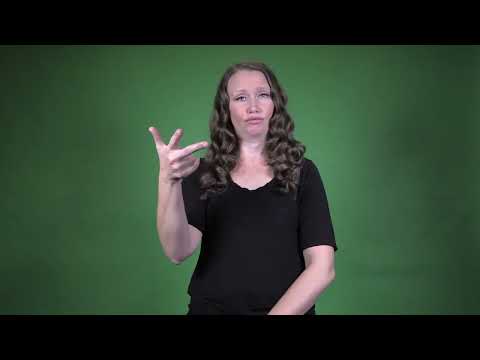
The sign for THIRD FLOOR in ASL is a compound sign made by combining the number “3” with the sign for “FLOOR.” Start by forming the number “3” using your dominant hand—extend your thumb, index, and middle fingers. Then, use both hands (palms down, flat handshapes) and move them outward from the center to form the sign for “FLOOR.” The two signs are sequential, not blended. It’s important to keep the signs distinct. A common mistake is blending the number and the floor sign too quickly, which can create confusion or look like a different number altogether. Always pause slightly between signing “3” and “FLOOR” to maintain clarity. The sign for FLOOR can also be used with other numbers, making it modular. You can use this same structure to sign “first floor,” “second floor,” and so on. This flexibility makes the sign for THIRD FLOOR in ASL part of a broader category of location-based vocabulary. Learners should also be aware that some people may fingerspell “third” in formal contexts, although this is rare. The number-plus-floor format is more efficient and commonly used. Ensure your number “3” is clear and distinct from other numbers like “6” or “8,” which can look confusing when signed quickly.
Tips for Beginners3>
When learning the sign for THIRD FLOOR in ASL, start slow and focus on accuracy. Take time to understand how the number “3” is formed and how it transitions into the sign for “FLOOR.” Use video references to model your signs on fluent signers. Practice isolating each component. Many beginners rush from the number to the floor sign, which can cause their fingers to blur or their handshapes to collapse. Be deliberate and controlled in your movement. Another tip is to work on facial expressions and non-manual markers. While the sign for THIRD FLOOR in ASL doesn’t require intense facial grammar, maintaining appropriate eye gaze and a neutral expression supports clarity and professionalism. Don’t be discouraged by initial mistakes. Even small errors can be learning opportunities. Keep a consistent practice schedule and return to the basics often to reinforce muscle memory and confidence with the sign for THIRD FLOOR in ASL.
Connections to Other Topics
The sign for THIRD FLOOR in ASL connects closely with other ordinal number signs like FIRST FLOOR, SECOND FLOOR, and FOURTH FLOOR. Practicing them together helps build a stronger internal sense of number sequencing within ASL grammar. It also relates to directional and locational signs such as UP, DOWN, ELEVATOR, and STAIRS. These are commonly used in conjunction to describe how to get to the third floor or where to meet someone. Another important connection is with building-related vocabulary like ROOM, HALLWAY, BATHROOM, and OFFICE. Once you’ve signed the sign for THIRD FLOOR in ASL, you often follow it with a room or place name to complete the idea. The grammatical structure of combining a number with a noun is a repeated pattern in ASL. This structure also appears in signs like SECOND ROOM or FOURTH PERIOD, making it a valuable grammar point to understand. The sign for THIRD FLOOR in ASL also intersects with time and scheduling terms. In schools or apartment buildings, someone might say they have class or live on the third floor. These practical, real-life links make the sign especially useful.
Lengthy Summary
Mastering the sign for THIRD FLOOR in ASL requires a mix of visual accuracy, cultural understanding, and consistent practice. This specific sign is built from a clear structure: the number “3” followed by the sign for “FLOOR.” Precision in handshape and a slight pause between components helps ensure your message is understood correctly. The sign plays a key role in everyday communication in Deaf culture, especially in settings involving navigation through buildings or giving directions. Whether you’re in a school, office, or residential space, the ability to express which floor something is on is essential. The sign for THIRD FLOOR in ASL is a practical and frequently used phrase that supports clear, efficient communication. Beginners are encouraged to start slow, use mirrors and recordings for feedback, and practice the sign in real-life scenarios. Incorporating the sign for THIRD FLOOR in ASL into full sentences, dialogues, and directional conversations helps build fluency and confidence. Making mistakes is part of the learning process, and learners should view them as steps toward mastery. This sign connects with a wide range of related vocabulary, including numbers, building terms, and directional signs. Understanding how to combine ordinal numbers with nouns is a foundational grammar skill in ASL. Practicing the sign for THIRD FLOOR in ASL alongside similar phrases strengthens your overall language comprehension. As you continue your ASL journey, make the sign for THIRD FLOOR in ASL a regular part of your practice routine. It’s a small but powerful piece of vocabulary that opens the door to more complex conversations and interactions in the Deaf community. Keep signing, keep improving, and enjoy the process of becoming a more fluent and culturally aware ASL user! Synonyms: upper story, third level, floor three, level three, the third Educational resources: Find related learning materials in our course bank! Want more? Check out some of our popular learning activities on the homepage! Need to look up a sign? Use our highly rated dictionary: https://aslinteractive.com/best-asl-dictionary/ Follow us on tiktok: https://www.tiktok.com/@aslinteractive. More social media links at the bottom of this page! Long-tail Keywords: Categories: tags: ASL locations, ASL directions, building floors in ASL, ASL travel-related signs, learning ASL vocabulary
Want more? Check out some of our popular learning activities!
ASL Interactive Resources
ASLInteractive YouTube Channel
Follow us on tiktok: @aslinteractive.com
Follow us on Instagram: aslinteractive
Facebook page: aslinteractive
Facebook group: aslinteractive
LInkedIn: ASL Interactive LLC
Twitter: @ASL_interactive
*Some information on this page is AI-generated. AI can make mistakes. Please check the information.
Responses