Practice Activities
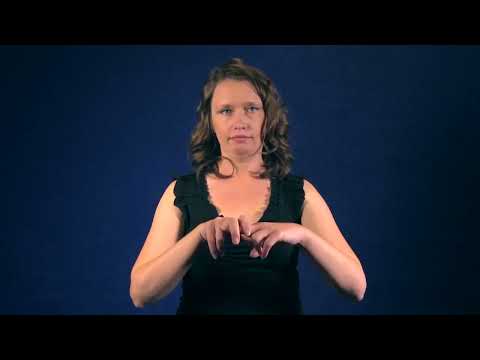
One of the most effective ways to master the sign for TOILET in ASL is through regular and intentional practice. Start with mirror work—stand in front of a mirror and practice forming the correct handshape and movement. This allows you to observe your facial expressions and hand position, both of which are essential for clear communication in ASL. Recorded signing is another valuable tool. Record yourself signing the word and compare it to fluent signers in video dictionaries or ASL classes. Pay attention to the orientation and movement of your hand. Then, move into contextual practice by using the sign for TOILET in ASL during role-play scenarios. For example, simulate asking a teacher or friend where the restroom is. Advanced learners can incorporate drills that involve rapid-fire vocabulary recall. Mix in the sign for TOILET in ASL with other location or necessity signs like WATER, HUNGRY, or HOSPITAL. This helps build fluency and prepares you for real-time conversations. Group practice can also be effective—practice signing in a group setting to get used to different signing speeds and styles.
SEO Cultural Context
Understanding the cultural context of the sign for TOILET in ASL deepens your appreciation for its usage in the Deaf community. The sign for TOILET in ASL is more than just a vocabulary word; it’s part of everyday interaction and often used in educational, public, and medical settings. Because ASL is a visual language, clarity and directness are valued, and the sign for TOILET in ASL provides a discreet yet universally understood way to express a basic need. The most common version of the sign uses the letter “T” handshape, shaken from side to side near the dominant side of your body. Although the letter “T” is universally understood, some regions or older generations may use variations or even fingerspell T-O-I-L-E-T, though this is less common today. Deaf culture places high importance on nonverbal cues and direct communication. Using the sign for TOILET in ASL in appropriate settings reflects this value. It’s commonly used in schools, hospitals, and social gatherings without the need for spoken language, emphasizing autonomy and inclusivity for Deaf individuals.
Extended Definition
The most widely accepted sign for TOILET in ASL involves forming the letter “T” in American fingerspelling—your dominant hand forms a fist with the thumb tucked between the index and middle fingers. With this handshape, you flick or shake your hand side to side at wrist-level near your torso. This sign is quick, efficient, and easily understood in context. It’s important not to confuse the sign for TOILET in ASL with similar signs like BATHROOM or RESTROOM, although they may be used interchangeably in casual settings. Some people also mistakenly use the sign for WATER or WASH, which can lead to confusion. Always verify the handshape and motion when learning. Another common error is the direction or location of the sign. The sign for TOILET in ASL should be made near the side of your body, not in front of your face or chest. Facial expressions should remain neutral unless emphasizing urgency. Overexaggeration can sometimes lead to miscommunication, so practicing the sign naturally is essential.
Tips for Beginners3>
If you’re just beginning to learn the sign for TOILET in ASL, start by mastering the letter “T” handshape. Many beginners struggle with tucking the thumb correctly, so spend time isolating this shape before moving into the full sign. Using flashcards or handshape drills can help solidify this foundational skill. Practice the motion slowly at first. Shaking the “T” handshape too fast or too rigidly can make the sign unclear. Smooth, confident motion is more visually readable. Remember that ASL is not just about the hands—your body posture and eye gaze also contribute to communication. Don’t be discouraged by early mistakes. It’s normal to feel awkward at first. Watching fluent ASL users and mimicking their rhythm and style can help improve your own signing. Try using the sign for TOILET in ASL in everyday situations, like asking for directions in a classroom or during a family gathering. The more you use it, the more natural it becomes.
Connections to Other Topics
The sign for TOILET in ASL connects naturally to several other signs related to personal needs and locations. For example, the sign for BATHROOM is often used interchangeably in informal settings. It uses the same “T” handshape with a similar side-to-side motion, and some use the terms synonymously depending on context. Another related sign is WATER. While different in handshape—a “W” hand tapped against the chin—it’s commonly used alongside TOILET in conversations about bodily needs. Understanding the distinction can prevent confusion, especially in settings where clear communication is vital. The sign for WHERE is also frequently used with TOILET. You might ask, “WHERE TOILET?” or “TOILET WHERE?” depending on sentence structure. This introduces learners to ASL grammar and sentence formation, reinforcing that ASL is not just a word-for-word translation of English. HOSPITAL is another connected sign. In medical or school settings, people might need to communicate about toileting needs using both TOILET and HOSPITAL in the same conversation. This makes the sign for TOILET in ASL part of a broader vocabulary set related to health and care. Lastly, the sign for HELP can often be used with TOILET in caregiving or educational environments. A child might sign HELP TOILET to indicate they need assistance. Learning these combinations enriches your vocabulary and helps you communicate more effectively in real-life scenarios.
Lengthy Summary
The sign for TOILET in ASL is a fundamental and practical sign that learners of all levels should master early in their ASL journey. It uses a simple yet specific handshape—the letter “T”—shaken lightly from side to side. This sign is direct, efficient, and commonly used in everyday situations ranging from schools to hospitals to social gatherings. It holds cultural significance in the Deaf community, reflecting values of direct communication and independence. Understanding when and how to use the sign in context is just as important as learning the motion itself. The sign for TOILET in ASL is not only about vocabulary—it’s about integrating that sign into real-life communication with sensitivity to cultural norms. Beginners should take time to perfect the handshape and movement, using tools like mirrors, video recordings, and group practice. Recognizing related signs like BATHROOM, WATER, and WHERE helps build a more comprehensive understanding of ASL grammar and vocabulary. Practicing in context reinforces those connections and builds fluency over time. Avoiding common mistakes, such as confusing similar signs or using incorrect hand placement, will help you communicate more clearly and confidently. As you continue learning, remember that fluency comes from regular, meaningful use. Try incorporating the sign for TOILET in ASL into your daily routine, whether you’re asking for directions or helping someone in need. You now have the tools to use this essential sign in a variety of settings. Keep practicing, stay curious, and continue expanding your ASL skills. The sign for TOILET in ASL is just one part of a rich, visual language that opens doors to deeper connection and communication within the Deaf community. Keep signing, and keep growing! Synonyms: Toilet, restroom, lavatory, washroom, bathroom Educational resources: Find related learning materials in our course bank! Want more? Check out some of our popular learning activities on the homepage! Need to look up a sign? Use our highly rated dictionary: https://aslinteractive.com/best-asl-dictionary/ Follow us on tiktok: https://www.tiktok.com/@aslinteractive. More social media links at the bottom of this page! Long-tail Keywords: Categories: tags: bathroom signs, hygiene vocabulary, travel essentials, daily routines, ASL basics
Want more? Check out some of our popular learning activities!
ASL Interactive Resources
ASLInteractive YouTube Channel
Follow us on tiktok: @aslinteractive.com
Follow us on Instagram: aslinteractive
Facebook page: aslinteractive
Facebook group: aslinteractive
LInkedIn: ASL Interactive LLC
Twitter: @ASL_interactive
*Some information on this page is AI-generated. AI can make mistakes. Please check the information.
Responses