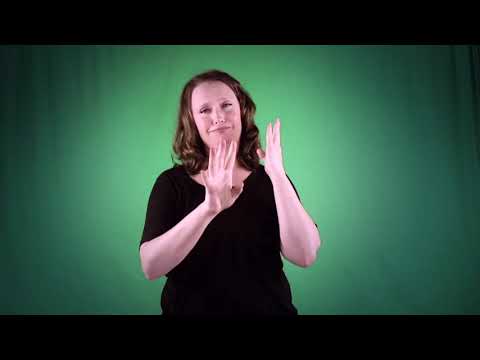
Sign for TRAFFIC2 in ASL | ASL Dictionary

Definition: The movement of vehicles along a road or path (variant 2). Sign for TRAFFIC2 in ASL
YouTube player

Practice Activities

Practicing the sign for TRAFFIC2 in ASL involves integrating both expressive and receptive skills. Start by standing in front of a mirror to observe your handshape, movement, and facial expressions. This mirror work helps reinforce muscle memory and ensures correct orientation for the sign for TRAFFIC2 in ASL. Record yourself signing in different sentence types. Use your phone or a webcam to film short clips of yourself incorporating the sign in various contexts, such as “There’s a lot of traffic today” or “Traffic was slow this morning.” Reviewing your recordings will help you notice patterns and improve clarity. Practice signing in context by describing your day or sharing a story that involves driving, commuting, or urban settings where the sign for TRAFFIC2 in ASL naturally fits. This helps embed the vocabulary into real-life scenarios, making it easier to recall during conversations. For advanced learners, set up drills focusing on directionality and speed. Use flashcards with related vocabulary and transition quickly between them, integrating the sign for TRAFFIC2 in ASL with other signs like “car,” “busy,” and “accident.” This improves fluency and builds confidence in fast-paced signing environments.

SEO Cultural Context

Understanding the cultural context of the sign for TRAFFIC2 in ASL adds depth to your learning. In Deaf culture, clarity and visual storytelling are essential, so signs must be meaningful and accurately represent real-life situations. The sign for TRAFFIC2 in ASL is often used in conversations about daily routines, delays, or city life, which are common topics in both casual and formal settings. This version of the sign emphasizes the concept of congestion or heavy flow, often represented by two hands moving in parallel to indicate multiple vehicles. It’s different from other similar signs that might refer to movement or flow in general. Regional variation can affect how the sign is produced—some communities may use a slightly different movement or handshape, but the visual metaphor remains consistent. Deaf individuals frequently discuss travel and navigation, especially when planning commutes or attending events. The sign for TRAFFIC2 in ASL serves as a visual shorthand for these shared experiences, helping to foster community and understanding. Being aware of how, when, and why this sign is used strengthens your cultural competence in ASL communication.

Extended Definition

The sign for TRAFFIC2 in ASL typically involves using both hands in flat B-handshapes, palm-down, moving forward in a staggered or alternating motion. This represents the visual image of multiple vehicles moving slowly in lanes. It’s a directional, classifier-based sign that conveys the idea of density and vehicle movement. This sign is distinct from the general sign for “traffic” that might use a single hand or a more simplified movement. The sign for TRAFFIC2 in ASL carries a more nuanced meaning, often implying congestion or a buildup of vehicles, rather than just the presence of cars on the road. Learners often confuse this version with signs for “line,” “flow,” or “cars.” One error is using symmetrical movement instead of staggered motion, which diminishes the visual metaphor. Another common mistake is using improper palm orientation or not maintaining consistent spacing between the hands, which can alter the meaning or reduce clarity. Understanding the classifier system in ASL is essential to mastering the sign for TRAFFIC2 in ASL. It relies on visual space and consistent movement to convey a more dynamic picture of traffic patterns. This sign blends vocabulary with spatial grammar, making it a powerful example of ASL’s visual nature.

Tips for Beginners

If you’re just beginning to learn the sign for TRAFFIC2 in ASL, don’t worry if it feels awkward at first. Focus on your handshape and movement before trying to speed up. Use a mirror to see how your hands move and ensure that your motions are staggered to reflect the concept of multiple vehicles. One common mistake beginners make is using both hands simultaneously instead of alternating. Remember, traffic is not uniform—it flows unevenly, and your sign should reflect that. Another error is improper palm orientation; keep your palms facing down to maintain visual accuracy. Start slow and gradually increase your speed as you gain confidence. Pair the sign for TRAFFIC2 in ASL with related vocabulary to build fluency. Practice regularly by signing about your daily commute or describing a traffic jam you recently experienced. It’s also helpful to watch native signers use the sign in context. Observing how fluent signers incorporate the sign for TRAFFIC2 in ASL into conversation helps you better understand its rhythm and usage. Stay patient and consistent—mastery will come with time and practice.

Connections to Other Topics

The sign for TRAFFIC2 in ASL connects closely with several other signs that describe movement, transportation, and urban life. One related sign is “CAR,” which is often used in conjunction to show the source of traffic. Signing “many cars” followed by the sign for TRAFFIC2 in ASL emphasizes volume and congestion. Another relevant sign is “STUCK” or “BLOCK,” which can be paired with traffic-related signs to illustrate gridlock. For example, “car stuck” or “traffic blocked” are common phrases in ASL and help express frustration or delay. The sign for “SLOW” also complements the sign for TRAFFIC2 in ASL. When used together, they create a clear picture of traffic moving sluggishly. These combinations help learners build complex sentences and improve descriptive accuracy. “CITY” or “URBAN” are additional thematic connections. These signs help establish the setting where traffic is most likely to occur. Using these signs in sequence with the sign for TRAFFIC2 in ASL allows for more detailed storytelling. Lastly, classifier constructions are a grammatical connection worth noting. The use of classifiers like CL:3 or CL:4 supports the visual storytelling that makes the sign for TRAFFIC2 in ASL so effective. Understanding classifiers enhances your ability to describe scenes and action with precision.

Lengthy Summary

Learning the sign for TRAFFIC2 in ASL is more than memorizing hand movements—it’s about understanding how ASL uses space, motion, and imagery to convey real-world experiences. This sign vividly represents the concept of congested vehicle flow, using both hands in a staggered motion to mimic the movement of traffic. It’s a clear example of ASL’s visual-spatial grammar and classifier use. Practicing the sign for TRAFFIC2 in ASL through mirror work, video recordings, and contextual storytelling helps reinforce accuracy and retention. By incorporating it into daily conversations about commuting or urban life, learners gain fluency and confidence. Engaging in advanced drills with related signs like “car,” “slow,” and “blocked” further strengthens your expressive skills. Culturally, the sign holds relevance in the Deaf community where storytelling and descriptive language are central to communication. The sign for TRAFFIC2 in ASL helps convey everyday frustrations and shared experiences, building connection and understanding. Regional variations may exist, but the sign’s core visual metaphor remains consistent across communities. For beginners, focusing on proper handshape, alternating motion, and palm orientation is key. Avoid common pitfalls by practicing slowly and observing fluent signers. Remember that mistakes are part of the learning process, and regular use will lead to improvement. This sign also connects with broader ASL topics, including transportation vocabulary, city life, and classifier grammar. These connections provide context and help learners expand their expressive range. By embedding the sign for TRAFFIC2 in ASL into related themes, you create a richer and more functional signing vocabulary. Keep practicing the sign for TRAFFIC2 in ASL with intention and creativity. Whether you’re describing your morning commute or engaging in a storytelling activity, this sign adds depth and realism to your ASL skills. Stay motivated, keep learning, and enjoy exploring the dynamic world of American Sign Language ️✋. Synonyms: traffic generation, driving traffic, increase web visitors, boost website traffic, enhancing site traffic Educational resources: Find related learning materials in our course bank! Want more? Check out some of our popular learning activities on the homepage! Need to look up a sign? Use our highly rated dictionary: https://aslinteractive.com/best-asl-dictionary/ Follow us on tiktok: https://www.tiktok.com/@aslinteractive. More social media links at the bottom of this page! Long-tail Keywords: Categories: tags: traffic signs in ASL, travel vocabulary in ASL, transportation-related signs in ASL, road safety terms in ASL, directional signs in ASL

Want more? Check out some of our popular learning activities!

ASL Interactive Resources

ASLInteractive YouTube Channel

Follow us on tiktok: @aslinteractive.com

Follow us on Instagram: aslinteractive

Facebook page: aslinteractive

Facebook group: aslinteractive

LInkedIn: ASL Interactive LLC

Twitter: @ASL_interactive

*Some information on this page is AI-generated. AI can make mistakes. Please check the information.  

Responses