Practice Activities
Learning the sign for VIDEOTAPE ONESELF in ASL can be both fun and effective when approached through engaging
Practice Activities
. Start with mirror work to focus on handshape, facial expressions, and body orientation. Because this sign involves a reflexive action, it’s essential to ensure your perspective matches what others see. Practicing in front of a mirror can help align your signing with how it should appear to your audience. Another effective method is recorded signing. Use your phone or webcam to film yourself as you practice the sign for VIDEOTAPE ONESELF in ASL. Playback allows you to evaluate clarity, speed, and movement accuracy. You can also compare your version with fluent signers via online ASL video dictionaries or Deaf creators on social media. Contextual signing is key. Use the sign in complete sentences or while telling a story. For instance, sign phrases like “I will videotape myself for class” or “He videotaped himself for the audition.” This creates fluency and helps the sign become a natural part of your expressive vocabulary. Advanced drills can help reinforce the sign for VIDEOTAPE ONESELF in ASL. Try switching between different pronouns and time markers, such as “yesterday,” “next week,” or “often.” This will deepen your understanding of how this sign functions grammatically in ASL, especially in narrative or instructional contexts.
SEO Cultural Context
In Deaf culture, self-documentation and video sharing hold significant importance, especially in education, social media, and activism. The sign for VIDEOTAPE ONESELF in ASL is frequently used in reference to vlogging, creating video assignments, or submitting videos for interpreting programs or community projects. The cultural value placed on visual communication makes this sign especially relevant in Deaf spaces where video content is a powerful tool for self-expression. Historically, Deaf individuals have used videotaping as a way to preserve language, share stories, and teach ASL. Before smartphones made it easy, camcorders were used to record lectures, storytelling, and performances in ASL. Today, many students and professionals use the sign for VIDEOTAPE ONESELF in ASL when talking about preparing video submissions or practicing ASL fluency. Regional variation in this sign is minimal, but some signers may use alternate signs for “video” or “record” depending on their age or community. However, the core concept of pointing the camera toward oneself while mimicking a recording motion remains consistent. Understanding this sign within its cultural and technological context enhances its meaning and usage.
Extended Definition
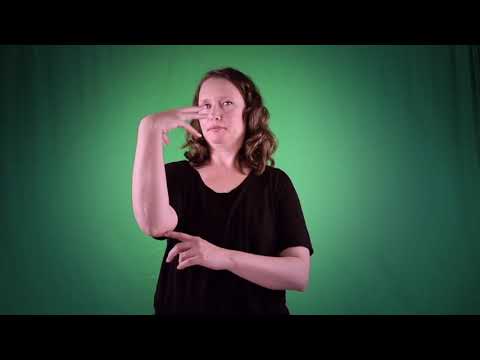
The sign for VIDEOTAPE ONESELF in ASL is a compound concept that combines signs related to “video” or “record” with a reflexive marker indicating the action is being done to oneself. Typically, the dominant hand forms a modified “C” or “claw” shape, simulating a camera lens, and moves toward the signer’s body. The motion may include a small shake or twist to represent the action of recording. The non-dominant hand may be used to support the concept or show the body as the subject. Because this sign refers specifically to the act of recording oneself, it differs from signs that mean “take a video,” “film,” or “record” in general. Those signs may involve outward motion or refer to another subject. When using the sign for VIDEOTAPE ONESELF in ASL, be clear that the subject and object are the same person. This reflexive concept is crucial to getting the meaning right. Common errors include incorrect directionality—signers may mistakenly move the sign away from the body, which changes the meaning. Others may use the general “video” sign without the reflexive component, leading to ambiguity. It’s also important to use appropriate facial expressions and gaze, especially when indicating that the signer is both the camera operator and the subject.
Tips for Beginners3>
If you’re new to ASL, learning the sign for VIDEOTAPE ONESELF in ASL may seem complex at first because of its reflexive nature. Don’t worry—this is a great opportunity to deepen your understanding of how ASL expresses subject-object relationships. Start by mastering the individual signs for “video” or “record” and “self,” then learn how they combine in this context. One beginner mistake is forgetting the inward motion that indicates the action is happening to yourself. Always remember that directionality in ASL isn’t just visual—it’s grammatical. You’re not just mimicking a camera; you’re showing who is doing what to whom. Use slow, controlled movements at first. Practice in short sessions and build up to more fluid signing. Watching native signers use the sign for VIDEOTAPE ONESELF in ASL in real situations—like vlogs or ASL performances—can help reinforce proper usage and inspire confidence.
Connections to Other Topics
The sign for VIDEOTAPE ONESELF in ASL is closely connected to other signs involving technology and self-reference. One related sign is “SELF,” which is often used in reflexive constructions in ASL. Learning how to sign “myself,” “yourself,” and “himself/herself” provides a foundation for understanding how this sign works. Another related sign is “RECORD” or “VIDEO,” which uses a camera-like handshape and motion. This sign shows up in contexts like filming events, making movies, or recording lectures. Understanding this sign helps clarify how technology is represented in ASL. “CAMERA” is another useful sign to learn. It’s often used in combination with other signs to describe taking pictures or videos. Knowing this sign adds to your visual vocabulary when discussing digital media. The sign for “POST” or “UPLOAD” is also relevant. Once you videotape yourself, you might want to post the video online. This sign often accompanies discussions about social media or digital communication in ASL. Finally, the sign “PRACTICE” is essential when talking about videotaping oneself for improvement. Many ASL learners record themselves to evaluate progress. Using the sign for PRACTICE in combination with the sign for VIDEOTAPE ONESELF in ASL creates a full picture of the learning process.
Lengthy Summary
Mastering the sign for VIDEOTAPE ONESELF in ASL is a practical and culturally rich addition to any signer’s vocabulary. This sign captures a modern, everyday activity that’s especially relevant in the Deaf community, where video communication is a key part of education, self-expression, and community engagement. From class assignments to social media, the ability to talk about filming oneself is essential. Practicing this sign through mirror work, recorded sessions, and contextual storytelling will build fluency. Don’t forget that directionality and facial expressions are crucial. The sign must clearly show that the action is being performed by and on the same person. Watch native signers to refine your understanding, and be consistent in your practice. Understanding the cultural significance of videotaping in Deaf communities also helps you use the sign with respect and accuracy. This sign is more than just a motion—it’s a reflection of how Deaf people share knowledge, preserve language, and connect with the world. For beginners, a slow, step-by-step approach works best. Break the sign down into its components, avoid common mistakes like confusing directionality, and practice often. Connecting this sign to related concepts like “record,” “self,” and “post” will deepen your grasp of ASL’s structure and beauty. The sign for VIDEOTAPE ONESELF in ASL is a powerful example of how the language adapts to modern life while staying rooted in cultural meaning. Keep practicing, stay curious, and don’t be afraid to videotape yourself as part of your learning journey. The more you engage with this sign, the more natural it will become in your expressive signing. Keep signing and keep growing! Synonyms: record oneself, film oneself, video oneself, capture oneself on video, self-record Educational resources: Find related learning materials in our course bank! Want more? Check out some of our popular learning activities on the homepage! Need to look up a sign? Use our highly rated dictionary: https://aslinteractive.com/best-asl-dictionary/ Follow us on tiktok: https://www.tiktok.com/@aslinteractive. More social media links at the bottom of this page! Long-tail Keywords: Categories: tags: ASL self-recording, ASL video sign, American Sign Language practice, ASL vocabulary documentation, ASL educational tools
Want more? Check out some of our popular learning activities!
ASL Interactive Resources
ASLInteractive YouTube Channel
Follow us on tiktok: @aslinteractive.com
Follow us on Instagram: aslinteractive
Facebook page: aslinteractive
Facebook group: aslinteractive
LInkedIn: ASL Interactive LLC
Twitter: @ASL_interactive
*Some information on this page is AI-generated. AI can make mistakes. Please check the information.
Responses