Practice Activities
Learning the sign for WALL in ASL involves engaging in a variety of practice methods that help reinforce both accuracy and fluency. Start by practicing the sign in front of a mirror. This allows you to observe your handshape and movement to ensure it matches the correct form of the sign for WALL in ASL. Focus especially on the palm orientation and the spatial movement that mimics the shape and layout of a wall. Recording yourself signing is another helpful technique. Playback gives you the opportunity to evaluate your non-manual markers and compare your version of the sign for WALL in ASL to reliable sources such as native Deaf signers or trusted ASL dictionaries. This reflective process is essential for self-correction and confidence-building. Incorporate the sign into everyday contexts. When you’re describing your room, a building, or even playing a visual game like charades, use the sign for WALL in ASL naturally in conversation. This contextual usage enhances retention and helps you internalize the sign’s meaning beyond rote memorization. For advanced learners, try creating full ASL narratives or dialogues that involve spatial description. For example, describe a room or a house layout using classifiers and directional signs, integrating the sign for WALL in ASL fluidly. You can also practice with a partner, taking turns describing physical spaces and giving feedback to each other.
SEO Cultural Context
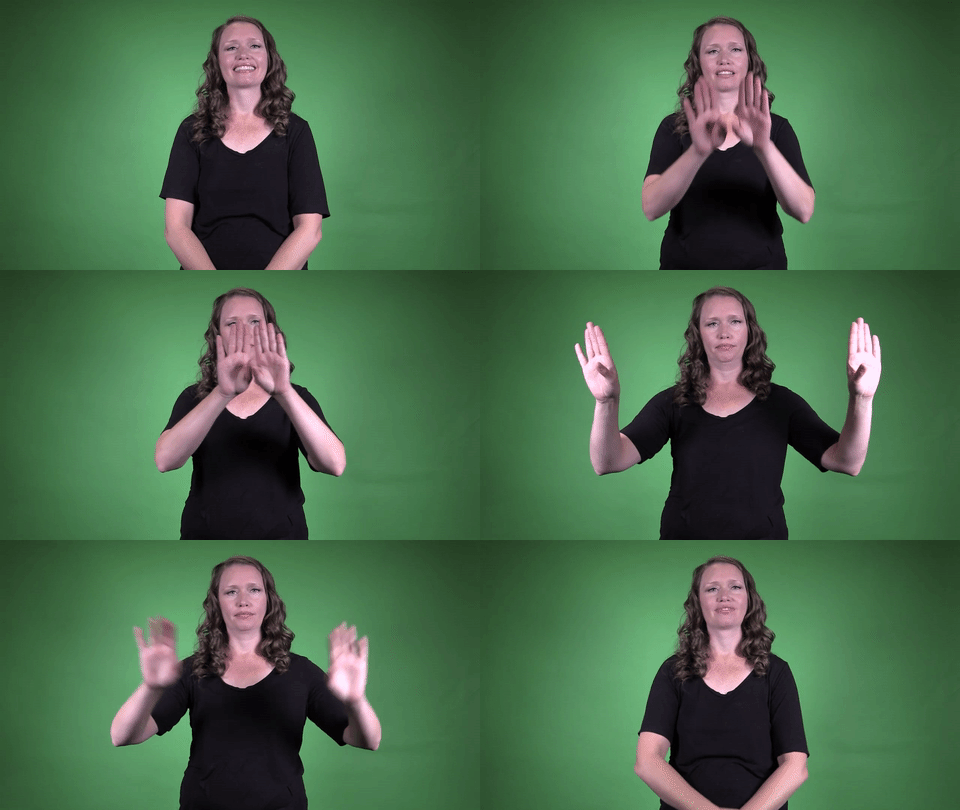
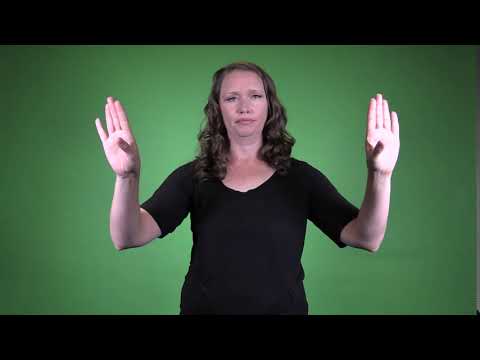
In Deaf culture, spatial awareness is vital. The sign for WALL in ASL is more than just vocabulary—it’s a tool for visual storytelling and physical description. This sign is often used in conversations about environments, home design, architecture, and even metaphorical uses like “hitting a wall” or describing boundaries. The sign for WALL in ASL is typically made by placing both open hands vertically in front of you, palms facing outward, and then moving them apart horizontally. This mimics the flat, vertical surface of a physical wall. The motion and orientation of the hands are grounded in visual logic, a key principle in ASL grammar and Deaf cultural expression. While there may be some regional variations in how the sign is performed, the general structure remains consistent throughout most ASL-using communities. In some areas, signers may emphasize the size or type of wall—brick, concrete, or divider—by incorporating classifiers or additional descriptive signs. Understanding these cultural nuances helps learners use the sign for WALL in ASL more effectively and respectfully. The use of this sign also reflects the Deaf community’s emphasis on visual-spatial communication. In ASL narratives, especially those involving navigation or spatial arrangement, the sign for WALL in ASL plays a critical role in helping the viewer build a mental picture. Respecting this visual structure is essential for clear and culturally appropriate communication.
Extended Definition
The sign for WALL in ASL uses both B-handshapes (flat hands with fingers together), held vertically in front of the body. Start with the hands together, then move them horizontally apart to indicate the concept of a wall. This mimics the flat surface of a wall and visually represents its extension across space. This sign is part of a larger family of spatial and architectural vocabulary in ASL. It is closely related to signs like DOOR, WINDOW, and FLOOR. These signs often rely on similar B-handshapes and spatial movement to communicate their meanings. Understanding how these signs relate helps learners grasp the visual logic of ASL. A common error when learning the sign for WALL in ASL is incorrect palm orientation. Beginners might accidentally turn their palms inward or use bent fingers, which can alter the meaning or make the sign unclear. Another frequent mistake is failing to move the hands evenly, which can disrupt the visual symmetry that is important for comprehensibility. Some learners may also confuse the sign for WALL in ASL with other flat-surfaced signs like BOARD or SCREEN. While they share similarities, these signs differ in context, movement, and sometimes handshape. Always pay close attention to where and how the sign is used to avoid miscommunication.
Tips for Beginners3>
If you’re just starting to learn the sign for WALL in ASL, be patient with yourself and focus on accuracy over speed. Take time to practice the handshape and movement slowly in front of a mirror. Visual feedback is essential when learning spatial signs. One helpful tip is to think visually. Imagine you are outlining a wall in the air when you perform the sign. This mindset aligns with how native ASL users conceptualize space and will help you internalize the motion more naturally. A common beginner mistake is making the sign too small or too fast. This can make the sign hard to understand. Slow down your movement, keep the hands flat and symmetrical, and use your whole visual field to express the concept clearly. Don’t be afraid to ask for feedback from fluent signers or instructors. Practicing the sign for WALL in ASL in meaningful contexts—like describing your room or pointing out walls in your environment—can also help you remember it more effectively. Repetition and real-life use are keys to success.
Connections to Other Topics
The sign for WALL in ASL is directly connected to a range of architectural and interior design vocabulary. For example, signs like DOOR, WINDOW, CEILING, and FLOOR often appear together when describing rooms or buildings. Practicing these signs in combination helps you build descriptive skills and expand your vocabulary. The concept of classifiers in ASL also relates to the sign for WALL in ASL. Classifiers allow signers to describe the size, shape, and position of objects in space. For instance, you can use classifier handshapes to indicate where a wall is in relation to a piece of furniture or another object. Spatial referencing is another key connection. ASL uses the signing space in front of the body to represent real or imagined physical spaces. The sign for WALL in ASL often serves as a reference point in these spatial maps, helping listeners visualize the layout being described. This sign also ties into themes of boundaries and barriers, both physical and metaphorical. In storytelling or expressive signing, WALL can be used symbolically to represent limits, challenges, or divisions. This adds depth and richness to how the sign is used in various contexts. Finally, the sign connects with broader topics in ASL grammar, such as directionality and non-manual markers. Facial expressions and body shifts often accompany the sign for WALL in ASL to emphasize its size or importance. Learning to integrate these features enhances your fluency and expressiveness.
Lengthy Summary
The sign for WALL in ASL is a foundational vocabulary term that plays an important role in spatial descriptions and storytelling. It is signed with both B-handshapes, palms outward, moved horizontally to represent a flat, vertical surface. This visual representation mirrors the concept of a wall and aligns with ASL’s natural use of space and visual logic. Practicing the sign requires multiple methods, including mirror work, video analysis, and contextual use in conversation. For more advanced learners, integrating the sign into spatial narratives and using classifiers can deepen understanding. The sign for WALL in ASL also holds cultural significance, reflecting the Deaf community’s emphasis on visual communication and spatial awareness. Beginners should focus on mastering the correct handshape, palm orientation, and movement. Avoid rushing the sign or making it too small, as clarity is essential in ASL. Use connected vocabulary and related signs to build your fluency and practice using them in descriptive contexts like room layouts or architectural discussions. Understanding how the sign for WALL in ASL connects to other concepts—such as classifiers, spatial referencing, and metaphorical language—helps learners appreciate the richness and depth of ASL as a visual language. These connections not only enhance vocabulary but also improve overall communication skills. As you continue your ASL journey, keep practicing the sign for WALL in ASL in varied settings. Use it in real-life conversations, storytelling, or even while watching ASL videos and identifying the sign in use. The more you engage with the sign, the more natural and intuitive it will become. Keep signing, keep exploring, and let the visual world of ASL open new doors—and walls—of understanding . Synonyms: barrier, partition, barricade, rampart, enclosure Educational resources: Find related learning materials in our course bank! Want more? Check out some of our popular learning activities on the homepage! Need to look up a sign? Use our highly rated dictionary: https://aslinteractive.com/best-asl-dictionary/ Follow us on tiktok: https://www.tiktok.com/@aslinteractive. More social media links at the bottom of this page! Long-tail Keywords: Categories: tags: ASL household signs, ASL structure vocabulary, American Sign Language building terms, home-related ASL dictionary, ASL everyday objects
Want more? Check out some of our popular learning activities!
ASL Interactive Resources
ASLInteractive YouTube Channel
Follow us on tiktok: @aslinteractive.com
Follow us on Instagram: aslinteractive
Facebook page: aslinteractive
Facebook group: aslinteractive
LInkedIn: ASL Interactive LLC
Twitter: @ASL_interactive
*Some information on this page is AI-generated. AI can make mistakes. Please check the information.
Responses