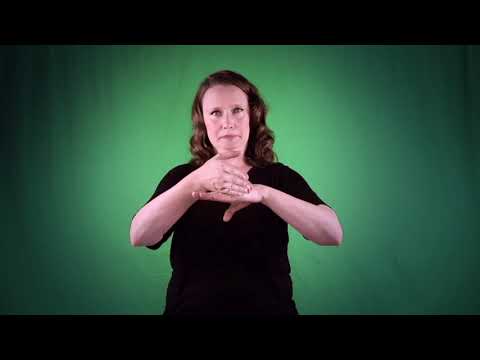
Sign for WOOD in ASL | ASL Dictionary

Definition: The hard, fibrous material that forms the trunk of a tree. Sign for WOOD in ASL
YouTube player

Practice Activities

Learning the sign for WOOD in ASL becomes more effective and fun when practiced through a variety of engaging activities. Mirror work is a great place to start. Stand in front of a mirror and practice the motion and handshape involved in the sign for WOOD in ASL. This allows you to watch your hands for accuracy and helps build confidence in your gestures. Be mindful of facial expressions, which are an essential part of ASL. Another helpful activity is recorded signing. Use your phone or computer to record yourself signing the word WOOD in ASL. Then, review the video to assess your clarity, fluidity, and consistency. This technique is particularly useful for identifying subtle errors you might miss during mirror practice. Contextual signing deepens your fluency. Try incorporating the sign for WOOD in ASL while describing a scene, object, or story that includes wooden items. For example, practice signing about a wooden table, a wooden fence, or a forest with trees made of wood. This kind of contextual practice helps embed the sign into your active vocabulary. For more advanced learners, drills with a partner can reinforce memory and speed. Take turns signing common materials like metal, glass, and wood. You can also engage in timed drills where you sign the word as part of a sentence or phrase on cue. This builds your ability to recall and use the sign for WOOD in ASL under real-time conversational conditions.

SEO Cultural Context

Understanding the sign for WOOD in ASL requires appreciation of its cultural significance within the Deaf community. In ASL, signs often reflect visual and tactile experiences. The sign for WOOD in ASL mimics the act of sawing or tapping on a piece of wood, making the sign visually iconic and intuitive for native users. Culturally, the Deaf community values clear and expressive communication. Using the correct sign for WOOD in ASL not only shows respect for ASL’s linguistic structure but also supports smoother interaction among signers. Like many signs, this one may have slight regional variations. In some areas, the motion may be shorter or more exaggerated, depending on local signing habits. In real-life situations, the sign for WOOD in ASL is commonly used in discussions about building materials, nature, carpentry, or furniture. For example, in a conversation about constructing a treehouse, a Deaf signer would naturally use this sign. It also appears in narratives, educational settings, and workplace environments where wood plays a role. Being aware of context is key. If someone is telling a story about a wooden cabin or a forest, using the sign for WOOD in ASL helps create a vivid visual image. This aligns with ASL’s visual-spatial nature and enhances storytelling impact.

Extended Definition

The sign for WOOD in ASL typically involves holding one flat hand (usually the non-dominant hand) palm down to represent a plank of wood. Then, the dominant hand forms the same flat handshape and moves across the top of the other hand in a motion that resembles sawing or tapping. This movement visually conveys the texture and material of wood. This sign belongs to a broader category of material-related signs in ASL. It’s closely related to signs like TREE, which uses a similar base hand but different movement, and PAPER, which also uses a flat-hand contact motion but with a different orientation and speed. Learners sometimes confuse the sign for WOOD in ASL with these because of the similar handshapes. One common error is using the wrong motion. Some may mistakenly tap instead of swipe or vice versa, which can change the meaning or confuse the message. Another error is improper hand positioning. Remember, the non-dominant hand must be stable, and the dominant hand moves purposefully across it. Another important aspect is facial expression. While the sign itself is straightforward, pairing it with appropriate non-manual signals (like a look of description or emphasis) boosts clarity. For instance, when discussing the hardness or texture of a wooden object, facial cues can add depth to the sign for WOOD in ASL.

Tips for Beginners

If you’re new to ASL, mastering the sign for WOOD in ASL can feel like a small but important victory. Start by breaking the sign into steps. Focus first on forming the flat hands correctly. Then, practice the motion slowly to develop muscle memory. A helpful tip is to imagine you’re sawing a small piece of wood. This mental image helps guide the motion and gives context to the movement. Try saying the word “wood” silently as you sign to reinforce the meaning during early practice sessions. Beginners often forget to keep their non-dominant hand stable. If your base hand moves too much, the sign loses clarity. Practice stabilizing the non-dominant hand by resting it on a table or your lap while learning. Don’t be discouraged if your movements feel awkward at first. Like any language skill, fluency in ASL takes time. Repetition is key. The more you sign WOOD in ASL in different scenarios, the more natural it will become. It’s also helpful to watch fluent signers use the sign for WOOD in ASL during conversations or videos. Mimic their rhythm and flow. This helps you internalize not only the sign but also its natural usage in ASL grammar and structure.

Connections to Other Topics

The sign for WOOD in ASL connects with several other signs and concepts that enhance overall understanding of the language. One related sign is TREE. While WOOD refers to the material, TREE refers to the living plant. Both use a flat hand as a base, but the motions differ to reflect the concept. Another connected sign is BUILD. Since wood is often part of construction, you’ll frequently see the sign for WOOD in ASL used alongside signs like BUILD, HOUSE, or FURNITURE. These combinations help learners see how vocabulary works together in ASL. The sign for CHAIR is also linked. CHAIR and WOOD often appear in the same context, especially when describing objects made of wood. Using these signs together in a sentence builds vocabulary and improves fluency. You may also encounter the sign for FOREST or TREEHOUSE in narrative contexts. These signs naturally lead into discussions where the sign for WOOD in ASL is appropriate. Understanding these connections strengthens your ability to describe scenes vividly. Lastly, the sign for MATERIAL or TEXTURE allows you to elaborate on what WOOD feels or looks like. This opens the door to more advanced descriptions and storytelling, enhancing your expressive skills in ASL.

Lengthy Summary

The sign for WOOD in ASL is a foundational vocabulary word that opens the door to richer conversations about nature, construction, furniture, and storytelling. Its visual, iconic nature makes it accessible to beginners, while its role in broader ASL discourse makes it essential for intermediate and advanced learners. Effective practice includes mirror work, video feedback, and contextual signing. These methods ensure you not only learn the sign for WOOD in ASL but also use it fluently in real-life situations. Partner drills and timed activities add challenge and realism for those advancing in their ASL journey. Culturally, the sign for WOOD in ASL exemplifies how Deaf culture and language interact. The sign is intuitive, regionally flexible, and deeply tied to visual storytelling. Understanding the cultural context helps learners appreciate the sign’s richness and use it more authentically. Common mistakes include incorrect hand positioning, reversed motion, or lack of facial expression. Beginners can overcome these obstacles through repetition and observation of native signers. Staying patient and consistent in practice is key. Connecting the sign for WOOD in ASL to other related concepts like TREE, BUILD, CHAIR, and FOREST expands your vocabulary and improves your fluency. These links also help build narrative and descriptive skills in ASL, making your communication more vivid and complete. In summary, learning the sign for WOOD in ASL is more than memorizing a hand movement. It’s about engaging with a visual language that reflects a rich cultural heritage. Keep practicing, stay curious, and don’t be afraid to use the sign in everyday conversations. The more you sign, the stronger your ASL skills will become Synonyms: Timber, Lumber, Forest Material, Wooden, Wood Grain Educational resources: Find related learning materials in our course bank! Want more? Check out some of our popular learning activities on the homepage! Need to look up a sign? Use our highly rated dictionary: https://aslinteractive.com/best-asl-dictionary/ Follow us on tiktok: https://www.tiktok.com/@aslinteractive. More social media links at the bottom of this page! Long-tail Keywords: Categories: tags: wood signs, materials in ASL, nature-related ASL, ASL vocabulary for construction, ASL environmental terms

Want more? Check out some of our popular learning activities!

ASL Interactive Resources

ASLInteractive YouTube Channel

Follow us on tiktok: @aslinteractive.com

Follow us on Instagram: aslinteractive

Facebook page: aslinteractive

Facebook group: aslinteractive

LInkedIn: ASL Interactive LLC

Twitter: @ASL_interactive

*Some information on this page is AI-generated. AI can make mistakes. Please check the information.  

Responses